
2003 Trucks For Sale in North Carolina
Browse 2003 trucks for sale in North Carolina, including day cabs, sleepers, straight trucks, and vocational models for regional or local work.
Learn more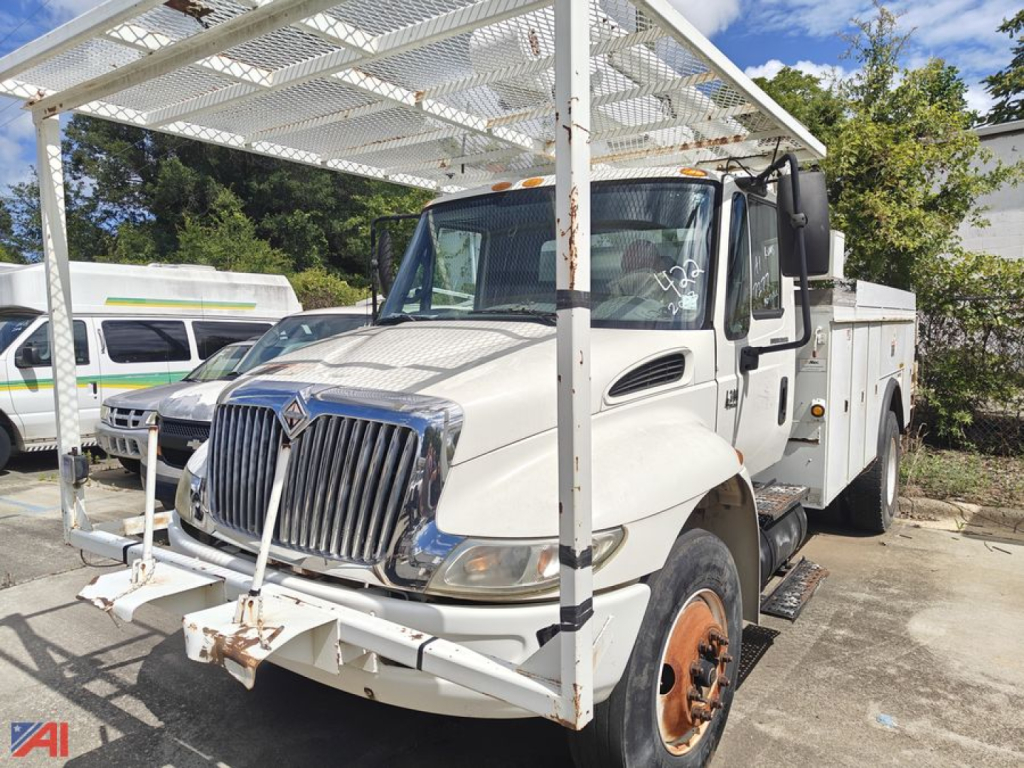
Have 2003 truck to sell? List it here to reach thousands of buyers.
About 2003 Trucks in North Carolina
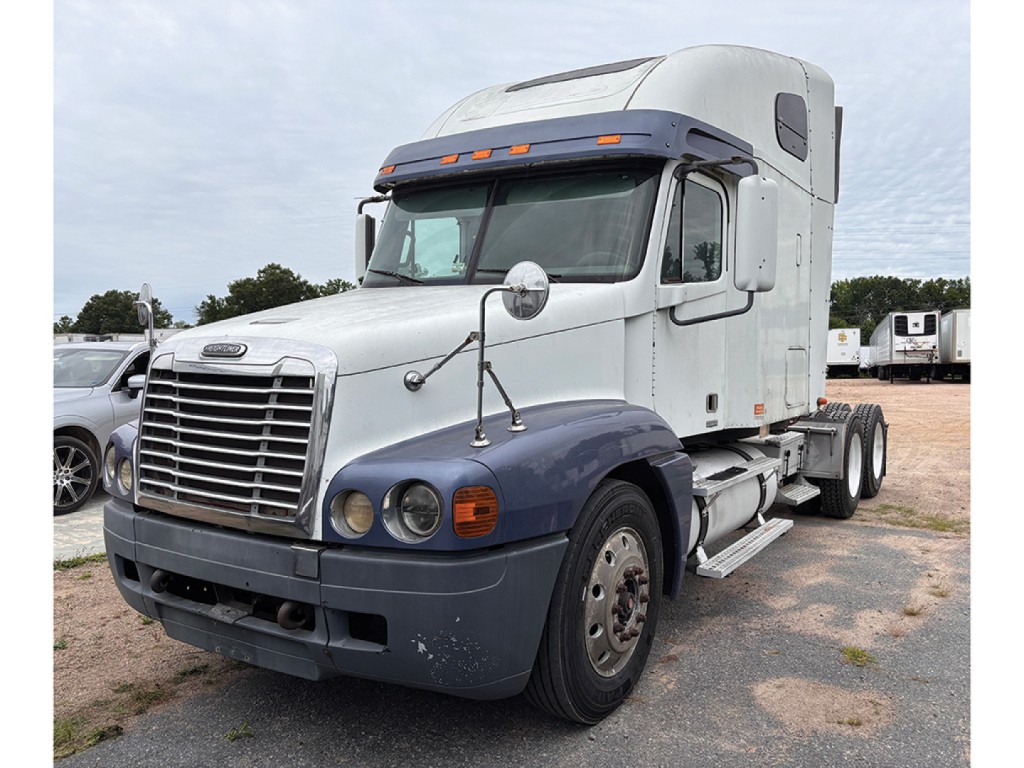
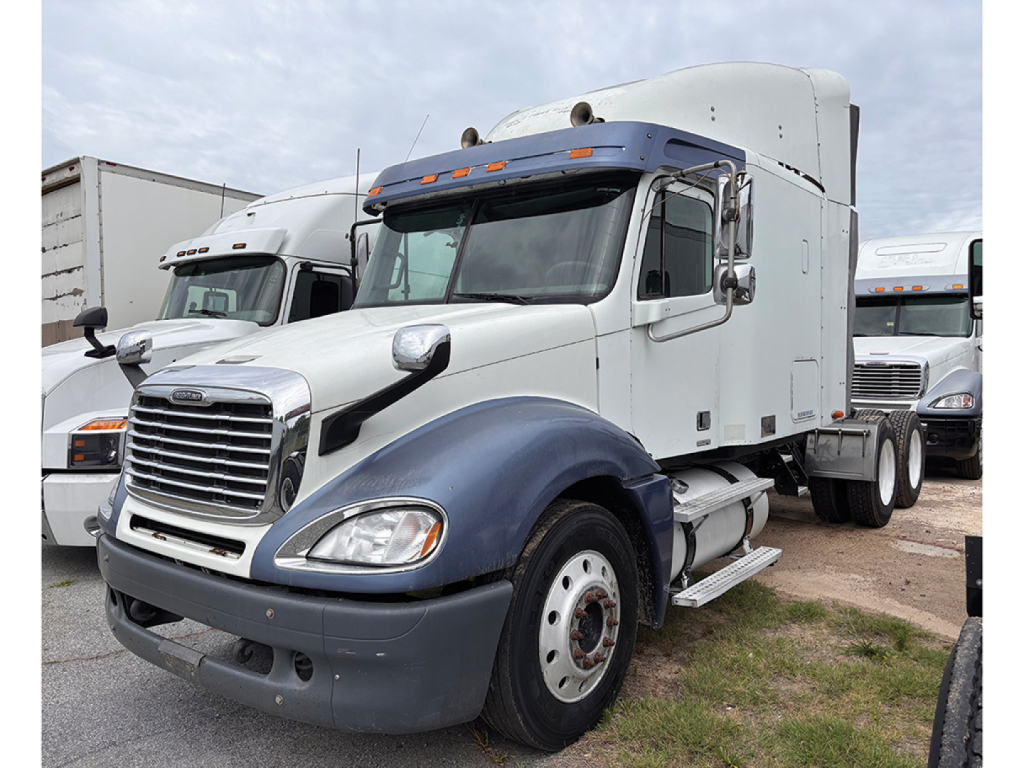
The most important decision is the truck configuration. In this year range, the market can include conventional day cabs, sleeper trucks, straight trucks, dump trucks, service trucks, and other vocational setups. A day cab usually makes sense for port, city, and regional lanes where wheelbase, turning radius, and lower tare weight matter. A sleeper is better suited to longer runs and teams that need onboard storage and rest space, but buyers should check bunk condition, HVAC performance, and signs of water intrusion. On straight trucks, body condition matters just as much as chassis condition. Look closely at floor structure, crossmembers, roof seams, door hardware, liftgate operation, reefer hours if equipped, and any signs of corrosion around body mounts.
Powertrain spec on a 2003 truck can vary widely, and that is where value is won or lost. Common engines in this age group may include pre-emissions or early emissions diesel platforms from Caterpillar, Cummins, Detroit, International, Mack, or Mercedes-Benz depending on make and application. Pay attention to horsepower, torque, rear axle ratio, transmission type, and suspension rating because those determine how well the truck fits the work. A fleet tractor set up with tall gears for highway speed is very different from a local vocational truck with deep reduction and heavier suspension. Buyers should also review mileage, engine hours, overhaul history, clutch status, brake wear, tire condition, and any documentation for injector, turbo, EGR, or cooling system repairs. On older trucks, maintenance records often tell you more than appearance.
North Carolina buyers should also think in terms of registration, axle ratings, and route profile. Mountain work in the western part of the state puts more importance on engine brake performance, cooling system health, and transmission gearing, while Piedmont and coastal operations may prioritize fuel capacity, maneuverability, and corrosion prevention. A 2003 truck can still be a strong fit if the frame is clean, the driveline matches the intended load, and wear items have been kept up. The smartest purchase is usually the one with the clearest service history, the most appropriate wheelbase and GVWR or GCWR for the job, and the least amount of deferred maintenance hiding behind a low asking price.
Frequently Asked Questions
Are 2003 trucks a good choice for small fleets or owner-operators?
They can be, especially when low upfront cost is the priority and the truck is being bought for a defined job with manageable annual miles. A well-maintained 2003 truck may offer simpler mechanical systems and easier field service than some newer equipment, but condition is everything. Buyers should budget for age-related repairs, inspect maintenance records closely, and confirm parts support for the engine, transmission, and chassis components before committing.
What should I inspect first on a 2003 used truck?
Start with the frame, engine, transmission, differentials, suspension, brakes, and tires because those determine the truck’s core value. Then check for fluid leaks, blow-by, cooling system issues, steering play, driveline vibration, air system performance, and signs of neglected maintenance. If it is a straight truck or vocational unit, inspect the body, PTO equipment, hydraulics, liftgate, or specialty components separately because those repairs can add up quickly.
Do 2003 trucks have emissions equipment that is expensive to maintain?
Many 2003 trucks are attractive to buyers because they predate later diesel emissions systems such as DPF and SCR found on newer models. That can reduce certain maintenance concerns, but it does not make the truck maintenance-free. Early EGR-equipped engines may still require careful inspection, and any older diesel can have costly needs related to injectors, turbochargers, cooling systems, wiring, seals, and engine wear.
Is mileage or maintenance history more important on a 2003 truck?
Maintenance history is usually more important. A higher-mile truck with documented service, major repairs, and consistent preventive maintenance is often a safer buy than a lower-mile truck with long idle periods, missing records, or obvious neglect. On trucks of this age, proof of oil changes, overhead work, clutch replacement, brake service, tire replacement, and cooling system repairs carries real value.
What truck type is most common in the 2003 market?
The 2003 market can include a wide mix of day cabs, sleeper tractors, straight trucks, and vocational chassis. The right type depends on the work. Day cabs are common for local and regional hauling, sleepers fit over-the-road use, and straight or vocational trucks serve delivery, construction, utility, and municipal applications. Buyers should match the wheelbase, axle capacity, gearing, and cab style to the actual job instead of shopping by price alone.