
1999 Trucks For Sale
1999 trucks for sale with pre-emissions diesel power and ELD-exempt engines. Understand specs, compliance, and inspection tips before you buy.
Learn more

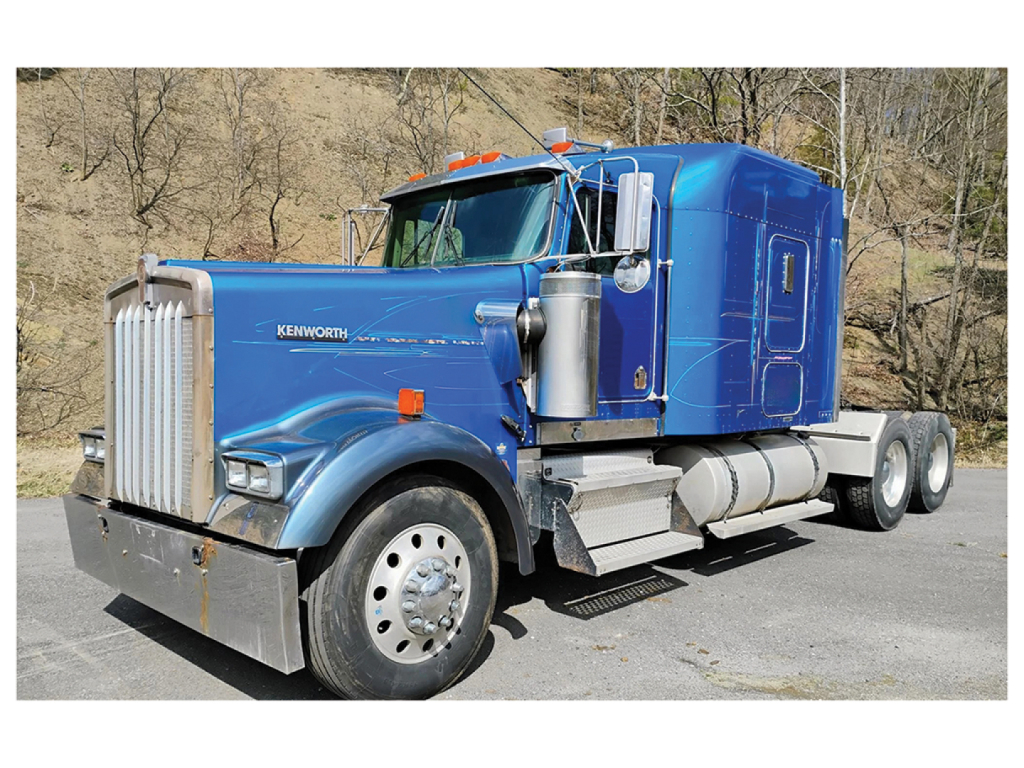
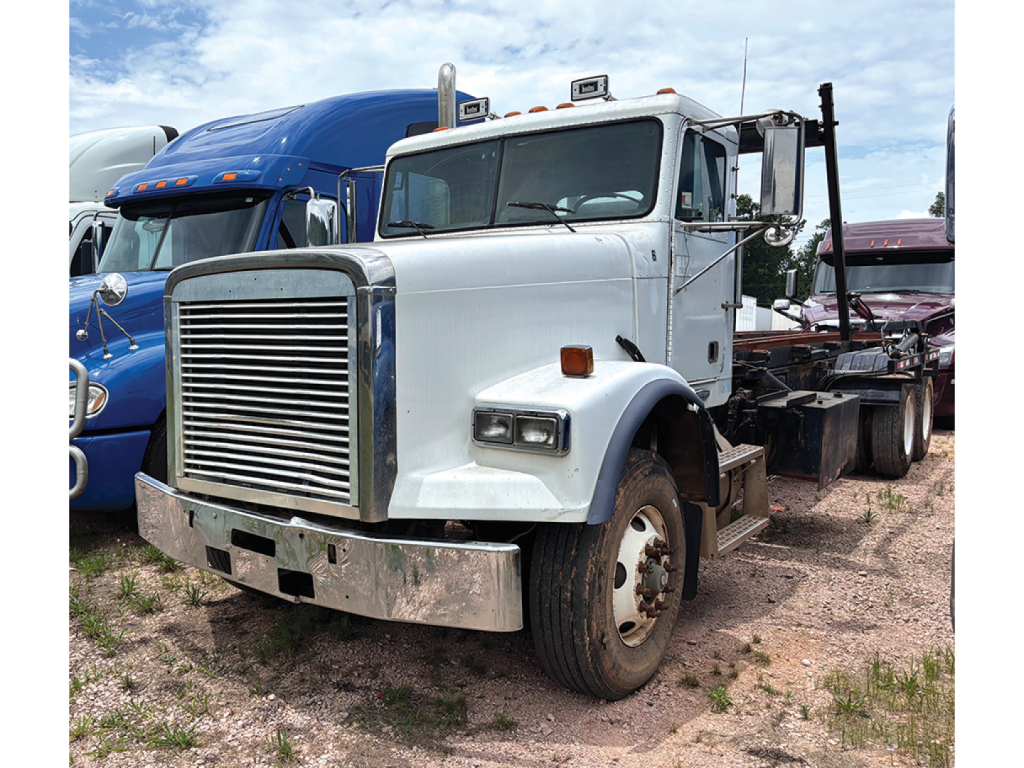
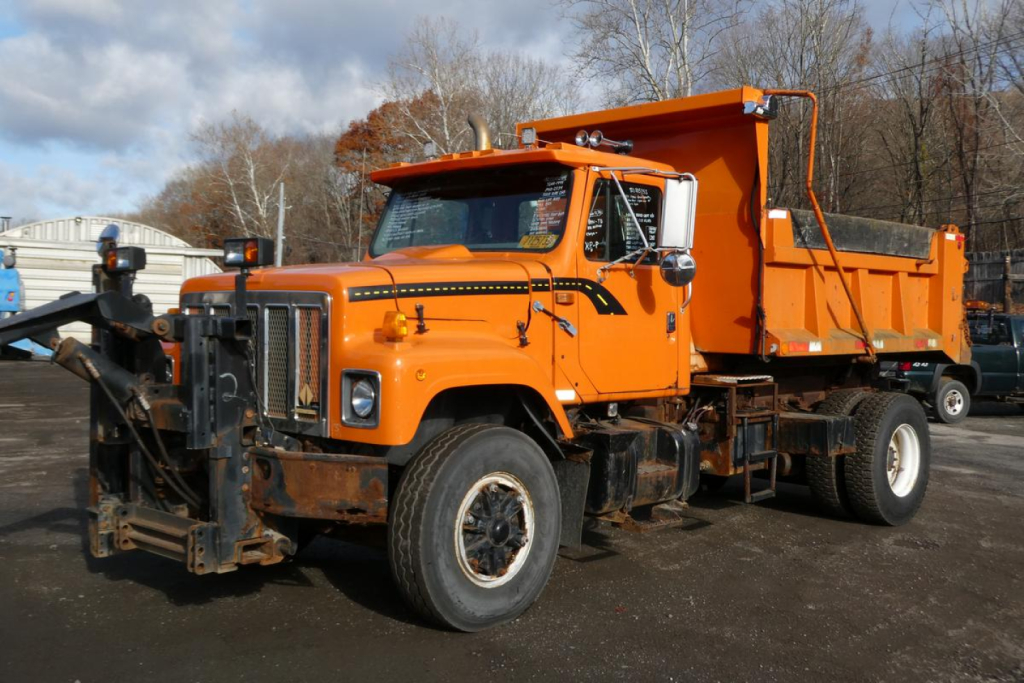
Showing 1 to 12 of 27 results
Have 1999 truck to sell? List it here to reach thousands of buyers.
About 1999 Trucks
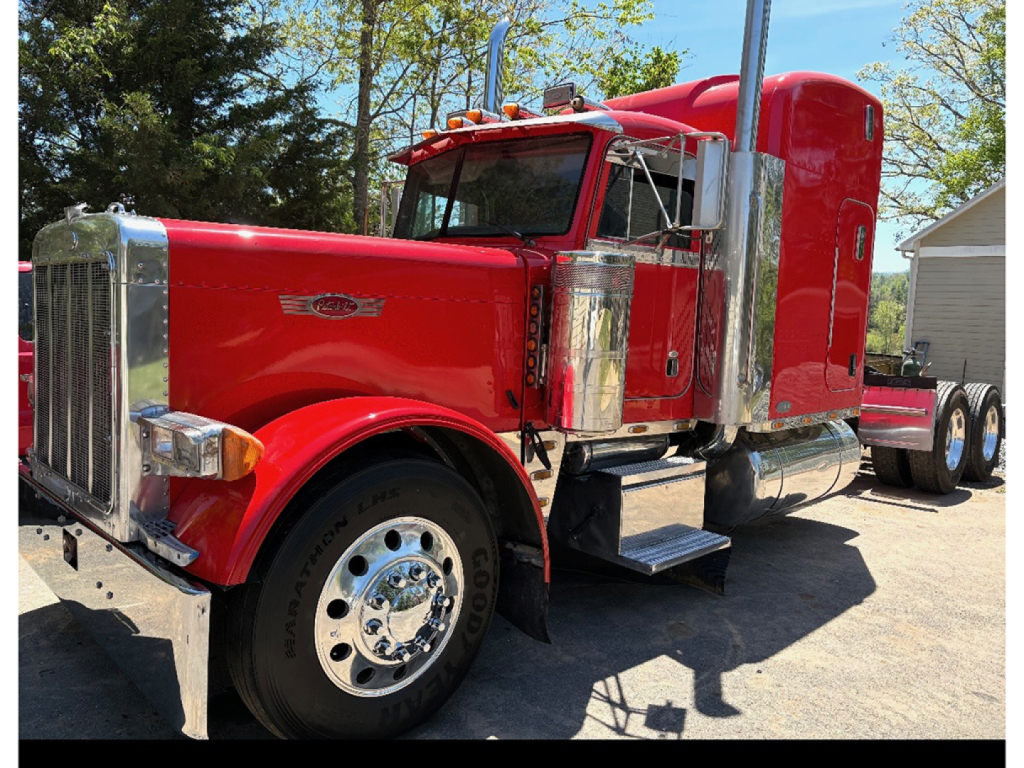
Heavy-duty tractors from 1999 often pair proven engines with manual Eaton Fuller transmissions. Common Class 8 powertrains include the Caterpillar 3406E and early C-15, Cummins N14 Celect Plus and ISM, and Detroit Diesel Series 60 12.7L DDEC IV. Medium-duty choices frequently include the CAT 3126, Cummins ISB and ISC, and International DT466E. Expect mostly drum brakes with ABS, 22.5 or 24.5 rubber, and rear axle ratios typically ranging from the mid 3s to 4s depending on duty cycle. Early autoshifts were available but mechanical 9, 10, 13, 15, and 18-speed manuals dominate this era for durability and driver control. On straight trucks, look for bodies and equipment that match your work: dry van box lengths and door types, reefer unit condition and hour meter reading, liftgate capacity, dump hoist type and cylinder condition, PTO setup, and wheelbase for bridge and turning goals.
Condition drives value on a 1999. Service records and overhaul documentation matter more than cosmetics. An oil sample, blow-by test, and dyno pull can reveal bearing wear, injector balance, turbo health, and cooling performance. Pressure test the charge air cooler, check for frame rail rust, crossmember cracking, and fifth wheel wear. Inspect spring pins or air-ride bushings, u-joints, kingpins, and brake foundation components. Electrical harnesses of this vintage can chafe at frame pass-throughs, causing intermittent ABS or lighting faults, so trace wiring and look for clean grounds. In the cab, verify HVAC function, seat structure, dash backlighting, and gauge accuracy.
Match gearing and spec to how you run. Tall gears and 22.5 LP tires suit highway work, while deeper ratios fit heavy or mixed terrain. Day cabs save weight for local haul; mid-roof and condo sleepers balance comfort with aero. Expect fewer modern safety features and limited telematics compared to later trucks, but parts availability for engines, transmissions, and brake components remains strong. Budget for age-related refresh items like radiators, charge air coolers, hoses, air dryers, alternators, and clutch components. With the right pre-buy due diligence, a 1999 truck can deliver low-complexity uptime and solid fuel economy for regional, vocational, or farm use.
Frequently Asked Questions
Are 1999 diesel trucks ELD-exempt?
They can be, but the exemption is based on engine model year, not the chassis model year. If the engine’s certified model year is 1999 or older, it typically qualifies for the pre-2000 ELD exemption. Check the engine data tag or ECM printout to verify. A 1999 chassis with a newer replacement engine may not be exempt.
What emissions systems are on a 1999 truck?
Most 1999 diesels are pre-emissions, meaning no EGR, DPF, or DEF. This reduces aftertreatment costs and simplifies troubleshooting. You still need to maintain the cooling system, fuel system, and turbocharger to keep smoke and fuel consumption in check.
Can I operate a 1999 diesel truck in California?
Generally no for commercial on-road use under the California Truck and Bus regulation, which requires a 2010 or newer diesel engine. There are limited exceptions and special-use cases, but most fleets will need a compliant repower or to limit operation outside California. Always confirm current CARB guidance before purchase.
What engines and transmissions are common in 1999 heavy-duty trucks?
Typical Class 8 options include Caterpillar 3406E and early C-15, Cummins N14 Celect Plus and ISM, and Detroit Series 60 12.7L DDEC IV. Transmissions are often Eaton Fuller 9, 10, 13, 15, or 18-speed manuals, with some early AutoShift units in circulation. Medium-duty trucks frequently feature CAT 3126, Cummins ISB or ISC, and International DT466E with manual or Allison automatic transmissions.
What should I inspect on a 1999 truck before buying?
Prioritize documentation and testing. Pull an oil sample, perform a blow-by test and, if possible, a dyno run. Pressure test the charge air cooler, inspect frame rails and crossmembers for rust or cracks, and evaluate suspension bushings, brakes, u-joints, and steering components. Check wiring harnesses and grounds for chafing and corrosion. For straight trucks, assess body condition, floor integrity, door tracks, liftgate operation, and, for reefers, unit hours and maintenance records.