
1999 Trucks For Sale in North Carolina
Shop 1999 trucks for sale in North Carolina. Compare heavy-duty, medium-duty, day cab, sleeper, dump, and vocational truck options.
Learn more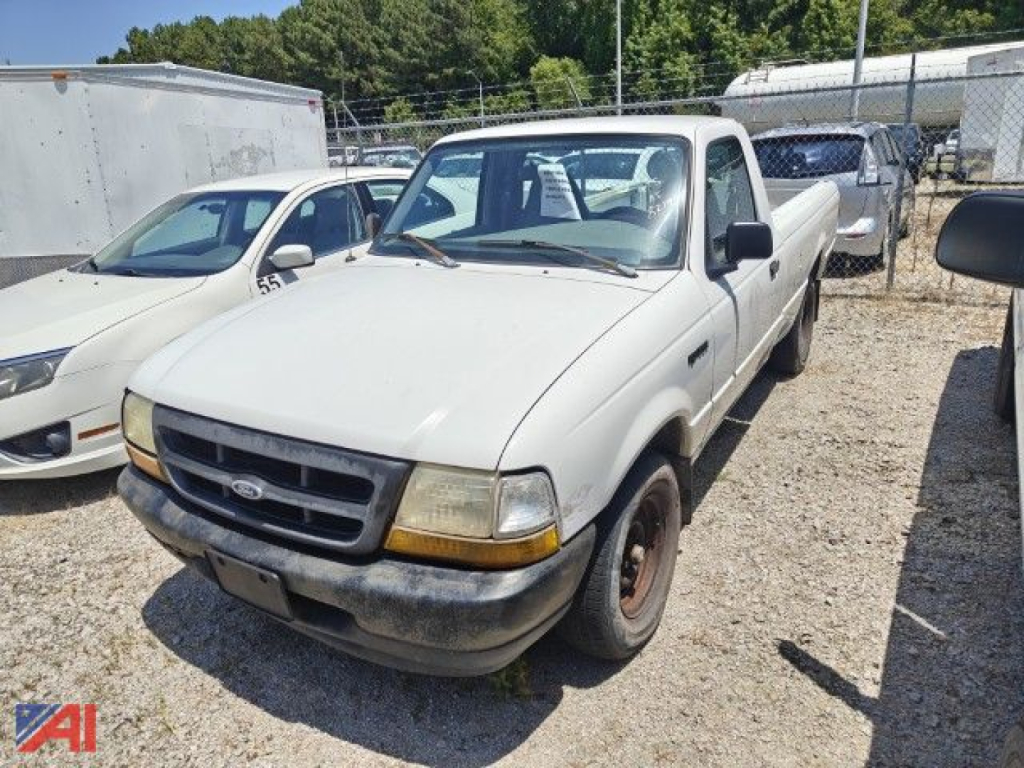
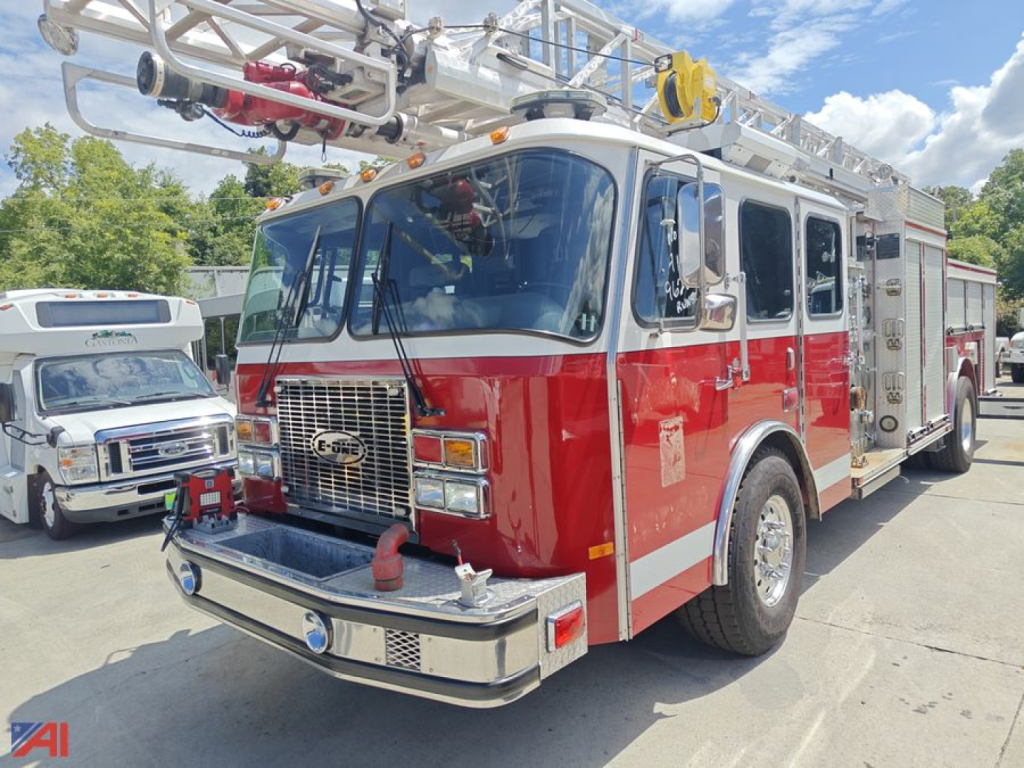
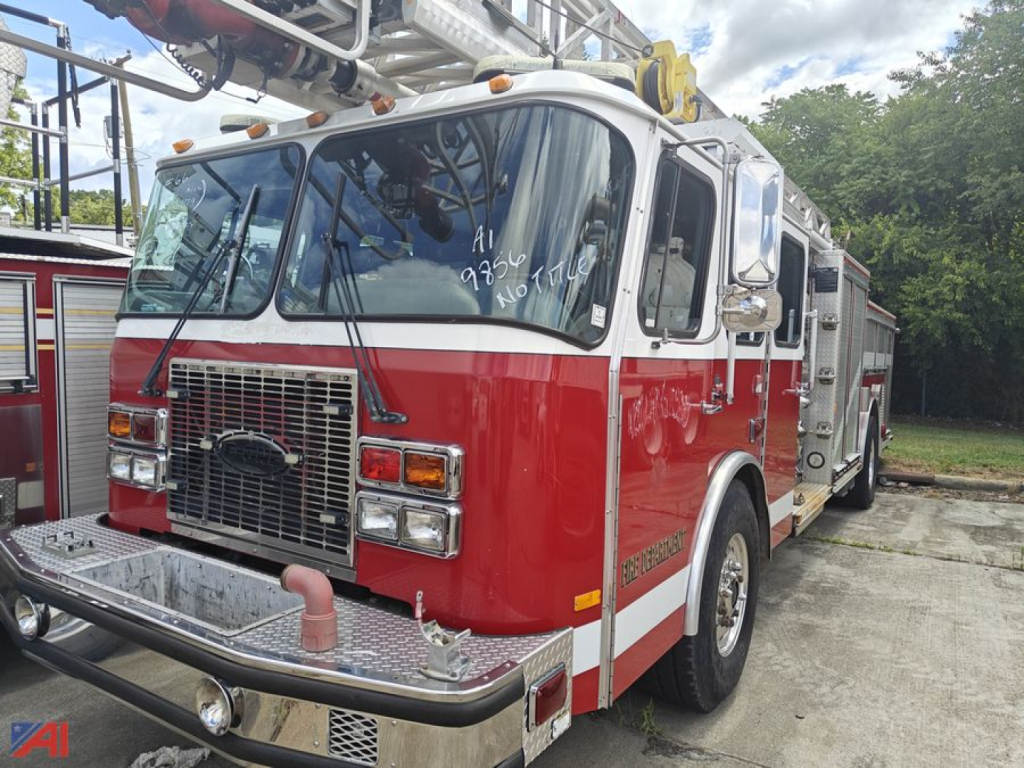
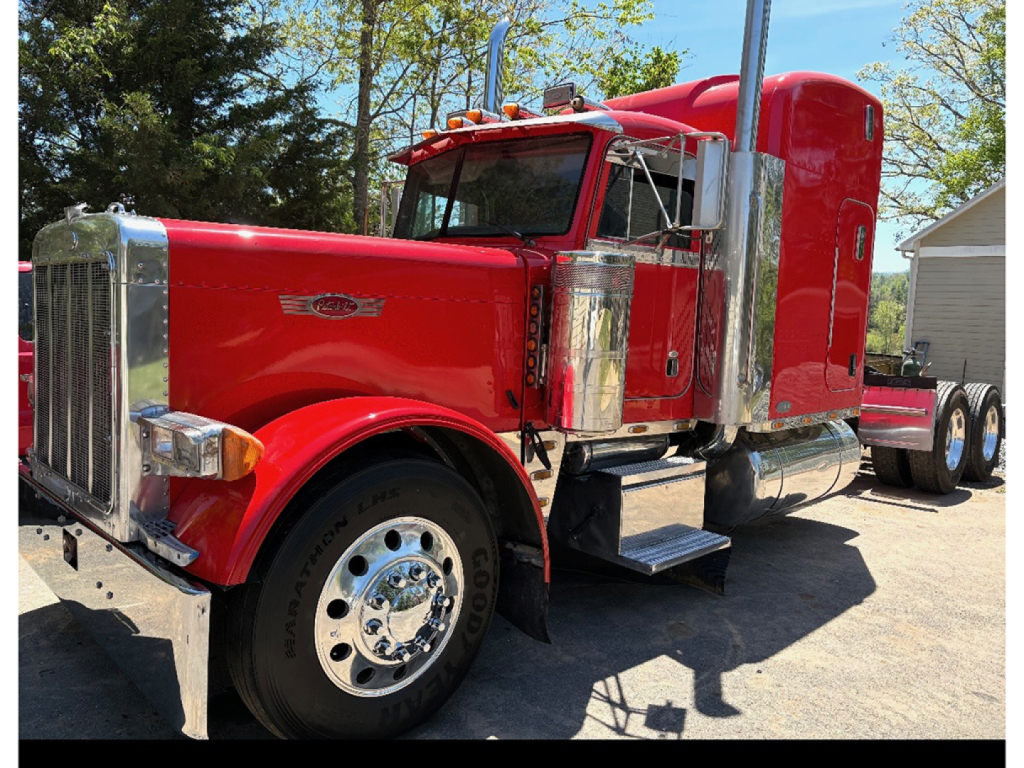

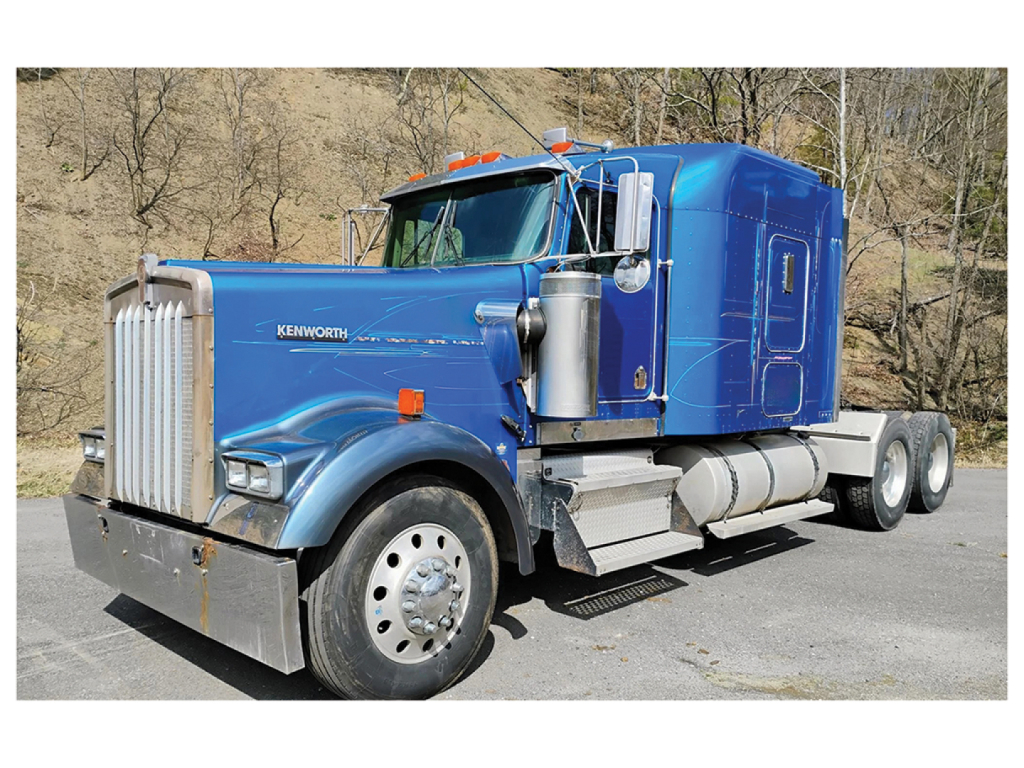
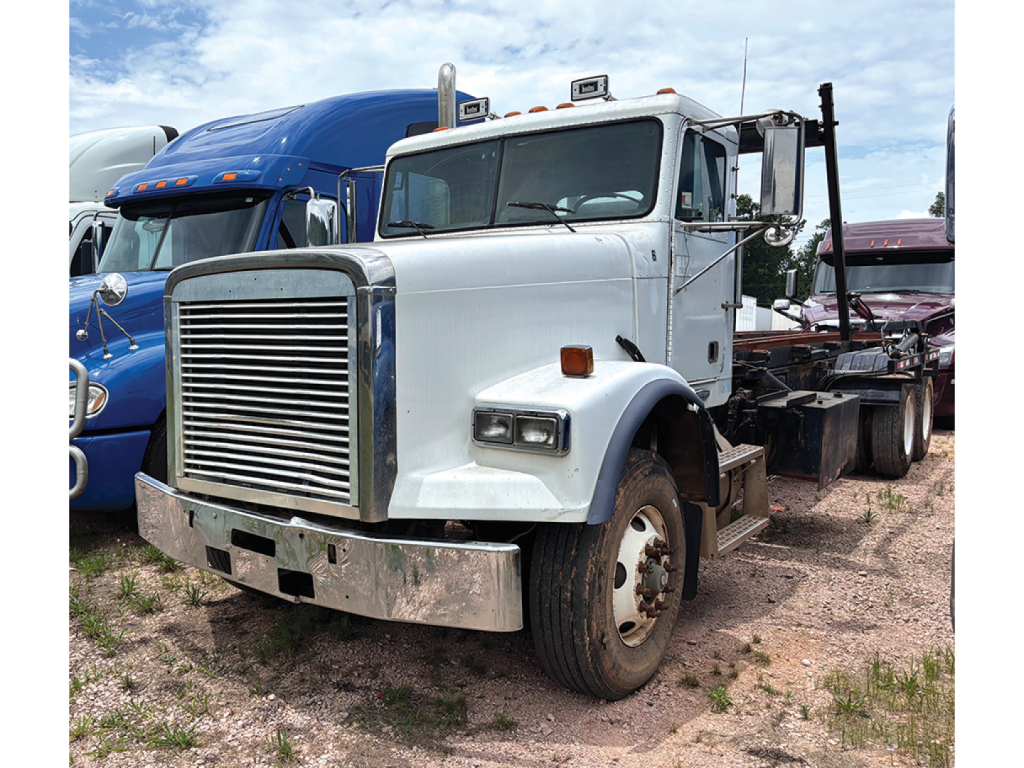
Have 1999 truck to sell? List it here to reach thousands of buyers.
About 1999 Trucks in North Carolina
The 1999 truck market covers a wide range of equipment classes, from medium-duty delivery trucks to Class 8 highway tractors and vocational units such as dump trucks, refuse trucks, flatbeds, service trucks, and cab and chassis setups. Common engines from that era include Caterpillar, Cummins, Detroit Diesel, International, and Mack platforms, often paired with Eaton Fuller manual transmissions, Allison automatics, or automated options in certain applications. On highway tractors, pay close attention to horsepower and torque ratings, rear axle ratios, wheelbase, fifth wheel style, suspension type, and whether the truck is a day cab or sleeper. On vocational trucks, buyers usually zero in on PTO function, hydraulic performance, frame condition, front axle capacity, rear axle capacity, and the body or equipment mounted behind the cab.
North Carolina buyers often shop 1999 trucks for regional freight, agriculture, construction, municipal work, and short-haul operations. That makes rust, frame corrosion, and previous job type especially important. A former over-the-road tractor may show different wear than a dump truck or garbage truck that spent years in stop-and-go service. Check for oil seepage, blow-by, transmission synchronizer condition, driveline vibration, suspension bushing wear, brake lining life, and signs of frame modifications. If the truck has a dump body, hoist, wet kit, lift axle, pintle hitch, or other vocational gear, verify that those systems operate correctly under load and that replacement parts are still easy to source.
For many buyers, the value in a 1999 truck is lower acquisition cost and mechanical familiarity. The best choice depends on intended payload, route length, terrain, and whether the truck will stay on-road, off-road, or split time between both. A highway tractor should be spec'd around GCWR, fuel capacity, axle ratio, and cab configuration. A vocational truck should be judged by frame integrity, body condition, PTO and hydraulic setup, and legal weight ratings. A careful inspection, maintenance records, and a realistic view of refurbishment costs usually determine whether a 1999 truck is a bargain or a project.
Frequently Asked Questions
Are 1999 trucks a good choice for commercial use?
They can be, especially for buyers who want a lower purchase price and a simpler mechanical platform. Many 1999 trucks are valued for pre-emissions diesel engines and straightforward drivetrains, but age becomes the main variable. A good candidate needs a strong service history, solid frame, healthy engine, and working vocational equipment if applicable. The best fit is usually local hauling, seasonal work, farm use, construction support, or specialty operations where downtime risk is understood and managed.
What should I inspect first on a 1999 used truck?
Start with the engine, transmission, frame, suspension, brakes, and electrical system. Look for excessive blow-by, coolant contamination, oil leaks, hard shifting, worn bushings, cracked spring hangers, brake imbalance, and corroded wiring. If it is a vocational truck, test the PTO, hydraulics, hoist, pump, packer, or auxiliary equipment in operation. Tire condition, wheel seals, steering play, and evidence of previous frame repairs also deserve close attention because those items can quickly change the true cost of ownership.
Do 1999 trucks have advantages over newer diesel trucks?
Yes, in some applications. A major advantage is reduced emissions-system complexity compared with later diesel trucks equipped with DPF and DEF systems. That can make diagnosis and repair more straightforward and may appeal to buyers looking for mechanical simplicity. The downside is that an older truck is more likely to need ongoing refurbishment of hoses, seals, wiring, interior components, and suspension parts. The comparison should be based on total operating cost, not just purchase price.
What specs matter most when comparing 1999 highway tractors and vocational trucks?
For highway tractors, focus on engine rating, transmission type, rear axle ratio, wheelbase, suspension, axle capacities, and day cab versus sleeper layout. For vocational trucks, prioritize GVWR, front axle rating, rear axle rating, frame strength, PTO provision, hydraulic capacity, body condition, and the suitability of the truck for the intended job. A dump truck, refuse truck, or service truck may look similar at a glance, but the wrong axle setup or weak hydraulic system can limit payload and productivity.
Is parts support still available for 1999 trucks?
In many cases, yes, but availability depends on the make, model, engine, and any specialty body equipment. Common drivetrain components from Cummins, Caterpillar, Detroit Diesel, Eaton Fuller, and Allison often remain serviceable through aftermarket and reman channels. Cab parts, trim pieces, older electronics, and certain vocational body components can be harder to source. Before buying, it is smart to confirm parts support for the exact engine family, transmission, axle set, brake system, and mounted equipment.