
1999 Conventional Sleeper Trucks For Sale in North Carolina
Shop 1999 conventional sleeper trucks for sale in North Carolina. Compare sleeper size, engine, transmission, axle ratio, wheelbase, and specs.
Learn more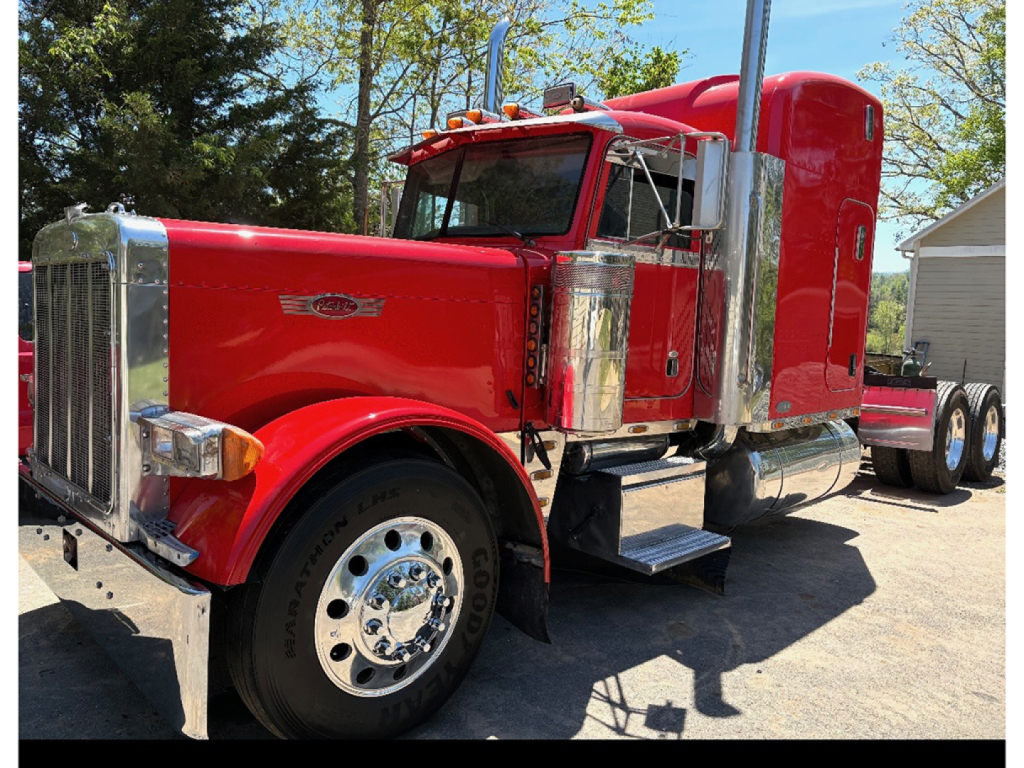

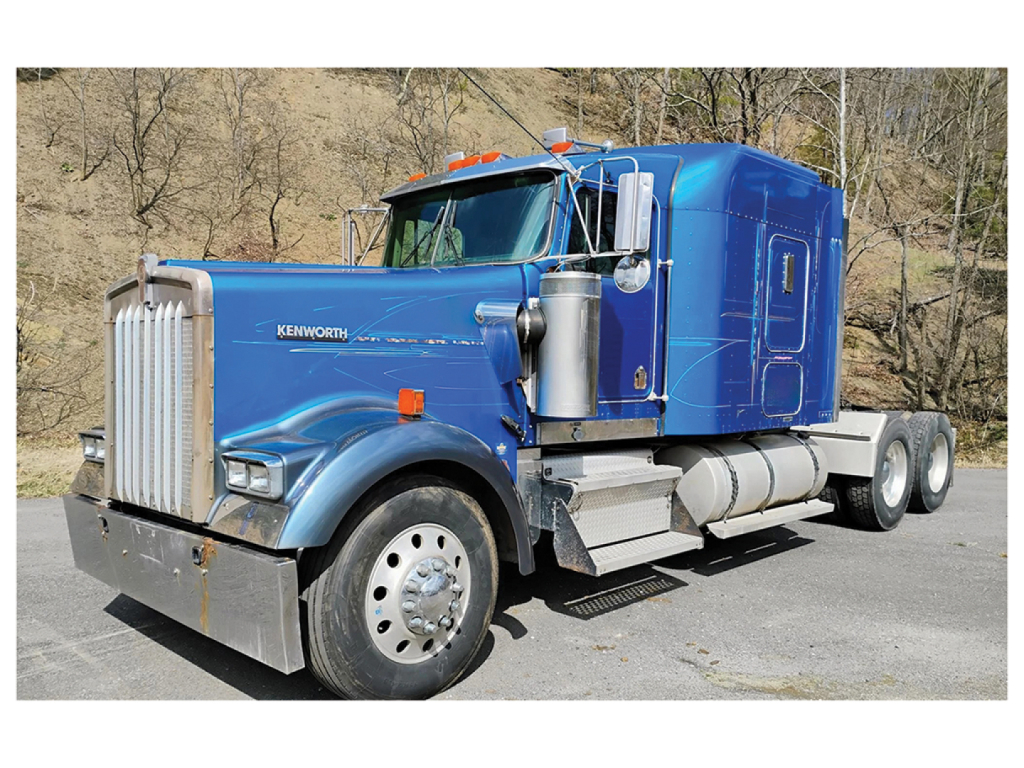
Have 1999 conventional sleeper truck to sell? List it here to reach thousands of buyers.
About 1999 Conventional Sleeper Trucks in North Carolina
The biggest purchase decision on a 1999 sleeper is the driveline. Many trucks from this era were spec'd with engines such as the Detroit Series 60, Caterpillar 3406E or C15, Cummins N14, or early ISX platforms, often paired with 10-speed or 13-speed manual transmissions. Horsepower in the 400 to 500 HP range is common, and rear axle ratios like 3.55 or 3.73 are typical for a balance of gradeability and highway speed. A buyer should look closely at engine brake operation, transmission synchronizer condition if applicable, clutch life, differential noise, and signs of blow-by or coolant pressure issues. Because these are older trucks, service records and evidence of in-frame work can matter more than brand preference alone.
Sleeper layout and chassis spec affect day-to-day usability more than many first-time buyers expect. A 70-inch raised-roof sleeper with upper bunk, dual fuel tanks, air ride suspension, and an air slide fifth wheel gives more flexibility for over-the-road work than a basic flat-top spec. Wheelbase influences ride quality and trailer gap, while fifth wheel travel affects how easily the truck can be matched to different trailer lengths and kingpin settings. In North Carolina and across the Southeast, buyers often pay attention to cooling system condition, A/C performance, tire condition, and suspension wear because these trucks may see a mix of interstate miles, port freight, and short regional turns in hot weather.
On a 1999 conventional sleeper, condition usually outweighs appearance. Check frame rails for corrosion or repairs, inspect cab mounts, look for oil saturation around the front cover and rear main area, and verify that gauges, HVAC, lights, and power accessories work as they should. Front axle set-back versus set-forward design, hood style, and sleeper height can also affect maneuverability, service access, and fuel economy. Buyers comparing listings in this class should use the same checklist every time: engine model, transmission type, rear ratio, suspension, wheelbase, sleeper size, mileage, overhaul history, and tire and brake life. That approach makes it much easier to separate a usable working tractor from a truck that will need immediate shop time.
Frequently Asked Questions
What makes a 1999 conventional sleeper truck appealing compared with newer models?
The main advantage is mechanical simplicity. A 1999 sleeper truck is typically pre-emissions, which means no DPF, DEF, or SCR systems to diagnose and maintain. For many buyers, that lowers repair complexity and can make the truck easier to keep running in owner-operator or small fleet service. The tradeoff is age-related wear, so the truck's maintenance history, overhaul status, and overall chassis condition are usually more important than the low purchase price alone.
What engine and transmission combinations are common in 1999 conventional sleepers?
Common engine choices in this category include the Detroit Series 60, Caterpillar 3406E or C15, and Cummins N14 or early ISX engines. Many are paired with 10-speed or 13-speed manual transmissions, although exact specs vary by original application. Buyers should confirm horsepower rating, engine brake function, transmission condition, rear axle ratio, and whether major work such as an in-frame rebuild or clutch replacement has already been done.
What should I inspect first on a used 1999 sleeper tractor?
Start with the driveline and the structural condition. Check for blow-by, coolant contamination, oil leaks, hard starting, abnormal exhaust smoke, and any signs of overheating. Then inspect the frame rails, suspension, steering components, brakes, tires, fifth wheel, and cab mounts. On an older sleeper tractor, HVAC performance, sleeper equipment, wiring repairs, and gauge function also deserve attention because electrical and comfort-system issues can add up quickly.
Is a 70-inch sleeper better than a smaller sleeper on a 1999 conventional truck?
A 70-inch sleeper generally gives better livability for over-the-road use, especially if the truck has a raised roof and upper bunk. It provides more storage, more headroom, and a better fit for multi-day trips. A smaller sleeper can still work well for regional operations or occasional overnight runs, and it may reduce weight slightly. The right choice depends on the truck's route profile, how many nights are spent in the bunk, and whether cab space or maximum maneuverability matters more.
How do axle ratio and wheelbase affect a 1999 conventional sleeper truck?
Axle ratio and wheelbase have a direct effect on performance and application. A numerically higher ratio such as 3.73 typically improves pulling power and gradeability but can raise engine RPM at highway speed. A taller highway ratio can improve cruise efficiency if the engine and transmission are matched correctly. Wheelbase affects ride quality, turning radius, trailer gap, and how the tractor handles different trailer lengths and kingpin settings. These specs should be matched to the freight, terrain, and average trip length the truck will see.