
1999 Conventional Sleeper Trucks For Sale
Browse 1999 conventional sleeper trucks with specs buyers compare most, including engine, sleeper size, wheelbase, axle ratio, and drivetrain setup.
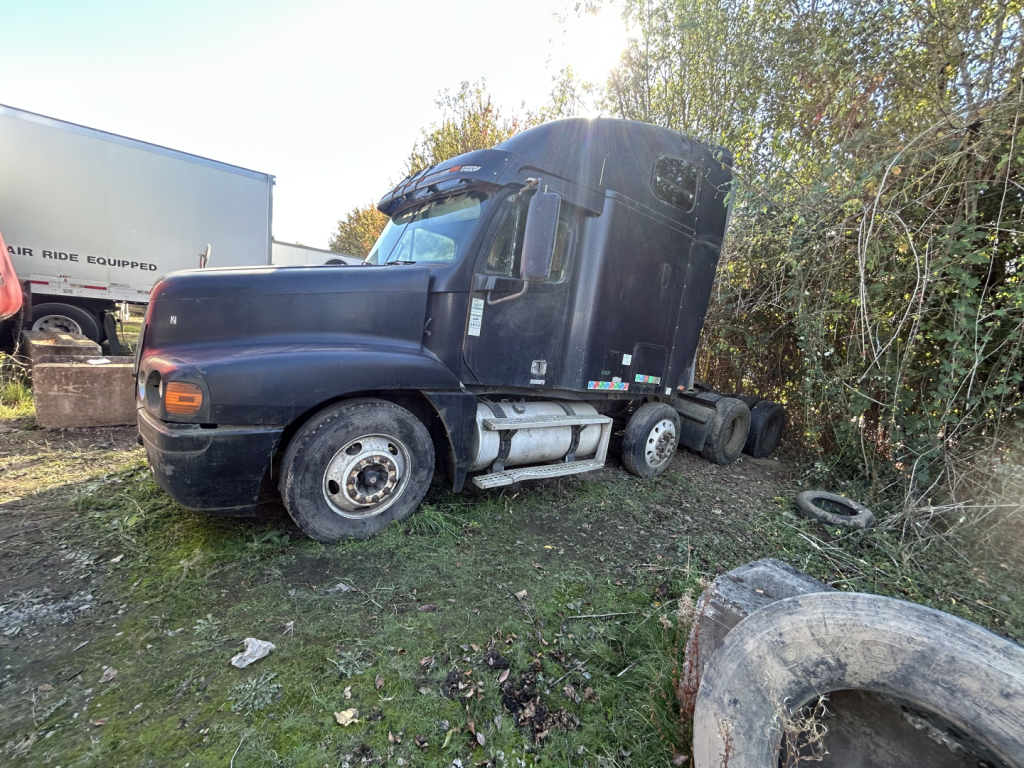
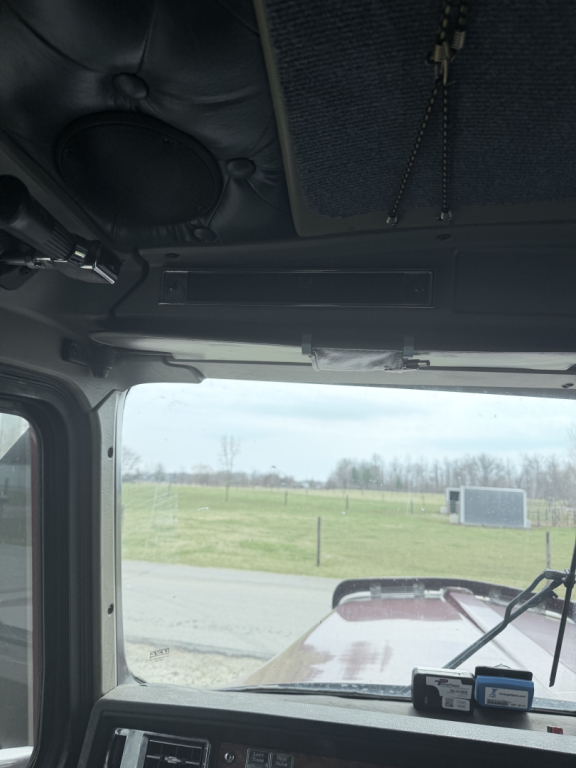

Selling a 1999 conventional sleeper truck? List your 1999 conventional sleeper truck for sale and reach thousands of commercial buyers.
1999 Conventional Sleeper Trucks
On a 1999 conventional sleeper, the core spec usually starts with a tandem axle 6x4 drivetrain, a raised-roof or mid-roof sleeper, and a wheelbase chosen around trailer type and weight distribution. Common engines from this period include Detroit Series 60, Cummins N14 or early ISX variants, and Caterpillar options in some makes, often paired with 10-speed, 13-speed, or 18-speed manual transmissions. Rear axle ratios in the low 3s to low 4s are common depending on intended highway speed and load profile. A buyer should pay close attention to horsepower and torque ratings, suspension type, front axle capacity, and fifth wheel setup, especially if the truck will pull different trailer lengths or operate in regions with bridge law and axle spacing concerns.
Because a 1999 truck is now a true older-unit purchase, condition matters more than original brochure specs. Frame integrity, engine overhaul history, transmission and clutch condition, differential noise, suspension wear, wiring repairs, air system leaks, and sleeper HVAC performance all deserve a close look. Cab and sleeper construction from this era can still hold up well, but corrosion around cab mounts, battery boxes, and crossmembers is common in northern service. Buyers should also verify sleeper berth size, bunk layout, storage, fuel capacity, and whether the truck has useful updates such as an APU, replacement seats, modern radio wiring, or converted lighting. If the truck will run long miles, the best value often comes from a well-documented drivetrain and a clean, straight chassis rather than a flashy interior.
For the right operation, a 1999 conventional sleeper can still be a practical tractor for farm support, hotshot step-up work, regional flatbed, equipment hauling, or lower-mileage over-the-road use where mechanical simplicity is a plus. The tradeoff is that age brings more maintenance planning, and some fleets or shippers may have model year restrictions. Buyers comparing listings should think in terms of total operating fit: engine parts support, transmission familiarity in the shop, sleeper comfort for the route, legal axle setup, and how easily the truck can be kept productive. A correctly spec'd 1999 sleeper tractor still offers the long wheelbase stability, service access, and driver space that made conventional sleepers a standard choice for linehaul work.
Frequently Asked Questions about 1999 Conventional Sleeper Trucks
What should I look for first on a 1999 conventional sleeper truck?
Start with the drivetrain and the paperwork. Engine model, transmission type, rear axle ratio, mileage, rebuild history, and maintenance records tell you more than appearance alone. After that, inspect the frame, suspension, air system, brakes, tires, and sleeper components. On a 1999 truck, deferred maintenance can outweigh purchase price very quickly, so service history and current mechanical condition are the key value drivers.
Are 1999 conventional sleeper trucks good for over-the-road use?
They can be, but only if the truck matches the lane and maintenance plan. A well-kept 1999 sleeper tractor can handle regional and long-distance work, especially for owner-operators or smaller fleets that value a simpler mechanical platform. The main limitations are age-related wear, fuel economy compared with newer tractors, and possible customer or regulatory restrictions tied to older model years. For occasional OTR use or specialized hauling, they can still be a workable choice.
What engines are commonly found in 1999 conventional sleeper trucks?
Many 1999 conventional sleepers were spec'd with engines such as the Detroit Series 60, Cummins N14, and some early Cummins ISX or Caterpillar platforms depending on make and original order. The best engine choice depends on parts support in your area, technician familiarity, and the truck's documented maintenance history. Buyers should verify the exact engine serial information and check for overhaul records, oil leaks, blow-by, cooling system condition, and any signs of hard starting or weak power delivery.
How important are wheelbase and axle ratio on a sleeper tractor from this year?
They are very important because they directly affect drivability, bridge compliance, turning radius, and highway efficiency. A longer wheelbase can improve ride quality and trailer clearance with certain sleeper and fairing setups, but it may be less maneuverable in tight yards. Rear axle ratio determines how the truck performs at cruise speed and under load. A poor match between transmission, tire size, and axle ratio can make an older truck feel underpowered or inefficient.
Is a 1999 conventional sleeper easier to work on than a newer truck?
In many cases, yes. Trucks from this era generally have fewer electronic systems and less emissions complexity than later models, which can simplify diagnostics and repairs. That said, age creates its own challenges. Wiring may have been repaired multiple times, parts may vary by engine family, and previous owner modifications can complicate troubleshooting. The easiest truck to own is usually the one with a common drivetrain, available parts, and a clear maintenance history.