
1999 Cab and Chassis Trucks For Sale
Shop 1999 cab and chassis trucks for body-ready vocational applications, including flatbeds, dumps, service trucks, and utility upfits.
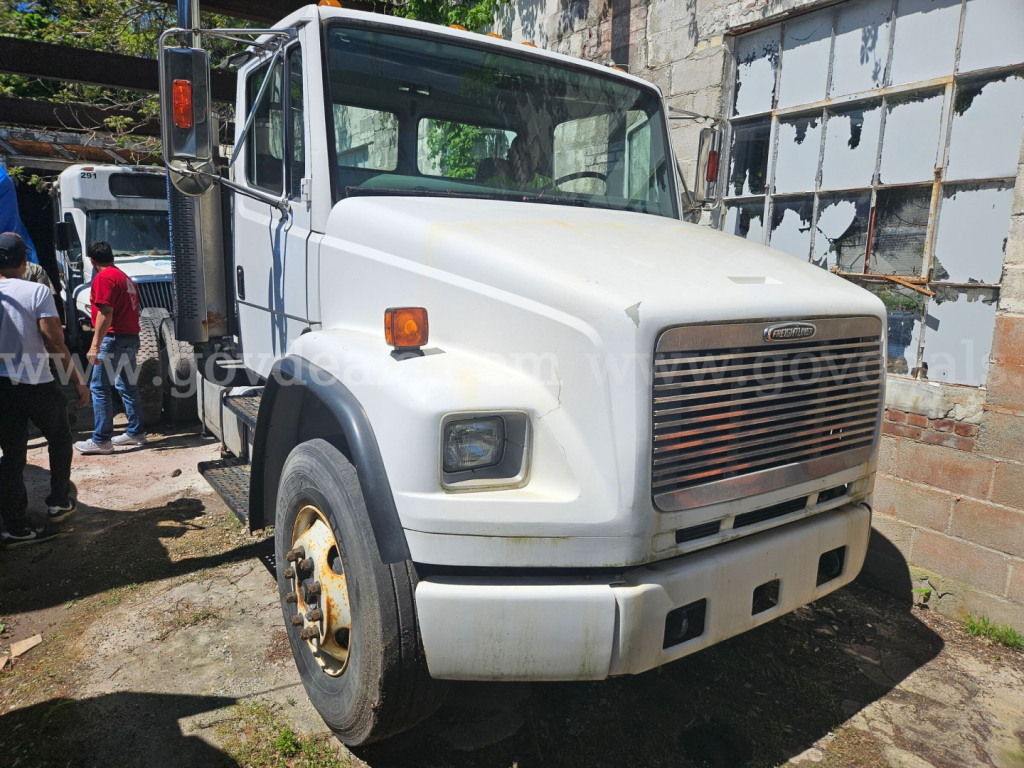
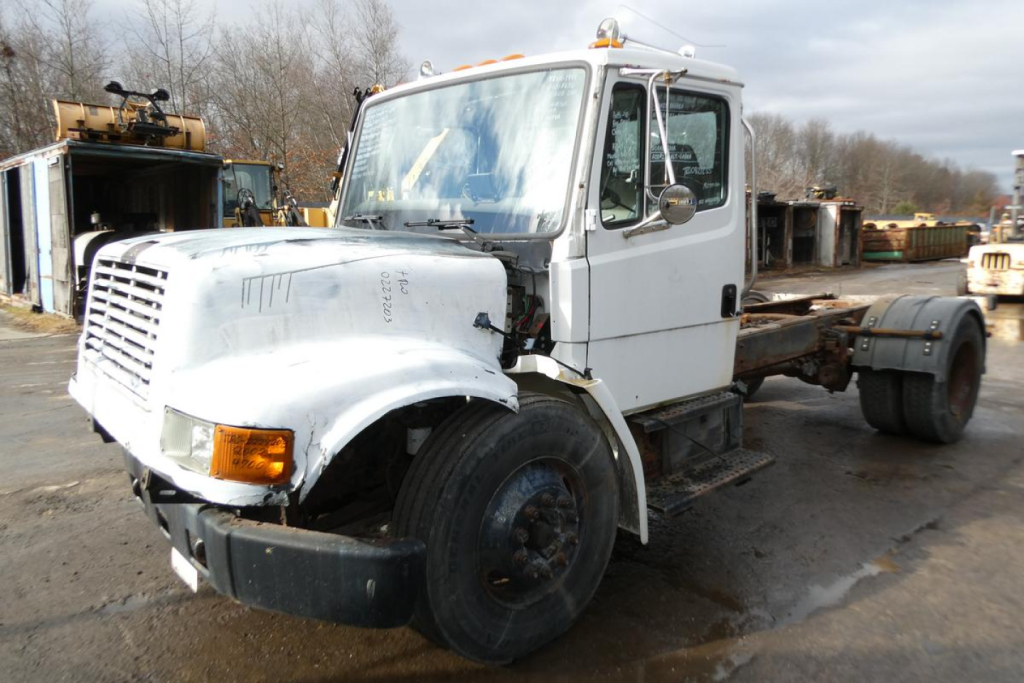
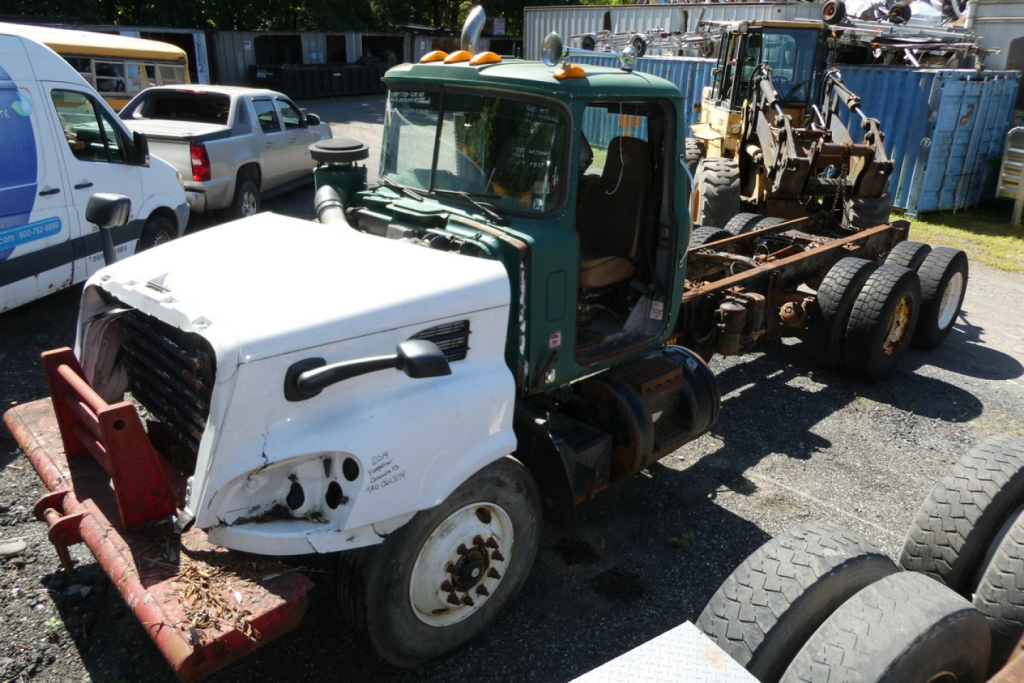
Have 1999 cab and chassis truck to sell? List it here to reach thousands of buyers.
1999 Cab and Chassis Trucks
On 1999 models, the first buying decision is usually truck class and intended body. Medium-duty cab and chassis trucks from that era were commonly spec'd for municipal work, landscaping, delivery, utility fleets, and light construction, while heavier tandem and severe-service chassis were often used for dumps, hooklifts, tanks, and equipment support. Buyers should pay close attention to GVWR, front and rear axle ratings, frame section or double-frame construction, cab-to-axle measurement, and wheelbase. Cab-to-axle and frame overhang determine what body lengths will fit cleanly, and they matter as much as engine choice when planning an upfit.
Powertrain specs on a 1999 cab and chassis truck vary widely by class. Typical diesel engines from the period include proven platforms from Caterpillar, Cummins, Detroit Diesel, International, and Mack, depending on make and application. Automatic and manual transmissions are both common, and PTO compatibility is especially important if the truck will run a dump hoist, hydraulic pump, compressor, crane, or other auxiliary equipment. Air brakes are common on heavier chassis, while hydraulic brakes are more typical on lighter units. Suspension type also affects how the truck performs once outfitted. Spring suspension generally favors durability and load support, while air suspension can improve ride quality for certain body applications.
Condition matters more than model year alone on a 1999 chassis cab. A buyer should inspect frame integrity, corrosion, previous body removal work, wiring quality, PTO operation, brake system condition, suspension wear, and tire age before evaluating cosmetic appearance. If the truck previously carried a body, look for drilled frame rails, altered crossmembers, and any signs the frame was stretched, shortened, or repaired. Older cab and chassis trucks can still be a cost-effective option when the specs are right and the platform is sound, especially for buyers who already have a body to install or need an economical base for a vocational build.
Frequently Asked Questions about 1999 Cab and Chassis Trucks
What is a cab and chassis truck used for?
A cab and chassis truck is used as a body-ready platform for vocational upfits. Common applications include flatbeds, stake beds, dump bodies, utility bodies, service trucks, box bodies, wreckers, and tank installations. The bare rear frame allows the buyer to configure the truck for a specific operation rather than buying a finished body that may not match the job.
What should I check first on a 1999 cab and chassis truck?
Start with GVWR, axle ratings, cab-to-axle measurement, wheelbase, and frame condition. Those specs determine what body can be installed and how much payload the truck can legally and safely support. After that, inspect engine and transmission condition, PTO provisions, brake type, suspension, and any evidence of frame modification, corrosion, or poor-quality previous upfit work.
Why is cab-to-axle measurement important on a chassis cab?
Cab-to-axle measurement is one of the most important dimensions on a chassis cab because it determines proper body fit. A body that is too long or too short for the cab-to-axle can create clearance issues, poor weight distribution, and mounting problems. Buyers planning a flatbed, dump, or service body should confirm body manufacturer recommendations before selecting a chassis.
Are 1999 cab and chassis trucks good for dump or flatbed conversions?
They can be, if the truck has the right frame, axle capacity, suspension, and PTO setup. A dump conversion usually needs heavier rear axle ratings, suitable hoist mounting space, and compatible hydraulic provisions. A flatbed conversion is often more straightforward, but proper frame length, crossmember condition, and weight distribution still matter. The best candidate is a truck whose original chassis specs already align with the intended body.
Is engine type or frame spec more important on an older chassis cab?
Both matter, but frame and chassis spec often decide whether the truck will actually work for the intended upfit. A strong engine does not compensate for the wrong wheelbase, inadequate axle ratings, or a compromised frame. On an older 1999 unit, buyers often get better results by prioritizing correct chassis dimensions, structural condition, and body compatibility first, then evaluating engine and transmission condition within that narrower group.