
1999 International Trucks For Sale
Shop 1999 International trucks for sale, including medium-duty, vocational, and highway models with DT466, T444E, and mechanical-era durability.
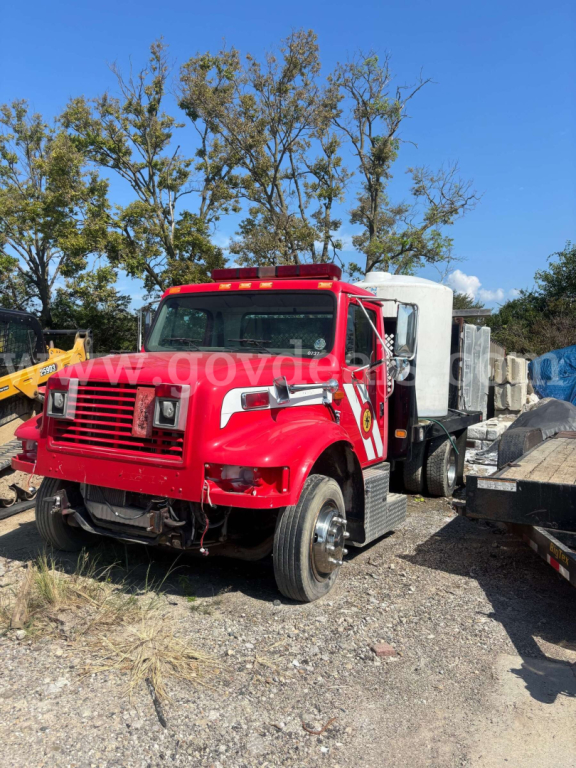
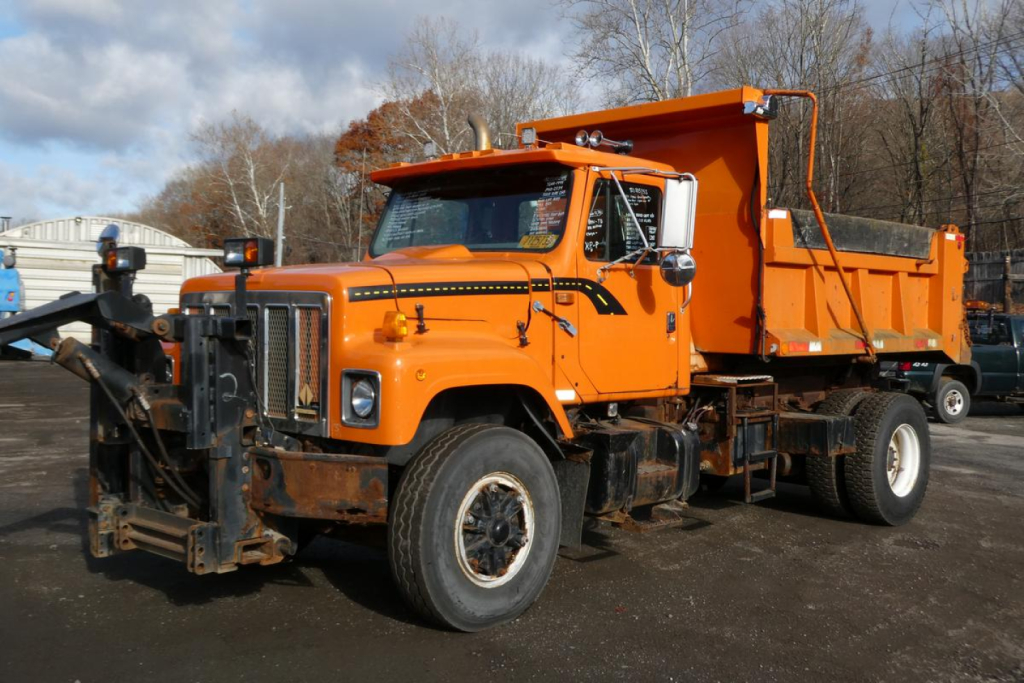
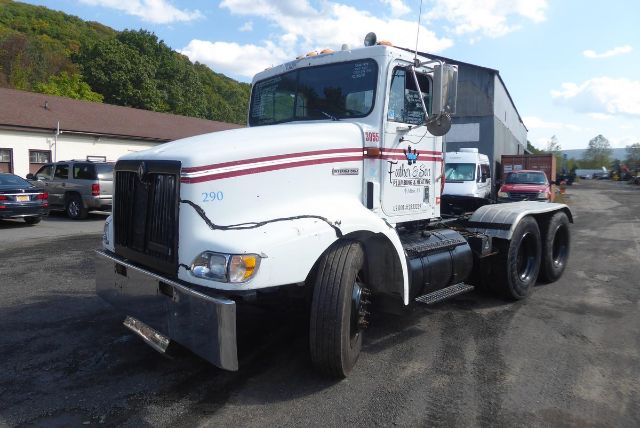
Have 1999 international truck to sell? List it here to reach thousands of buyers.
1999 International Trucks
The biggest value driver on a 1999 International truck is the powertrain. In medium-duty models, the DT466 and T444E are the engines most buyers look for, with the DT466 especially well known for longevity, wet-sleeve serviceability, and broad parts support. Heavier trucks from this era may carry Cummins or Caterpillar power, depending on original spec. Transmissions commonly include Fuller manuals and Allison automatics, and that choice still matters today based on route type, driver pool, and PTO needs. On a truck of this age, documented engine work, injector and turbo history, cooling system condition, clutch life, transmission operation, and rear axle ratio are often more important than odometer reading alone.
Frame condition and original vocation should be evaluated just as closely as the engine. Many 1999 International trucks spent their lives in utility, municipality, construction, or farm service, so buyers should inspect for corrosion, frame modifications, crossmember repairs, hoist mounting holes, and any signs of hard PTO use. Cab mounts, spring hangers, steering components, brake system condition, and electrical repairs are all worth checking carefully. On cab and chassis units, confirm wheelbase, axle ratings, and back-of-cab to axle dimensions before planning a body install. On road tractors, look at fifth wheel setup, suspension type, wheelbase, and whether the spec fits regional, local, or farm-to-market use.
A well-kept 1999 International truck can still be a cost-effective platform for operators who want lower acquisition cost and straightforward serviceability. Parts availability remains good for many International models from this period, but emissions-era expectations should not be applied to them. These trucks are typically purchased for durability, simpler systems, and job-specific usefulness rather than modern cab amenities. For many buyers, the right unit is the one with the cleanest frame, the best maintenance history, the correct axle and transmission spec, and a prior application that matches the work it will do next.
Frequently Asked Questions about 1999 International Trucks
What are the most common 1999 International truck models buyers search for?
Common 1999 International truck models include the 4700 and 4900 medium-duty platforms, along with heavier 8100, 8200, 9200, 9400, and 9900 conventional trucks. The 4700 and 4900 are especially common in box truck, flatbed, dump, utility, and rollback applications. The 9000-series trucks are more often found as day cabs or sleepers for regional and highway work. Exact model demand depends on whether the buyer needs a vocational chassis or a road tractor.
Is the DT466 a good engine in a 1999 International truck?
The DT466 is widely regarded as one of the strongest reasons to buy a 1999 International medium-duty truck. It is known for durability, strong low-end torque, and a wet-sleeve design that supports rebuildability. That said, condition still matters more than reputation alone. Buyers should review service records and inspect for blow-by, cooling system issues, fuel system repairs, and evidence of proper maintenance rather than assuming every DT466-powered truck is automatically a good buy.
What should I inspect first on a 1999 International truck?
Start with the frame, engine, transmission, brakes, suspension, and electrical system. On older vocational trucks, frame rust, patched wiring, hydraulic wear, and steering play can turn an affordable truck into a costly project. If the truck is a cab and chassis, confirm the wheelbase, GVWR, and axle ratings match the body or equipment you plan to install. If it is a tractor, review the fifth wheel setup, rear ratio, and suspension spec to make sure it fits the intended trailer and route profile.
Are 1999 International trucks good for commercial use today?
They can still be a solid fit for commercial use when the application is right and the truck has been maintained properly. Many buyers use them for farm service, municipal work, local hauling, contractor fleets, and seasonal operations where lower upfront cost matters more than late-model features. The best candidates are trucks with strong maintenance history, limited corrosion, and specs that match the current job. They are generally not chosen for buyers who need the comfort, emissions systems, or financing profile of a much newer truck.
What transmission types are common in 1999 International trucks?
Manual Fuller transmissions and Allison automatics are both common in 1999 International trucks, depending on the original application. Manual transmissions are common in heavier vocational and highway specs where gear selection and durability are priorities. Allison automatics are often preferred in municipal, utility, delivery, and stop-and-go applications because they simplify operation and work well with PTO-driven equipment. The right choice depends on driver preference, terrain, duty cycle, and body equipment requirements.