
New Utility Trailers For Sale in Colorado
Shop new Utility trailers for sale in Colorado, including reefer, flatbed, and drop deck models with modern specs for regional and long-haul work.
Learn more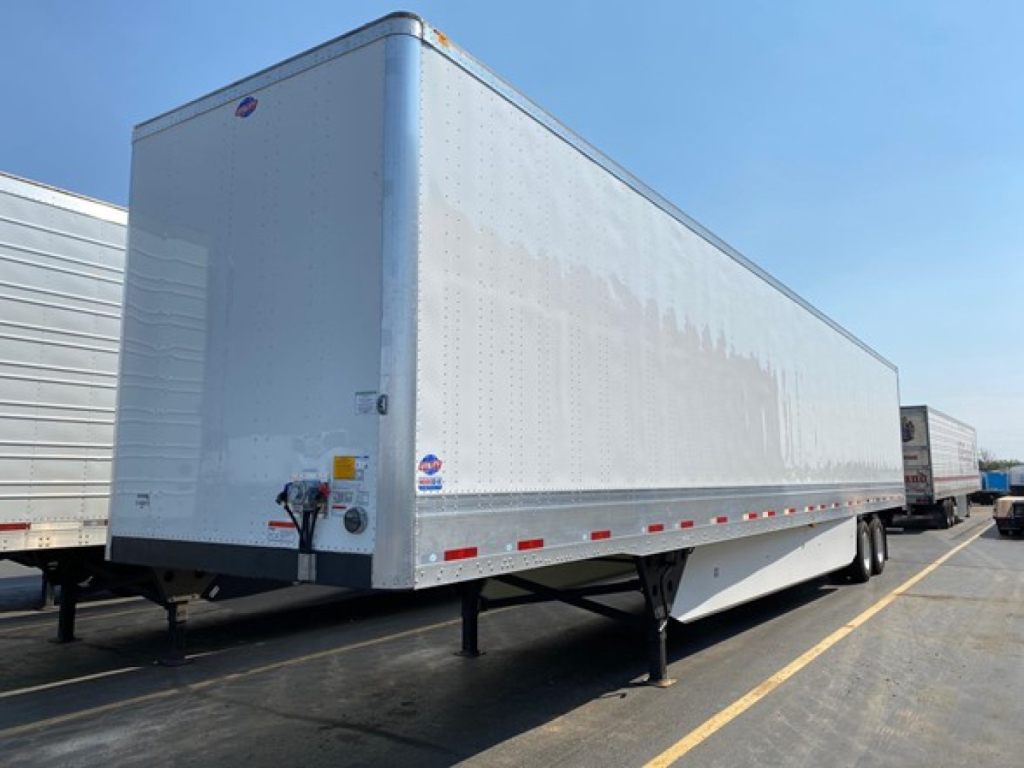
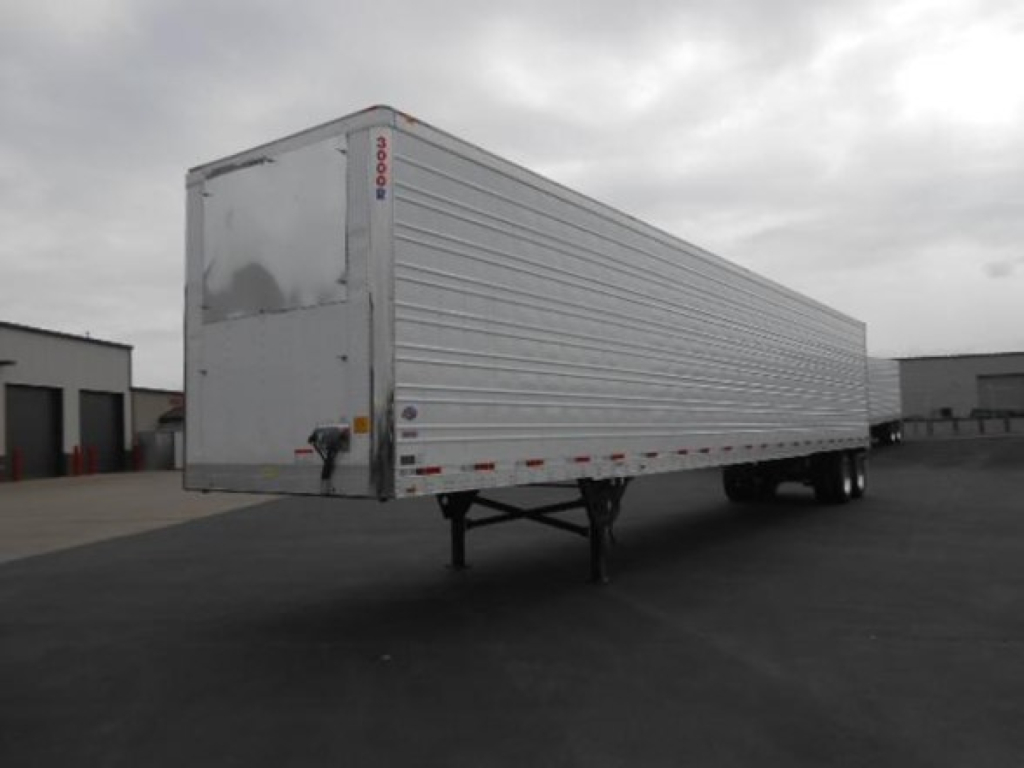
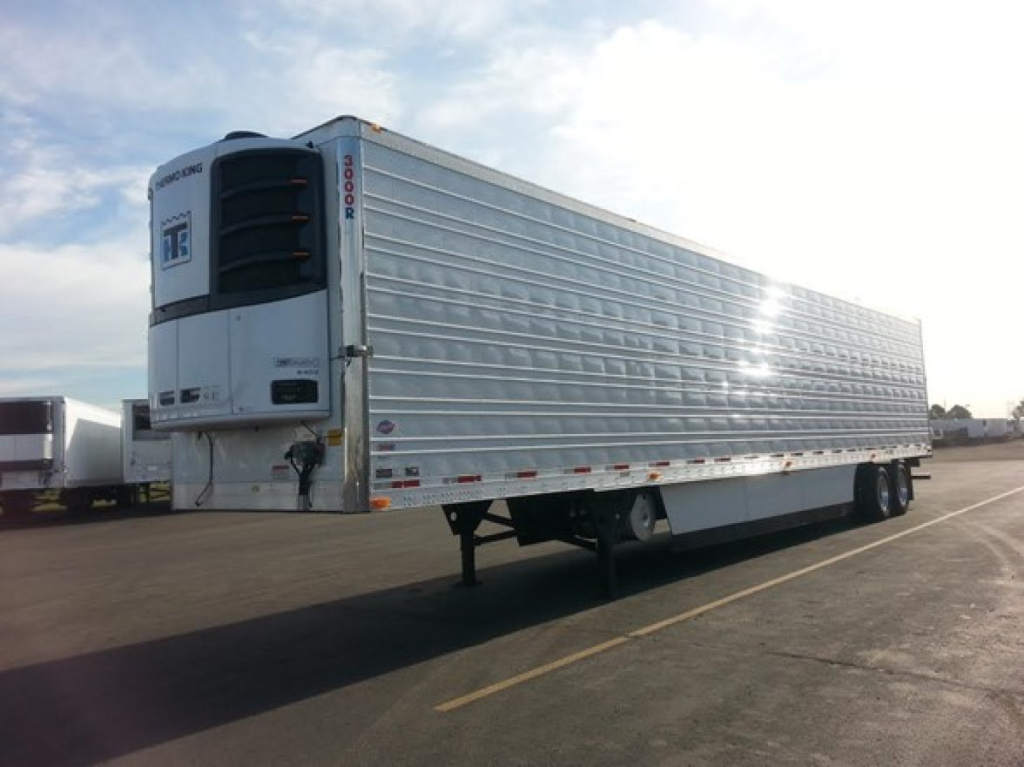
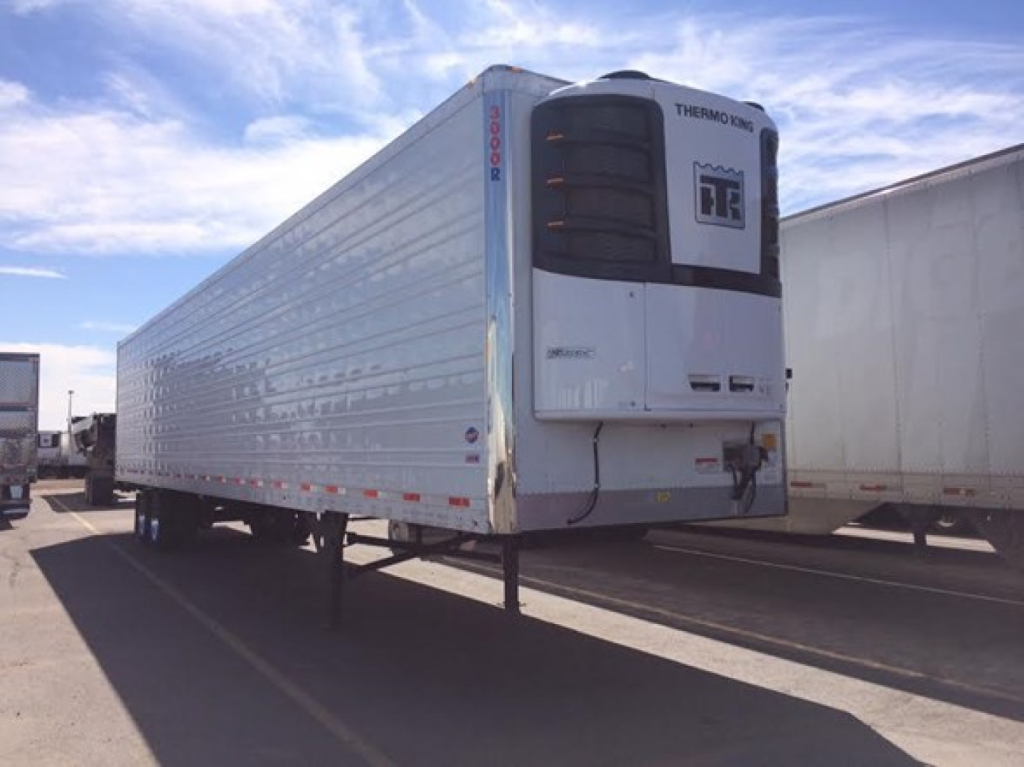
Showing 13 to 23 of 23 results
Have new utility trailer to sell? List it here to reach thousands of buyers.
About New Utility Trailers in Colorado
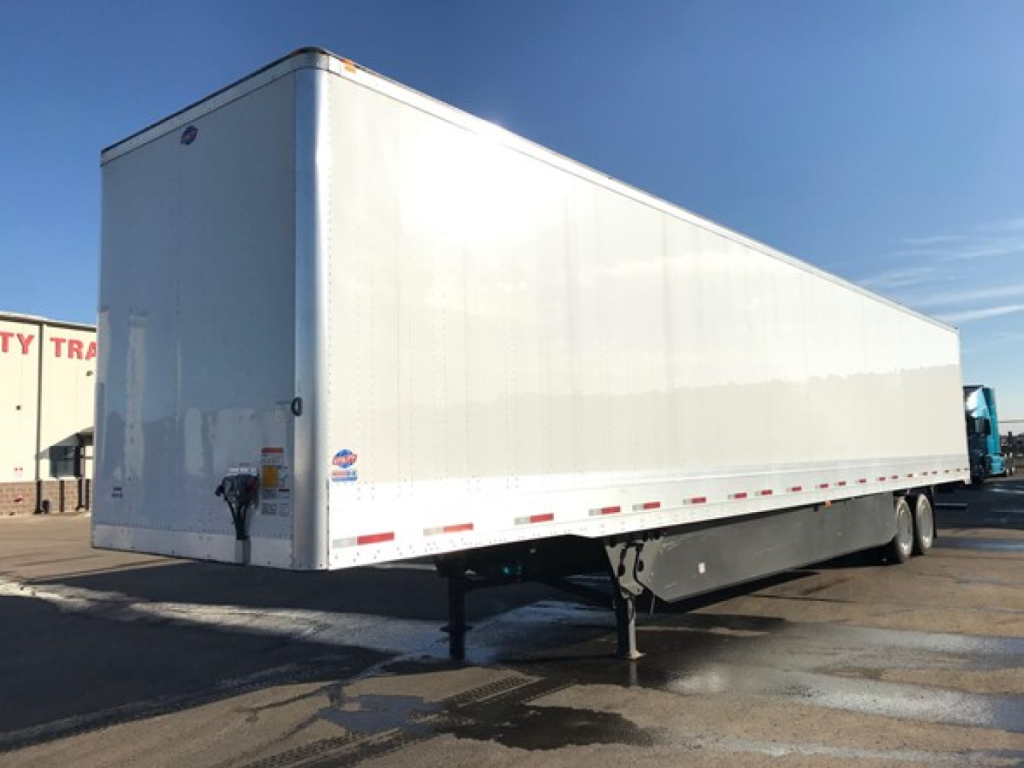
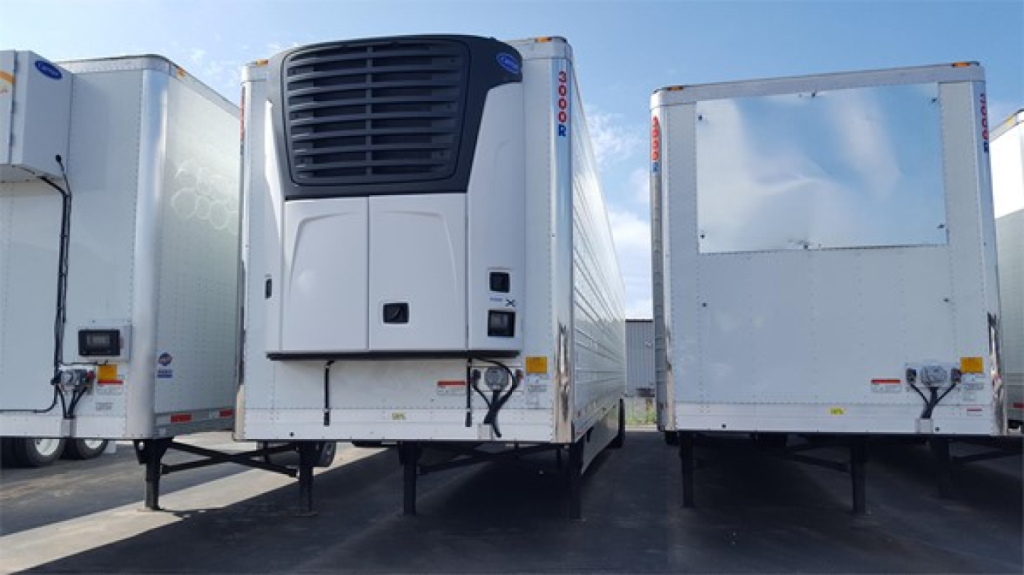
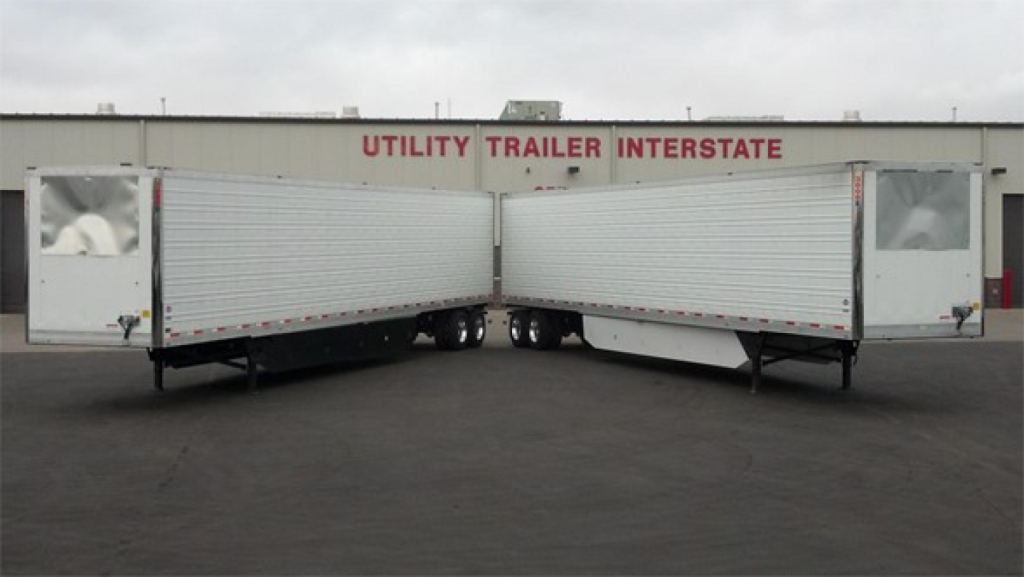
On refrigerated models such as the Utility 3000R series, buyers typically compare refrigeration unit brand, California compliance, floor construction, brake package, and aero equipment. Common specs include 53-foot by 102-inch dimensions, corrugated side panels, aluminum duct floors, rear vents, wearbands, swing doors, and air ride suspensions with air pin sliders. Tire inflation systems, side skirts, aerodynamic tails, anti-dock-walk protection, and aluminum wheel packages are common on newer reefer builds aimed at lowering operating cost and improving uptime. In Colorado service, a reefer spec also needs to account for altitude, seasonal temperature swings, and dock operations, so TRU performance, shore power capability, and single-temp versus multi-temp setup deserve close attention.
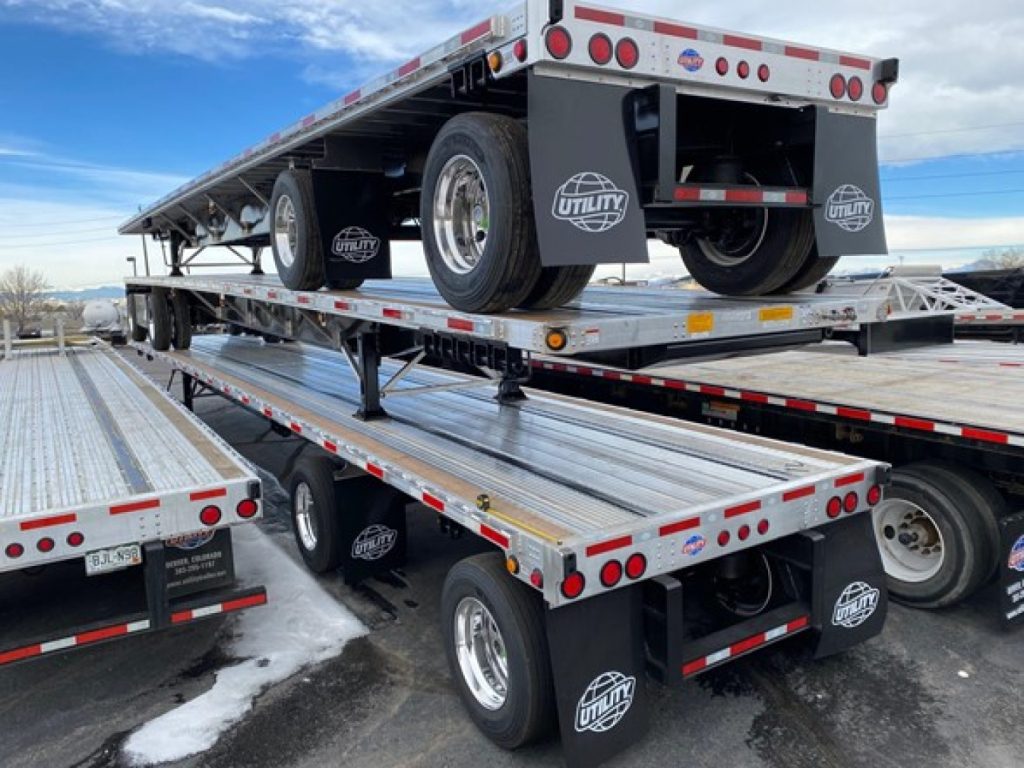
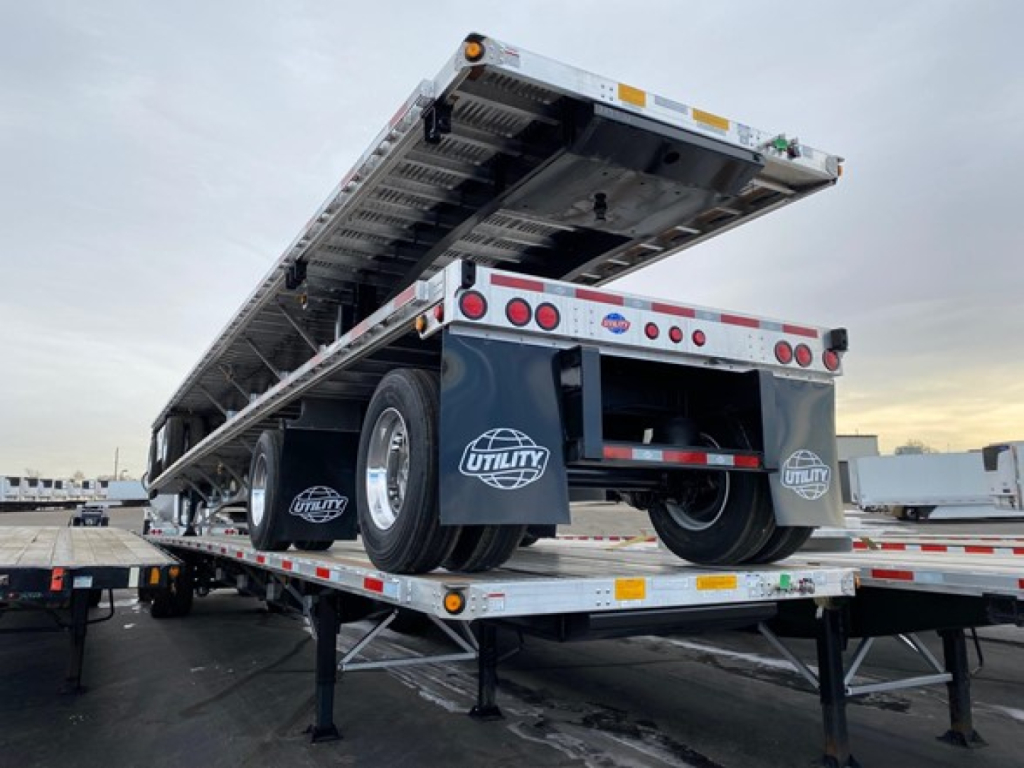
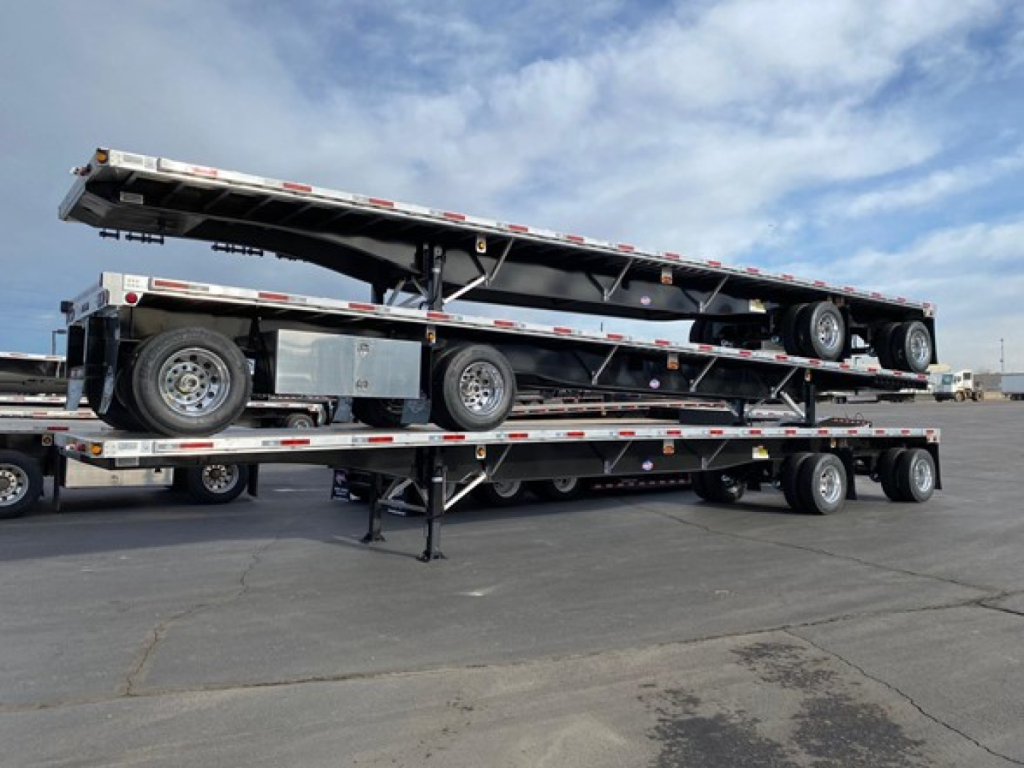
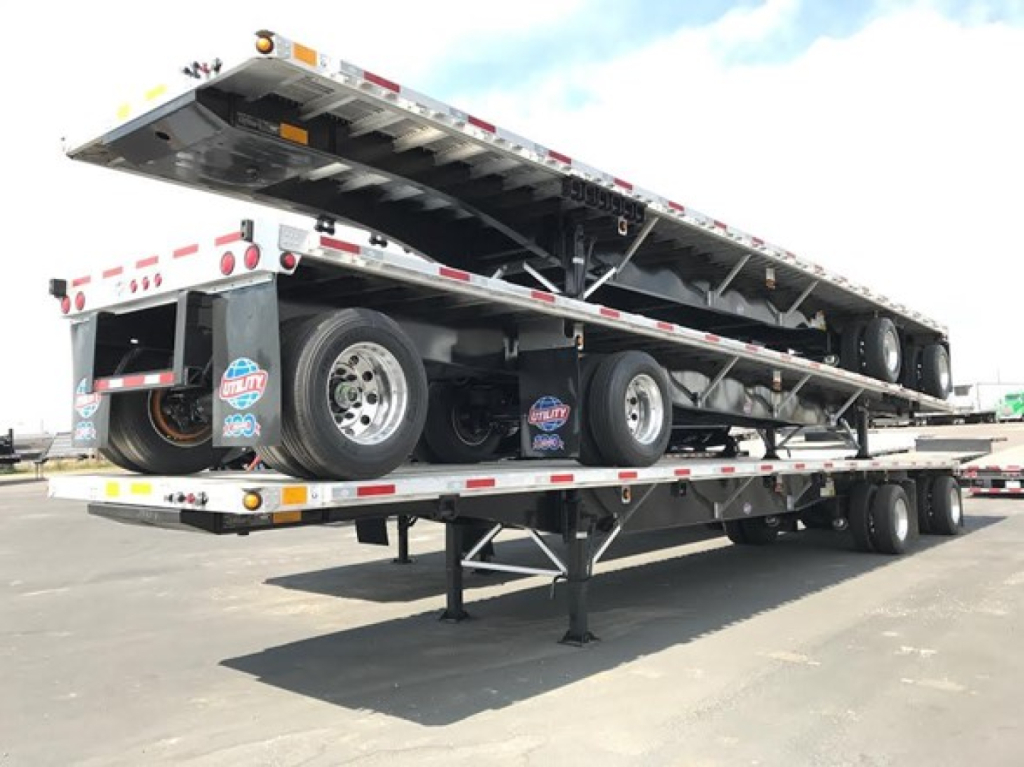
Utility flatbed and drop deck trailers are typically chosen around deck configuration, weight rating, and securement layout. A steel or combo drop deck can give you the lower loaded deck height needed for taller freight, while a standard flatbed remains a simple, durable platform for general commodity work. Common features include steel main beams, aluminum crossmembers on combo builds, wood decking, stake pockets, pipe spools, sliding winches, coil packages, tandem axles, and slider suspensions. For buyers hauling in and out of the Front Range or into neighboring states, axle spread and kingpin setting matter if bridge law, California legality, or customer dock and yard constraints are part of the job.
A new Utility trailer appeals to fleets and owner-operators looking for current safety spec, cleaner maintenance history, and configuration choices that match the freight rather than adapting around a used unit. Focus on the details that affect revenue and downtime: reefer unit support network, brake type, suspension brand, tire size, wheel material, rear frame construction, floor wear protection, and how the axle setup fits your lanes. Utility has long been a familiar name in van and reefer fleets, and its open-deck offerings are straightforward work trailers when spec'd correctly for cargo height, securement needs, and legal weight distribution.
Frequently Asked Questions
What types of new Utility trailers are most common in Colorado?
The most common new Utility trailers in Colorado are refrigerated trailers, flatbeds, and drop deck trailers. Refrigerated models are heavily used in food, beverage, and temperature-controlled distribution, while flatbeds and drop decks serve construction materials, equipment, steel, and general open-deck freight. The right choice usually comes down to freight type, route profile, loading method, and any state or customer-specific weight and dimension requirements.
What should I look for when buying a new Utility reefer trailer?
Key reefer considerations include the refrigeration unit brand and service support, single-temp or multi-temp configuration, California compliance, floor type, suspension, brake package, and aerodynamic equipment. Buyers should also review features such as tire inflation systems, anti-dock-walk protection, rear vents, swing door construction, and wearbands. If the trailer will run mountain grades or long western lanes, fuel efficiency, TRU performance at altitude, and dockside electric capability can all affect operating cost.
What is the advantage of a Utility drop deck compared with a flatbed?
A Utility drop deck trailer offers a lower deck height than a standard flatbed, which helps accommodate taller freight while staying within legal height limits. That makes it useful for machinery, crated equipment, and certain construction loads that would sit too high on a flatbed. A flatbed is still the simpler choice for many general freight applications, but a drop deck creates more flexibility when cargo dimensions are the limiting factor.
Why do axle configuration and kingpin settings matter on a new trailer?
Axle configuration and kingpin settings directly affect legal weight distribution, bridge law compliance, turning radius, and compatibility with the tractor and the freight you haul. Sliding tandems, sliding spread axles, and California-legal layouts can make a major difference depending on the states you run and the shippers you serve. Buyers should match axle placement and slider travel to expected lane patterns, customer yards, and any weight-sensitive freight.
Are disc brakes and tire inflation systems worth considering on a new Utility trailer?
For many operations, yes. Disc brakes can improve stopping performance, reduce brake fade, and simplify certain maintenance intervals compared with traditional drum setups. Automatic tire inflation systems help maintain proper PSI, which supports tire life, fuel economy, and roadside reliability. On high-mileage reefer or regional trailers, both options can contribute to lower total operating cost and better uptime.