
New Utility Van Trailers For Sale in Colorado
New Utility dry van trailers for sale in Colorado. Compare 53-foot van specs, air ride, side skirts, flooring, logistics posts, and trailer options.
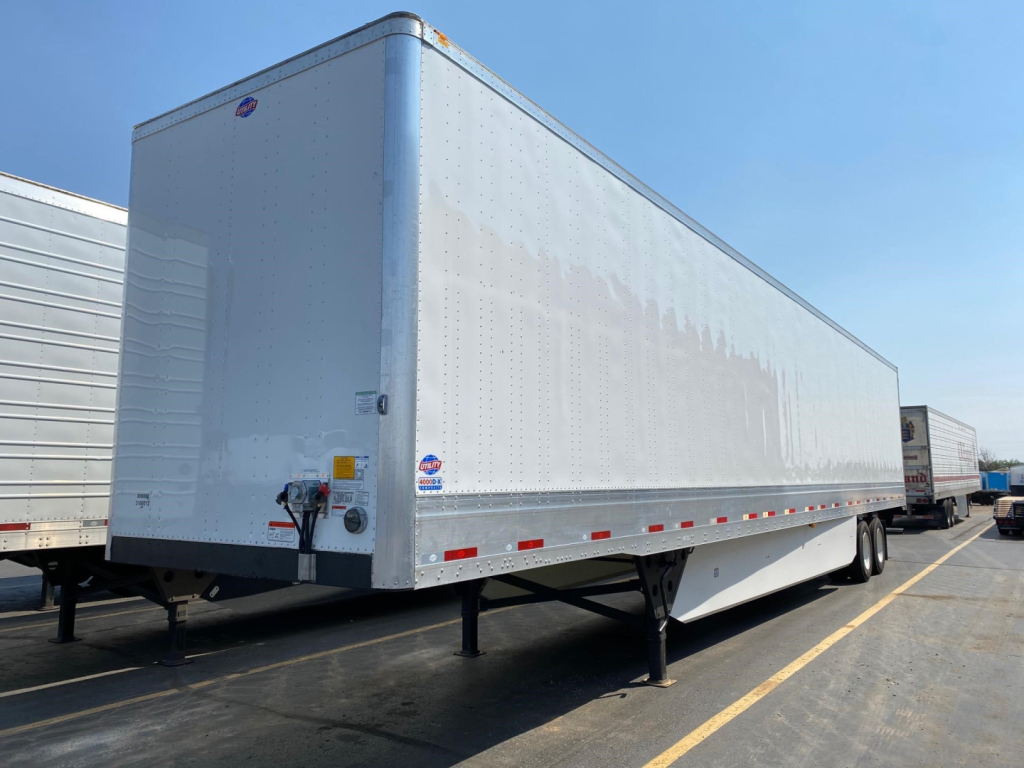
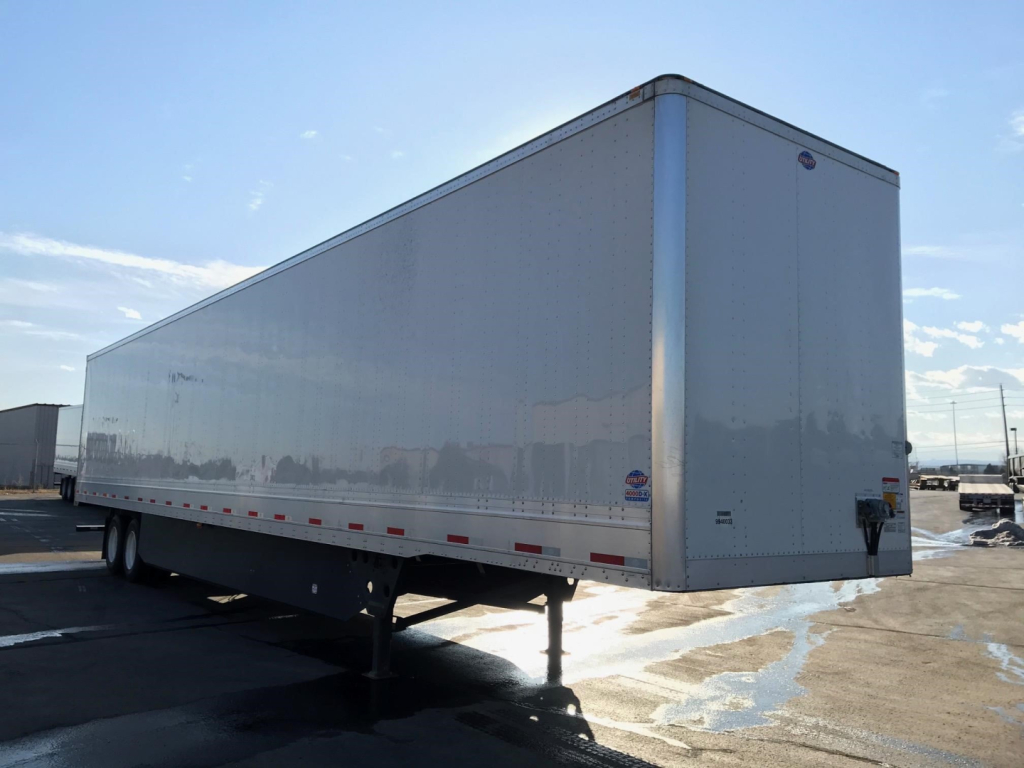
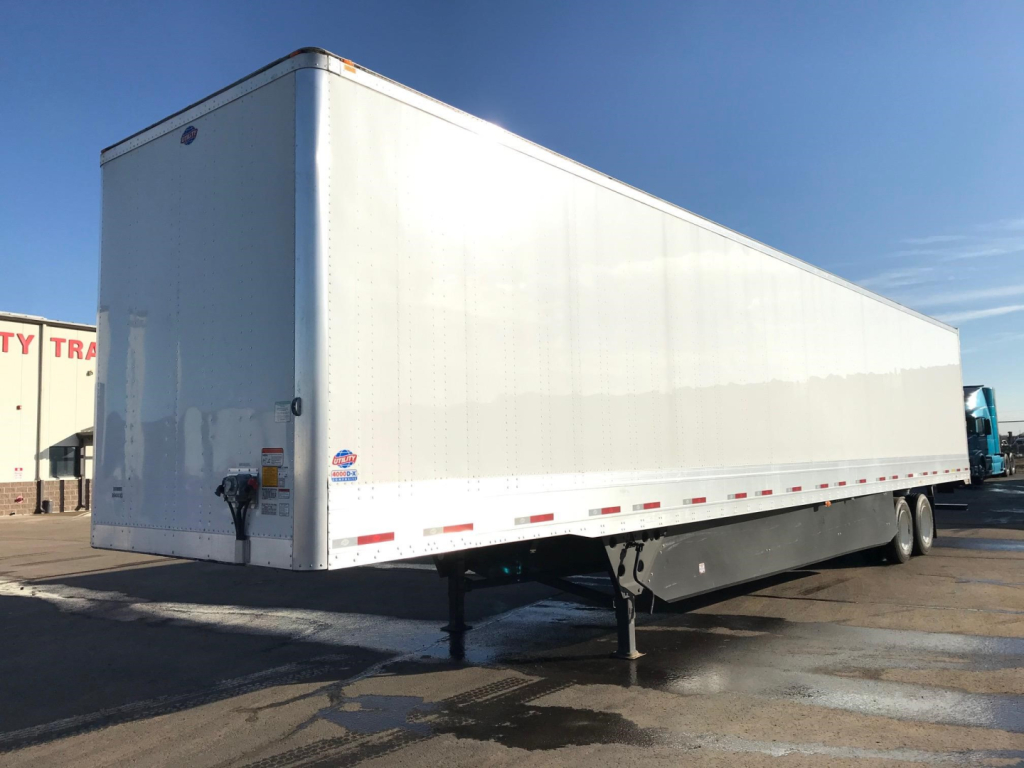
Have new utility van trailer to sell? List it here to reach thousands of buyers.
New Utility Van Trailers in Colorado
A lot of the buying decision comes down to floor, suspension, and trailer body spec. Wood floors with multiple fasteners per board remain popular because they handle forklift traffic well and are familiar to most maintenance shops. Tall bottom rail and wearband specs help protect the lower sidewall area from repeated loading damage. Air ride suspensions, including Hendrickson slider setups, are favored for ride quality and load protection, while slider tandems give carriers flexibility on bridge law compliance and axle weight distribution. Tire inflation systems are also common on newer dry vans because they reduce irregular tire wear, support fuel economy, and help keep trailers moving with fewer roadside interruptions.
For Colorado operations, dry van buyers should pay attention to weight, aerodynamics, and year-round durability. Side skirts can help fuel efficiency on long interstate runs, especially for fleets moving freight across I-25, I-70, and into surrounding states. Low-profile 22.5 tires, steel or aluminum wheel choices, LED lighting, anti-dock-walk features, and heavy-duty threshold plates all affect operating cost and uptime. Snow, elevation changes, and mixed urban-to-mountain routes make trailer stability, brake performance, and landing gear durability more important than they might be in flatter regions.
Utility dry vans are also known simply as van trailers or dry van trailers. The strongest specs for this category usually balance empty weight with repairability and long-term resale value. Buyers comparing listings should look closely at wall construction, roof material, crossmember design, rear frame reinforcement, door hardware, dock bumpers, and kingpin setting, especially if the trailer will rotate through multiple tractors or distribution accounts. A well-spec'd new Utility van trailer should be easy to load, easy to maintain, and versatile enough to handle a wide range of freight without locking the operation into a narrow application.
Frequently Asked Questions about New Utility Van Trailers in Colorado
What are the most common specs on a new Utility dry van trailer?
The most common configuration is a 53-foot by 102-inch dry van with swing doors, tandem slider suspension, aluminum roof, composite wall panels, and a hardwood floor designed for repeated forklift loading. Many buyers also look for logistics posts on close centers, side skirts, LED lighting, dock bumpers, and a heavy-duty rear threshold plate. These features support general freight use, improve dock durability, and keep the trailer compatible with a wide range of shippers and warehouse operations.
Is air ride worth it on a new van trailer?
Air ride is a strong choice for most dry van applications because it improves ride quality and helps protect freight from road shock. That matters for retail goods, packaged products, electronics, and palletized freight that can shift or get damaged on rough roads. Air ride systems also tend to be preferred by fleets running longer lanes or more customer-sensitive freight, although buyers should still compare maintenance practices, bushing wear, and slider design when evaluating the full suspension spec.
Why do buyers pay attention to floor construction on a dry van trailer?
Floor construction affects trailer life, forklift durability, and repair cost. A wood floor with multiple screws per board is still widely used because it handles concentrated forklift traffic well and can be repaired in sections when needed. The right floor spec depends on freight type, pallet weight, and loading frequency, but buyers should always consider crossmember spacing, threshold reinforcement, and how the floor will hold up under repeated dock and warehouse use.
What features help a new Utility van trailer perform better in Colorado?
Colorado buyers often focus on aerodynamic equipment, tire systems, lighting, and durable running gear because routes can include mountain grades, winter weather, and long interstate miles. Side skirts can help fuel economy, while tire inflation systems help maintain proper pressure through temperature swings and long-haul use. LED lights, anti-dock-walk features, and strong suspension and brake components also matter more in regions where trailers see a mix of city deliveries, high-speed corridor travel, and changing road conditions.
How do I compare new dry van trailers beyond price?
Price is only one part of the decision. Buyers should compare empty weight, suspension type, slider design, floor spec, wall construction, roof material, tire and wheel package, rear frame reinforcement, and cargo control layout. It is also smart to look at serviceability, parts support, and resale strength, because a trailer with the right spec for your lanes and freight can lower maintenance cost and stay productive longer than a cheaper trailer built to a lighter or less practical standard.