
New Utility Reefer Trailers For Sale in Colorado
Shop new Utility reefer trailers for sale in Colorado. Compare 53-foot 3000R specs, TRU options, axle layouts, floors, and operating features.
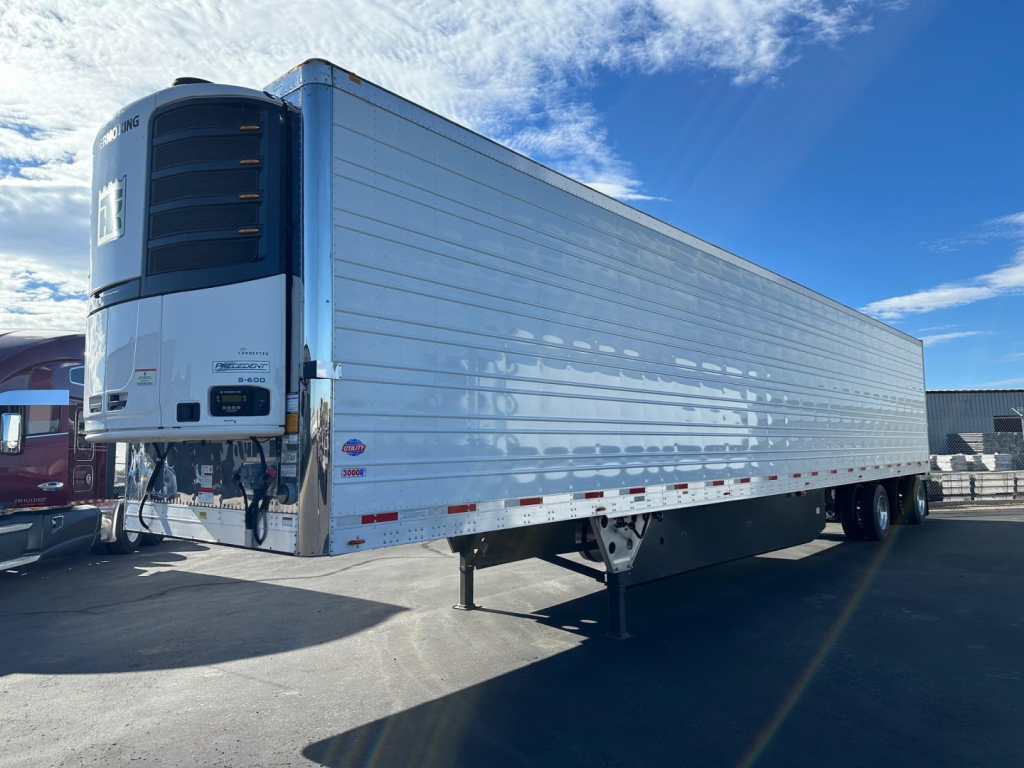
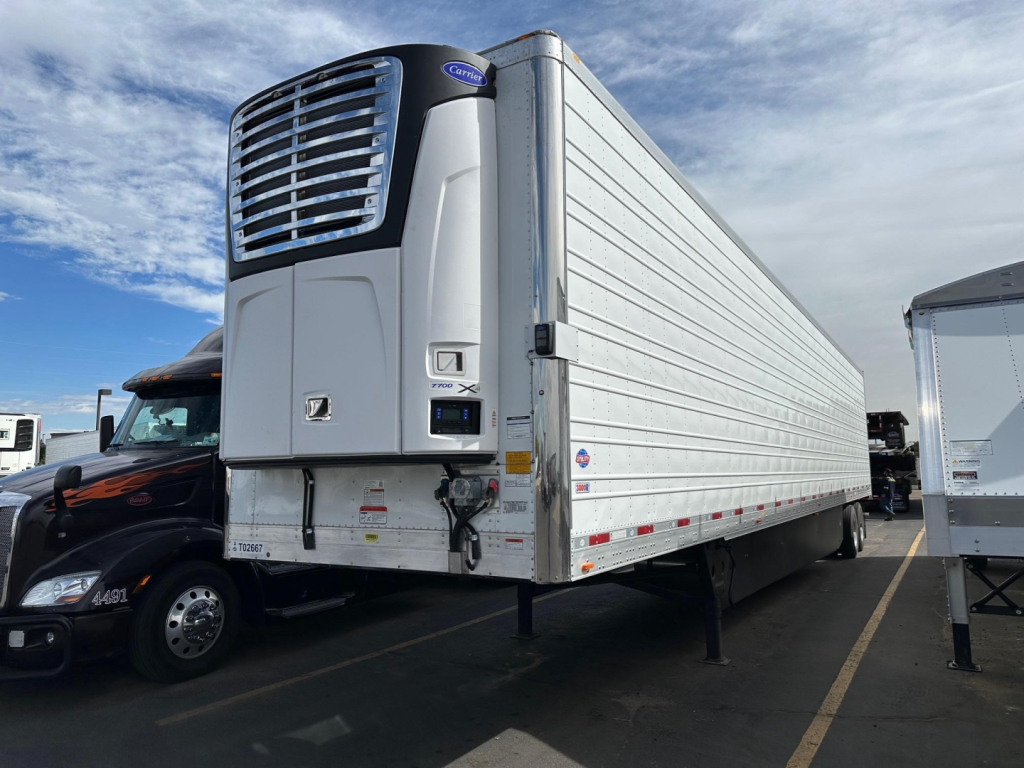
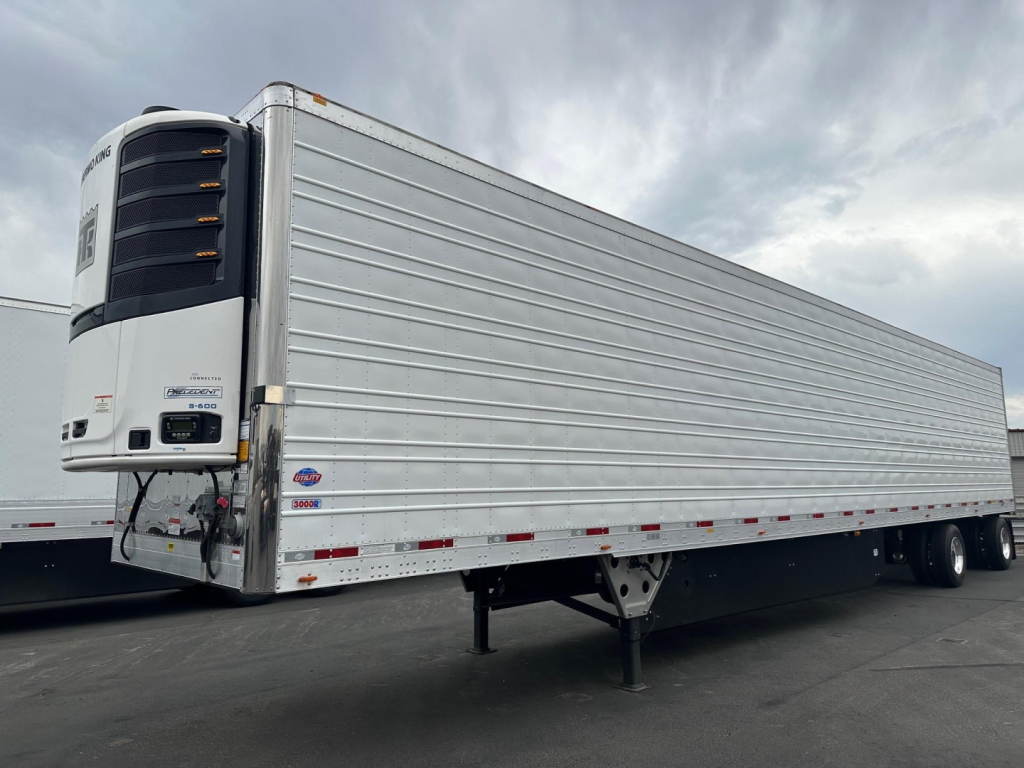
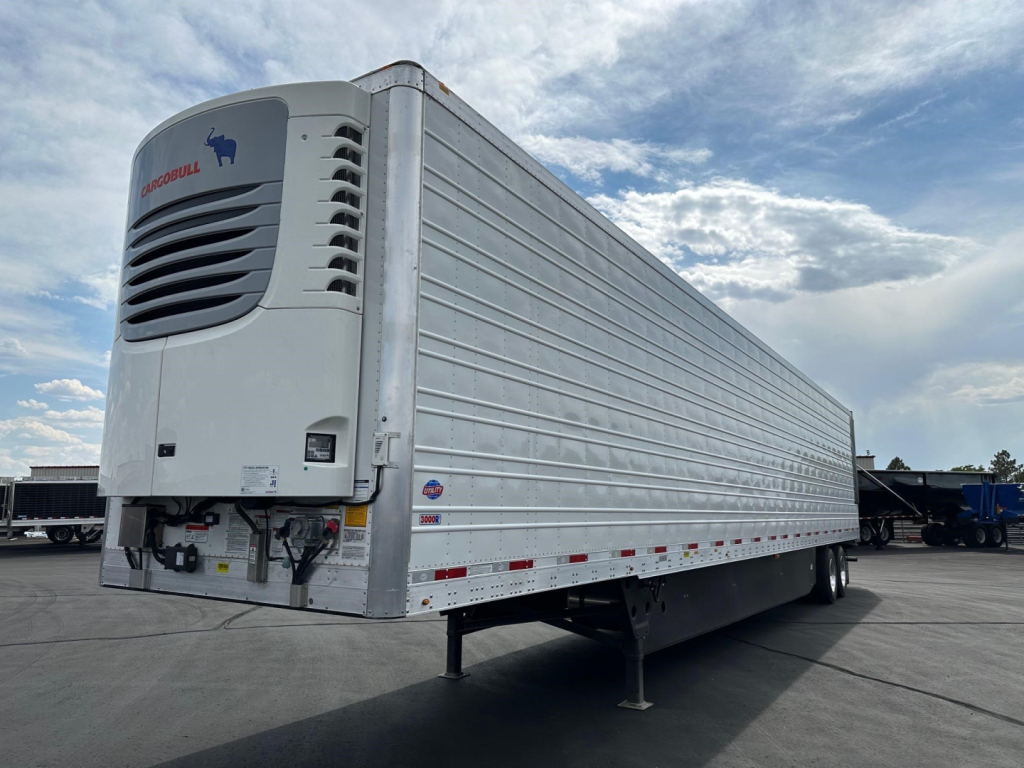
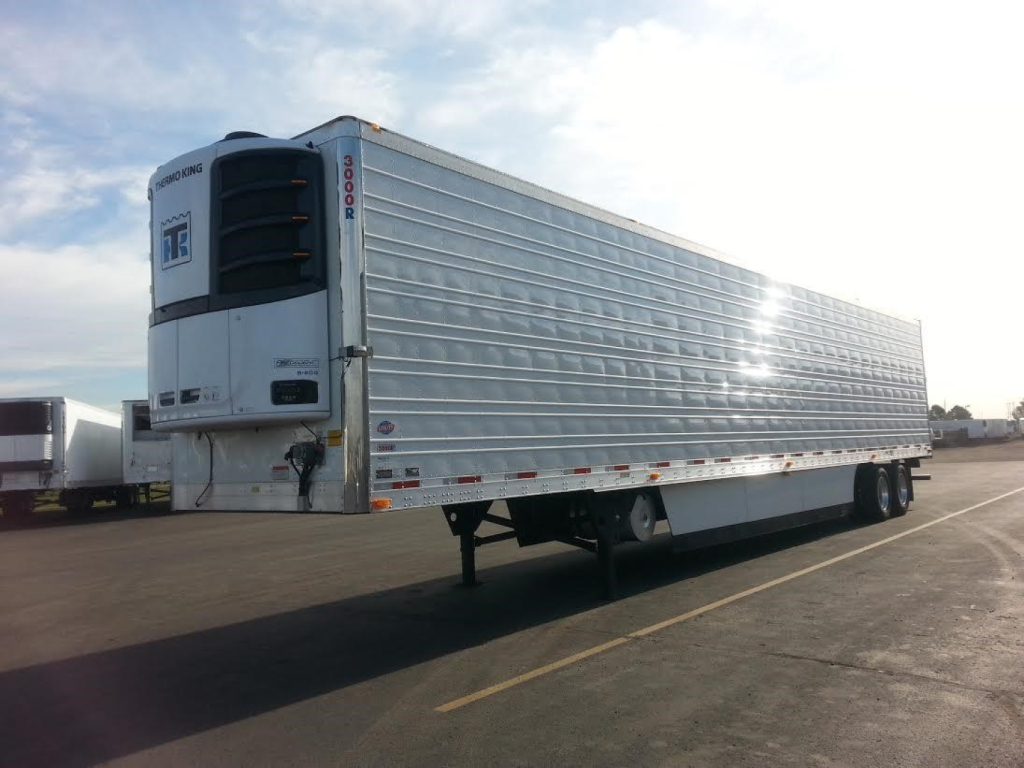
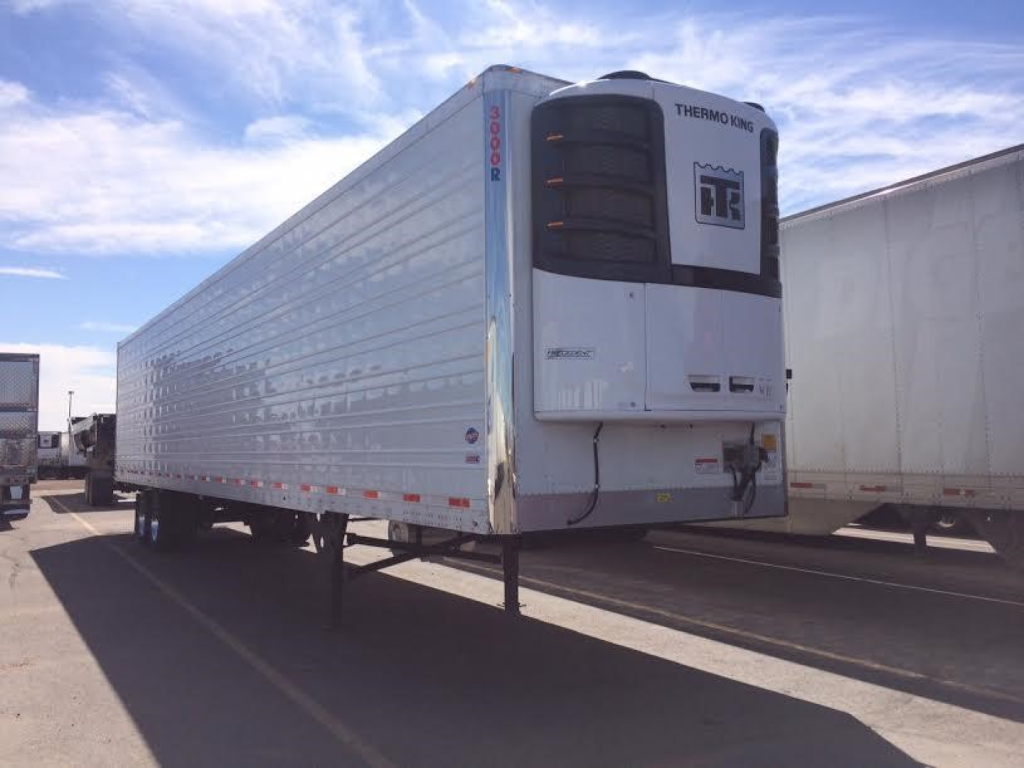
Selling a new utility reefer trailer? List your new utility reefer trailer for sale and reach thousands of commercial buyers.
New Utility Reefer Trailers in Colorado
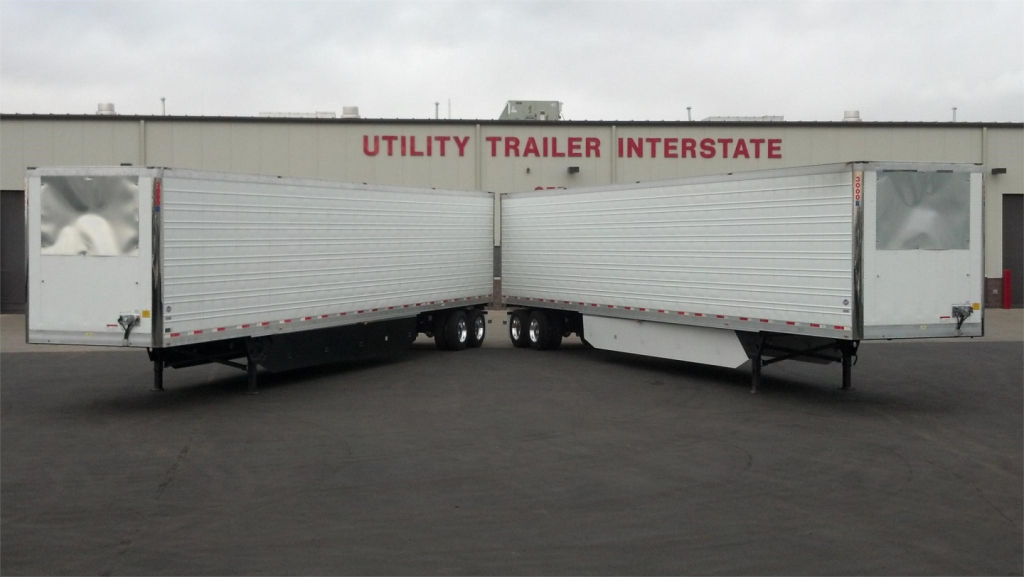
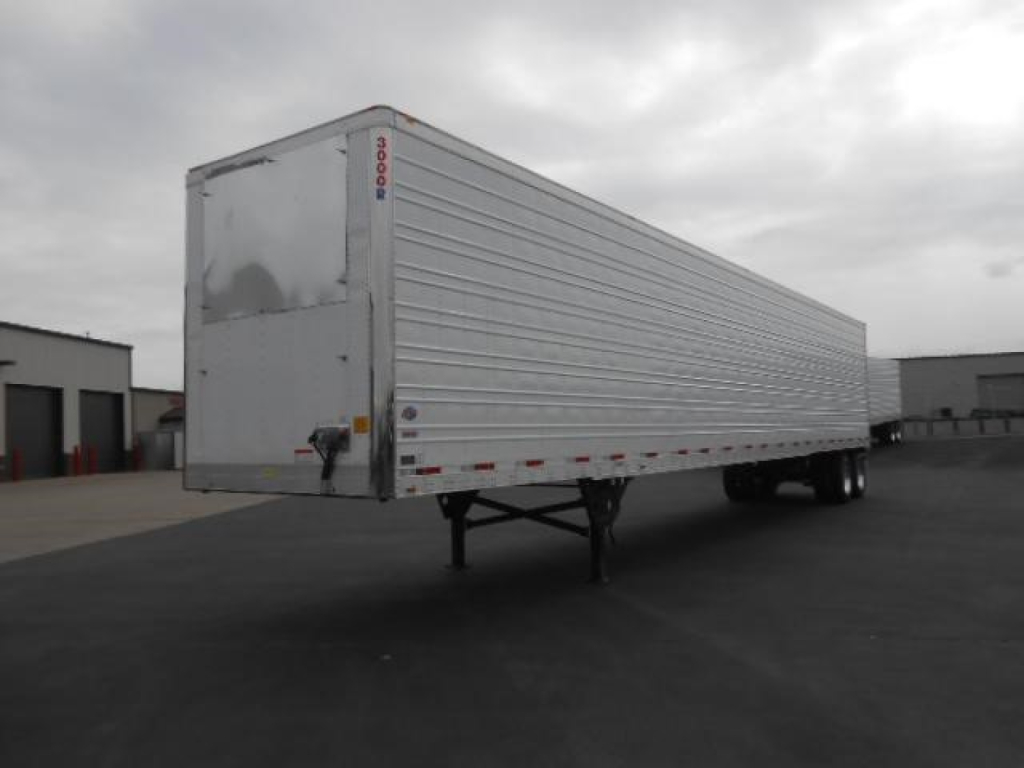
On new Utility reefers, common specs include stainless front corners, corrugated side panels, quilted stainless rear swing doors, aluminum duct floors, wearbands, rear vents, aerodynamic side skirts, and tire inflation systems such as Tire-Maxx Pro or PSI. Suspension and running gear often include Hendrickson air ride, air-operated slider pins, anti-dock walk systems, drum brakes, 22.5 low-profile tires, and aluminum wheels in full or outer-wheel configurations. In Colorado, buyers often pay close attention to fuel efficiency and mountain-route durability, so trailer aerodynamics, lightweight wheel packages, and dependable air ride performance matter just as much as insulation and TRU output.
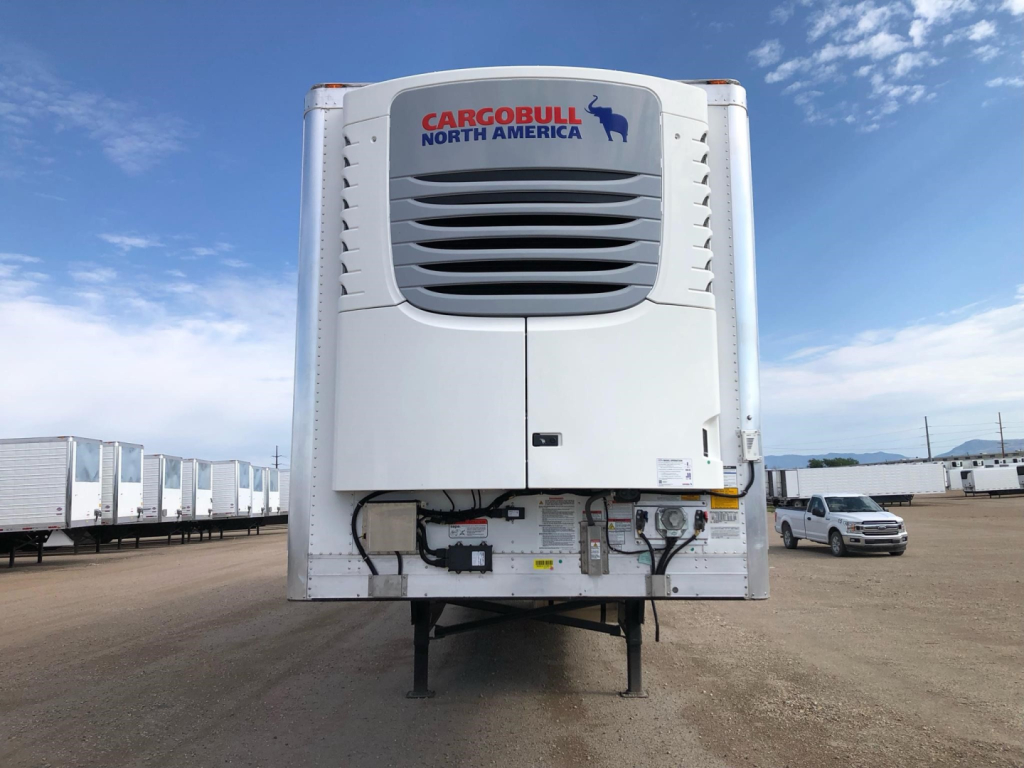
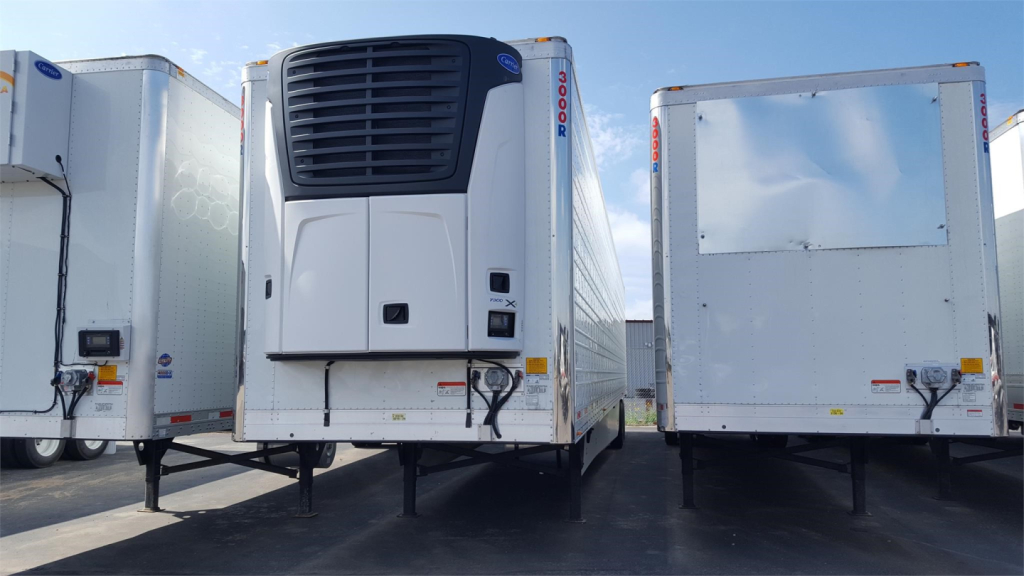
The refrigeration package is where application-specific differences show up fast. Utility reefers are commonly paired with Carrier or Thermo King single-temp units, including higher-capacity and hybrid configurations for fleets that need strong pull-down performance, dock electric capability, or California-compliant emissions specs. A single-temp reefer is the standard choice for most foodservice and supermarket freight, while interior options such as chutes, bulkheads, and ducted floors help maintain even airflow from nose to doors. If your lanes involve frequent dock loading, look closely at anti-dock walk equipment, rear door hardware, and floor wear protection because those items take constant abuse in multi-stop service.
Axle spread and kingpin setting also deserve close review before comparing listings. A closed tandem slider is a versatile setup for general over-the-road refrigerated freight, while a sliding spread can be the better fit for California bridge law compliance and certain heavier load profiles. New Utility reefer trailers are typically purchased for long service cycles, so corrosion resistance, interior liner material, rear frame construction, and service access around the TRU should all be evaluated alongside price. The best spec is the one that matches your freight mix, operating region, dock environment, and maintenance program without adding unnecessary tare weight or complexity.
Frequently Asked Questions about New Utility Reefer Trailers in Colorado
What is the most common size for a new Utility reefer trailer?
The most common configuration is a 53-foot by 102-inch refrigerated trailer, usually on a tandem or sliding spread axle setup. That size fits standard over-the-road refrigerated freight, offers strong cubic capacity, and works well for grocery, frozen, and foodservice applications. It is also the most common platform for Utility 3000R reefer specs, parts support, and resale demand.
How do I choose between a closed tandem and a sliding spread on a Utility reefer?
A closed tandem is the standard choice for broad route flexibility, easier maneuvering, and typical long-haul reefer operations. A sliding spread can help with bridge-law compliance in states such as California and may better suit certain heavier load distributions, but it can add complexity in tight urban docks and yard settings. The right choice depends on where the trailer runs, how often axle positions need to change, and the weight profile of your freight.
What floor and interior options matter most on a reefer trailer?
An aluminum duct floor is a key feature because it supports airflow under the load and helps the refrigeration unit maintain even box temperature. Buyers should also pay attention to wearbands, interior liners, chute systems, and bulkheads. These components affect cargo protection, airflow management, washout durability, and resistance to forklift and pallet damage during heavy dock use.
Are tire inflation systems worth it on a new Utility reefer trailer?
Automatic tire inflation systems are a valuable option for most reefer operations because they help maintain proper tire pressure, reduce irregular wear, and support better fuel economy. They can also cut roadside downtime tied to low-pressure events. On high-mileage refrigerated trailers, that can translate into measurable savings in tires, service calls, and missed delivery time.
What should I look for in the refrigeration unit on a new reefer trailer?
Start with the freight profile and temperature requirement. Single-temp units are the most common and are well suited for frozen or chilled loads moving under one setpoint. Important factors include pull-down performance, fuel consumption, service network coverage, emissions compliance, electric standby or shore power capability, and how well the unit integrates with the trailer's airflow design. Carrier and Thermo King are the most common choices, and the better fit usually depends on your maintenance preferences and lane requirements.