
Used 2017 Trailers For Sale
Browse used 2017 trailers for sale, including dry vans, reefers, and flatbeds. Compare specs, suspension, dimensions, floors, and axle setups.
Learn more
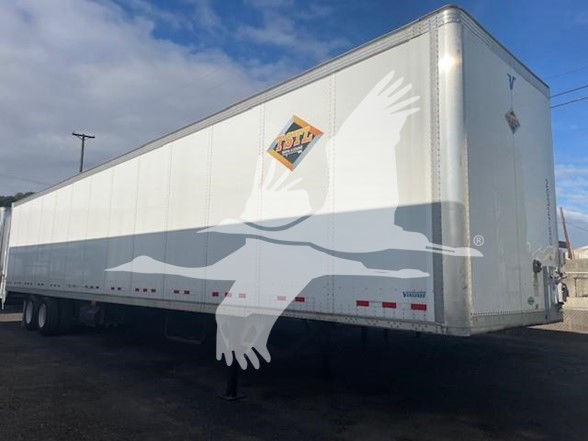
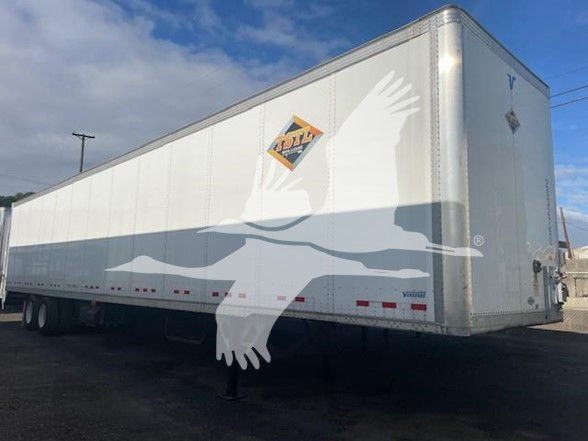
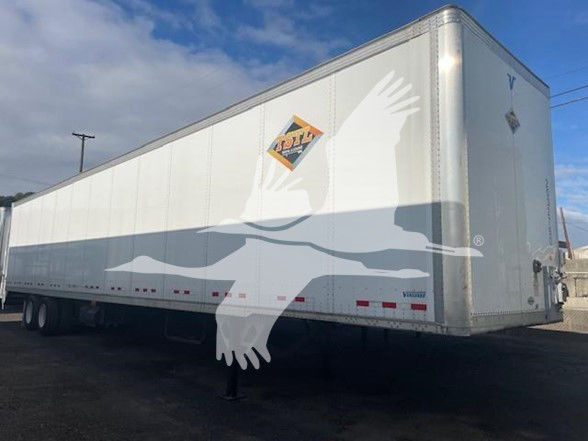
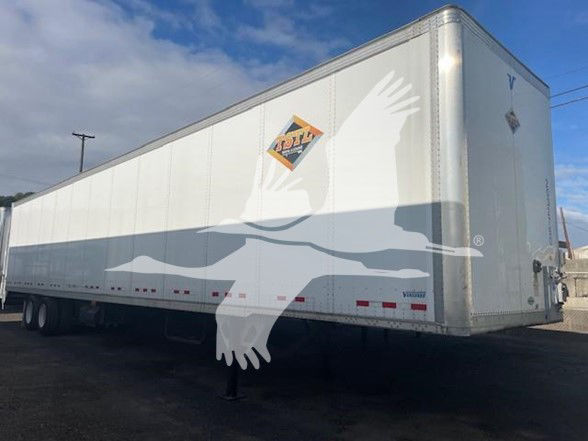
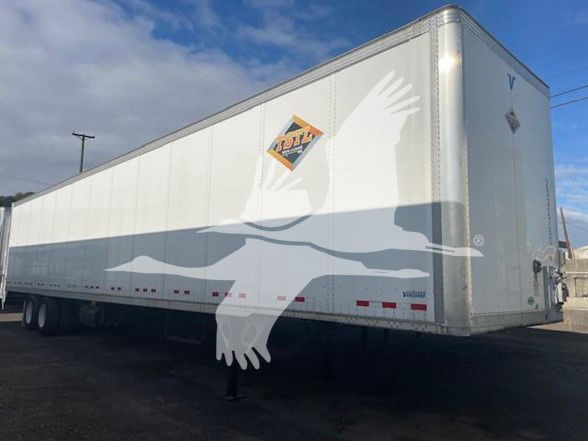
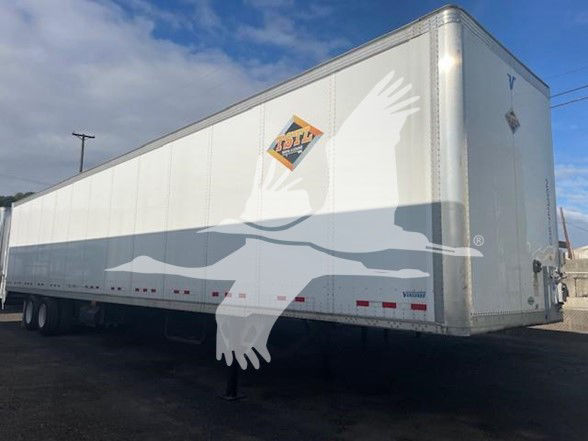
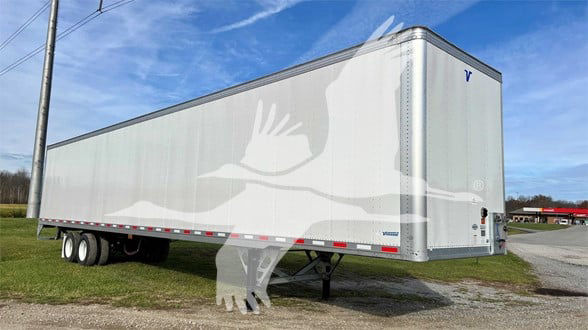
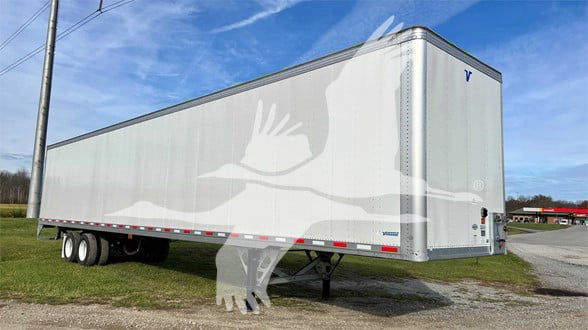
Showing 73 to 84 of 115 results
Have used 2017 trailer to sell? List it here to reach thousands of buyers.
About Used 2017 Trailers
For dry van trailers, pay close attention to interior height, floor condition, wall lining, door type, and cargo control. A 2017 van may have plywood lining, scuff liners, wood flooring, E-track, logistic posts, roll-up doors, or swing doors depending on the application it served. Sliding tandem placement matters for bridge law compliance and dock maneuverability, especially in regional and multi-state operation. Check roof condition, threshold wear, crossmember spacing, and signs of repeated forklift impact around the nose, rear frame, and lower wall sections.
For reefer trailers, the refrigeration unit hours and service history matter as much as the trailer itself. Many used 2017 reefer trailers in the market are aluminum-bodied 53-foot units with duct floors, scuff plates, stainless front components, and air ride suspension. Buyers should verify unit brand, operating hours, evaporator condition, return air flow, insulation integrity, and door seal condition. Features such as tire inflation systems, disc brakes, side skirts, and low-profile tires can improve operating efficiency, but only if the supporting maintenance records are solid. If the trailer ran dedicated foodservice or cold-chain freight, inspect the floor and interior walls closely for patching, corrosion, and washout-related wear.
For flatbed trailers from this era, the buying decision usually comes down to deck condition, axle setting, and securement layout. A used 2017 flatbed may have an apitong floor, steel or aluminum construction, fixed or sliding suspension, winch tracks, pipe spools, and stake pockets. Kingpin setting, crossmember spacing, side rail condition, and landing gear wear all affect long-term utility. Across any trailer type, look for uneven tire wear, frame damage, brake condition, suspension bushing wear, and evidence of deferred maintenance. A well-kept 2017 trailer can still deliver years of service if the structure is straight, the running gear is sound, and the spec matches the freight lane.
Frequently Asked Questions
What should I check first on a used 2017 trailer?
Start with structural condition and maintenance history. Inspect the frame, crossmembers, suspension, brakes, tires, wheels, landing gear, and tandem slider operation before focusing on cosmetic items. On vans and reefers, look closely at the floor, rear frame, roof, and interior lining for forklift damage or moisture intrusion. On flatbeds, inspect the deck, side rails, winch track, and securement points for excessive wear or repairs.
Is a 2017 trailer still a good choice for commercial freight?
Yes, a 2017 trailer can still be a practical commercial freight asset if it has been maintained correctly and the specification fits the job. Many trailers from this model year already have features buyers want, such as air ride suspension, sliding tandems, low-profile tires, logistics track, disc brakes, or tire inflation systems. The real value depends on condition, prior application, and component life remaining, especially on reefers and high-cycle dry vans.
What is the most common size for a used 2017 trailer?
The most common configuration on the used market is a 53-foot by 102-inch trailer with tandem axles. That applies across dry vans, reefer trailers, and many highway flatbeds. Buyers will also see typical overall heights around 13 feet 6 inches and common tire sizes such as 295/75R22.5 or 22.5 low-profile setups, depending on the original fleet spec.
What matters most when buying a used 2017 reefer trailer?
Refrigeration unit condition is the top priority, followed by the trailer body and insulation package. Check engine hours, unit service records, temperature performance, floor condition, chute or duct components, and door seal integrity. A reefer with clean maintenance documentation, sound insulation, and a solid floor is generally a better buy than a newer-looking trailer with weak unit history or hidden interior damage.
How do I choose between a 2017 dry van, reefer, and flatbed trailer?
Match the trailer type to the freight first, then compare operating cost and maintenance exposure. A dry van is the standard choice for protected general freight, a reefer is built for temperature-controlled freight and adds refrigeration maintenance, and a flatbed is suited for freight that can be loaded from the side or top and secured externally. Once the application is clear, compare floor type, suspension, axle setup, door configuration, and cargo securement features to narrow the best fit.