
Used 2017 Trailers For Sale in South Dakota
Shop used 2017 trailers in South Dakota, including dry vans and reefers, with specs on suspension, brakes, tires, and trailer condition.
Learn more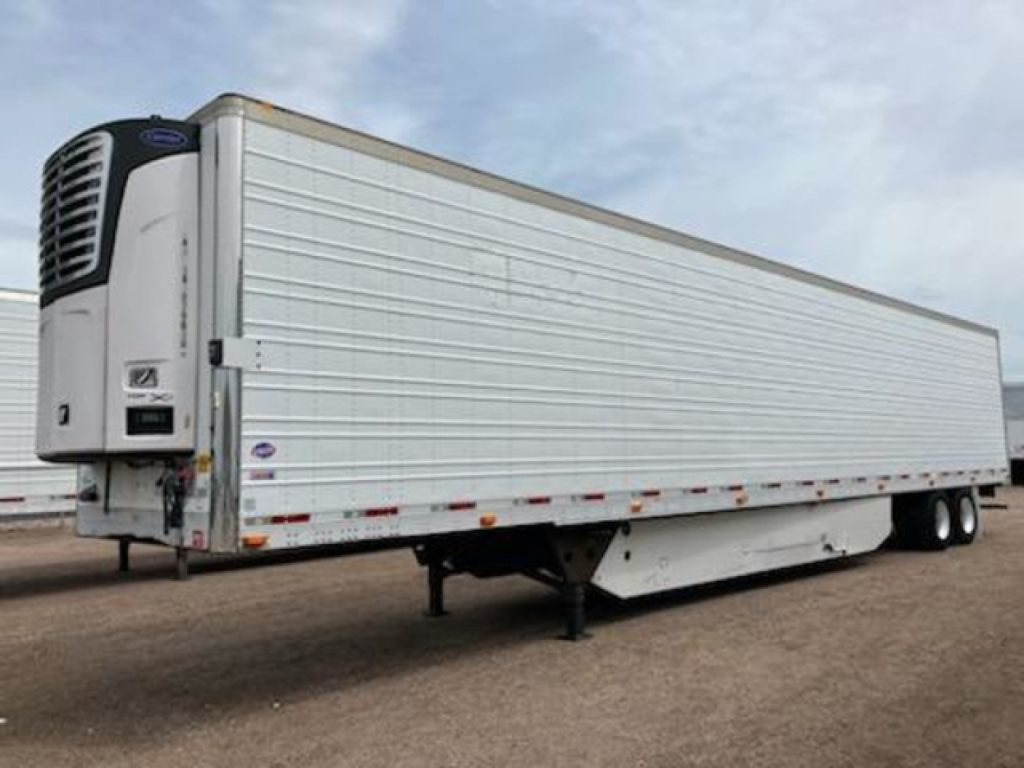
Have used 2017 trailer to sell? List it here to reach thousands of buyers.
About Used 2017 Trailers in South Dakota
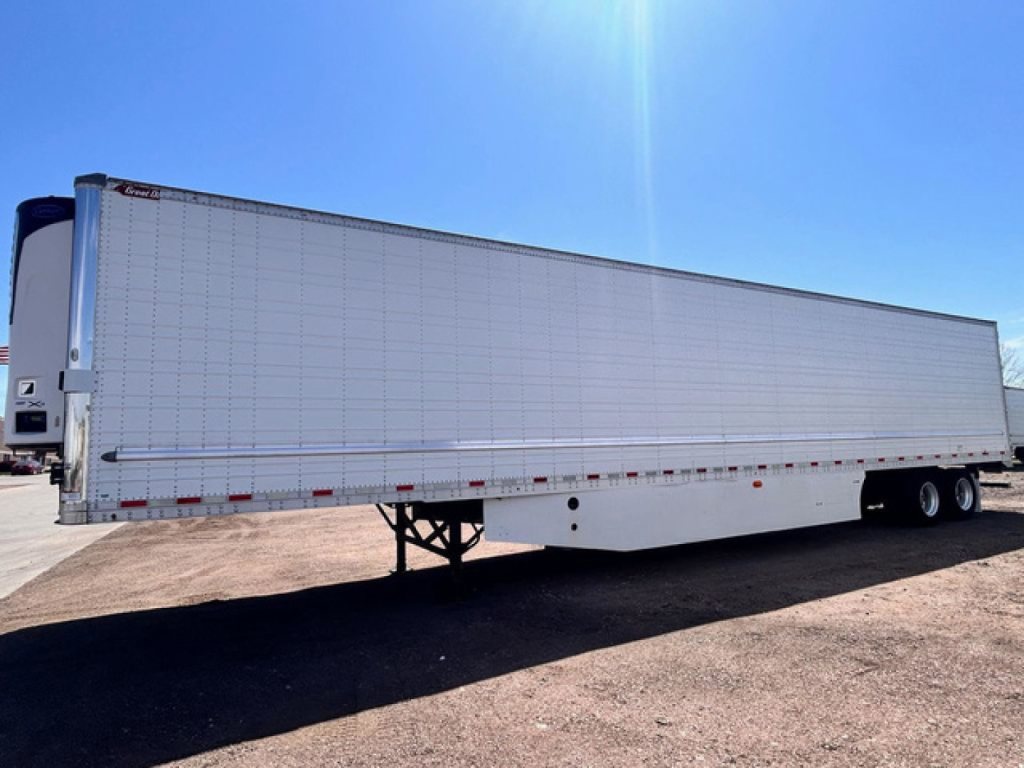
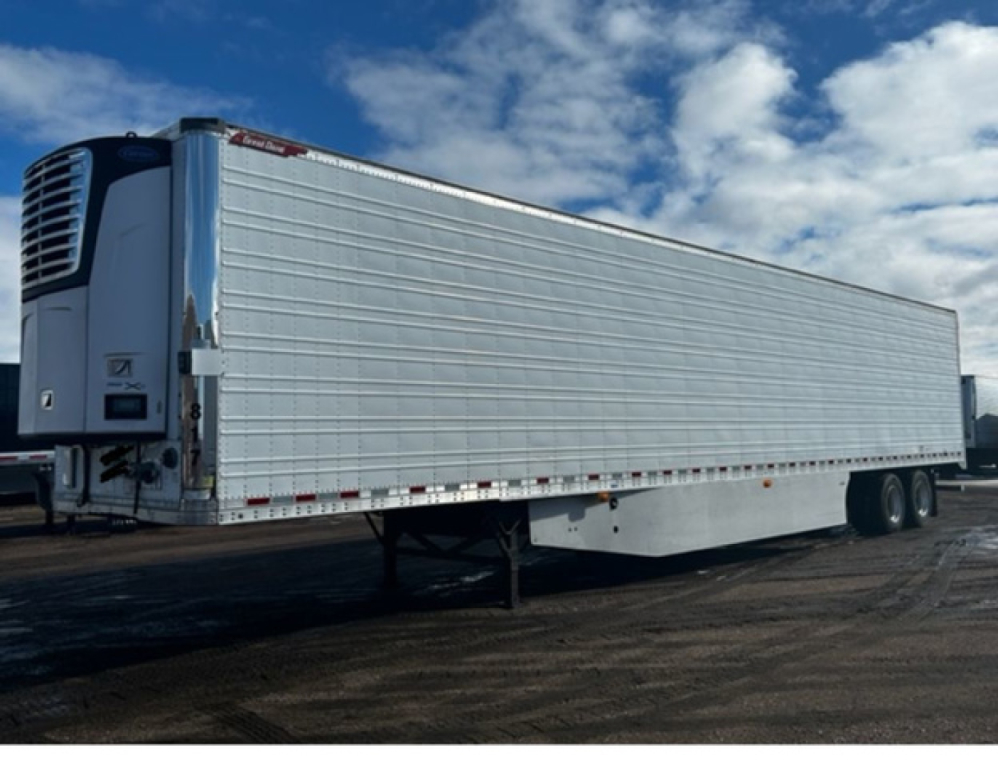
For refrigerated trailers, the key decision starts with the reefer unit and the body condition behind it. Buyers should look closely at unit brand, engine hours, service history, evaporator performance, fuel tank condition, and whether the trailer has features like scuff liners, chute tracks, duct floors, tire inflation systems, disc brakes, or stainless front lock boxes. Interior lining condition is important on a reefer because punctures, delamination, and patched areas can affect sanitation and temperature retention. Some 2017 reefer trailers may be sold with no unit, which can still make sense for cold storage, trailer conversion, or repower applications if the body, doors, and insulation package are sound.
For dry van buyers, a 2017 trailer is often evaluated on cubic capacity, empty weight, and how well it matches the freight. A standard 53-foot van from this period may have swing doors, air ride, logistics posts, and either metal or composite interior lining. Fleets moving general freight, packaged goods, or retail shipments usually focus on floor condition, leak history, rear door seal condition, and tandem slide function. In South Dakota, weather exposure also matters. Freeze-thaw cycles, road treatment, and long highway miles can show up in wiring, light harnesses, bogie wear points, and corrosion around fasteners, rails, and the rear sill.
A good 2017 trailer should be judged by remaining service life and application fit, not simply by model year. Buyers comparing listings should pay attention to brake and tire measurements, suspension type, lining material, door configuration, and any recent DOT or PM work. Reefer buyers should verify unit hours and operating condition. Van buyers should inspect floors, roof bows, and sidewall straightness. When the trailer’s spec lines up with the freight and the maintenance history supports it, a used 2017 trailer can still be a cost-effective asset for regional lanes, long-haul work, or drop-and-hook operations.
Frequently Asked Questions
What should I check first on a used 2017 trailer?
Start with the structural condition. Inspect the frame rails, crossmembers, floor, roof, rear frame, suspension, brakes, and tire tread depth before focusing on cosmetics. On a 2017 trailer, maintenance history and overall wear usually tell you more about remaining value than the model year alone. A fresh inspection sticker can help, but it should not replace a close review of the trailer’s undercarriage, lighting, door hardware, and signs of prior damage or repair.
Is a 2017 reefer trailer still a good buy?
A 2017 reefer can still be a strong buy if the box is tight and the refrigeration system has been maintained properly. Unit hours, service records, pull-down performance, insulation condition, interior liner condition, and door seal integrity are critical. If the trailer is being sold without a unit, it may still fit storage, yard use, or repower plans, but the buyer should price the replacement refrigeration system and installation before assuming it is a bargain.
What trailer specs matter most for South Dakota operation?
Durability and cold-weather reliability matter most. Air ride suspension, good brake life, sound electrical connections, weather-tight doors, and a solid roof are all important in South Dakota conditions. Corrosion around the rear frame, suspension mounts, and wiring should be checked closely because winter road treatment and temperature swings can accelerate wear. Tire condition also matters more in this region because long stretches of highway and changing seasonal conditions put added stress on tread and casing quality.
How do I compare a 2017 dry van to a 2017 reefer?
The right choice depends on freight, maintenance tolerance, and total operating cost. A dry van is simpler, lighter, and generally less expensive to maintain because it does not have a refrigeration unit. A reefer adds temperature control and freight flexibility, but it also adds engine hours, fuel use, service intervals, and more components to inspect. If you do not need temperature-controlled freight capability, a dry van is usually the lower-cost trailer to own and operate.
Do tire and brake readings in a listing really matter?
Yes. Tread depth and brake condition give a quick picture of near-term operating cost. A trailer with uneven tire wear can point to alignment, suspension, or axle issues. Brake measurements help estimate how soon the trailer may need a brake job. These details are especially useful when comparing several used 2017 trailers because they show which units may be ready for immediate work and which ones may require shop time shortly after purchase.