
Used 2017 Refrigerated Trailers For Sale in South Dakota
Shop used 2017 refrigerated trailers in South Dakota. Compare reefer specs, unit hours, insulation, suspension, tires, and door setup.
Learn more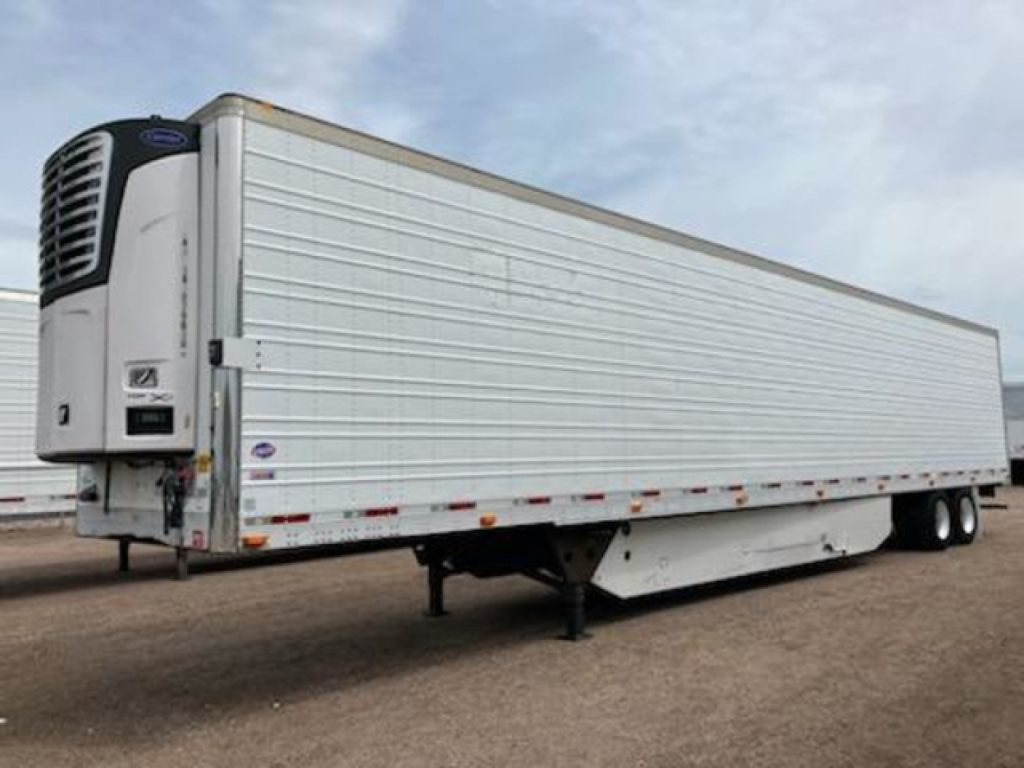
Have used 2017 refrigerated trailer to sell? List it here to reach thousands of buyers.
About Used 2017 Refrigerated Trailers in South Dakota
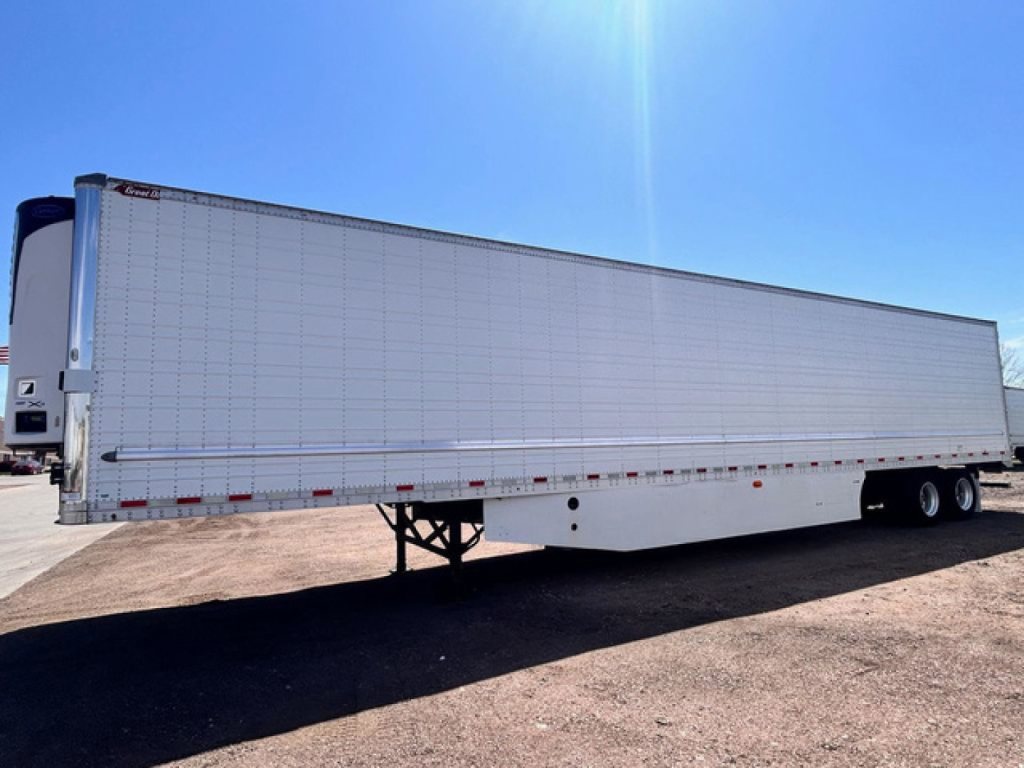
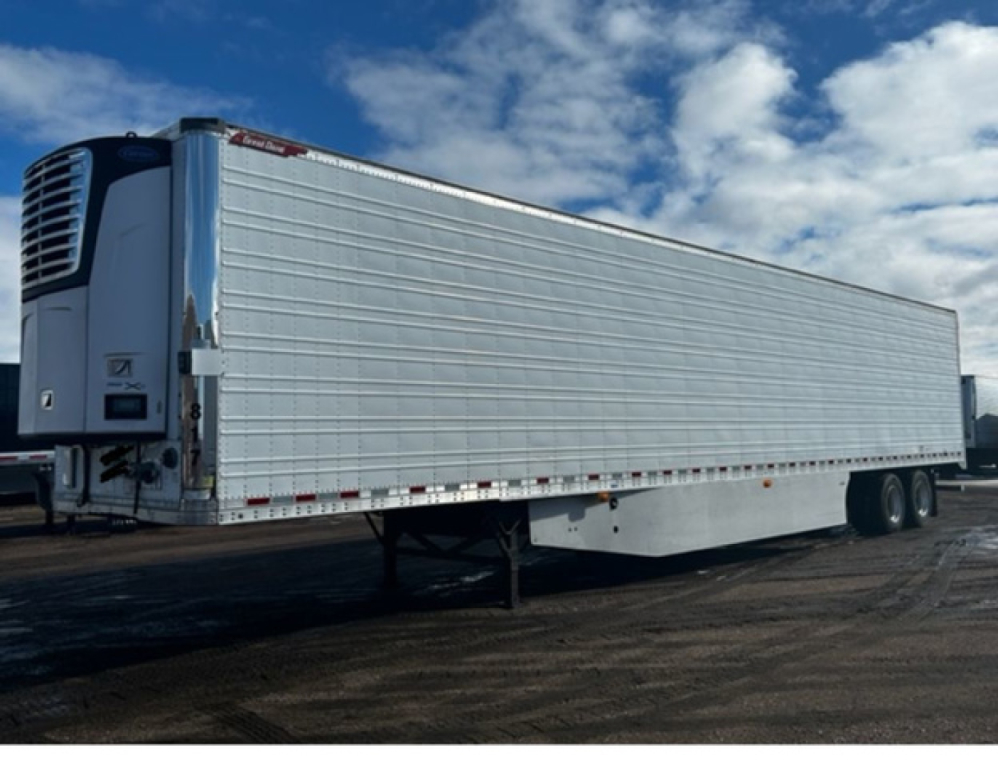
The refrigeration unit is the first decision point. Many 2017 refrigerated trailers are equipped with Carrier X4 or Thermo King units, and unit hours matter just as much as trailer miles. A reefer with strong pull-down performance, clean service history, and no active alarm issues is usually worth more than one with lower cosmetic wear but weak cooling performance. It also pays to verify operating mode capability, including continuous run and start-stop, along with fuel tank condition, evaporator cleanliness, and calibration history if the trailer is used for food-grade freight. In South Dakota, buyers often need equipment that can hold temperature in both subzero winter conditions and summer heat, so insulation quality, return air management, and door closure fit are especially important.
Trailer structure and running gear deserve the same scrutiny. On a 2017 reefer, check the floor for soft spots, gouging, and heavy forklift wear, especially near the rear threshold. Interior liner type, such as Versitex or similar composite lining, affects washout durability and resistance to punctures. Air ride suspension is common and helps protect sensitive loads, but brake type, bushing wear, slider operation, wheel-end condition, and tire tread depth will all affect true operating cost after purchase. Features like tire inflation systems, disc brakes, stainless lock boxes, and extra light packages can add value, but a straight frame, dry interior, sound scuff area, and clean reefer bulkhead matter more than cosmetic extras.
A 2017 refrigerated trailer can fit a wide range of operations, from regional foodservice routes to long-haul temperature-controlled freight. The best choice depends on cargo profile and lane requirements. Frozen freight buyers may prioritize unit capacity and tight door seals, while produce and mixed loads may care more about airflow, interior cleanliness, and multi-temp suitability. It is also smart to confirm regulatory fit before buying, including reefer emissions compliance, DOT inspection status, and any state or shipper-specific requirements. For many buyers, a well-maintained 2017 reefer trailer still offers strong value if the box is tight, the unit is dependable, and the maintenance history supports the asking price.
Frequently Asked Questions
What should I check first on a used 2017 refrigerated trailer?
Start with the refrigeration unit, then move to the box and running gear. Confirm the reefer starts cleanly, pulls down to set temperature, and shows no active fault codes. Review unit hours, service records, and any recent repairs to major components such as the compressor, evaporator, condenser, or controller. After that, inspect the trailer floor, liner, rear frame, door seals, suspension, brakes, tires, and slider for wear that can quickly turn into added cost.
Are 2017 reefer trailers still a good value for food-grade hauling?
Yes, many 2017 reefer trailers still work well in food-grade service if they have been maintained correctly. The key is not the model year alone but the condition of the insulation, interior liner, floor, and refrigeration unit. A clean, tight trailer with documented preventive maintenance and good temperature control can remain productive for regional or over-the-road refrigerated freight. Buyers should verify washout condition, odor control, door seal quality, and reefer calibration if shipper standards are strict.
How important are reefer unit hours on a 2017 trailer?
Reefer unit hours are one of the most important measurements on a used refrigerated trailer because they reflect actual refrigeration system use. A higher-hour unit is not automatically a bad buy, but it should be priced against maintenance history and current operating condition. A unit with documented service, solid pull-down performance, and no chronic alarm history can be a better choice than a lower-hour unit with poor upkeep. Hours should always be evaluated alongside age, repair records, and component condition.
What features matter most for South Dakota reefer trailer buyers?
South Dakota buyers usually need a refrigerated trailer that handles temperature swings, long rural runs, and winter exposure. Strong insulation, dependable continuous-run performance, healthy batteries, and well-sealing rear doors are especially important in cold weather. Air ride suspension is common for protecting temperature-sensitive freight, and good tires and brake condition matter for year-round operation on mixed road conditions. If the trailer will cross into regulated markets, emissions compliance for the reefer unit should also be confirmed before purchase.
What is the typical configuration of a used 2017 refrigerated trailer?
Most used 2017 refrigerated trailers are 53-foot tandem axle vans with swing rear doors, air ride suspension, and a front-mounted diesel refrigeration unit. Common manufacturers include Great Dane, Utility, Hyundai, and Wabash, with refrigeration systems from Carrier or Thermo King. Many are spec'd with aluminum roofs, composite interior liners, duct floors or flat floors depending on application, and slider tandems to meet bridge-law and loading needs. Exact specs vary by fleet, but this is the standard setup most buyers will see in the market.