
Used Refrigerated Trailers For Sale
Shop used refrigerated trailers for cold-chain freight. Compare reefer units, hours, insulation, floor type, suspension, and trailer condition.
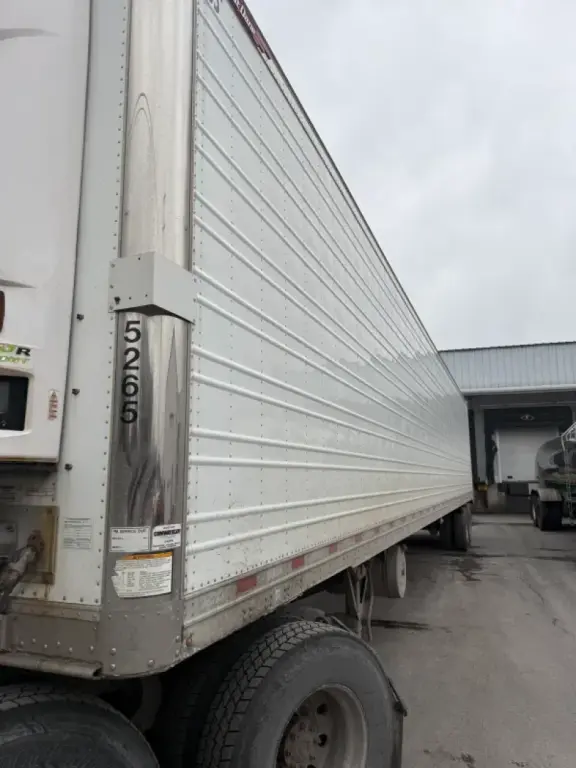
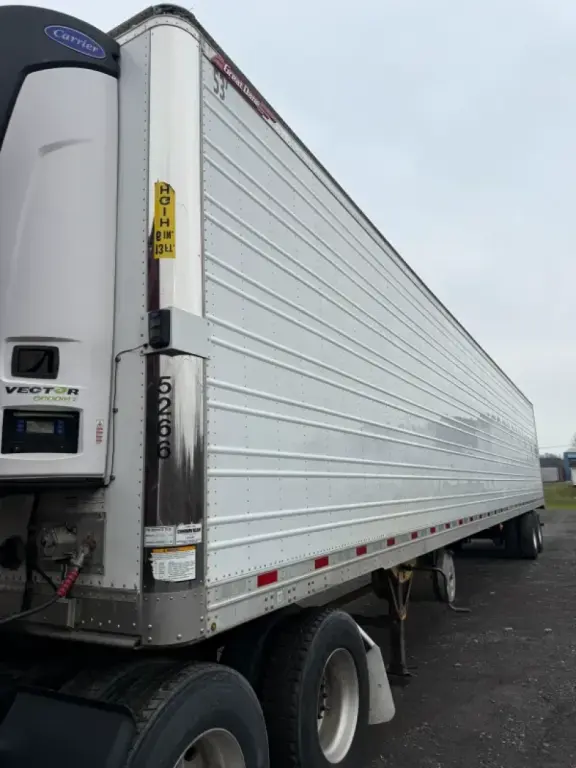
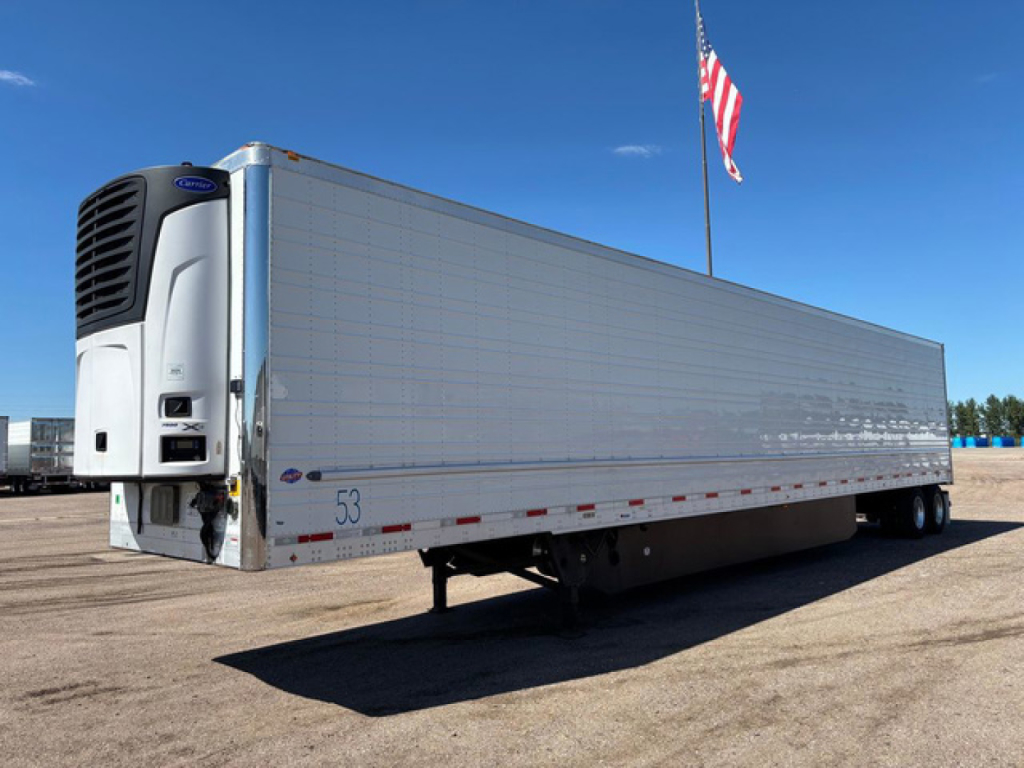
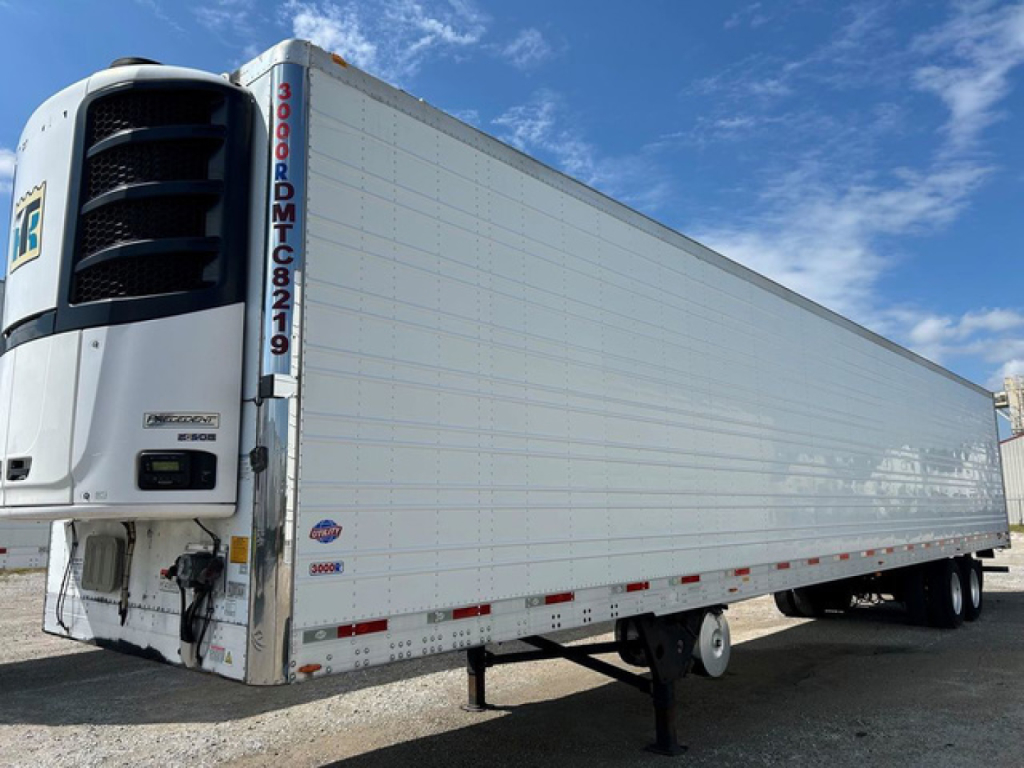
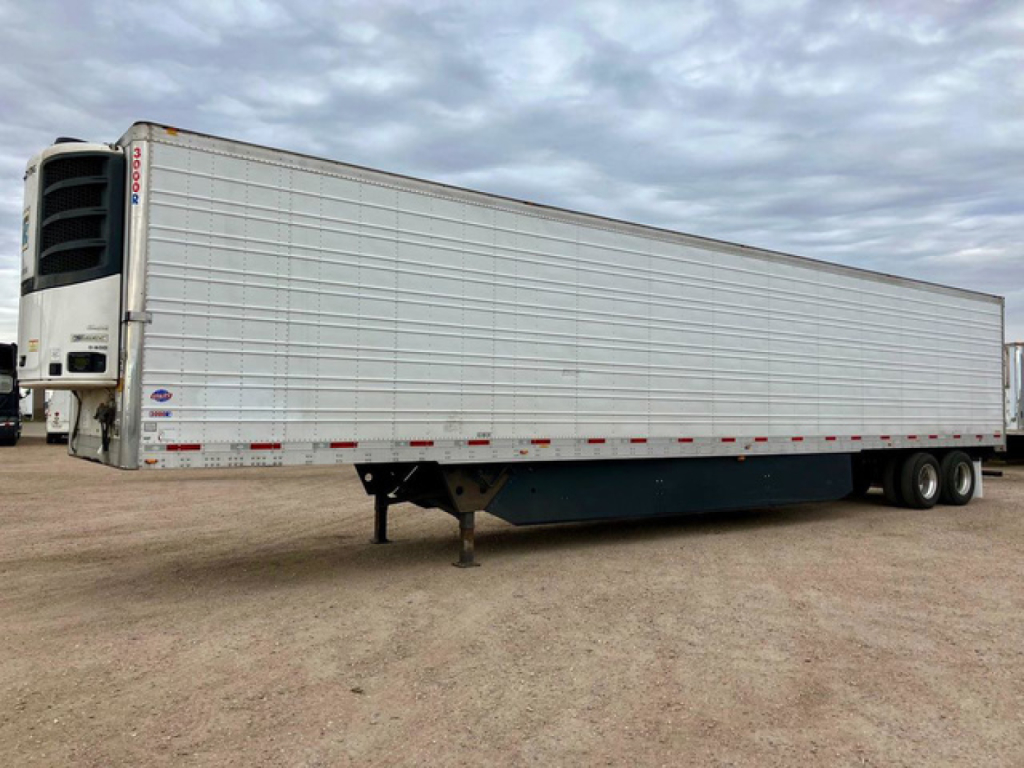
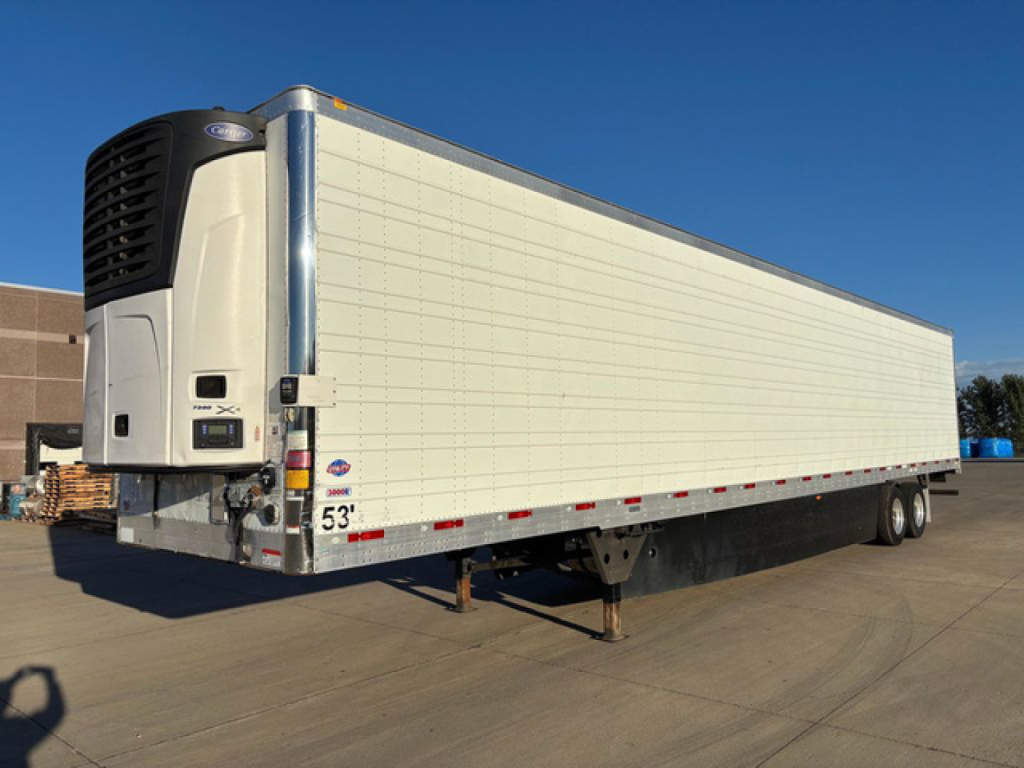
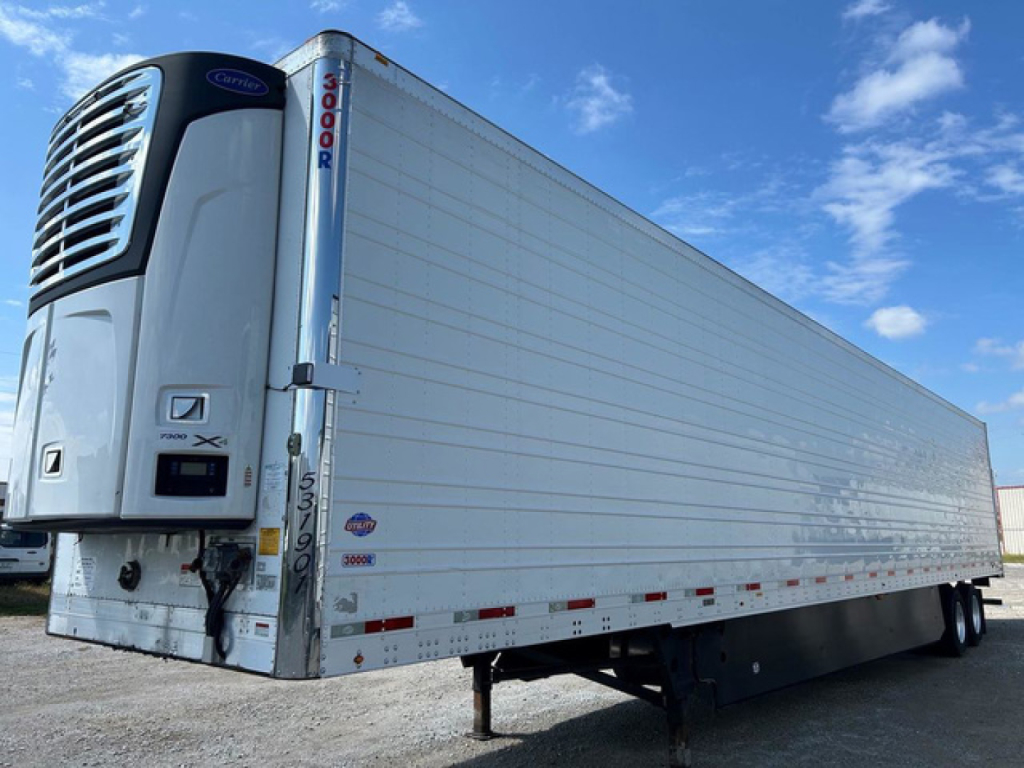
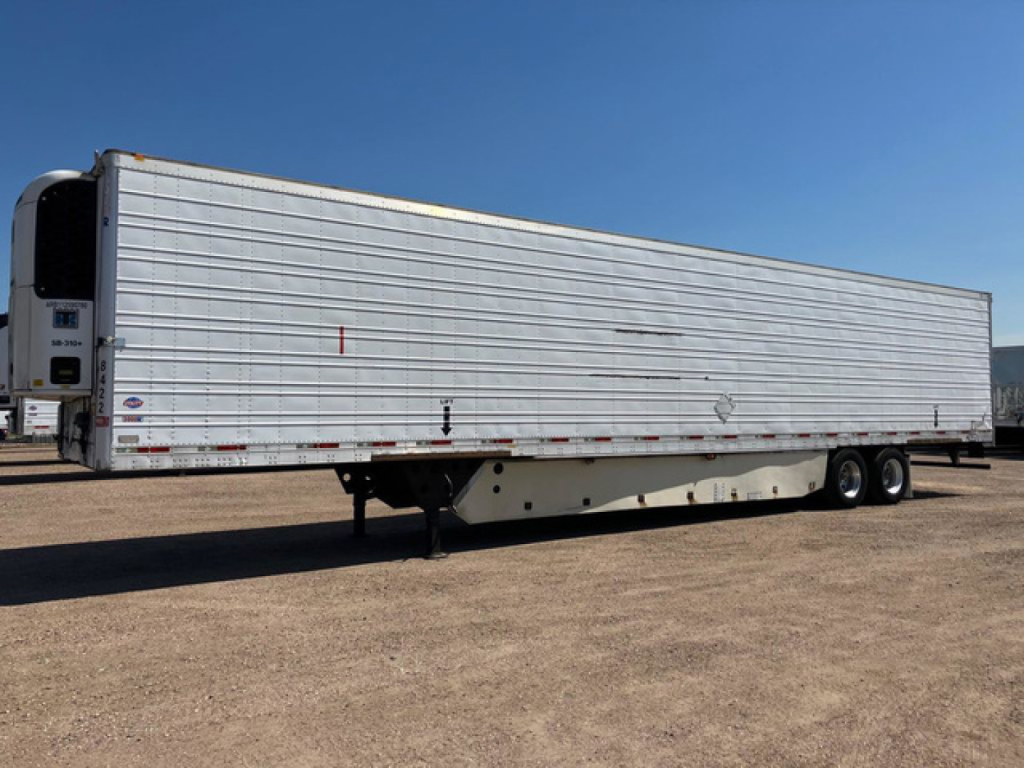
2012 Utility Reefer
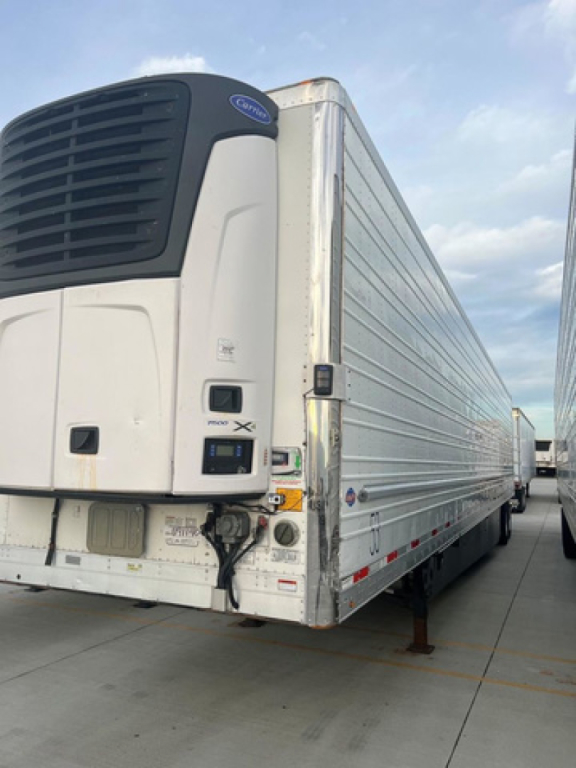
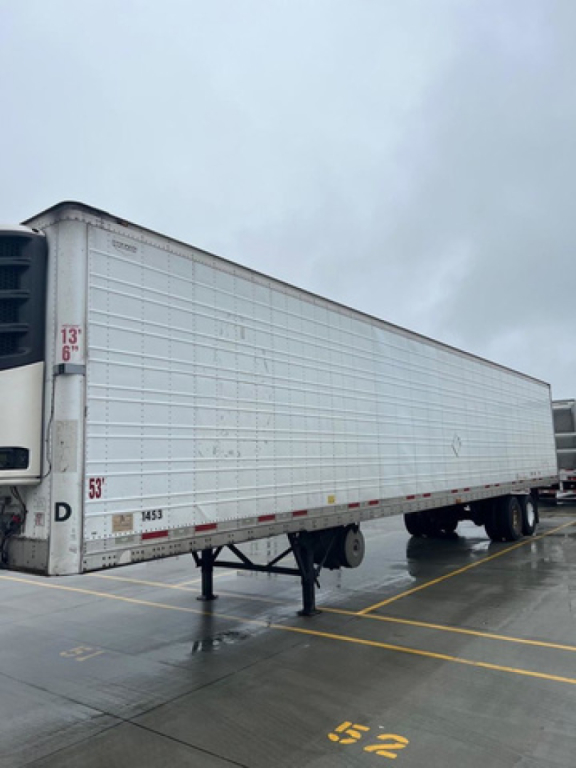
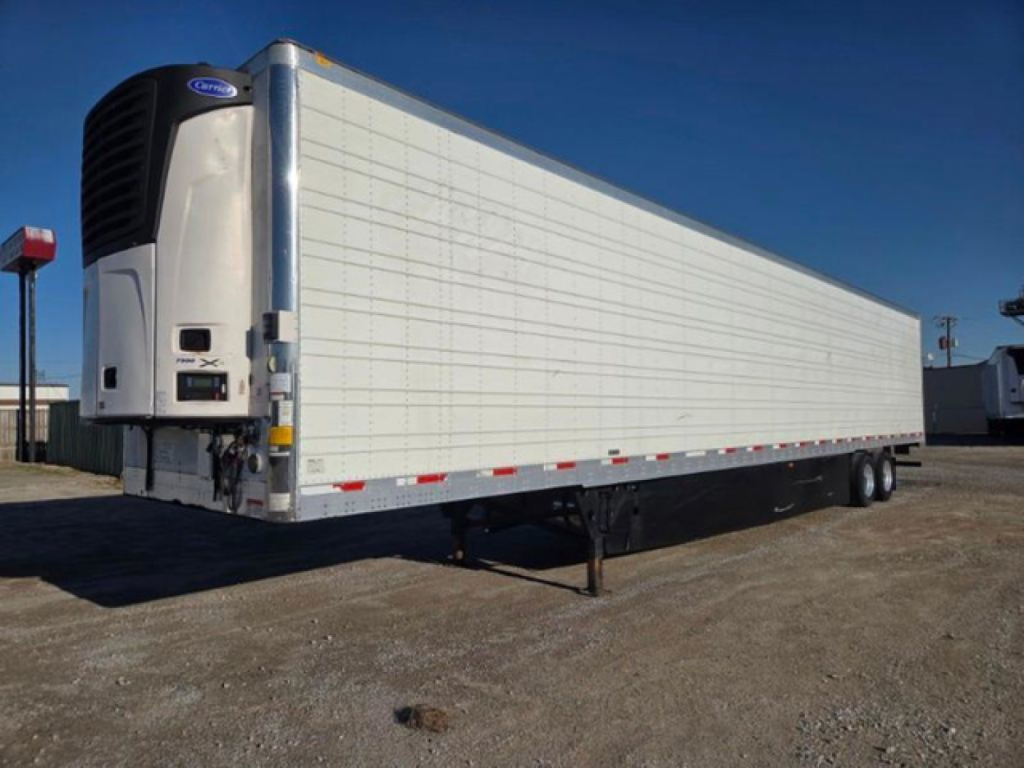
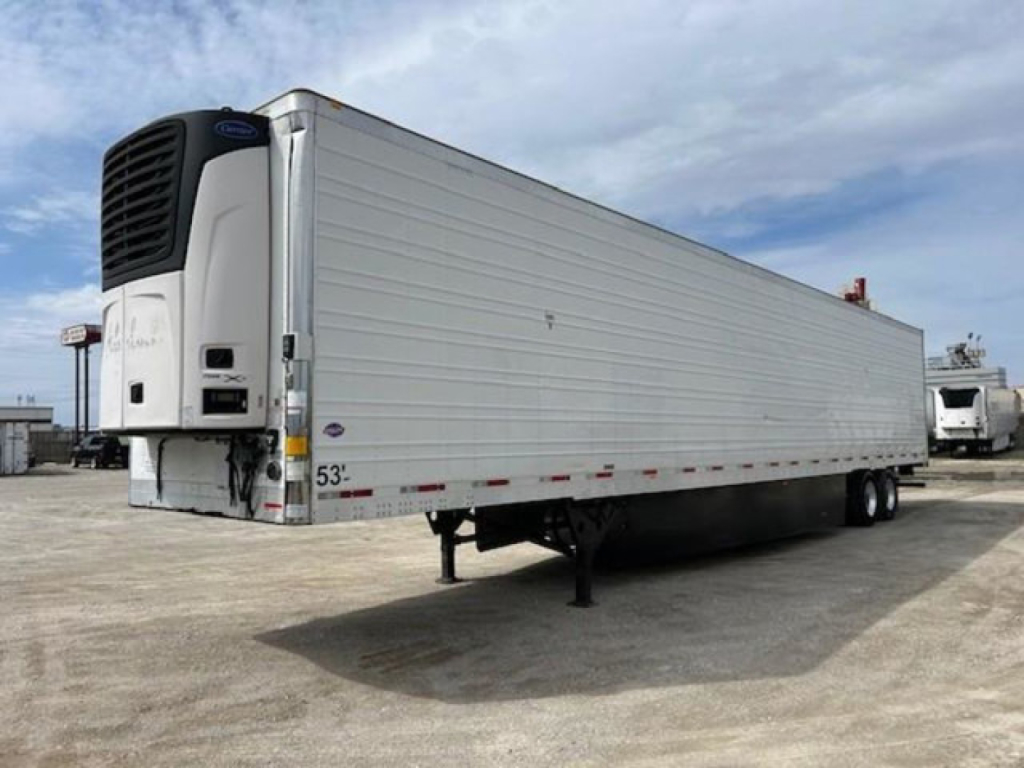
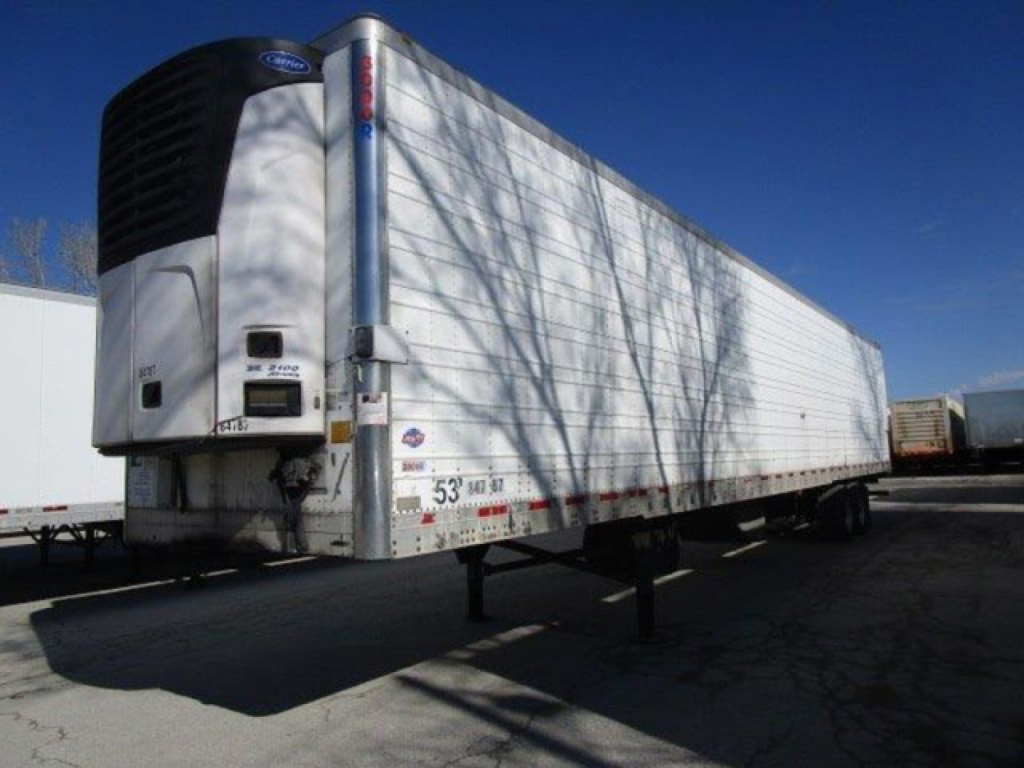
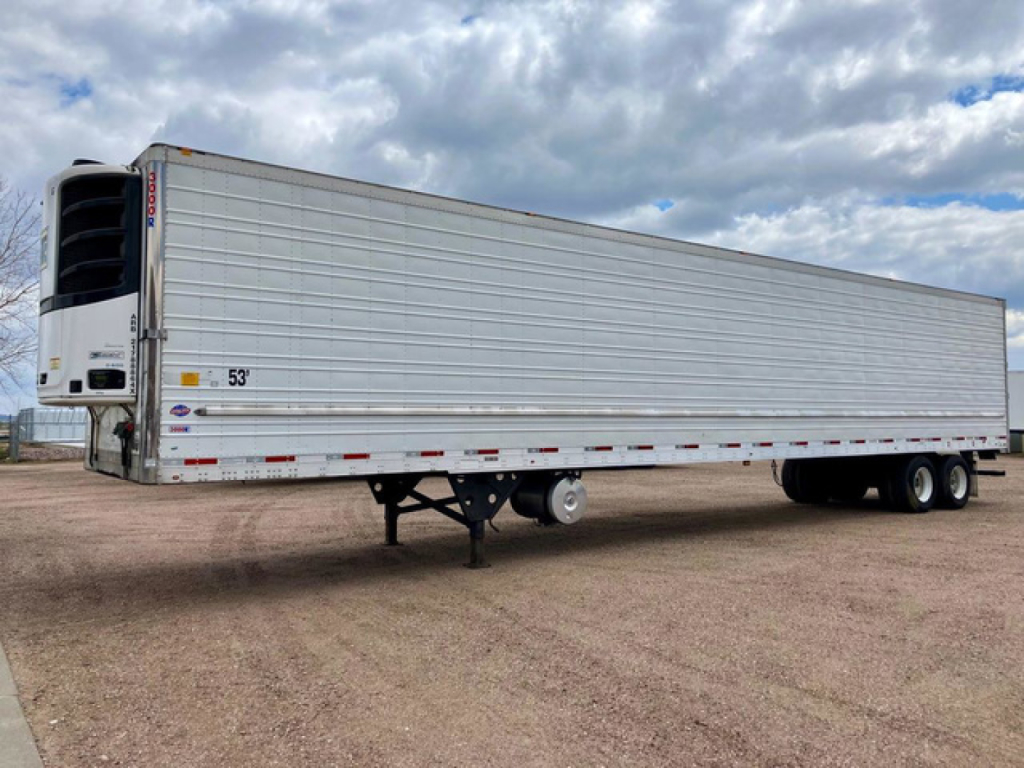
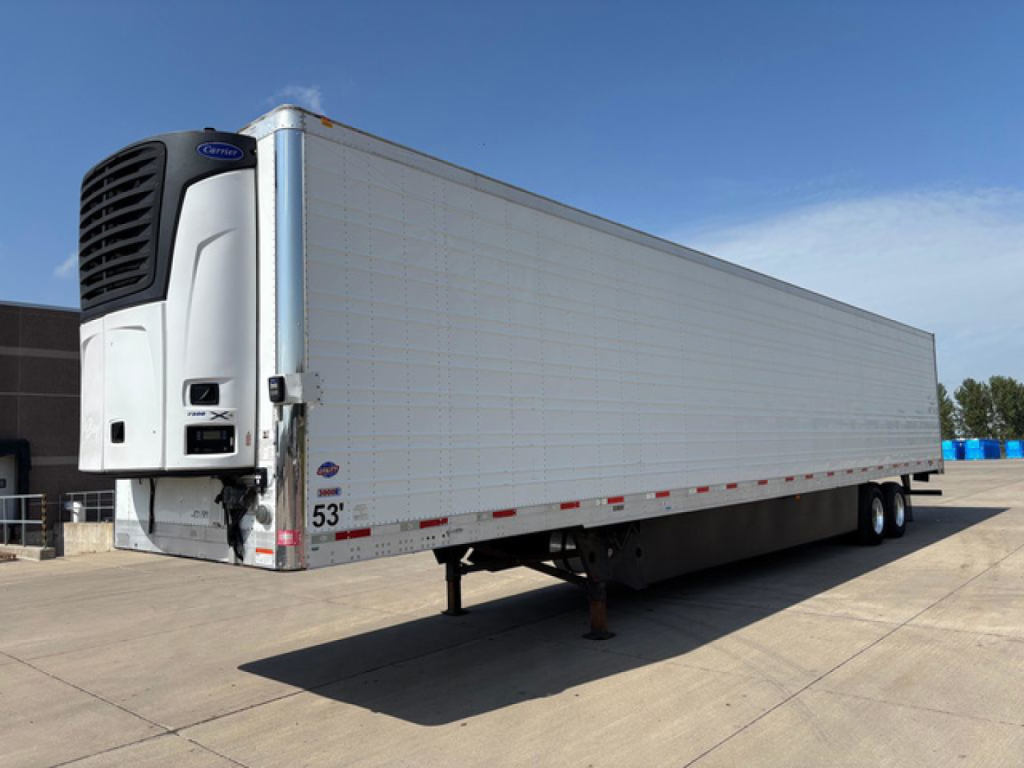
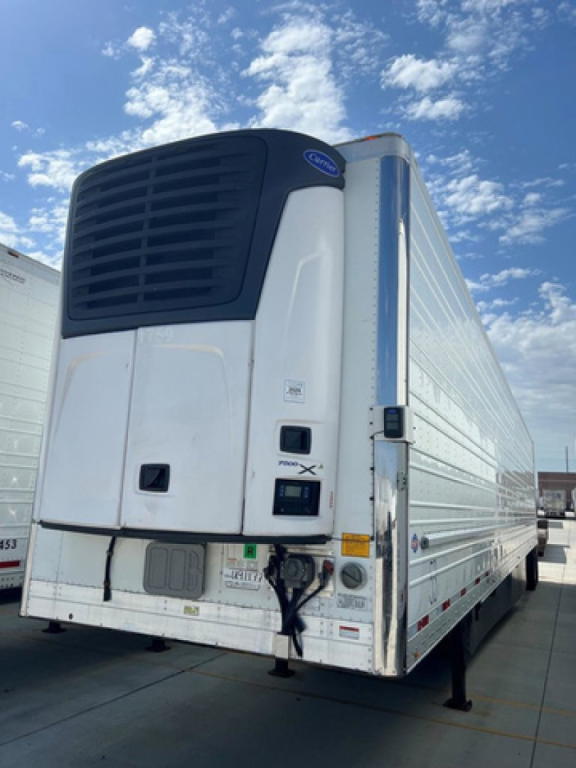
2022 Utility Reefer
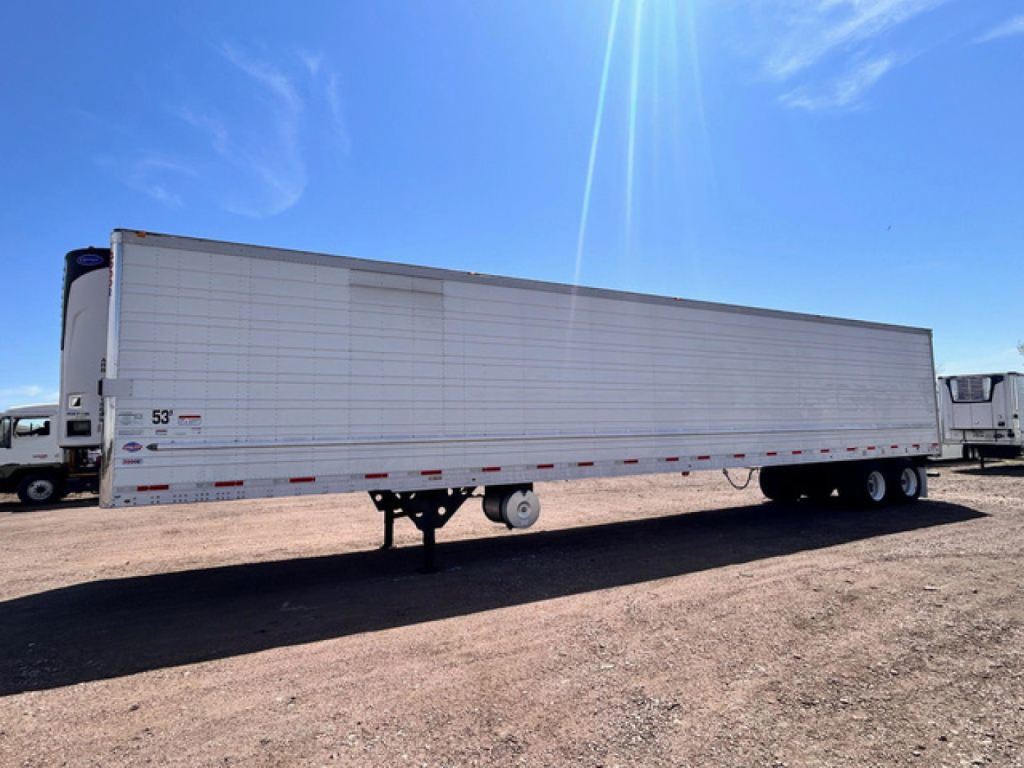
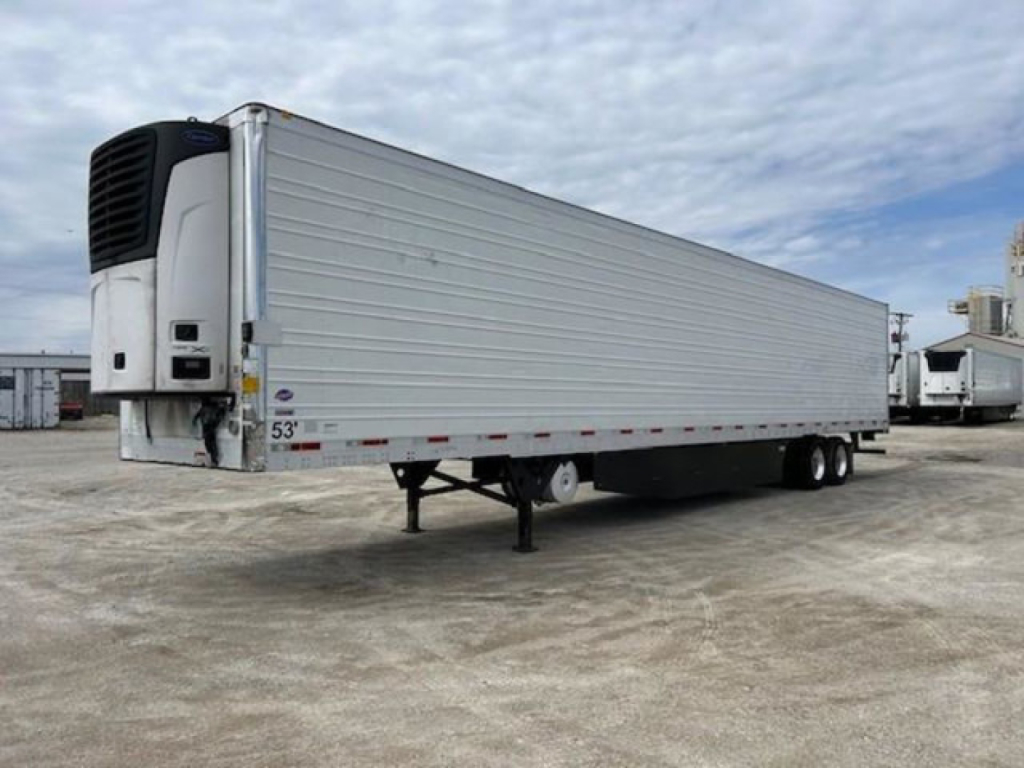
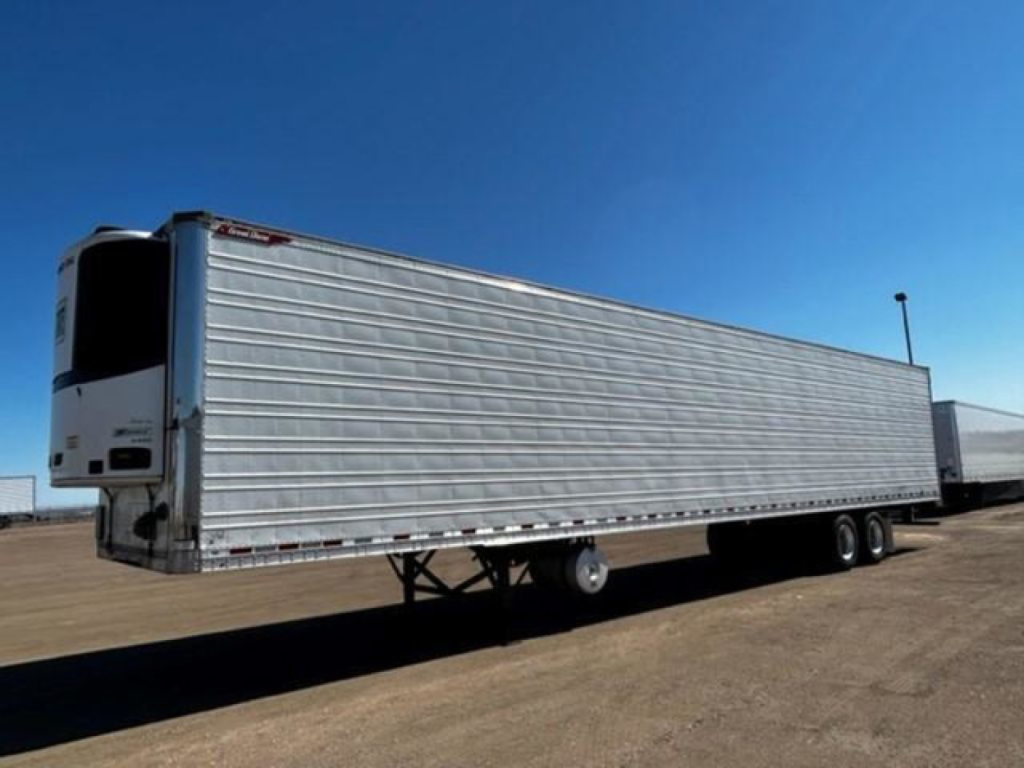

Showing 1 to 28 of 42 results
Selling a used refrigerated trailer? List your used refrigerated trailer for sale and reach thousands of commercial buyers.
Used Refrigerated Trailers
The trailer body deserves just as much attention. Common construction features include aluminum roofs, insulated sidewalls, scuff liners, duct or channel floors for airflow, and interior liner materials such as Versitex or Kemlite. If the trailer is handling produce, frozen food, dairy, meat, or pharmaceutical-related freight, inspect floor condition, wall liner damage, rear frame integrity, and door seal quality. Air leaks, damaged bulkheads, poor insulation, and worn door gaskets can hurt temperature consistency and increase unit run time. Produce chutes, stainless rear doors, wear bands, and rub rails can add value depending on the freight mix.
Suspension, tires, and axle configuration also affect operating cost. Air ride is common in used reefers because it protects sensitive loads and helps with dock stability. Sliding tandems give more flexibility for bridge law and weight distribution. Many late-model reefers are equipped with tire inflation systems, load scales, aerodynamic skirts, and aluminum wheels, all of which can improve uptime or reduce operating cost. Tire tread depth, brake condition, wheel-end maintenance, and signs of corrosion around the rear frame and crossmembers should be part of any used reefer inspection.
Buyers comparing used refrigerated trailers should match the unit to lane length, commodity, and loading pattern. A trailer running regional grocery or foodservice may need frequent door-cycle performance and strong multi-stop recovery, while long-haul frozen freight puts more emphasis on fuel efficiency and steady continuous operation. Reefer hours, trailer age, floor wear, and maintenance records usually tell a clearer story than model year alone. A well-maintained used reefer can be a strong asset if the box is tight, the unit is healthy, and the trailer spec fits the freight.
Frequently Asked Questions about Used Refrigerated Trailers
What should I check first on a used refrigerated trailer?
Start with the refrigeration unit, then move to the trailer body. Confirm the reefer make, model, engine hours, operating hours, maintenance records, and recent repairs. The unit should pull down to temperature quickly and hold setpoint without excessive cycling. After that, inspect the insulated box for wall damage, floor wear, door seal condition, liner cracks, and any signs of air or water intrusion. A reefer trailer is only as good as its ability to keep the box sealed and maintain temperature under real load conditions.
How many hours is a lot for a used reefer unit?
There is no single cutoff, because reefer value depends on maintenance as much as total hours. A unit with higher hours and documented service can be a better buy than a lower-hour unit with poor records. Buyers should look at engine hours, electric standby hours if equipped, major component replacements, and evidence of preventive maintenance. The real question is whether the unit starts cleanly, runs properly, holds temperature, and has been maintained on schedule.
What features matter most in a refrigerated trailer body?
Insulation integrity, floor design, liner condition, and door sealing are the key trailer-body considerations. Duct floors or heavy-duty aluminum floors help maintain airflow under the load, while scuff liners and durable interior wall materials help the box stand up to forklifts and pallet contact. Rear frame condition is important because reefers see hard dock use. Good swing doors with tight seals are essential for temperature control, fuel efficiency, and moisture management.
Are air ride suspension and sliding tandems standard on reefer trailers?
They are very common on 53-foot reefer trailers and are often preferred by fleets and owner-operators. Air ride helps protect fragile or high-value freight and improves ride quality. Sliding tandems provide flexibility for weight distribution and bridge law compliance. When shopping used units, confirm the suspension type, tandem slide operation, bushing condition, and overall alignment, because these directly affect tire wear, handling, and maintenance cost.
What freight is typically hauled in a used reefer trailer?
Used refrigerated trailers are commonly used for frozen food, fresh produce, dairy, meat, beverages, floral shipments, and other temperature-sensitive freight. Some operations also use reefers for dry freight when backhauls require a clean, insulated box. The right trailer spec depends on the commodity. Multi-stop grocery routes may need fast temperature recovery and durable interior surfaces, while long-haul frozen lanes may prioritize fuel-efficient refrigeration performance and a tight, well-insulated trailer body.