
Used 2022 Refrigerated Trailers For Sale
Shop used 2022 refrigerated trailers with modern reefer units, aero options, and fleet-ready specs for food, pharma, and temperature-controlled freight.
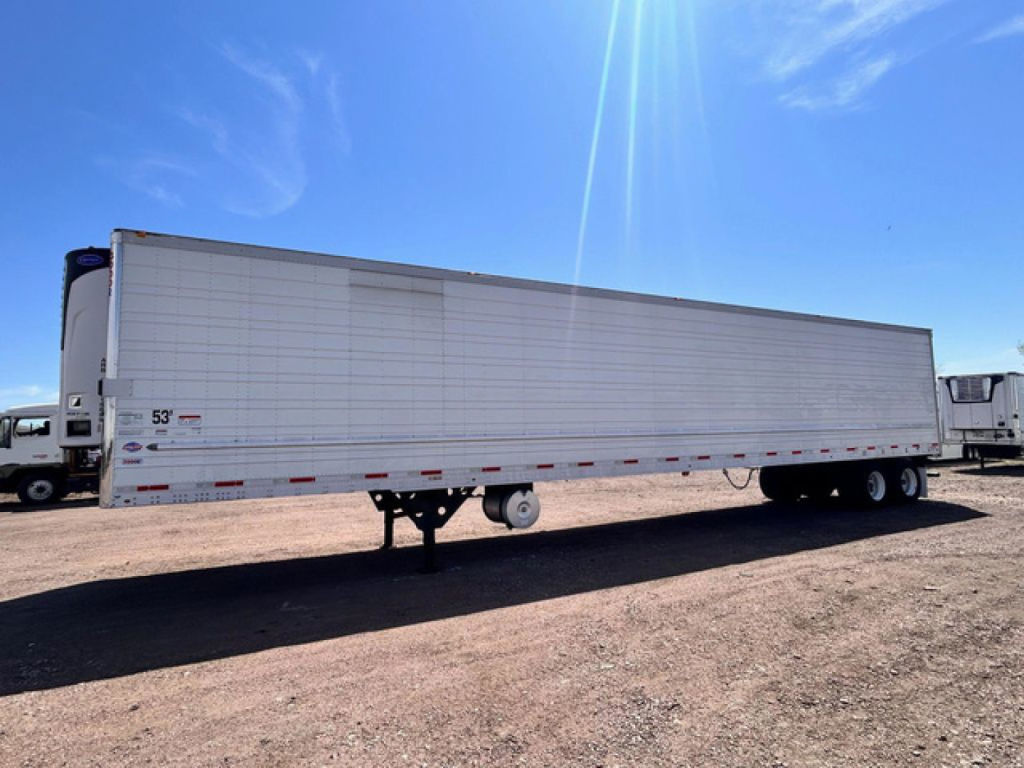
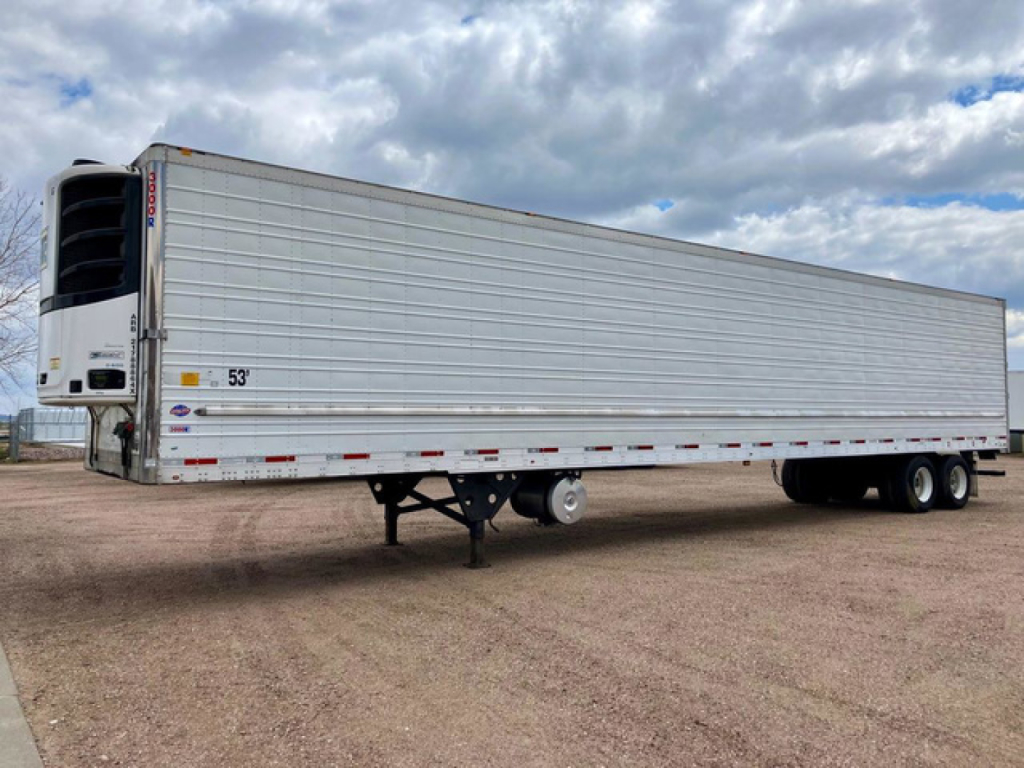
2022 Utility Reefer
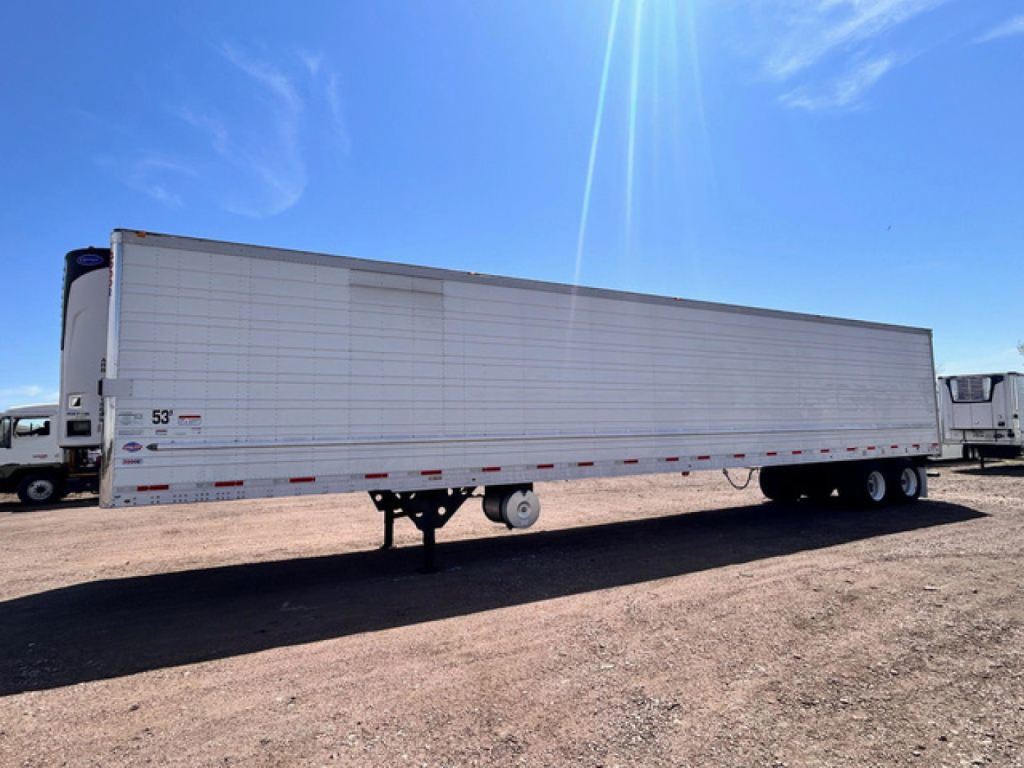
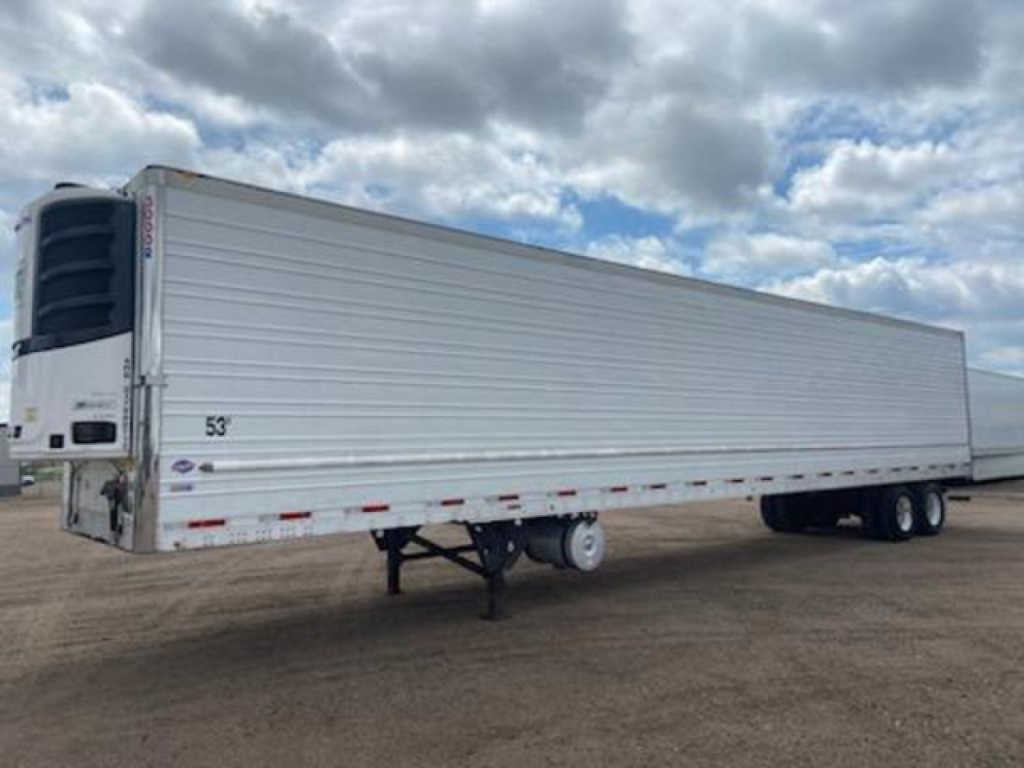
Have used 2022 refrigerated trailer to sell? List it here to reach thousands of buyers.
Used 2022 Refrigerated Trailers
The reefer unit deserves the closest inspection. Buyers should look at engine hours, maintenance records, unit model, defrost performance, and pull-down time under load. A 2022 refrigerated trailer may carry a unit such as a Carrier X4 series or Thermo King C-series, and both are widely supported in dealer and independent service networks. Unit hours can matter as much as trailer miles, especially in multi-temp or high-idle applications. It is also smart to confirm whether the trailer is configured for continuous run, start-stop operation, electric standby, or data logging if the freight profile requires tighter temperature control or compliance documentation.
Trailer body and interior condition are just as important as the refrigeration package. Buyers should inspect the lining for punctures, delamination, and prior patchwork, especially around scuff bands, bulkhead contact points, and rear door openings. Floor type matters by application. Aluminum duct floors are common for palletized refrigerated freight because they help maintain airflow under the load, while flat floors may fit specialized use. Door seals, rear frame condition, suspension wear, tire condition, and brake life all affect total operating cost. On used 2022 reefers, it is worth checking for swing door alignment, roof integrity, crossmember corrosion, and any signs of moisture intrusion that can reduce thermal efficiency.
Spec selection should match lane, freight, and dock environment. Fleets running long regional or coast-to-coast lanes often prioritize air-ride, aerodynamic skirts, low rolling resistance tires, and trailer tracking systems. Local delivery operations may care more about door cycle durability, interior impact protection, and easy service access to the reefer unit. Kingpin setting, tandem slide range, and empty weight also matter because refrigerated trailers are heavier than dry vans and can limit payload on dense freight. A well-spec'd used 2022 refrigerated trailer can still offer modern insulation performance, reliable temperature management, and strong resale value when the maintenance history and unit condition are right.
Frequently Asked Questions about Used 2022 Refrigerated Trailers
What should I check first on a used 2022 refrigerated trailer?
Start with the refrigeration unit, then move to the trailer body. Confirm the unit make and model, engine hours, service history, operating mode, and whether it holds setpoint under real load conditions. After that, inspect the floor, lining, door seals, rear frame, suspension, brakes, tires, and roof. On a reefer, small issues with insulation, airflow, or door sealing can quickly turn into product loss or claim exposure.
How many hours is a lot for a 2022 reefer unit?
There is no universal cutoff because reefer unit hours depend on application, climate, and operating mode. A trailer used in food distribution with continuous run can accumulate hours quickly and still be a sound buy if maintenance is documented. Higher hours become less concerning when the unit has a strong service record, clean alarm history, and good performance on pre-trip and pull-down tests. Buyers should judge hours together with maintenance quality, not by the number alone.
Are 2022 refrigerated trailers usually 53 feet?
Yes, 53-foot refrigerated trailers are the most common spec in this market because they fit standard over-the-road and dedicated contract freight. Most are tandem axle units with swing doors, air-ride suspension, and duct floors for proper airflow under pallets. Shorter lengths do exist for regional, city, or specialized applications, but 53-foot reefers dominate the used late-model market.
What is the difference between a refrigerated trailer and a dry van with an insulated body?
A refrigerated trailer, also called a reefer trailer, is designed to actively control cargo temperature with an integrated refrigeration unit. An insulated van body may slow temperature change, but it does not provide the same cooling capacity, pull-down performance, or setpoint control. For food-grade, frozen, or pharmaceutical shipments, a true reefer trailer is typically required to maintain product integrity and meet shipper standards.
Do aerodynamic options matter on a used 2022 reefer?
Yes, especially on high-mile operations. Side skirts, proper tire spec, tire inflation systems, and wheel-end condition can all affect fuel economy and uptime. Reefers already carry more tare weight and more mechanical complexity than dry vans, so reducing drag and preventing tire-related roadside events can help offset operating costs over the life of the trailer. These features matter most when the trailer will run steady highway miles rather than short local routes.