
Used Great Dane Refrigerated Trailers For Sale
Shop used Great Dane refrigerated trailers with common reefer specs, unit options, insulation details, and maintenance points buyers should review.
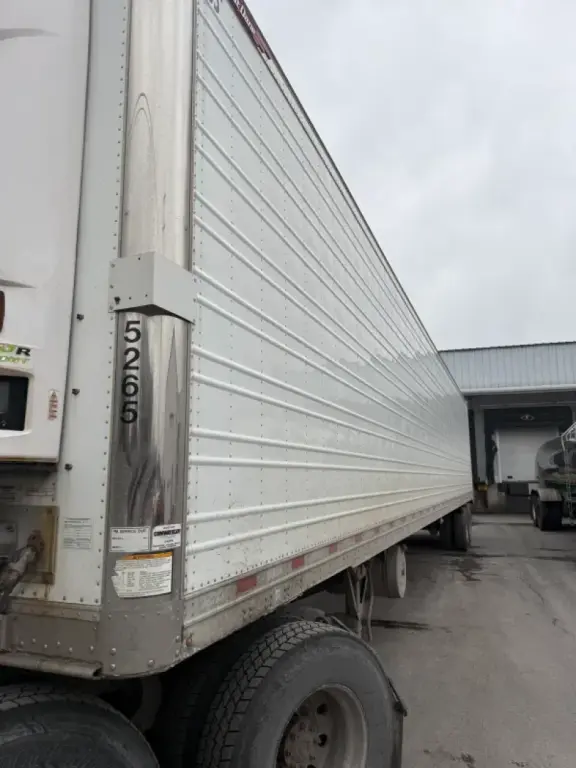
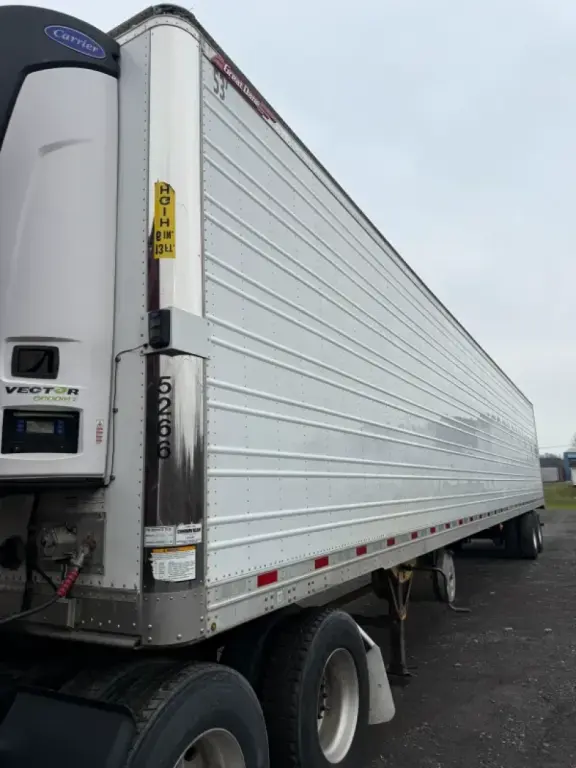

Selling a used great dane refrigerated trailer? List your used great dane refrigerated trailer for sale and reach thousands of commercial buyers.
Used Great Dane Refrigerated Trailers
The reefer unit matters as much as the box. On used Great Dane refrigerated trailers, unit model, engine hours, maintenance history, and pull-down performance should be reviewed before anything else. Common units in this class include Thermo King S-600, C-600, and Spectrum series, along with Carrier 7500 series systems. Multi-temp trailers can be valuable for LTL grocery and route distribution, but they add complexity through bulkheads, additional evaporators, and more controls to maintain. For straight truckload produce or frozen freight, a single-temp setup is often simpler and less expensive to keep in service. Buyers should also confirm whether the trailer has a chute or air delivery system, and whether the floor is ducted aluminum, flat floor, or another configuration suited to the intended commodity.
Great Dane construction details are worth close attention because insulation performance and interior durability drive long-term operating cost. ThermoGuard and other insulated liner systems, scuff protection, stainless rear hardware, and quality door seals all affect temperature retention and sanitation. Swing doors are common for dock work and full-load operations, while roll-up doors may appear on distribution-oriented units where repeated stop-and-go access matters more. On a used trailer, check the interior lining for punctures, soft spots, delamination, and prior patch work. Also inspect the floor for channel wear from pallets and forklifts, and verify that the trailer can hold setpoint under load without excessive unit cycling.
Running gear condition still decides the real cost of a used reefer. Air ride suspension is standard on many fleet-spec Great Dane trailers, and buyers should inspect bushings, shocks, ride height, slider operation if equipped, brake components, wheel ends, and tire condition across all positions. Tire inflation systems such as PSI can reduce roadside issues, but they should be checked for leaks and proper function. Reefer buyers should also look at reefer fuel tank condition, electrical harnesses, hour meter readings, structural repairs, and signs of corrosion around the rear frame, crossmembers, and mounting points. A well-maintained used Great Dane reefer can be a strong fit for regional grocery, long-haul food service, and dedicated cold-chain freight, especially when the box condition and refrigeration service records are as solid as the chassis.
Frequently Asked Questions about Used Great Dane Refrigerated Trailers
What should I check first on a used Great Dane refrigerated trailer?
Start with the refrigeration unit, trailer body integrity, and maintenance records. The reefer unit model, engine hours, service history, and actual cooling performance matter more than cosmetic appearance. After that, inspect the insulated box for lining damage, floor wear, door seal condition, and evidence of water intrusion or delamination. Running gear, brakes, tires, suspension, and wheel ends should be reviewed closely because deferred chassis maintenance can erase any savings on the purchase price.
Are Great Dane reefers commonly equipped with Thermo King or Carrier units?
Yes. Used Great Dane refrigerated trailers are commonly found with either Thermo King or Carrier refrigeration units, depending on the original fleet specification. Thermo King S-600, C-600, and Spectrum units are common, and Carrier 7500 series units also show up regularly in this class. The better choice usually comes down to local dealer support, technician familiarity, parts availability, and the specific service history of the unit rather than brand name alone.
Is a multi-temp Great Dane reefer better than a single-temp trailer?
It depends on the freight mix. A multi-temp trailer is useful for grocery distribution and route work where frozen, cooler, and fresh products need to move together. It gives more flexibility but adds bulkheads, evaporators, controls, and extra maintenance points. A single-temp reefer is usually the simpler and lower-cost option for full truckload produce, dairy, or frozen freight where one setpoint is all that is needed.
What body and interior features matter most on a used reefer trailer?
Floor type, liner condition, insulation performance, and door configuration are the main body features to evaluate. Duct floors and produce chutes help manage airflow for certain commodities, while a flat floor may suit other freight and loading patterns. Interior scuff liners, puncture-resistant wall materials, and tight door seals help the trailer hold temperature and stand up to repeated pallet loading. Damage to the lining or floor can reduce thermal efficiency and increase repair costs.
How many reefer unit hours is too many on a used refrigerated trailer?
There is no single cutoff because hours only tell part of the story. A reefer unit with higher hours but documented preventive maintenance, recent repairs, and strong operational performance can be a better buy than a lower-hour unit with poor records. Buyers should compare hour meter readings with age, look for major service items already completed, and verify the unit starts cleanly, reaches setpoint properly, and maintains temperature without abnormal alarms or excessive cycling.