
Used Utility Refrigerated Trailers For Sale
Shop used Utility refrigerated trailers with common reefer specs, unit options, liner types, suspension details, and fleet-focused buying guidance.
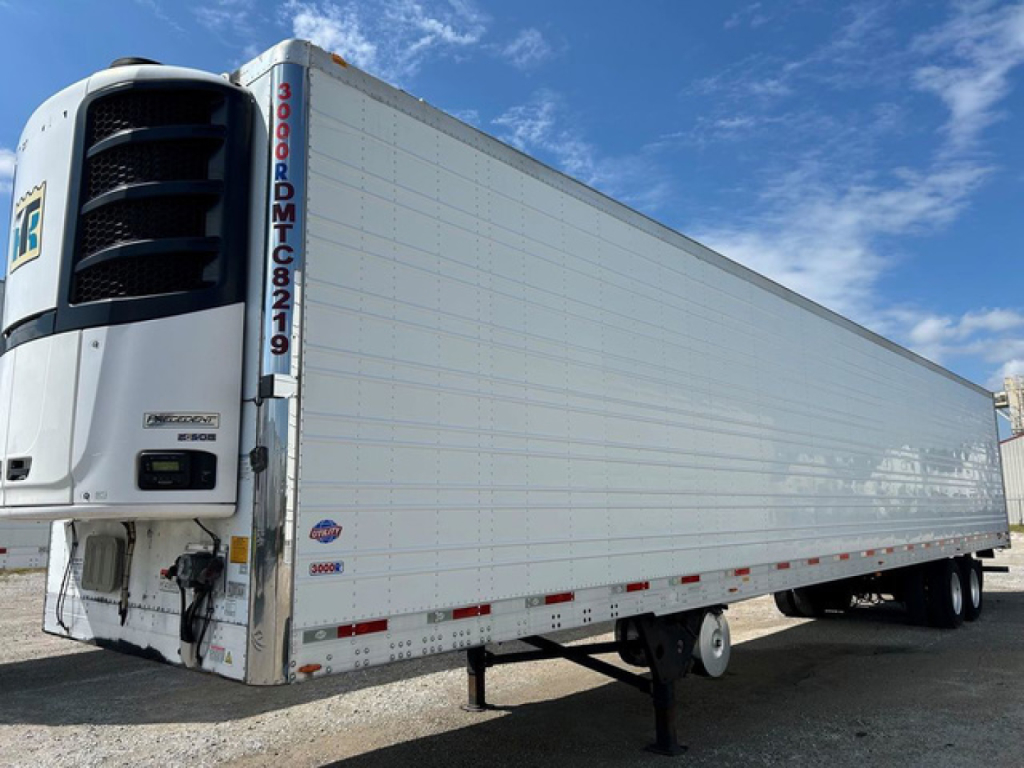
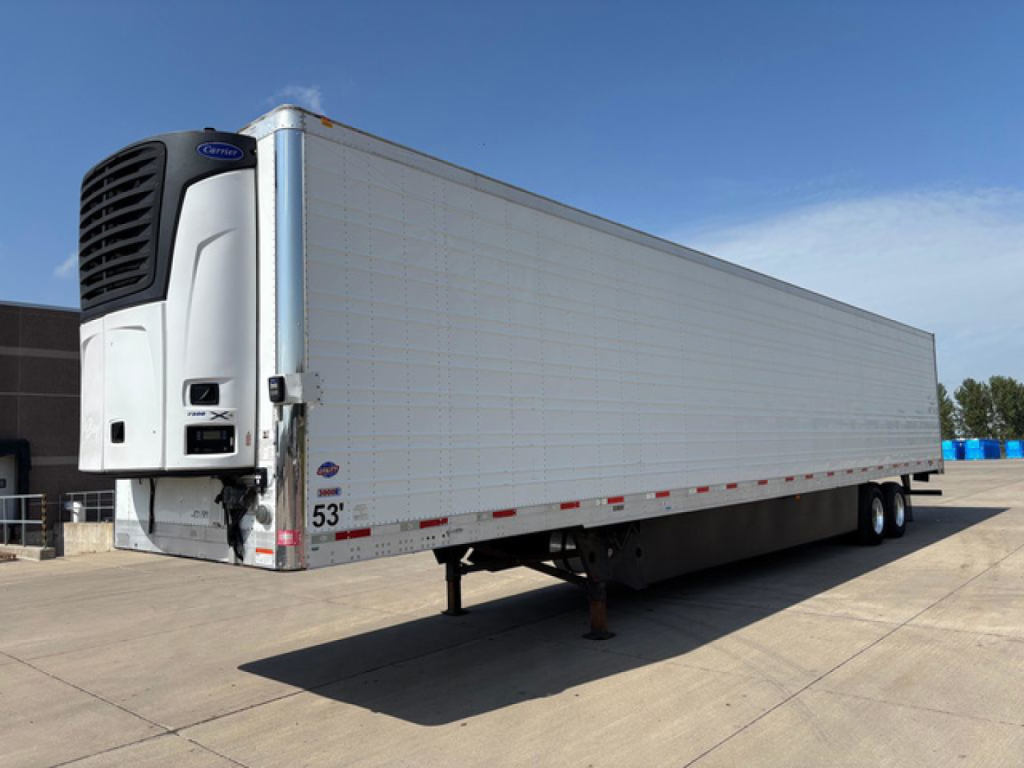
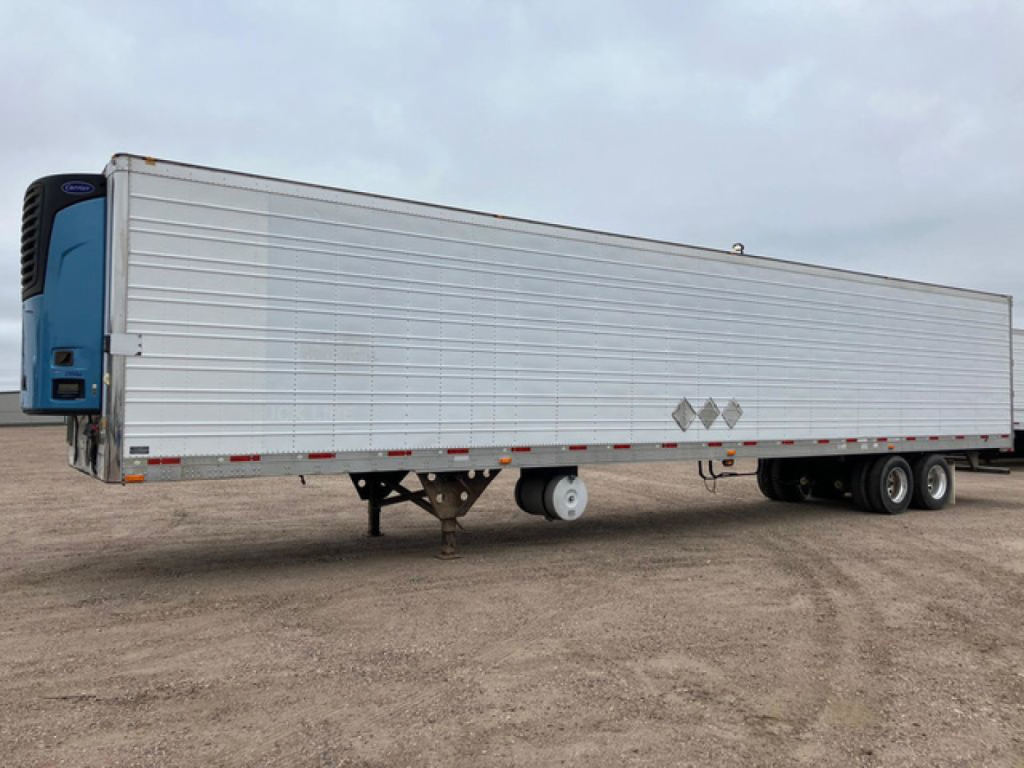
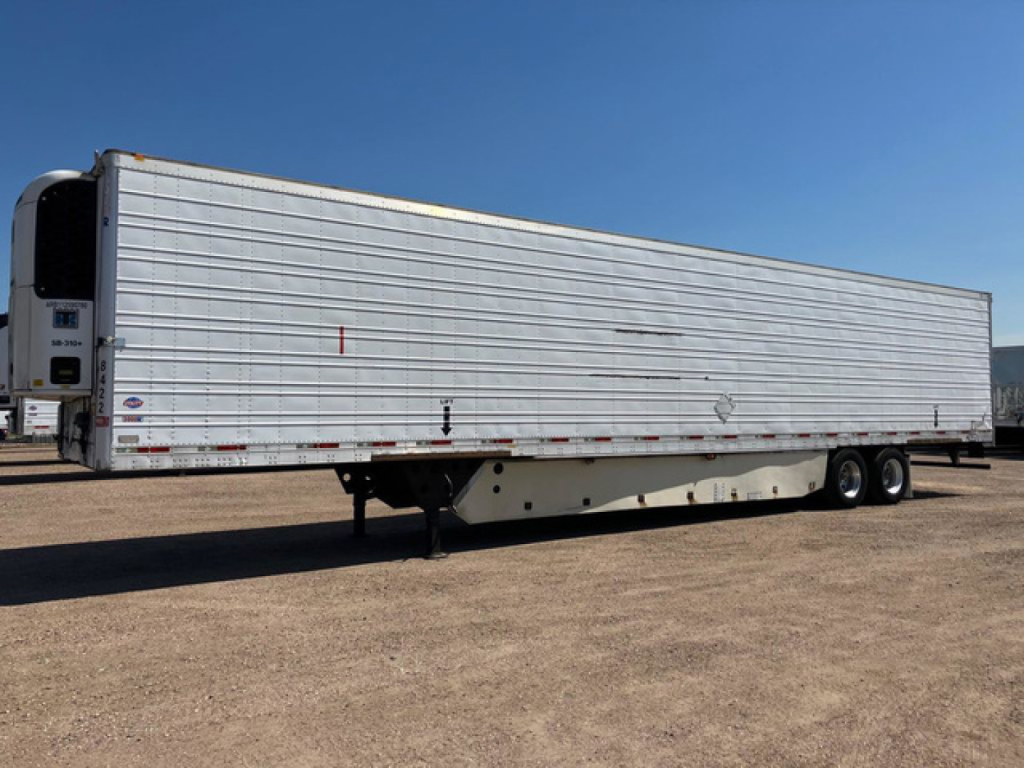
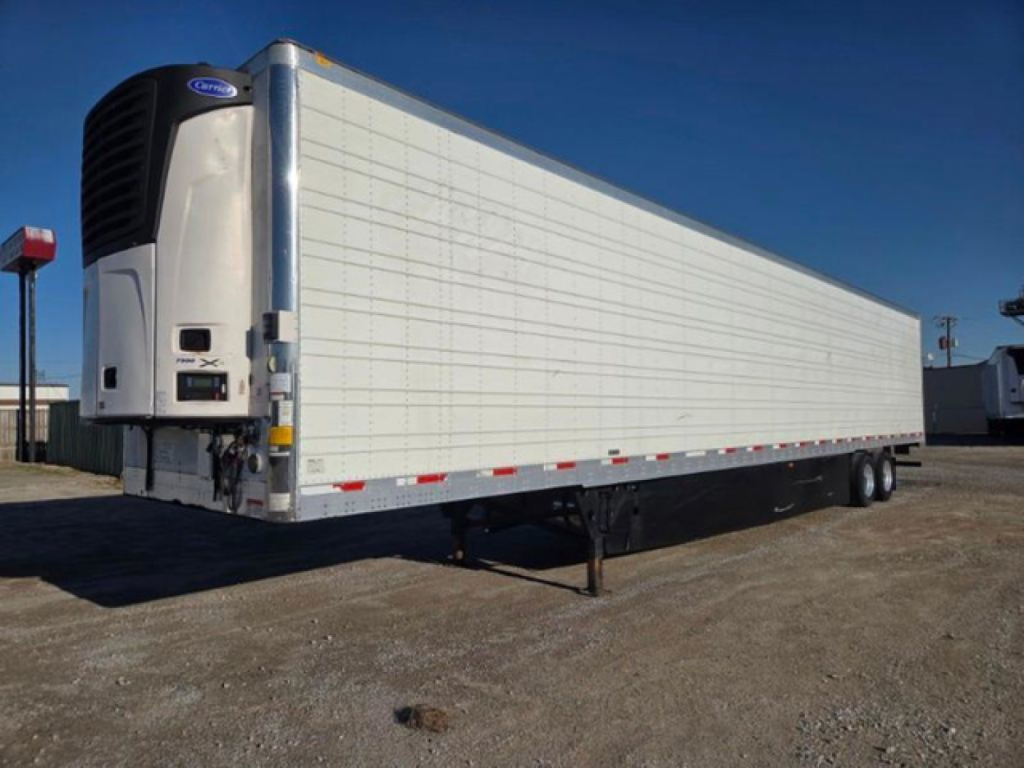
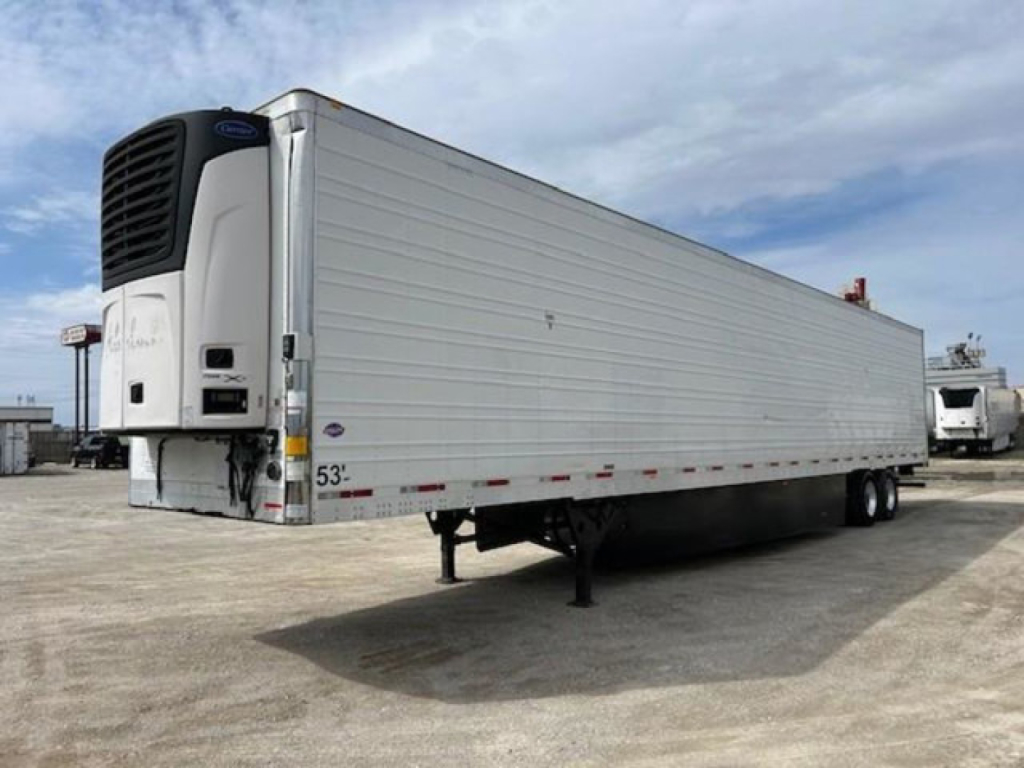
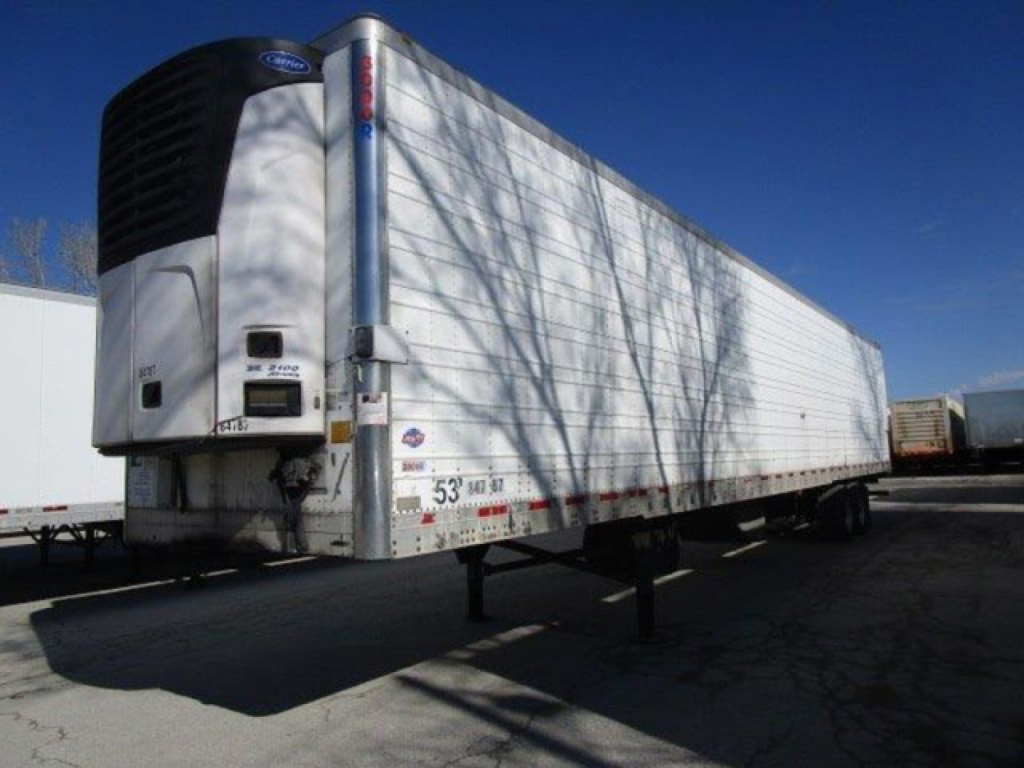
2012 Utility Reefer
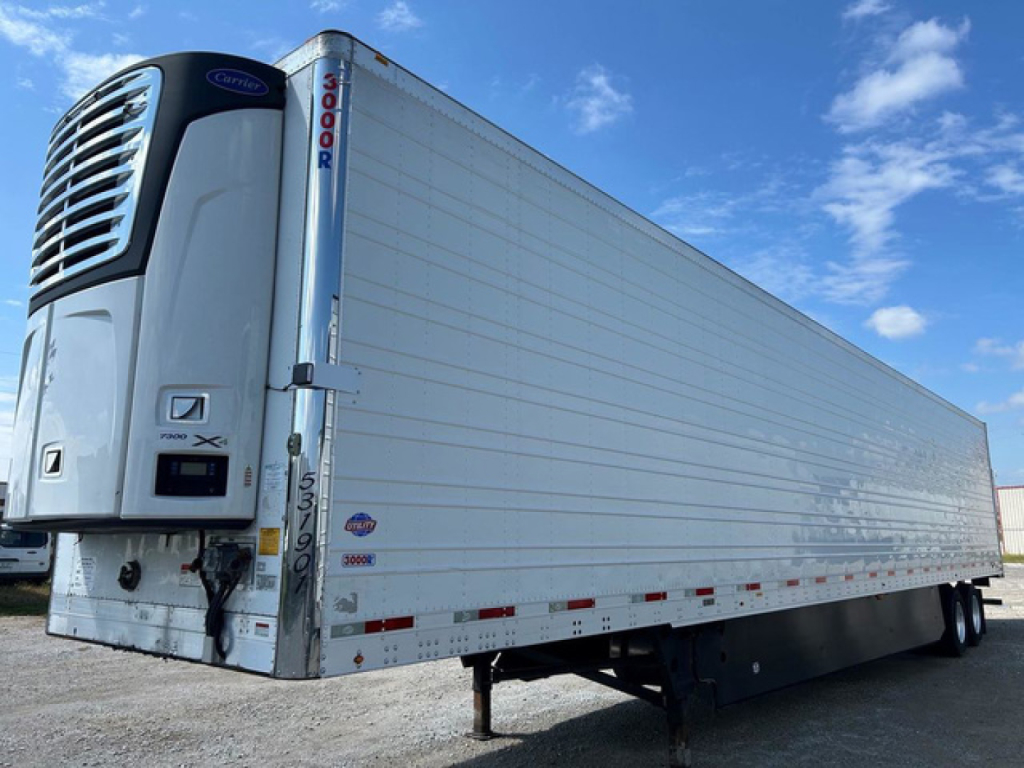
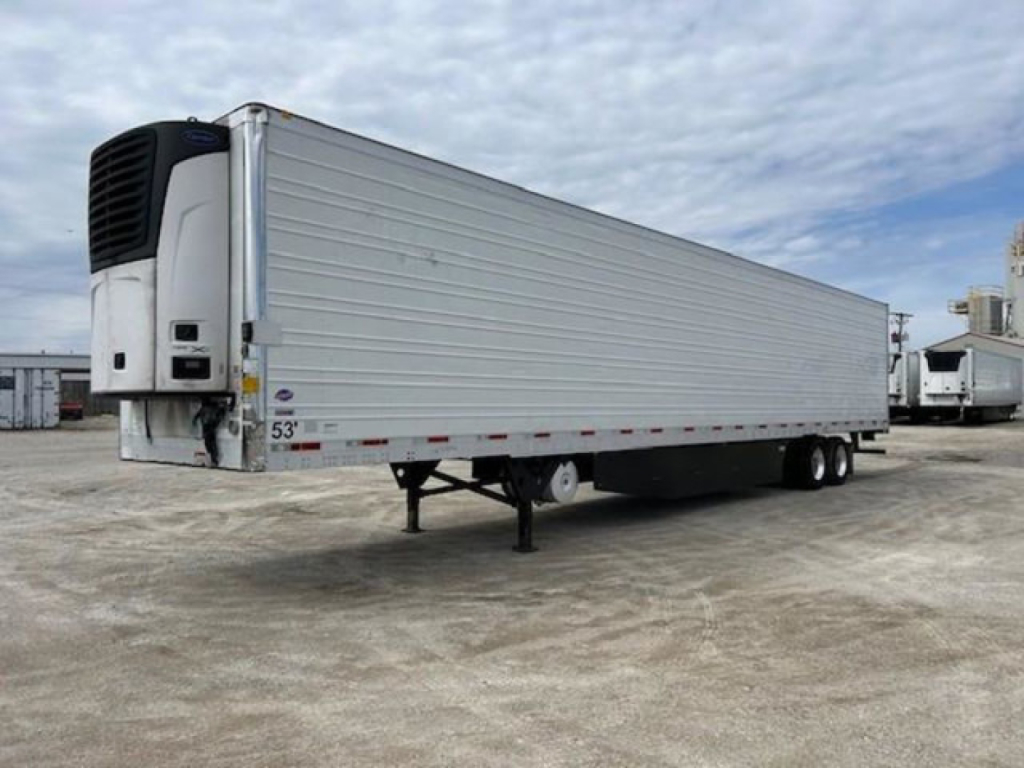

Selling a used utility refrigerated trailer? List your used utility refrigerated trailer for sale and reach thousands of commercial buyers.
Used Utility Refrigerated Trailers
A smart comparison starts at the nose and works back. Check the reefer unit model and hours, then look at the evaporator area, bulkhead condition, drain function, and signs of past temperature-control issues. Inside the box, many Utility reefers are equipped with liner packages such as Versitex or Armor, and that detail matters if the trailer has spent years in heavy distribution work. Scuff liner condition, punctures in the interior walls, floor channel wear, and rear frame damage all affect sanitation, airflow, and the trailer's ability to hold temperature under load. Swing doors are common, and the condition of hinges, seals, and door frames can tell you a lot about how hard the trailer has worked.
Running gear is just as important as the cold box. Many used Utility refrigerated trailers are spec'd with air ride suspension, aluminum wheels, and automatic tire inflation systems, which can reduce tire-related downtime and help protect cargo. Tire tread depth, brake life, rotor or drum condition, and axle alignment should be reviewed closely because reefer trailers often rack up steady highway miles with frequent stop-and-drop cycles. Buyers hauling heavier multi-temp or dense food freight should also confirm tare weight, floor rating, and any liftgate or distribution-style modifications that may affect payload and service access.
Some older Utility refrigerated trailers are sold without an operating reefer unit and are used as insulated storage trailers instead of over-the-road temperature-controlled equipment. That can still be a practical buy if the box is sound and your application is yard storage, on-site cold storage conversion, or seasonal warehousing. For road use, the strongest used candidates are the ones with documented unit service, clean interior walls and floor, solid rear frame structure, and no evidence of chronic air leaks or deferred maintenance. Utility remains a well-known reefer brand in the secondary market because parts support, fleet familiarity, and straightforward specs make these trailers easier to evaluate than many niche alternatives.
Frequently Asked Questions about Used Utility Refrigerated Trailers
What should I check first on a used Utility refrigerated trailer?
Start with the refrigeration unit make, model, and total hours, then inspect the box itself for its ability to hold temperature. Unit hours, service records, door seal condition, interior liner damage, floor wear, and signs of air leaks are more important than cosmetic appearance. A clean trailer with weak insulation or a neglected reefer unit can become expensive quickly, so buyers should prioritize temperature integrity and service history over paint and polish.
Are Utility reefer trailers commonly equipped with Carrier or Thermo King units?
Yes. Used Utility refrigerated trailers are frequently found with either Carrier or Thermo King refrigeration units, and both are common in fleet service. The better choice usually depends less on brand loyalty and more on the specific unit's hours, maintenance history, local dealer support, and emissions-system condition. Buyers should compare unit age, preventive maintenance records, and controller functionality before focusing on the nameplate alone.
What is the difference between a road-ready reefer trailer and a storage reefer trailer with no unit?
A road-ready reefer trailer has an operating refrigeration unit and should be evaluated for temperature performance, fuel system condition, and DOT-ready running gear. A storage trailer with no unit is typically being used as an insulated box for static yard storage and is not automatically suited for over-the-road refrigerated service. The absence of a unit can still make sense for warehouse overflow or plant storage, but the trailer's value and application are very different from a freight-hauling reefer.
Do liner types like Versitex or Armor matter on a used Utility reefer?
They do matter because liner condition affects sanitation, durability, and resistance to forklift or pallet damage. A trailer with intact interior lining, solid scuff protection, and minimal punctures is generally easier to clean and better at maintaining airflow and temperature consistency. Buyers in foodservice and grocery work should pay close attention to wall condition, floor channels, and any repairs around the bulkhead or evaporator area.
Are tire inflation systems and air ride suspension worth paying attention to on a used reefer?
Yes. Automatic tire inflation systems can reduce roadside tire failures and help maintain more even wear across a trailer that runs long mileage. Air ride suspension is also a common and desirable spec because it helps protect sensitive cargo and is widely accepted in food and retail distribution. These features do not replace a proper inspection, but they can improve operating efficiency and help a used Utility reefer fit into a fleet's maintenance program more easily.