
Used Utility Refrigerated Trailers For Sale in Iowa
Browse used Utility refrigerated trailers in Iowa. Compare reefer specs, Carrier units, insulation, suspension, doors, and trailer condition.
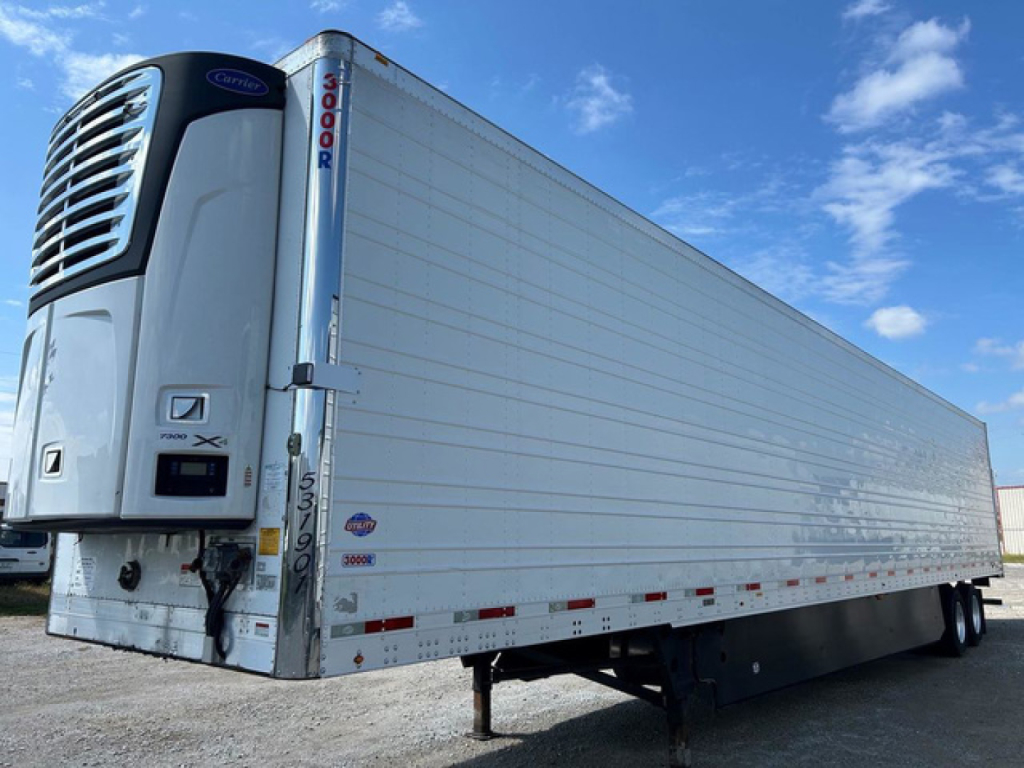
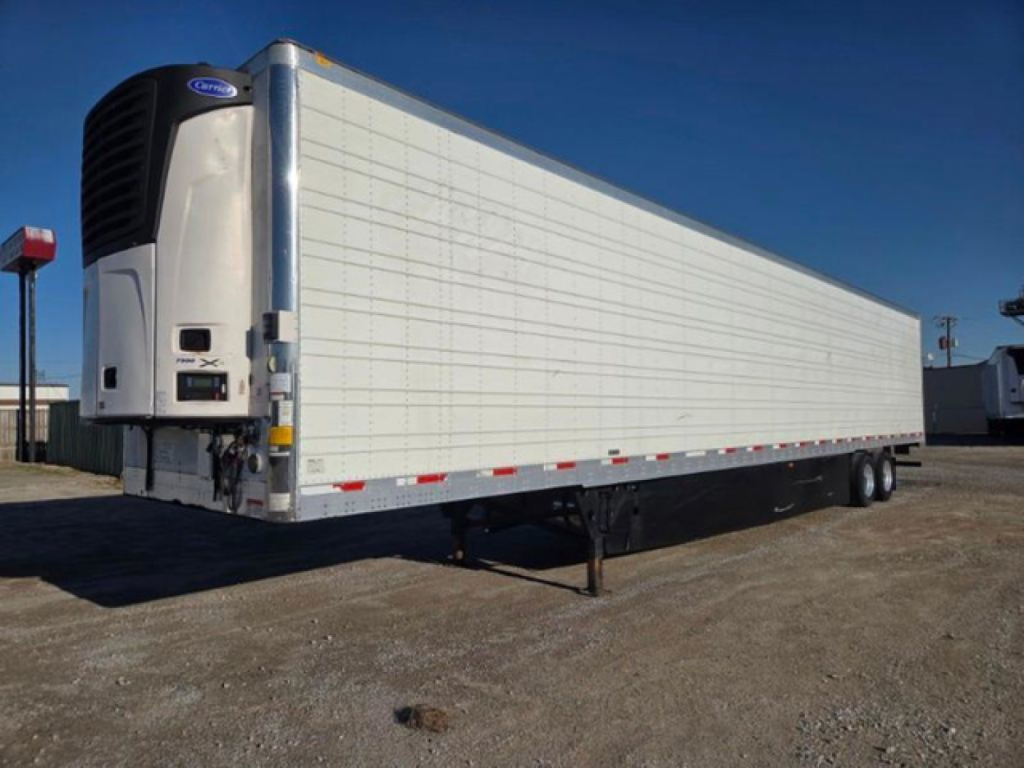
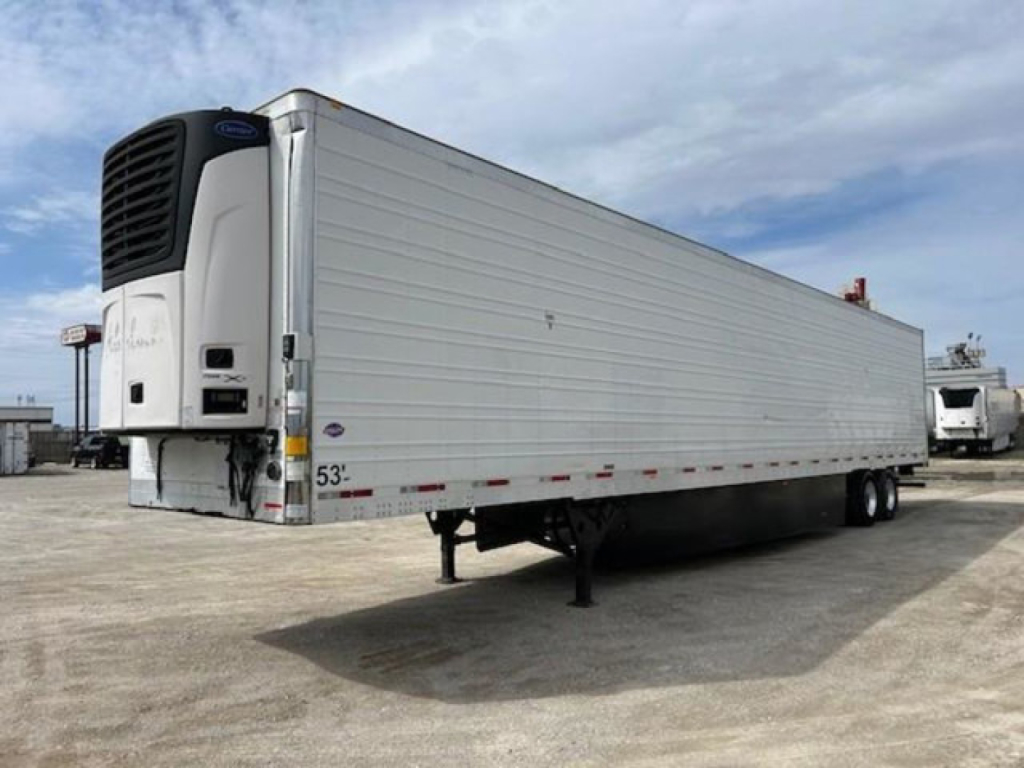
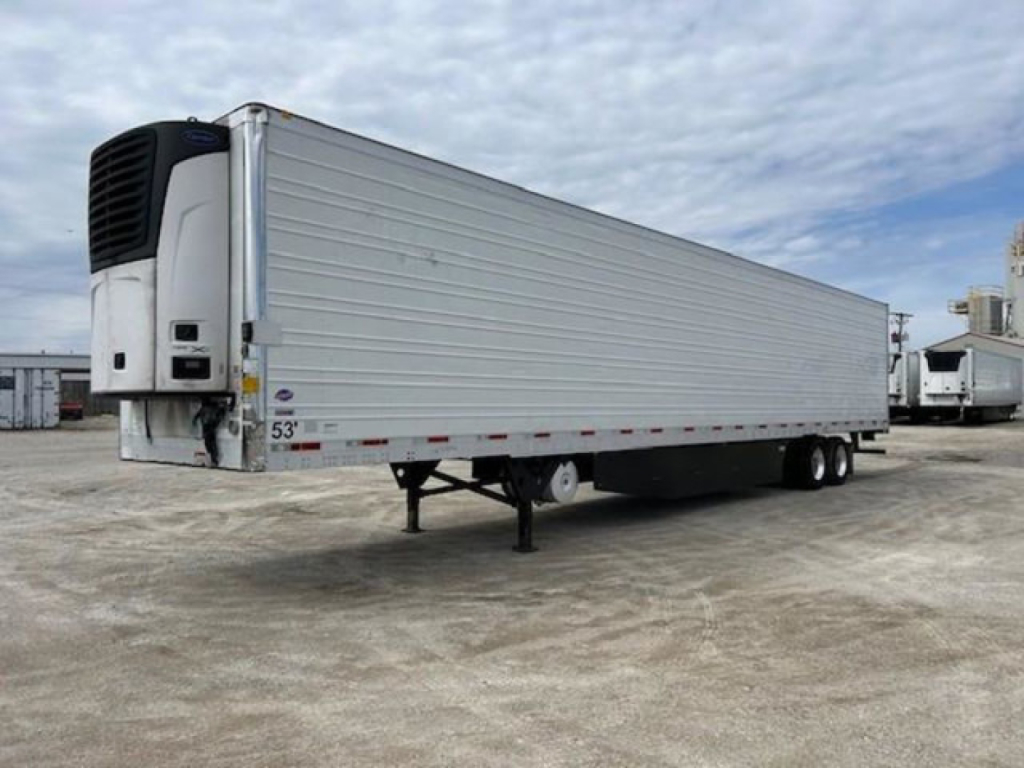

Selling a used utility refrigerated trailer? List your used utility refrigerated trailer for sale and reach thousands of commercial buyers.
Used Utility Refrigerated Trailers in Iowa
The reefer unit deserves as much attention as the trailer body. Unit hours, maintenance history, pull-down performance, and defrost operation are more important than model year alone. A used Utility reefer with moderate engine hours and a clean service record can be a better value than a newer trailer with deferred reefer maintenance. Buyers should also inspect the insulation package, evaporator area, interior liner condition, and floor design. Utility trailers often show liner materials such as Versitex, Armor, or Kemlite, and each should be checked for punctures, delamination, staining, and previous repairs. Floor condition matters if the trailer will handle heavy pallet jack traffic, beverage loads, or multi-stop grocery work where wear accumulates quickly around the threshold and rear sill.
Spec differences can change the trailer's fit for the job. Air ride suspension is popular for protecting delicate refrigerated freight, while tire inflation systems, aerodynamic skirts, aluminum wheels, and drum brakes are common on late-model fleet trailers. Door setup is also important. Standard swing doors are typical for dock loading, while roll-up doors and side-door configurations can suit specialized applications such as route delivery, compartment service, or liquid tender support. In Iowa, buyers should pay close attention to corrosion around the rear frame, crossmembers, landing gear structure, and suspension components due to year-round weather exposure, road salt, and wash cycles. Tire condition, measured in remaining tread depth, gives a quick read on near-term operating cost, but brake wear, air system leaks, and reefer fuel tank condition should also be part of the inspection.
Utility refrigerated trailers hold value because they are familiar to technicians, accepted by major shippers, and available in fleet-friendly specs. For buyers comparing several used reefers, the best unit is usually the one with the strongest combination of reefer service records, clean interior condition, sound floor and door seals, and a suspension and brake setup that matches the lane. If the freight is frozen, continuous-run capability and insulation integrity matter most. If the work is regional grocery or mixed-temp distribution, look closely at door cycles, unit hours, and how well the trailer has held up under repeated loading and unloading.
Frequently Asked Questions about Used Utility Refrigerated Trailers in Iowa
What should I check first on a used Utility refrigerated trailer?
Start with the reefer unit, the trailer interior, and the structural condition. Confirm the refrigeration unit model, engine hours, service records, and operating performance under load or during a pull-down test. Then inspect the liner, floor, door seals, bulkhead area, and evaporator section for damage or signs of poor temperature retention. Finish with the undercarriage, including suspension, brakes, tires, crossmembers, and corrosion points around the rear frame and landing gear.
Are Carrier X4 7300 and X4 7500 units common on Utility reefers?
Yes. Carrier Transicold X4 7300 and X4 7500 units are commonly found on late-model Utility refrigerated trailers. They are widely used in fleet applications and generally have strong parts and service support. The right choice depends less on the badge and more on hours, maintenance history, calibration, and whether the unit has been properly serviced for the temperature range and duty cycle you plan to run.
What interior features matter most in a used reefer trailer?
The interior should be judged on insulation integrity, liner condition, floor wear, and door sealing. Common liner materials such as Versitex, Armor, and Kemlite can all perform well if they are intact and clean. Look for cracks, punctures, patched sections, moisture intrusion, and impact damage from freight or forklifts. A damaged liner or worn floor can lead to sanitation issues, air loss, and higher operating cost over time.
Is air ride suspension important on a refrigerated trailer?
Air ride suspension is a major advantage for many refrigerated applications because it helps protect sensitive freight and reduces vibration during transit. It is especially useful for food-grade loads, produce, dairy, and other cargo that can shift or bruise. On a used trailer, inspect the air bags, shocks, ride height components, and trailing arm area to make sure the suspension is not only present but also in good working condition.
How do I know if a used Utility reefer is right for regional or multi-stop work?
Look at door configuration, reefer hours, floor condition, and the trailer's overall wear pattern. Multi-stop regional service creates more door cycles, more threshold wear, and more stress on the refrigeration system because temperature recovery happens repeatedly throughout the day. A trailer set up with durable flooring, tight door seals, reliable start-stop or continuous-run operation, and a clean interior is usually a better fit for grocery and route-style refrigerated work.