
Used 2021 Utility Refrigerated Trailers For Sale
Shop used 2021 Utility refrigerated trailers. Compare reefer specs, floor types, insulation, reefer units, suspension, and operating hours.
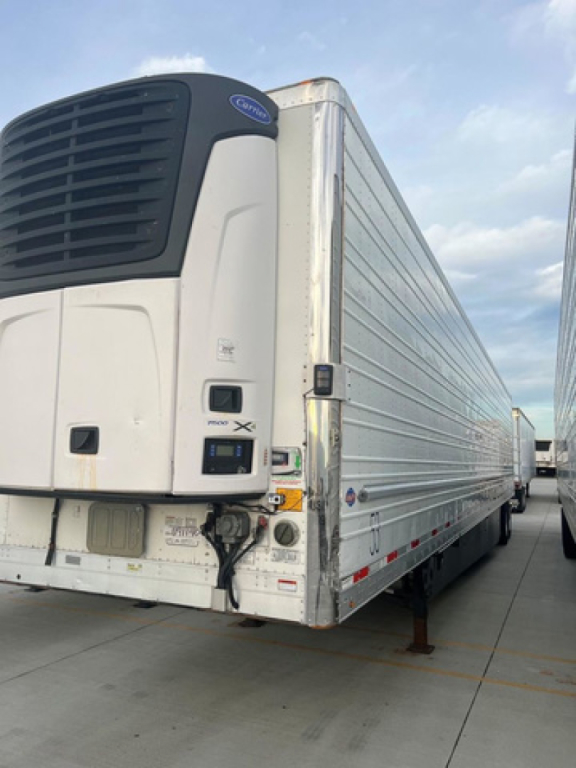

Have used 2021 utility refrigerated trailer to sell? List it here to reach thousands of buyers.
Used 2021 Utility Refrigerated Trailers
On a 2021 model, the reefer unit deserves the closest review. Buyers should look at engine hours, start-stop history, fuel system condition, download records, and whether the unit has been maintained on schedule. A trailer with moderate unit hours and documented PMs can be a better value than one with lower hours but poor service records. Confirm the unit model, refrigeration capacity, and temperature control features if the trailer will handle mixed loads, deep-frozen freight, or frequent multi-stop delivery work. Interior specs also matter. Utility trailers are commonly seen with liners such as Versitex or similar composite panels, and buyers should inspect for punctures, delamination, patched areas, and evaporator damage. Floor design is another key decision, especially if you run heavy pallet jack traffic, meat rails, or washdown-intensive applications.
The trailer body and running gear should be evaluated with the same discipline as the refrigeration package. Air-ride suspension is typical and helps protect sensitive freight, but suspension wear, axle alignment, brake condition, and tire life still drive ownership cost. Tire inflation systems can be a plus on high-mileage regional and over-the-road operations. Check rear frame condition, door seals, hinge wear, floor wear bands, scuff liners, and the front wall for impact or moisture intrusion. On a used 2021 reefer, buyers should also verify insulation integrity and look for signs of previous body repairs, since hidden thermal loss shows up later as longer run times and higher fuel consumption.
Utility refrigerated trailers, also known as reefer trailers, are usually chosen for freight that cannot tolerate temperature swings or delayed pulldown times. The right spec depends on lane length, commodity, loading frequency, and dock conditions. A trailer used in high-cycle food distribution may need different flooring, interior protection, and unit settings than one hauling long-haul frozen freight. Buyers comparing listings should focus on reefer brand and model, hours, door configuration, interior dimensions, suspension, tire condition, and evidence of clean, consistent maintenance. A used 2021 Utility reefer can be a very efficient purchase when the trailer structure is sound and the refrigeration system has been properly cared for.
Frequently Asked Questions about Used 2021 Utility Refrigerated Trailers
What should I check first on a used 2021 Utility refrigerated trailer?
Start with the refrigeration unit, then move to the trailer body. Unit hours, service records, alarm history, and operating performance are usually the biggest indicators of future cost. After that, inspect the floor, liner condition, door seals, rear frame, suspension, brakes, tires, and signs of insulation or moisture damage. A reefer trailer can look clean and still have expensive deferred maintenance in the cooling system or body structure.
Are Utility reefer trailers typically equipped with Carrier or Thermo King units?
Yes. Utility refrigerated trailers are commonly found with either Carrier or Thermo King units, and both are widely supported in the market. The better choice usually depends less on brand alone and more on unit hours, maintenance history, local dealer support, and whether the model fits your operating profile. A well-maintained unit with complete records is generally more valuable than a specific brand with an unknown history.
How important are reefer unit hours on a 2021 trailer?
Reefer hours matter because they affect maintenance intervals, expected wear, and resale value, but hours should not be judged in isolation. A higher-hour unit with consistent preventive maintenance, clean downloads, and proper repairs may be a better buy than a lower-hour unit that has sat unused or been poorly serviced. Buyers should review both total hours and the overall condition of the refrigeration system before making a decision.
What floor and interior features matter most on a refrigerated trailer?
Floor type and interior protection should match the freight. Heavy palletized freight and constant dock work can accelerate wear, so buyers should inspect for soft spots, excessive gouging, cracked thresholds, and damaged wear bands or scuff liners. The interior liner should be intact and easy to sanitize, especially in foodservice and grocery applications. Damage inside the box can reduce thermal efficiency and increase repair cost.
Is a used 2021 Utility reefer a good fit for regional and long-haul operations?
In many cases, yes. A 2021 Utility reefer is new enough to offer modern trailer construction and common fleet-friendly specs, but old enough to avoid the cost of a new unit. It can work well in regional distribution, dedicated grocery, produce, frozen freight, and long-haul temperature-controlled service if the reefer unit, insulation, and running gear are in good condition. The best fit depends on your commodity, stop count, and maintenance standards.