
Used Refrigerated Trailers For Sale in South Dakota
Browse used refrigerated trailers in South Dakota with reefer units, air ride, insulated bodies, and specs built for cold-chain hauling.
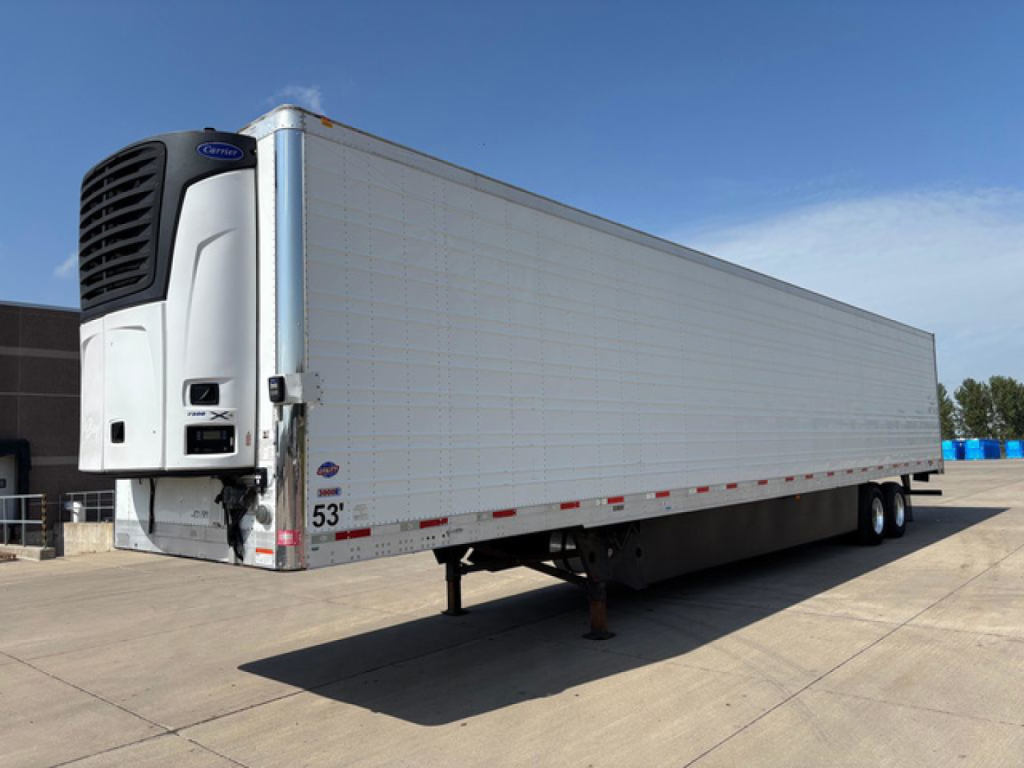
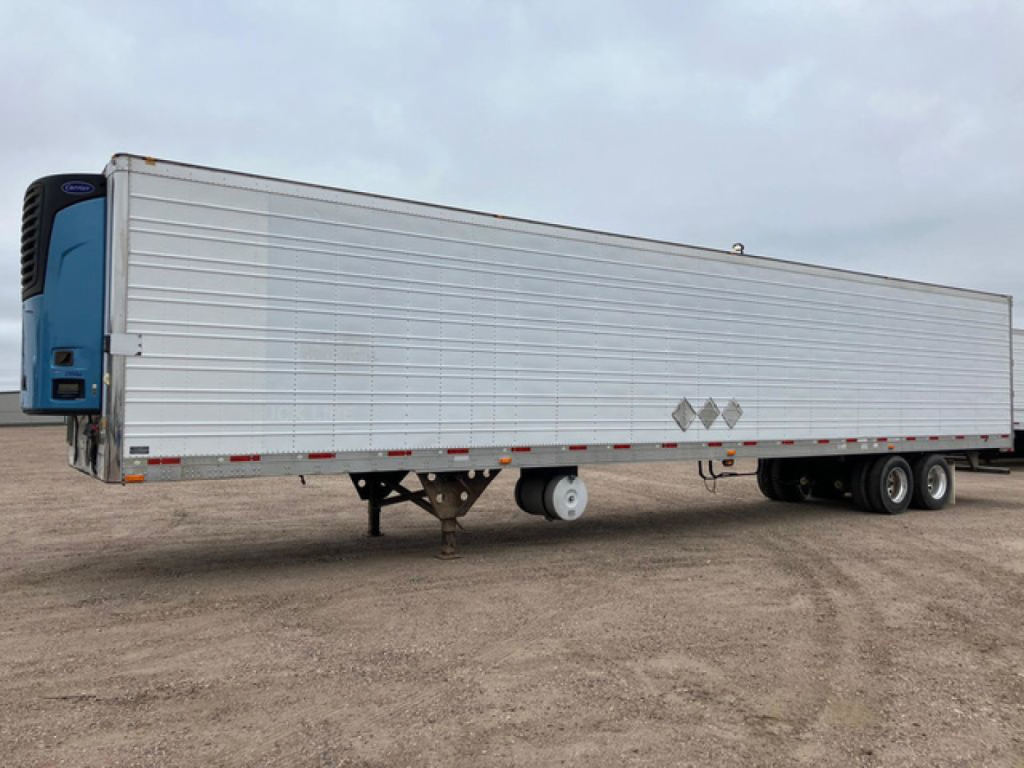
2012 Utility Reefer

Selling a used refrigerated trailer? List your used refrigerated trailer for sale and reach thousands of commercial buyers.
Used Refrigerated Trailers in South Dakota
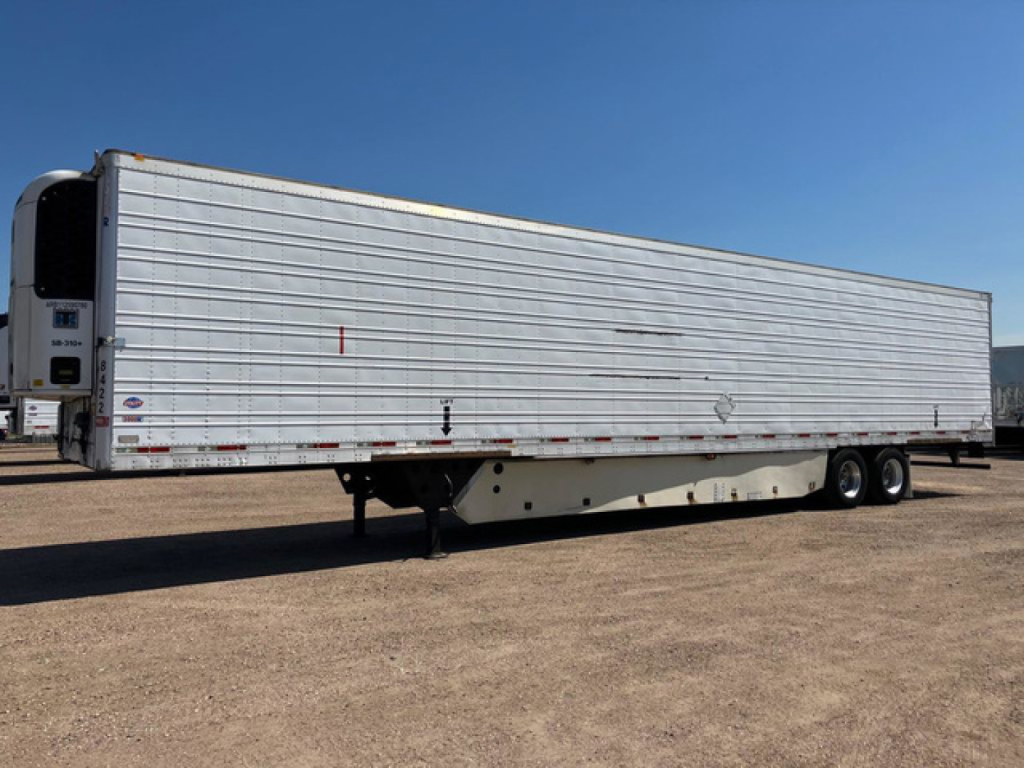
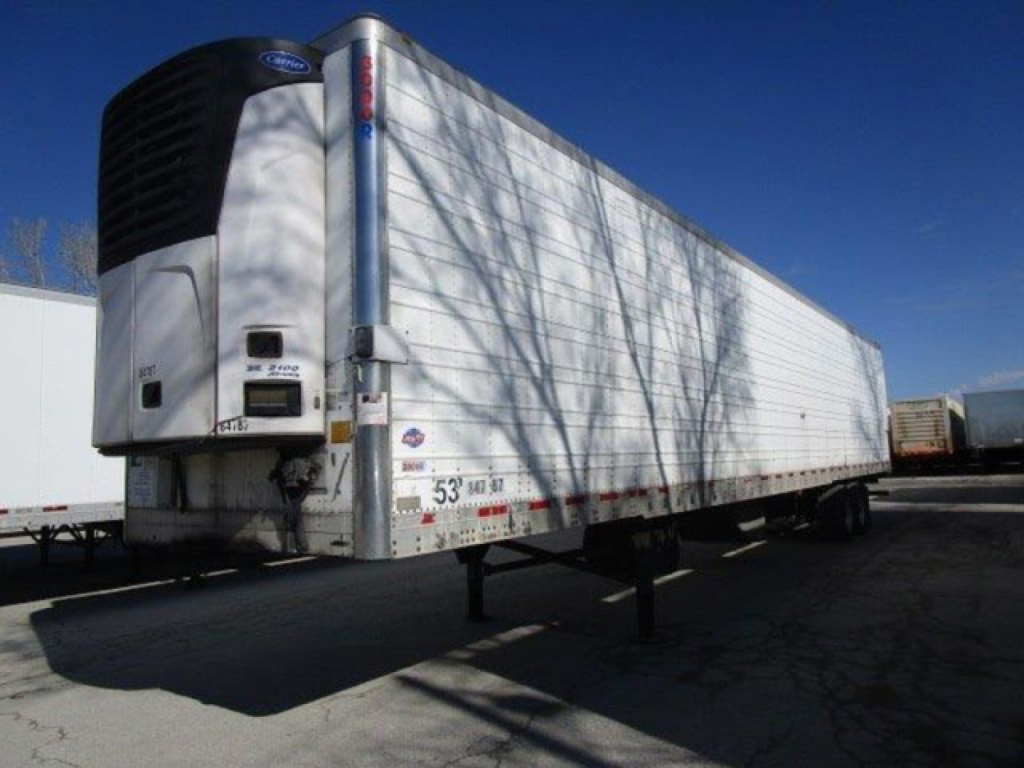
Most used reefer trailers in this class are 53-foot tandem axle vans with air ride suspension, swing rear doors, aluminum roofs, and ducted or chute-style air delivery depending on application. Common refrigeration units include Thermo King and Carrier systems such as the C-600, Vector 8500, and X4 7500. Unit hours matter, but service history matters just as much. A trailer with moderate hours and documented maintenance can be a better buy than a lower-hour unit with deferred repairs. Buyers should also inspect the evaporator area, bulkhead, scuff liner condition, interior lining such as Versitex, and the floor type, since worn floors and damaged lining can affect airflow, sanitation, and temperature retention.
For South Dakota operations, it is worth looking closely at start reliability in cold weather, fuel tank condition, battery setup, and how quickly the unit pulls down to setpoint under load. Air ride suspension helps protect temperature-sensitive freight and improves ride quality, while features like tire inflation systems, stainless steel lock boxes, aluminum wheels, and good marker light packages can reduce operating headaches. If the reefer will cross into regulated states, emissions compliance and CARB-related remaining service life may also be relevant. Tire tread depth, brake life, drum or rotor condition, and fresh DOT readiness are practical indicators of how soon the trailer can go to work without additional shop time.
The best used refrigerated trailer for a fleet depends on lane length, product type, and loading pattern. Multi-stop grocery and foodservice work often favors a dependable unit with strong low-temp recovery and a clean interior. Long-haul frozen freight may justify a newer trailer with lower unit hours and tighter insulation performance. For produce or mixed loads, airflow management and interior condition become especially important. A careful buyer compares trailer age, reefer hours, suspension type, lining material, and maintenance records as a package instead of focusing on one number alone.
Frequently Asked Questions about Used Refrigerated Trailers in South Dakota
What should I check first on a used refrigerated trailer?
Start with the refrigeration unit, because that is the most expensive system on the trailer and the one that determines cargo protection. Check the unit brand, model, engine hours, service records, alarm history, and whether it holds setpoint consistently. After that, inspect the trailer body for insulation damage, floor wear, door seal leaks, interior lining condition, and signs of poor airflow or past impact damage. Tires, brakes, suspension, and lighting should also be reviewed to understand near-term maintenance costs.
Are reefer unit hours more important than trailer age?
Reefer unit hours are a major factor, but they should not be viewed in isolation. A newer trailer with very high unit hours may have more refrigeration wear than an older trailer with lower hours and strong maintenance documentation. At the same time, trailer age affects insulation performance, structural wear, wiring condition, and overall chassis fatigue. The best evaluation combines age, hours, maintenance history, and physical condition.
Which reefer unit brands are common on used refrigerated trailers?
Thermo King and Carrier are the two most common brands in this category, and both have broad service support across major freight lanes. Models such as the Thermo King C-600, Thermo King Vector series, and Carrier X4 7500 are frequently seen on late-model used reefers. Buyers often choose based on local dealer support, technician familiarity, parts availability, and how the unit fits their freight profile, including continuous run or start-stop operation.
What trailer features help on food-grade and multi-stop reefer freight?
A clean, well-maintained interior with durable lining, solid scuff protection, good door seals, and a floor that supports proper airflow is important for food-grade work. Multi-stop operations also benefit from a refrigeration unit with strong pull-down and recovery performance, since frequent door openings make temperature control harder. Air ride suspension, tire inflation systems, and dependable lighting packages also help reduce service interruptions on regional routes.
Does CARB compliance matter for a used reefer trailer in South Dakota?
It can matter if the trailer will operate in California or on lanes that require California compliance. Some used refrigerated trailers are advertised with remaining CARB service life, which can affect where the trailer can legally run and for how long. Even if the trailer is based in South Dakota, buyers with national freight exposure should confirm emissions status before purchase so there are no restrictions later.