
Used 2020 Refrigerated Trailers For Sale
Shop used 2020 refrigerated trailers with reefer units, air ride, insulation, and specs built for temperature-controlled freight.
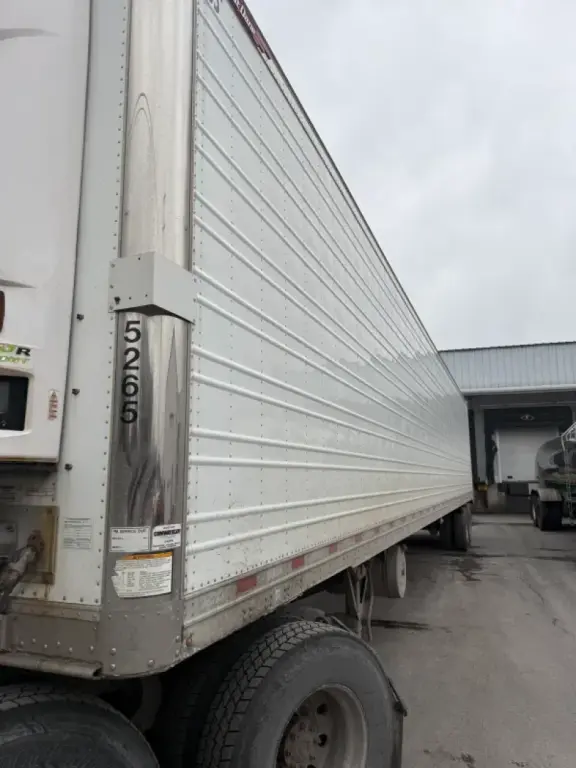
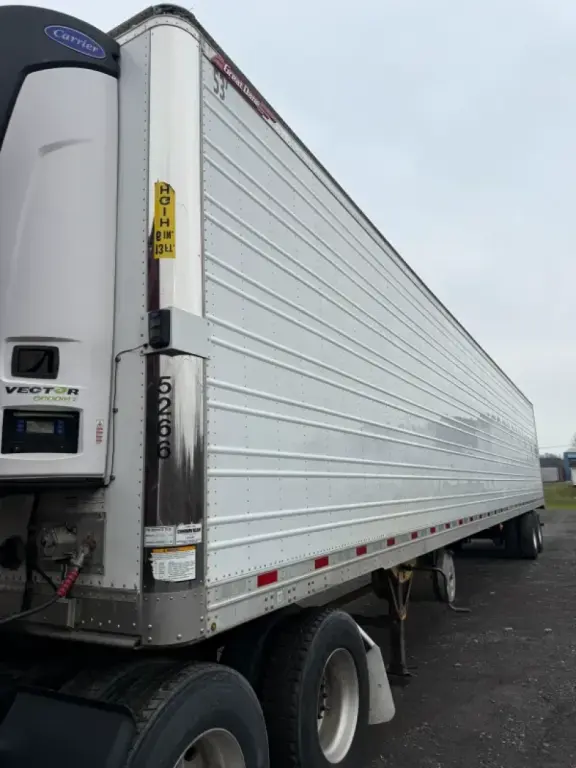
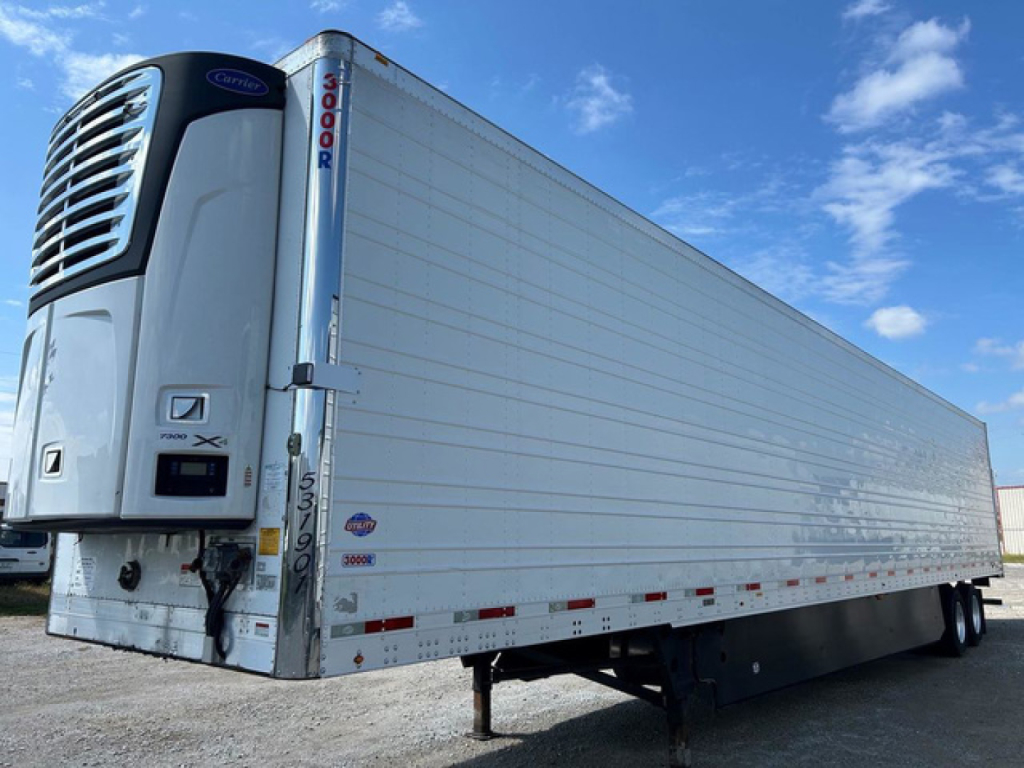

Selling a used 2020 refrigerated trailer? List your used 2020 refrigerated trailer for sale and reach thousands of commercial buyers.
Used 2020 Refrigerated Trailers
The refrigeration unit matters as much as the trailer itself. Common setups in this year include Thermo King and Carrier units, often in the C-600 or X4 7500 range depending on the trailer spec and intended use. Unit hours, start-stop versus continuous operation, fuel consumption, pull-down performance, and service records should all be reviewed closely. Buyers should also confirm evaporator condition, discharge air performance, return air consistency, and whether the unit is configured for the freight they run. If multi-temp capability, remote monitoring, or specific compliance requirements matter, verify those details before narrowing down a trailer.
Trailer spec decisions affect operating cost and loading efficiency every day. Many 2020 refrigerated trailers, also called reefer trailers, came with air ride suspension, aluminum wheels, tire inflation systems, duct floors, and composite or scuff-resistant interior liners such as Versitex or similar materials. Pay attention to brake type, tire tread depth, door seal condition, and floor wear, especially in high-cycle foodservice or grocery applications. Rear frame condition, crossmember integrity, chute wear, and sidewall damage are worth checking because reefer box repairs can get expensive quickly. Buyers moving dense frozen freight may also want to confirm tare weight, floor rating, and axle spread or kingpin setting based on state bridge laws and loading patterns.
A used 2020 reefer trailer can be a practical choice for carriers that want newer trailer features without stepping into new-trailer pricing. The best candidates usually show consistent PM records on the refrigeration unit, solid insulation performance, clean interior lining, good door closure, and no signs of chronic water intrusion. For fleets, standardizing around a known unit brand and trailer spec can simplify parts stocking and technician training. For owner-operators, the right trailer is the one that matches customer temperature requirements, lane length, and maintenance budget without adding unnecessary complexity.
Frequently Asked Questions about Used 2020 Refrigerated Trailers
What should I check first on a used 2020 refrigerated trailer?
Start with the refrigeration unit hours, service history, and cooling performance. Then inspect the trailer box for floor damage, insulation problems, door seal wear, interior liner condition, and signs of water intrusion. Tire condition, brake life, suspension type, and axle alignment also matter because they directly affect operating cost and uptime.
How many reefer unit hours is too many on a 2020 reefer trailer?
There is no single cutoff because unit condition and maintenance history matter more than the hour meter by itself. A well-maintained Thermo King or Carrier unit with higher hours can be a better buy than a lower-hour unit with poor PM history or cooling issues. Buyers should look for documented service intervals, major component replacement history, and consistent temperature performance under load.
Are 2020 refrigerated trailers good for over-the-road freight?
Yes, many used 2020 refrigerated trailers are well suited for over-the-road service if the reefer unit, insulation package, and running gear are in good condition. This model year commonly includes features like air ride suspension, LED lighting, and modern unit controls that work well in long-haul refrigerated operations. The key is matching the trailer spec to the freight, route length, and delivery frequency.
What features are most valuable on a used reefer trailer?
The most valuable features usually include a dependable late-model refrigeration unit, air ride suspension, strong insulation, a durable interior liner, a healthy duct floor, and a tire inflation system. Disc brakes, aluminum wheels, stainless front or rear protection, and quality door hardware can also add value. These features help reduce downtime, improve temperature control, and lower maintenance cost over time.
What is the difference between a reefer trailer and a dry van?
A reefer trailer is insulated and equipped with a self-contained refrigeration unit to maintain controlled cargo temperatures. A dry van is enclosed but not temperature controlled and is generally lighter and simpler to maintain. Reefer trailers cost more to buy and operate, but they are required for freight that must stay chilled, frozen, or temperature stable during transit.