
Used 2020 Great Dane Refrigerated Trailers For Sale
Compare used 2020 Great Dane refrigerated trailers for sale by cooling setup, Everest body condition, service records, and refrigeration engine compliance.

Selling a used 2020 great dane refrigerated trailer? List your used 2020 great dane refrigerated trailer for sale and reach thousands of commercial buyers.
Used 2020 Great Dane Refrigerated Trailers
The 2020 model year identifies the trailer, not necessarily the refrigeration engine's build year or emissions status. Request controller downloads, diesel engine hours, standby hours where equipped, alarm history, and documented compressor or engine repairs. Test pull-down and temperature holding at the intended setpoint, recording ambient conditions. Cooling performance with closed doors does not establish recovery capacity during frequent delivery stops.
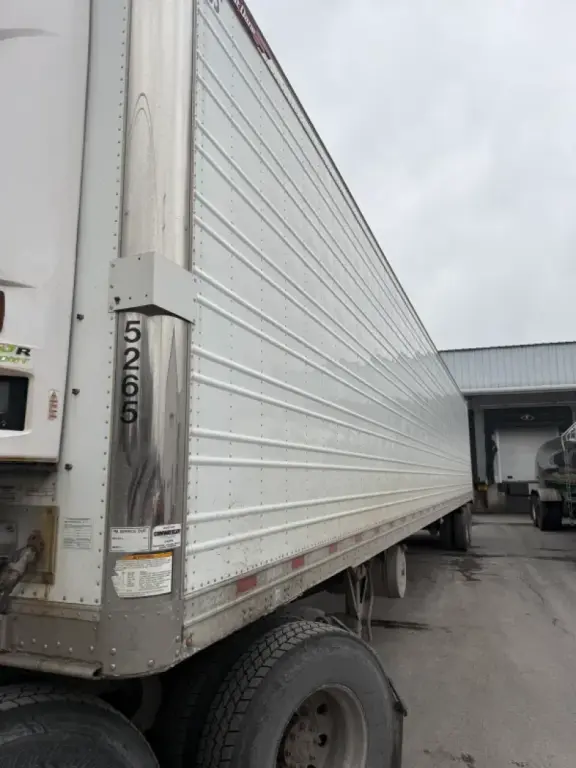
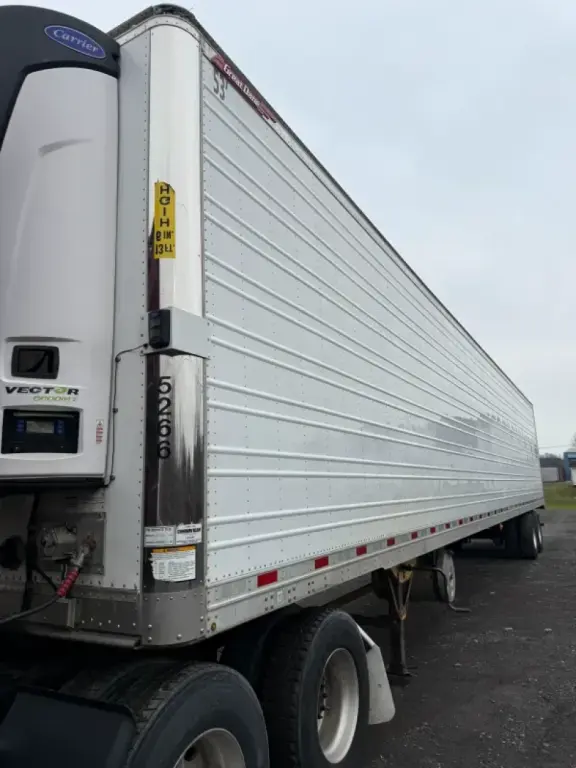
Inspect the Everest body for punctured liners, patched roof panels, loose scuff liners, and evidence of moisture entering the insulation. Verify whether the trailer has Great Dane's ThermoGuard liner rather than assuming all 2020 Everest bodies share that specification. Damaged liners and wet insulation can increase heat gain even when the refrigeration unit operates correctly. Examine aluminum duct floors, crossmembers, and rear thresholds for forklift damage, and confirm the floor rating suits the loading equipment. Check ceiling air chutes and return-air passages for obstructions. Roll-up doors favor frequent deliveries, while swing doors avoid overhead door hardware inside the rear opening.
Road salt across Canada and the northern United States makes suspension hangers, brake plumbing, landing gear, and rear frame corrosion inspection priorities. Hot-weather routes place greater demands on condenser cleanliness, insulation integrity, and door sealing. On a used 2020 refrigerated van trailer, evaluate tires, wheel ends, air springs, slider locks, and ABS operation separately from refrigeration condition. Compare documented repairs with physical wear, and budget separately for body repairs, running-gear work, and cooling-system service. California-bound operations also require verification of the refrigeration engine's applicable CARB compliance status.
Frequently Asked Questions about Used 2020 Great Dane Refrigerated Trailers
Can a 2020 Great Dane reefer run on electric standby?
Only a refrigeration unit equipped for electric standby can cool a parked 2020 Great Dane reefer from shore power. Check the refrigeration data plate and confirm the required voltage, phase, amperage, and connector match the facility's electrical service. Test operation under electrical power before purchase. A battery charger connection does not prove the refrigeration system has standby capability.
How much weight can a 2020 Great Dane refrigerated trailer legally haul?
A standard five-axle tractor-trailer is generally limited to 80,000 pounds gross on U.S. Interstate highways, subject to axle limits and the federal bridge formula. A 2020 Great Dane reefer's GVWR does not establish legal payload. Canadian limits follow provincial weight and configuration rules. Weigh the complete tractor-trailer with refrigeration fuel and normal equipment, then calculate payload within all applicable gross, axle, tire, and route limits.
Is a 2020 Great Dane reefer automatically legal to operate in California?
No, California's CARB transport refrigeration unit rules must be checked against the refrigeration engine, not the 2020 Great Dane trailer VIN alone. Obtain the engine model year, serial number, emissions label, and applicable compliance or retrofit records. A replacement refrigeration unit can change compliance status without changing the trailer's model year. Out-of-state registration does not exempt refrigeration equipment operating in California.
What should I check before using a used Great Dane reefer for food freight?
Cargo history, cleaning records, and temperature records matter more than a clean-looking interior when qualifying a used Great Dane reefer for food freight. Inspect floor channels, drains, door seals, and repaired liner areas for residue, odors, and trapped moisture. Confirm the shipper's sanitation, allergen-control, and temperature-monitoring requirements before accepting loads; different food products and shipping contracts can require different handling procedures.