
Used 2017 Hyundai Trailers For Sale
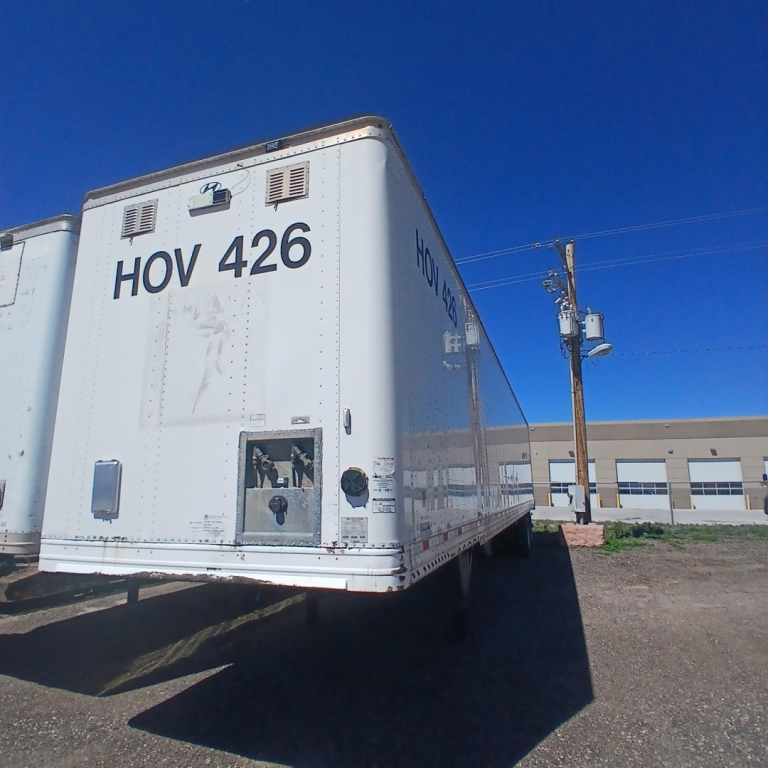
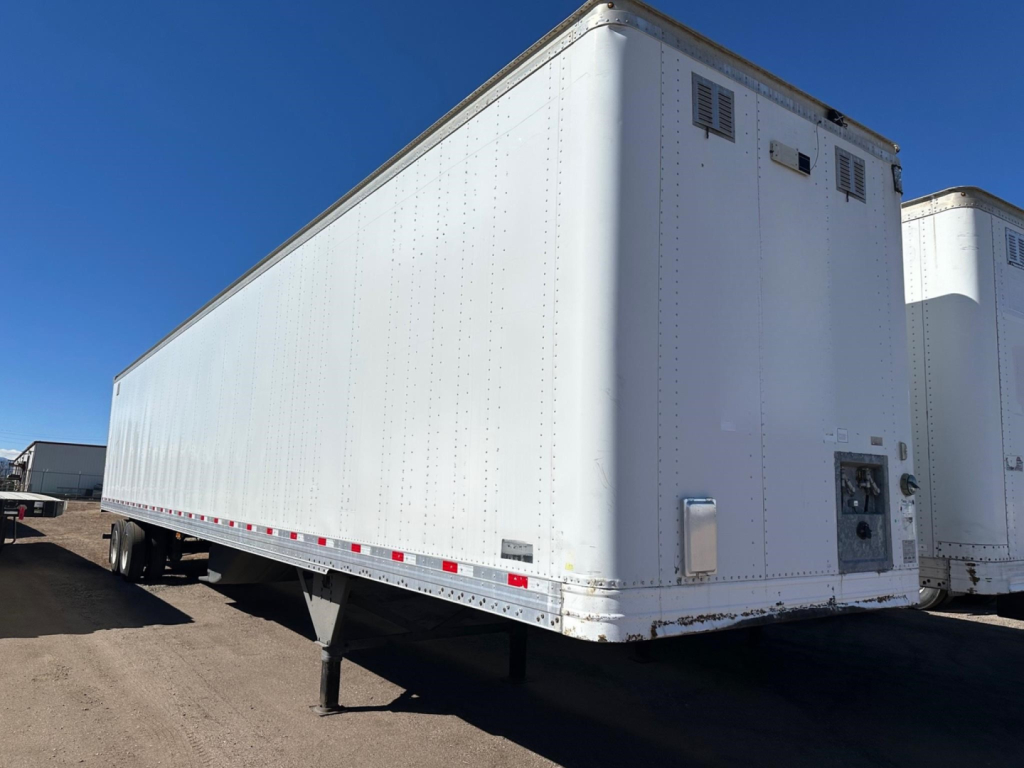
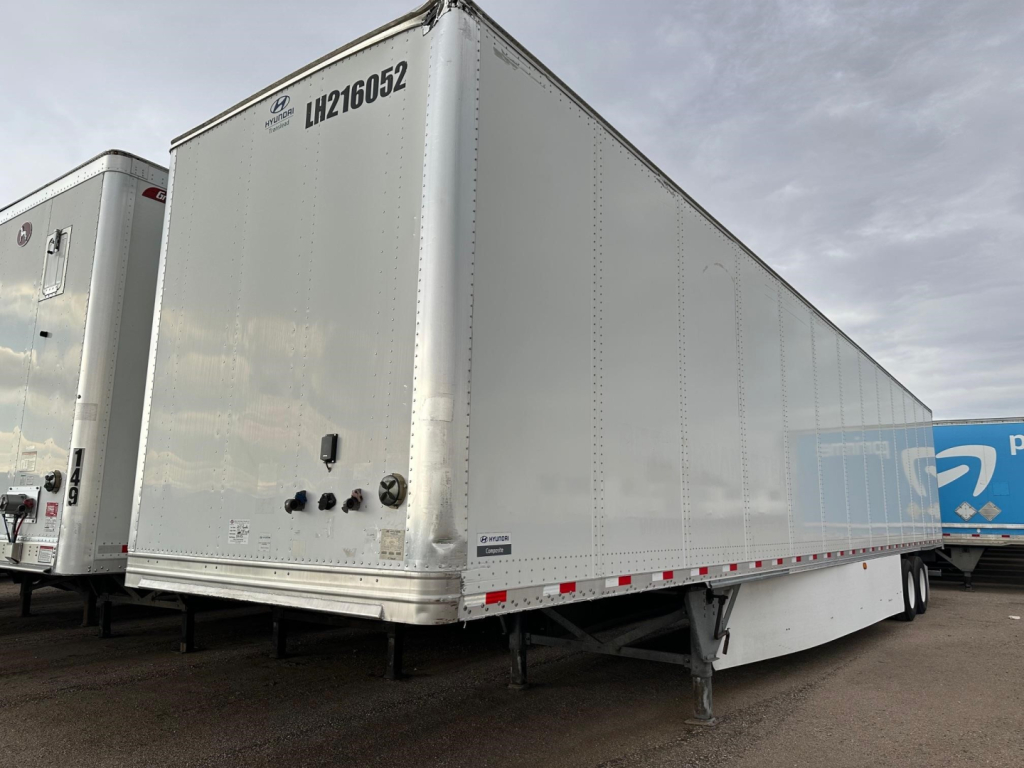
Shop used 2017 Hyundai trailers, including popular 53-foot dry van configurations with tandem axles, roll doors, air ride, and fleet-ready specs.
Selling a used 2017 hyundai trailer? List your used 2017 hyundai trailer for sale and reach thousands of commercial buyers.
Used 2017 Hyundai Trailers
For most buyers, the key spec decisions come down to cargo environment and loading pattern. A 2017 Hyundai van trailer may be set up with swing doors or a roll-up door, and that choice matters. Roll doors help in tight urban docks and multi-stop delivery, while swing doors usually preserve maximum rear opening and can be simpler to maintain. Interior equipment can vary quite a bit, with common features including scuff liners, plywood side liners, duct floors, threshold plates, anti-dock walk reinforcement, and one or two rows of E-track. If the trailer previously worked in dedicated fleet service, it may also have side skirts, tire inflation systems, or air pin sliders already installed.
Structural condition matters more than brand decals on a used van trailer. Buyers should inspect crossmembers, rear frame, upper coupler area, slider rails, suspension hangers, door hardware, and floor wear, especially in high forklift traffic zones. On a 2017 Hyundai trailer, pay close attention to the rear impact guard, galvanized rear frame components, roof bows, and any signs of patching around side panels or nose structure. Tire size, wheel type, brake setup, and hub configuration should also be checked against your shop standard so the trailer matches the rest of the fleet and does not create avoidable maintenance complexity.
Hyundai trailers are widely used in general freight, retail distribution, warehouse transfer, and drop-and-hook lanes because the platform is straightforward, easy to spec, and well understood in the secondary market. A used 2017 model can be a solid fit for carriers that need dry freight capacity without stepping into the higher cost of a newer trailer. The best unit for the job is usually the one with a clean structural history, a floor and door package that matches your freight, and running gear that fits your operation's maintenance and compliance needs.
Frequently Asked Questions about Used 2017 Hyundai Trailers
What are the most common specs on a used 2017 Hyundai trailer?
Most used 2017 Hyundai trailers in the van segment are 53 feet long and 102 inches wide with tandem axles, air brakes, and either air ride or spring ride suspension. Many use an aluminum and steel construction with a wood floor and aluminum roof. Common fleet specs include slideable closed tandems, roll-up or swing doors, 22.5-inch tires, and interior options such as scuff liners, plywood liners, and E-track.
Is a 2017 Hyundai dry van trailer a good fit for over-the-road freight?
Yes, a 2017 Hyundai dry van trailer is commonly used in over-the-road service, especially for palletized dry freight, retail goods, and warehouse transfer. Buyers should confirm interior cube, door style, suspension type, and tandem slider position to make sure the trailer fits lane requirements and bridge laws. Condition of the floor, suspension, brakes, and rear frame is usually more important than age alone when evaluating road-ready performance.
What should I inspect first on a used 2017 Hyundai trailer?
Start with the structure and running gear. Check the floor for forklift damage, inspect crossmembers and slider rails for corrosion or cracking, and look closely at suspension components, brake wear, tires, wheels, and hubs. Then inspect the roof, nose, side panels, rear frame, and door seals for repairs or leaks. A used van trailer can look acceptable from the outside while still needing significant floor or understructure work.
Are roll-up doors or swing doors better on a Hyundai van trailer?
It depends on the trailer's job. Roll-up doors are useful for city work, tight docks, and frequent stop-and-go loading because they do not swing into traffic or dock space. Swing doors often provide a wider, cleaner opening and can be preferred for full-pallet loading and operations that want simpler rear door hardware. Buyers should match the door style to their freight handling pattern rather than treat one option as universally better.
Why do buyers look for features like air pin sliders, side skirts, or tire inflation systems on used vans?
These features can improve day-to-day efficiency and lower operating cost. An air pin slider makes tandem adjustment faster and easier, side skirts may support fuel economy in highway service, and a tire inflation system can help maintain proper pressure and reduce irregular tire wear. On a used 2017 Hyundai trailer, these options can add value if they are in good working order and fit the fleet's maintenance practices.