
Used 2017 Hyundai Trailers For Sale in Colorado
Browse used 2017 Hyundai trailers for sale in Colorado, including dry van models with air ride, sliding tandems, logistics posts, and roll doors.
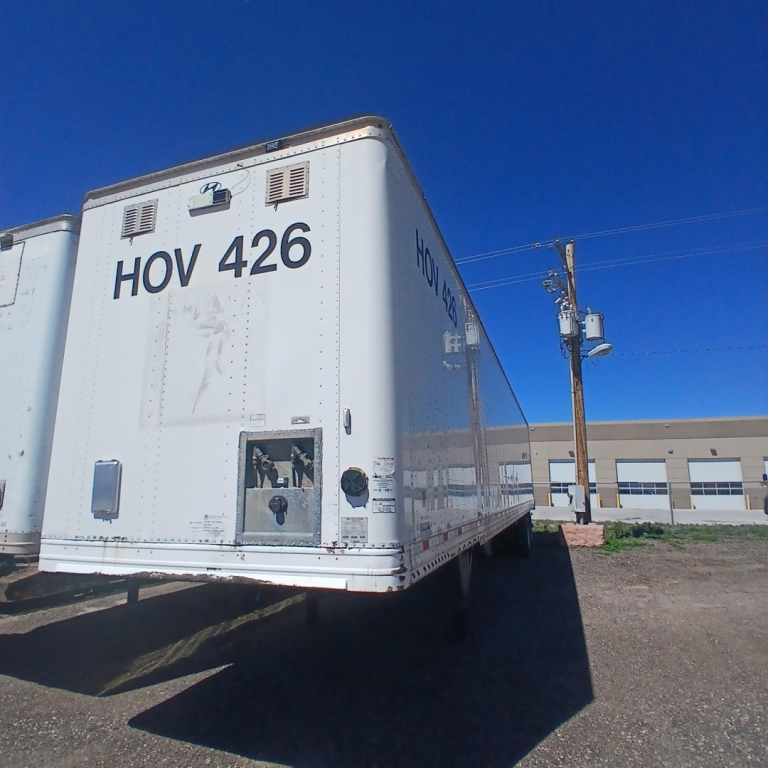
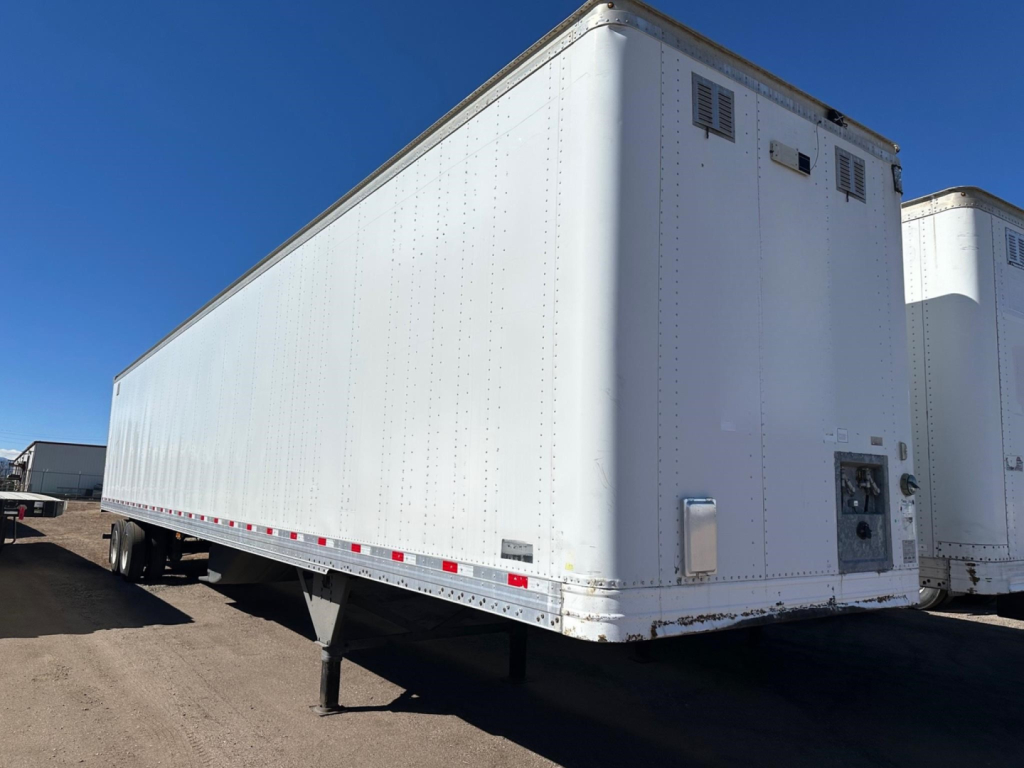
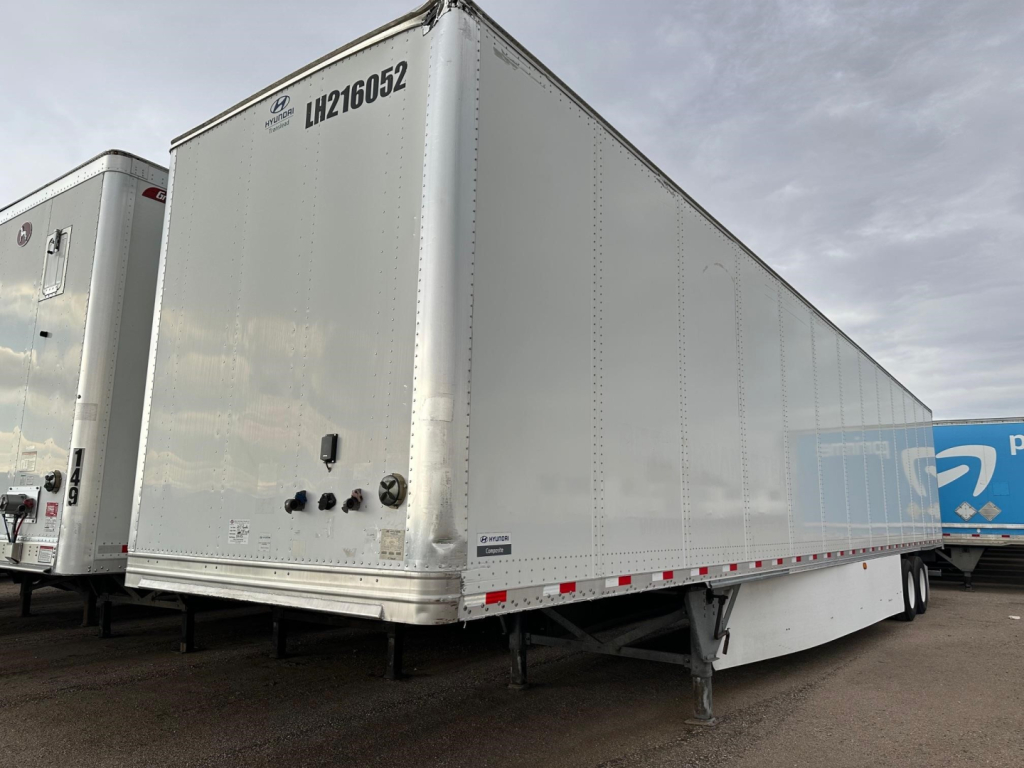
Selling a used 2017 hyundai trailer? List your used 2017 hyundai trailer for sale and reach thousands of commercial buyers.
Used 2017 Hyundai Trailers in Colorado
Typical specs in this year range include 53-foot length, 102-inch width, and standard dry van height around 13 feet 6 inches. Many used 2017 Hyundai vans are equipped with air ride suspension, sliding tandems or air pin sliders, 22.5 low-profile tires, and either steel or aluminum wheels. Interior equipment often includes plywood lining, aluminum or wood floors, threshold plates, scuff liners or wearbands, and logistics posts or E-track for load securement. Buyers should also note whether the trailer has swing doors or a roll door, since rear door style can matter in tight urban deliveries, food distribution, and multi-stop freight.
Condition matters more than brand reputation once a trailer reaches this age. On a used 2017 Hyundai trailer, pay close attention to roof condition, rear frame and crossmember corrosion, floor wear at forklift traffic points, and signs of sidewall delamination or impact repairs. In Colorado, climate and elevation can make tire condition, brake performance, and air system integrity especially important. If the trailer has a tire inflation system, check that it is complete and functioning rather than simply present. Side skirts, galvanized rear components, and undertray systems can add value, but only if they are intact and serviceable.
For fleet buyers, Hyundai dry vans are often chosen because they are straightforward to maintain and easy to standardize across multiple lanes. For owner-operators and smaller carriers, the right used 2017 unit usually comes down to matching the trailer to the freight mix: logistics-equipped interiors for mixed palletized freight, smooth side panels for cleaner appearance and branding, and air ride for cargo protection. Kingpin setting, tandem slide range, and dock-height consistency should be confirmed before purchase, especially if the trailer will run in warehouses with strict loading geometry or bridge-law sensitive routes.
Frequently Asked Questions about Used 2017 Hyundai Trailers in Colorado
What should I inspect first on a used 2017 Hyundai dry van trailer?
Start with the structure and the wear items that drive repair cost. Check the floor for soft spots and forklift damage, inspect the roof and upper rails for leaks or patching, and look closely at the rear frame, crossmembers, and tandem area for cracks, rust, or previous repairs. Then verify suspension condition, brake components, tire age, wheel condition, and the operation of the slider, doors, and any tire inflation system. A clean appearance matters less than structural soundness and serviceable running gear.
Are 2017 Hyundai trailers typically air ride or spring ride?
Many 2017 Hyundai dry vans in fleet service were spec'd with air ride suspension, and that is common in the used market. Air ride is preferred for general freight because it helps protect cargo, improves ride quality, and is widely accepted in drop-and-hook fleets. Buyers should still confirm the exact suspension spec on each trailer, along with the condition of airbags, valves, shocks, and slider components, because replacement costs can add up quickly on a neglected unit.
What rear door style is better on a used Hyundai trailer, swing doors or roll doors?
That depends on the route and dock environment. Swing doors are common in longhaul freight because they offer full rear opening and straightforward maintenance. Roll doors can be useful in tight delivery areas where door clearance is limited, but they add moving parts and should be checked for smooth operation, track wear, and damage from repeated dock use. The better choice is the one that matches the freight and stop pattern the trailer will actually handle.
Do Hyundai Translead trailers hold value well in the used market?
Hyundai Translead trailers generally remain competitive in the used market because they are common in large fleets, familiar to service shops, and supported by a broad parts network. Value is influenced more by spec and condition than by badge alone. A well-maintained trailer with good floors, clean rear structure, working slider gear, and desirable features like logistics posts, air ride, and tire inflation usually attracts stronger buyer interest than a poorly maintained unit of the same year.
What specs matter most when comparing used 2017 Hyundai trailers in Colorado?
Focus on trailer length and height, suspension type, tandem slider configuration, door style, floor material, and interior securement setup such as E-track or logistics posts. In Colorado, buyers should also pay attention to tire condition, brake performance, and corrosion around the rear frame and undercarriage, especially if the trailer has seen year-round service. If the unit will run mountain corridors or time-sensitive freight, dependable brakes, sound air systems, and a properly functioning tandem slide become even more important.