
Used 2017 Trailers For Sale in New York
Browse used 2017 trailers for sale in New York, including dry vans and regional van trailers with common specs, dimensions, and buyer tips.
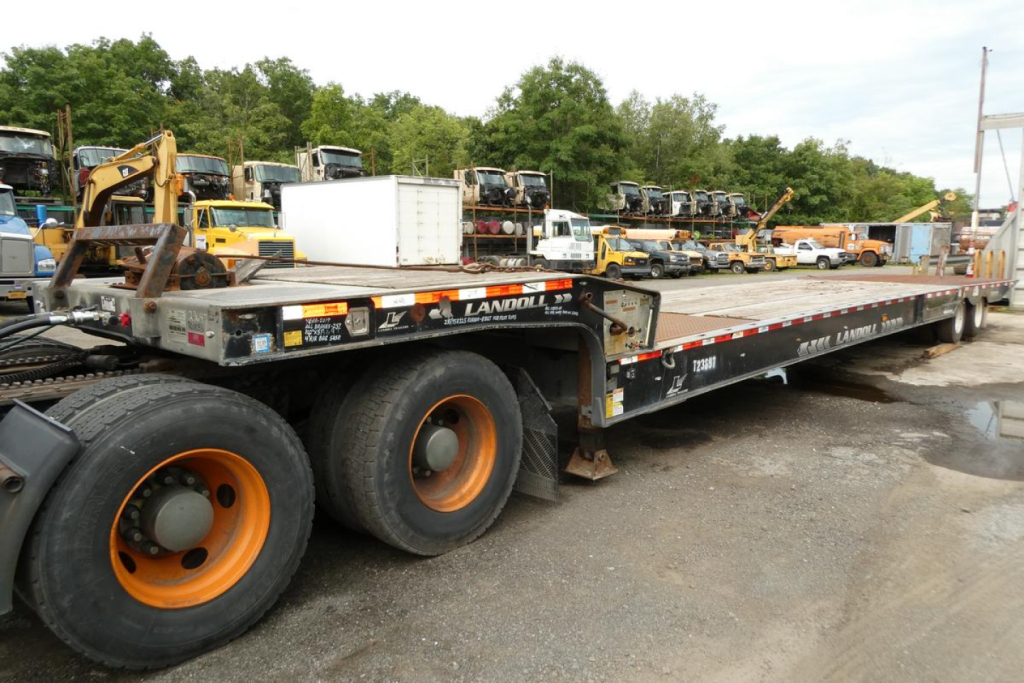
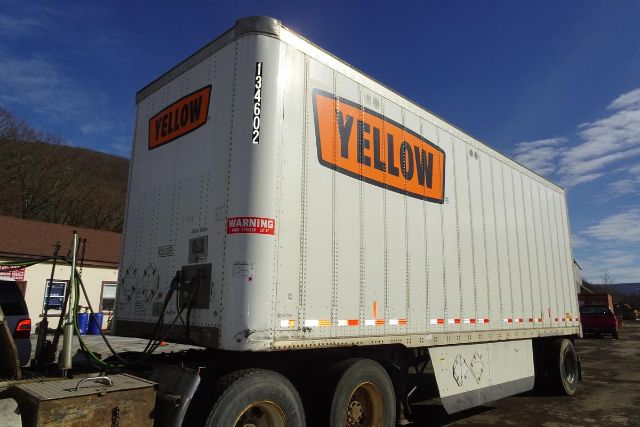
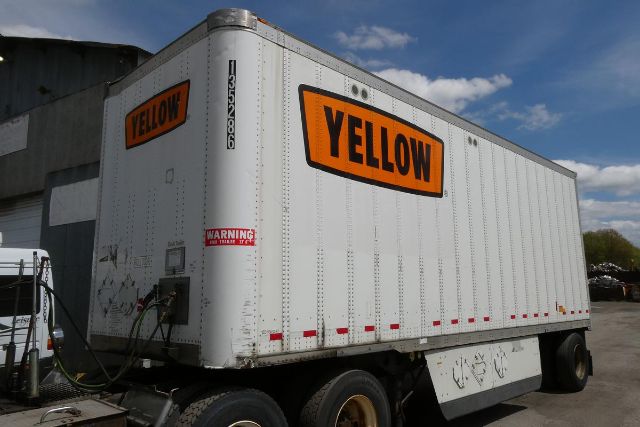
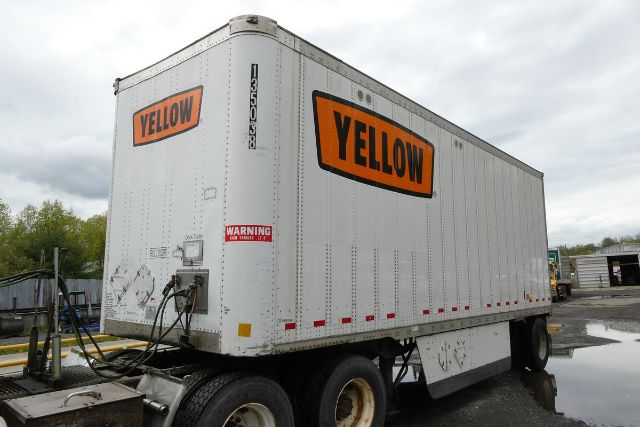
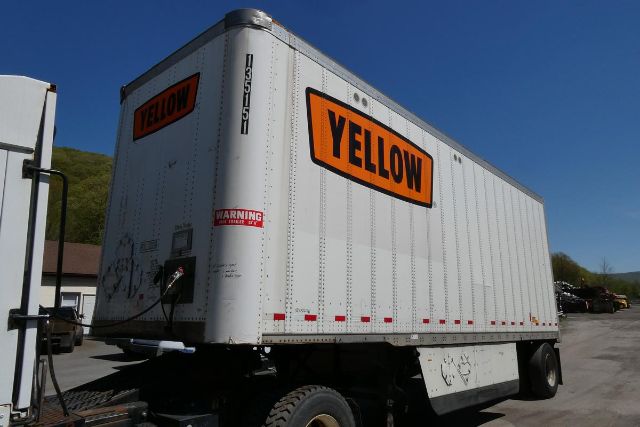
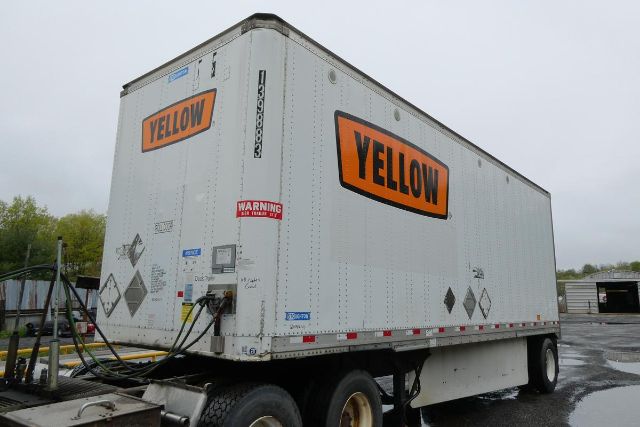
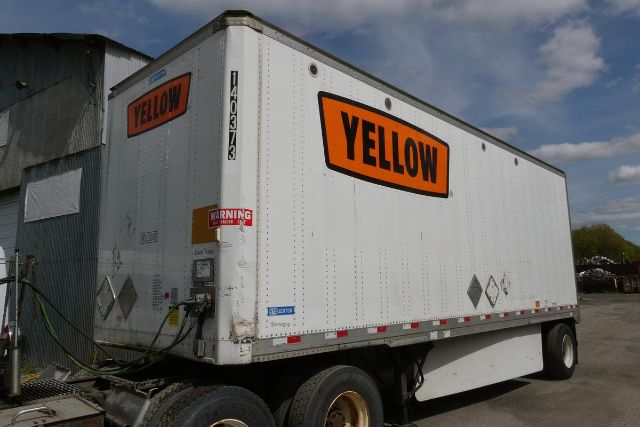

Selling a used 2017 trailer? List your used 2017 trailer for sale and reach thousands of commercial buyers.
Used 2017 Trailers in New York
For dry van buyers, the main decisions usually come down to length, axle setup, suspension, door style, and floor condition. A 28-foot single-axle van is common in P&D and LTL applications, and many are spec'd to pull doubles. A 53-foot tandem axle van is the standard for high-cube freight, retail, packaged goods, and general dry freight. Common specs in this class include 102-inch width, 13-foot to 13-foot-6 overall height, air brakes, steel or aluminum wheels, wood or wood-over-steel floors, and a steel-aluminum trailer composition. Slideable tandems matter if bridge law compliance, dock positioning, or load distribution is part of your operation. Fixed single axles are simpler and lighter for short regional service but are less flexible in axle placement.
Condition matters more than age on a used trailer, especially in the Northeast. New York buyers should look closely at crossmembers, rear frame, door frame, roof bows, upper coupler area, landing gear mounts, and suspension hangers for corrosion, repairs, or cracking. On van trailers, inspect the floor for forklift damage, soft spots, patched sections, and fastener pull-through. Roll-up doors need careful attention because worn tracks, damaged panels, or a bent header can create recurring downtime. Tire size consistency, brake lining life, wheel-end condition, ABS function, and air system leaks should all be checked before purchase. If the trailer has side skirts or other aero equipment, verify mounting points and panel condition because damaged skirts can become a maintenance issue in urban and winter operations.
A 2017 trailer can fit a wide range of applications if the spec matches the route. Regional fleets working tight streets, cross-docks, and terminal networks often prefer 28-foot vans with single axles and spring suspension for maneuverability and lower empty weight. Longer dry vans with closed tandems are better suited for highway freight and higher cubic capacity. Buyers moving food packaging, retail freight, paper products, or parcel overflow should pay attention to interior width and door opening dimensions, especially if pallet count and forklift clearance are critical. Also known as dry van trailers, van trailers remain one of the most versatile trailer categories on the road, but the best buy is the one with a sound frame, a solid floor, and a spec that matches how it will actually be dispatched.
Frequently Asked Questions about Used 2017 Trailers in New York
What should I inspect first on a used 2017 trailer?
Start with structural condition and running gear. Check the frame rails, crossmembers, suspension mounts, tandem slide assembly if equipped, landing gear, and rear impact area for rust, cracks, or poor repairs. Then inspect tires, brakes, hubs, air lines, ABS, lights, and the condition of the floor and doors. On a van trailer, roof leaks and door problems can turn a decent-looking trailer into a maintenance drain very quickly.
Is a 28-foot trailer or a 53-foot trailer better for New York operations?
It depends on the lane and facility access. A 28-foot pup trailer is usually better for city delivery, terminal work, and LTL-style operations where tight turns, urban docks, and doubles service matter. A 53-foot dry van is better for maximizing cubic capacity on highway freight and standard warehouse moves. In New York, route density, tolls, bridge compliance, and backing room often matter just as much as payload.
Are 2017 dry van trailers still a good value?
Yes, if condition, maintenance history, and specification are right. A 2017 model year is often old enough to avoid newer-equipment pricing while still offering widely supported parts, modern brake and lighting systems, and familiar fleet specs. Value depends less on the badge on the nose and more on floor life, structural integrity, axle and suspension condition, and whether the trailer matches your actual freight and dispatch pattern.
What axle setup should I choose on a used trailer?
Single-axle trailers are common on 28-foot vans and are popular for lighter regional service, lower tare weight, and easier maneuvering. Tandem axle trailers are standard on longer vans and give better flexibility for heavier freight and highway service. If you operate where bridge law compliance and axle distribution matter, a slideable tandem is usually more versatile than a fixed setup.
What are common specs on used 2017 van trailers?
Common specs include 102-inch width, air brakes, 22.5-inch wheel and tire packages, wood or composite-over-steel flooring, aluminum roof panels, and either roll-up or swing rear doors. Many trailers in this age range also carry side skirts, logistic post layouts, scuff liners, and standard dock-height dimensions. Buyers should confirm door opening size, interior height, GVWR, and suspension type because those details affect loading speed, pallet fit, and maintenance cost.