
Used 2017 Flatbed Trailers For Sale
Browse used 2017 flatbed trailers for sale. Compare 48- to 53-foot specs, axle setups, deck materials, tie-down equipment, and payload options.
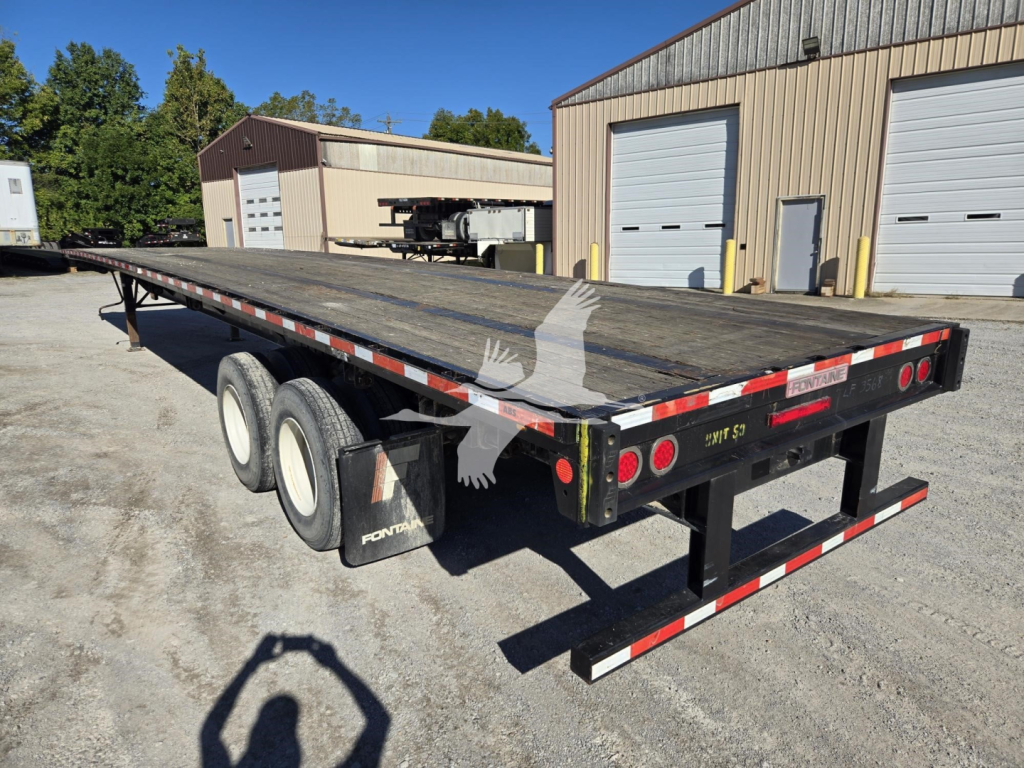
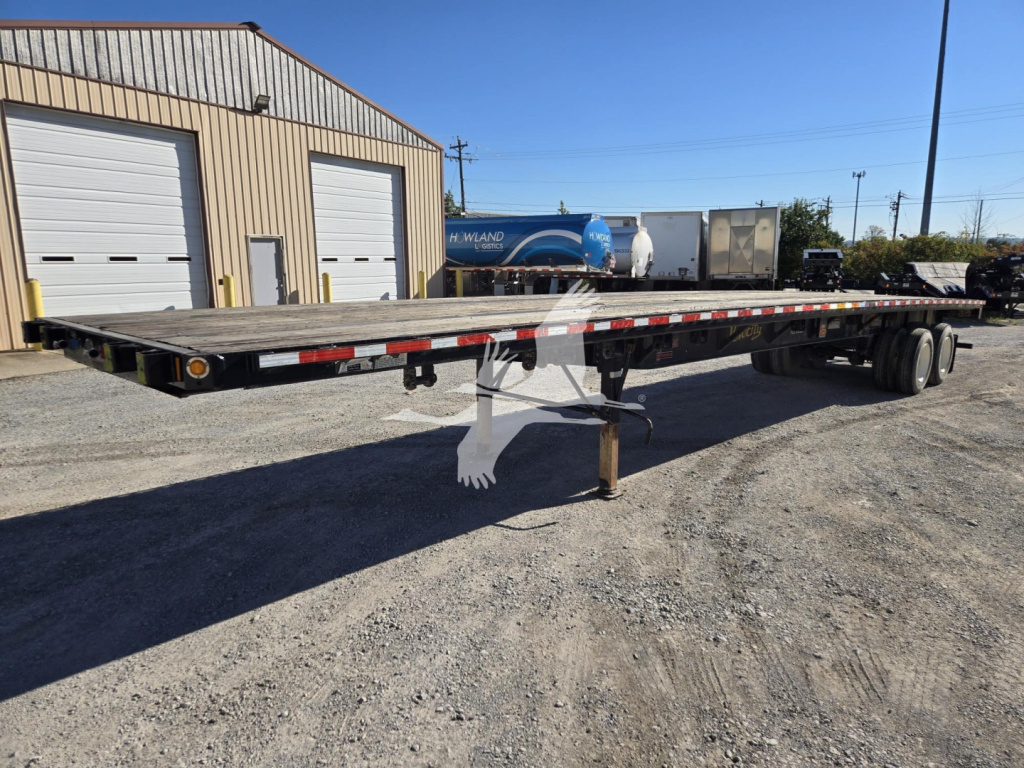
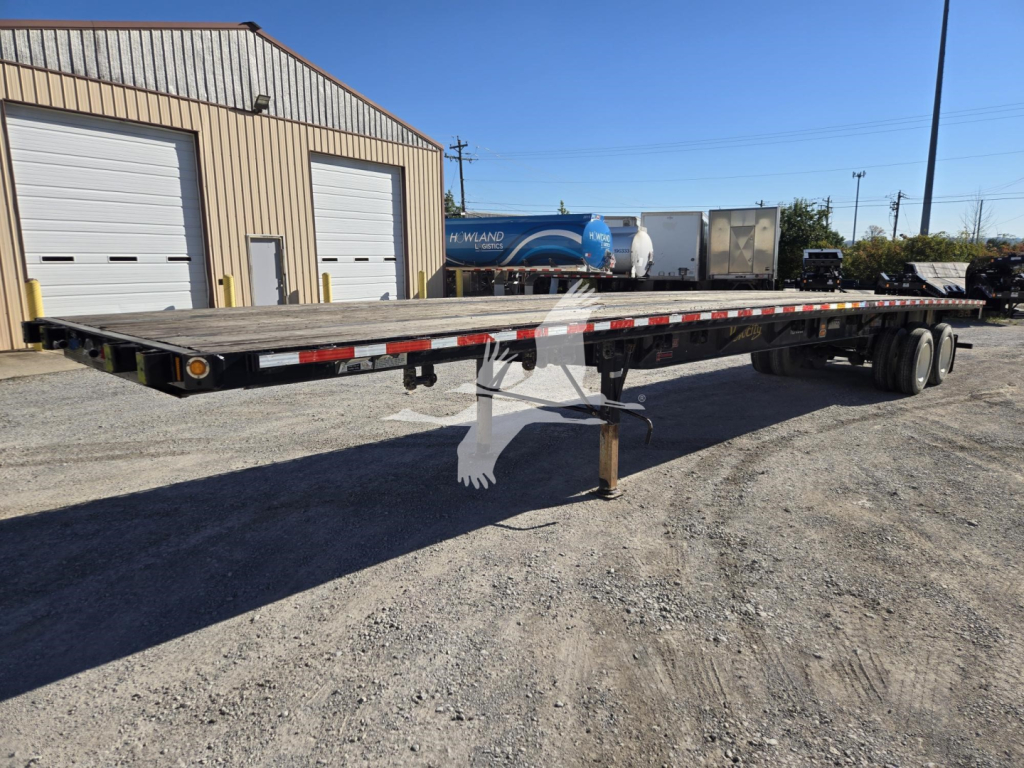
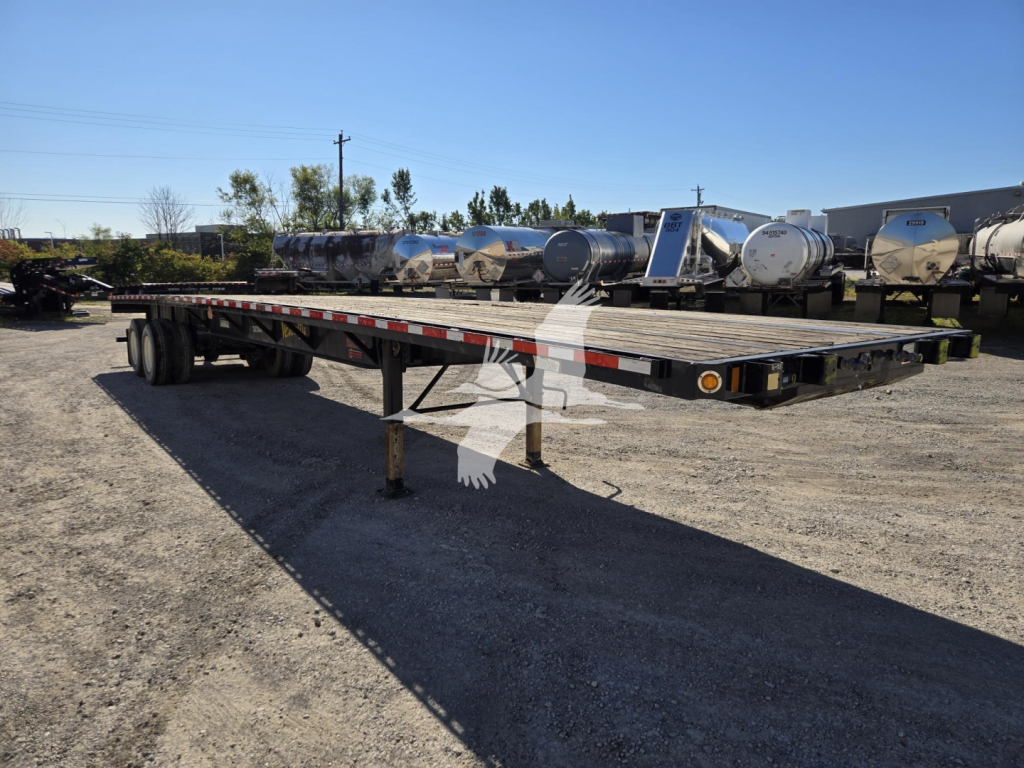
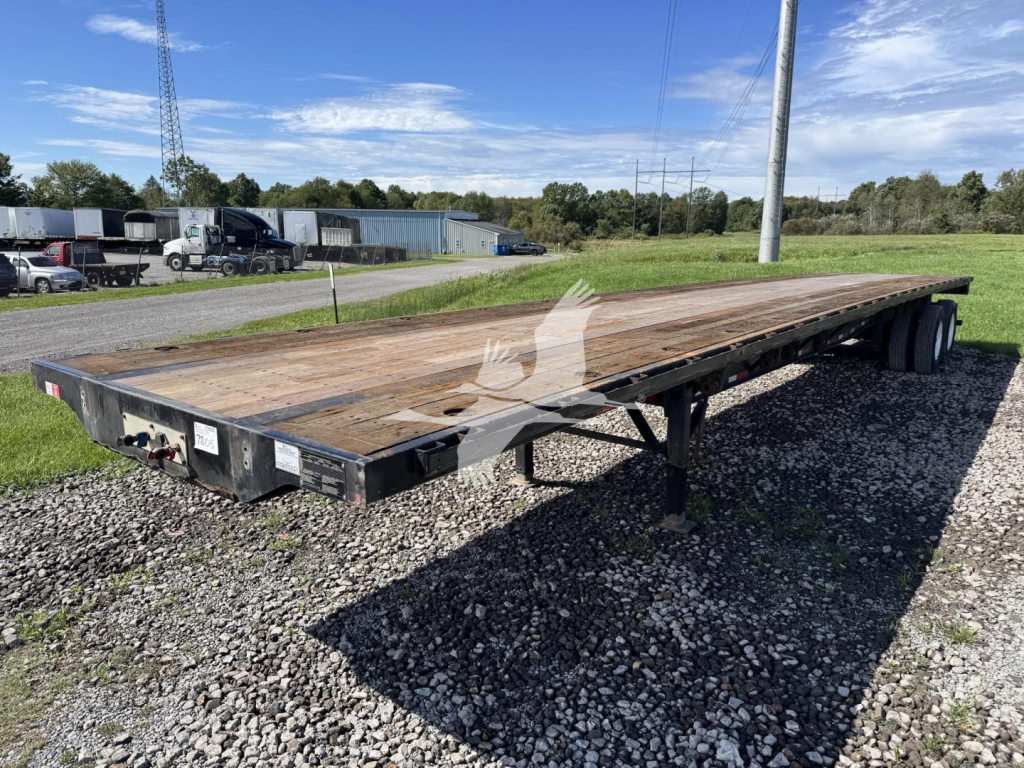
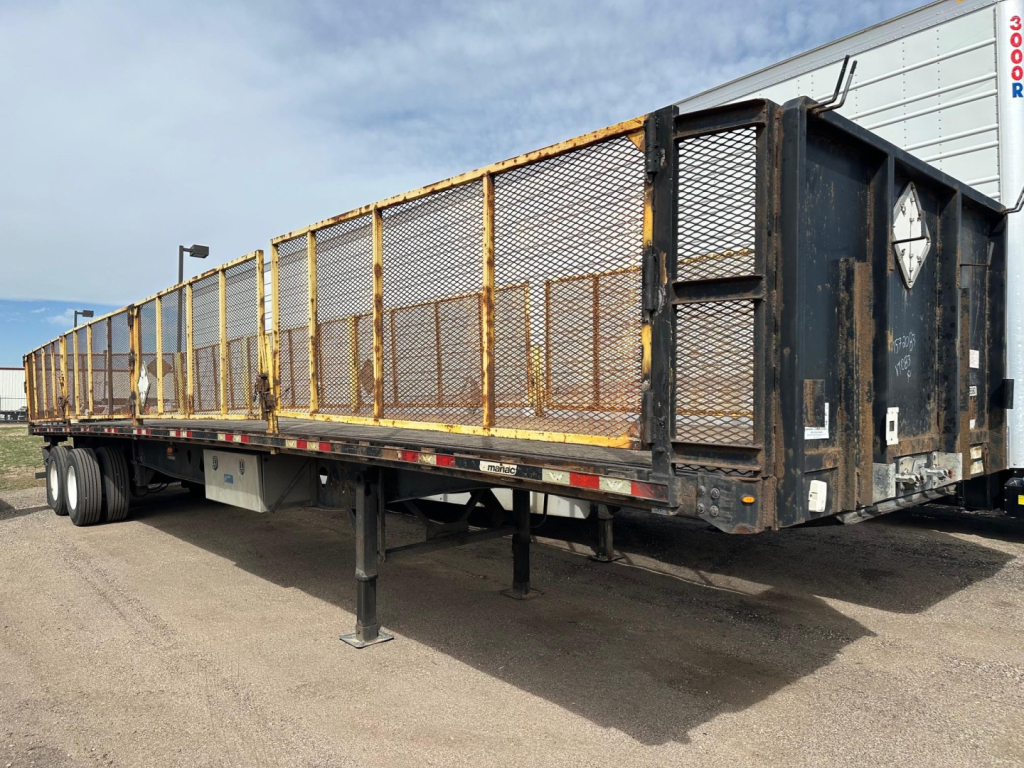
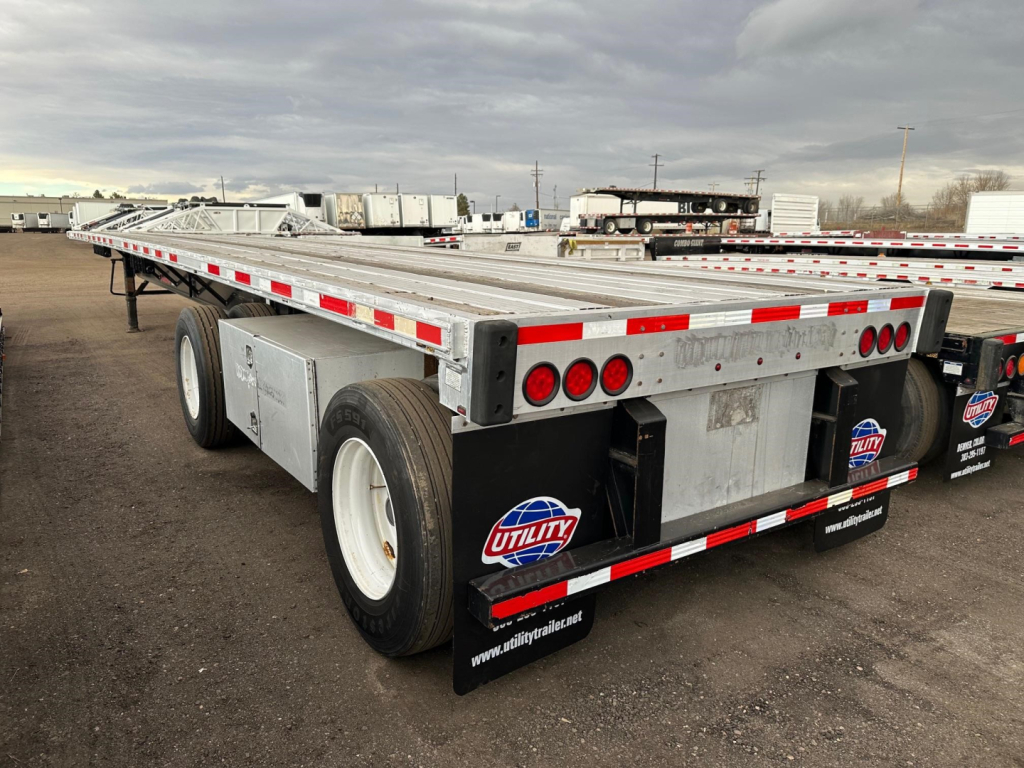
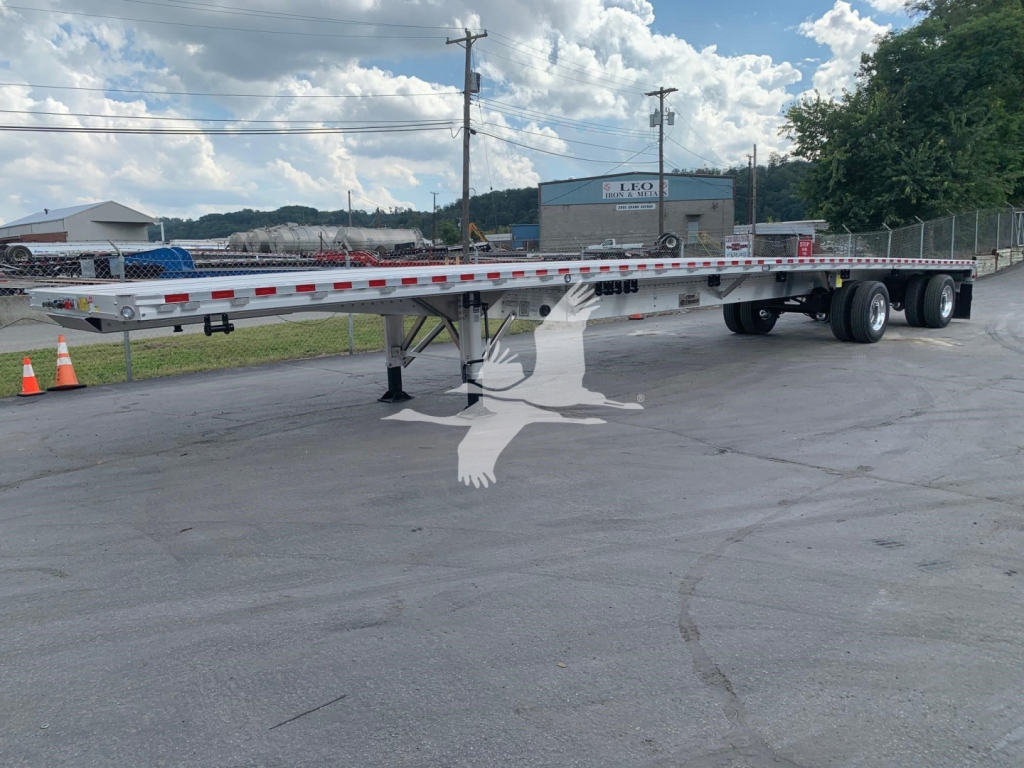
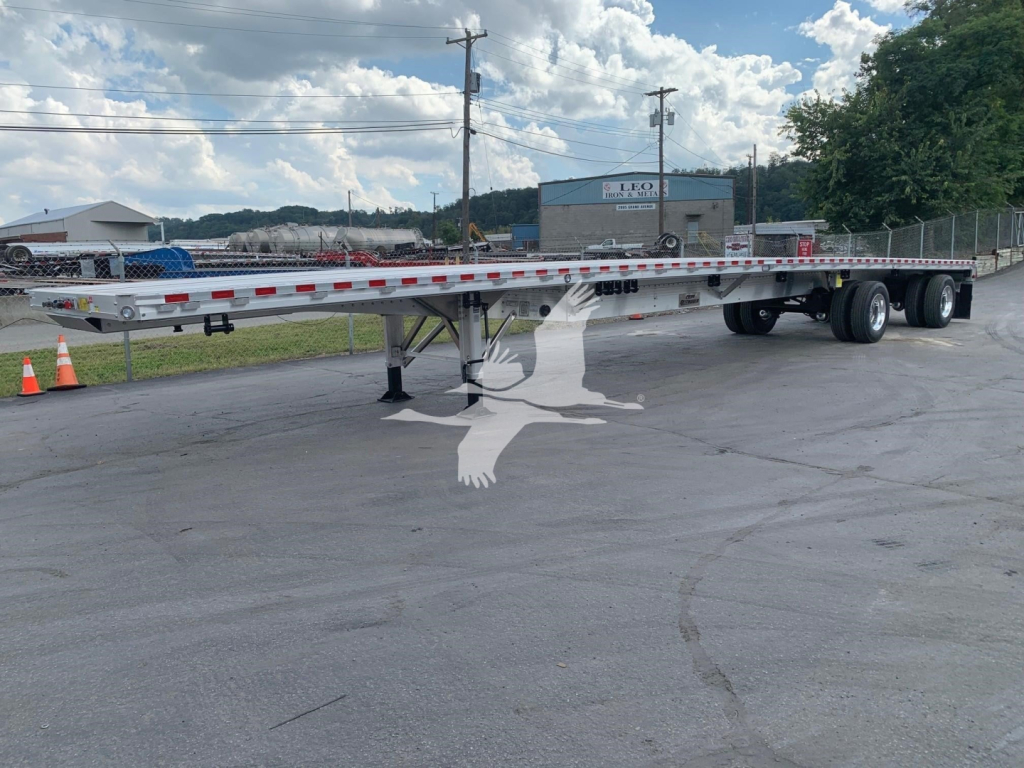
Selling a used 2017 flatbed trailer? List your used 2017 flatbed trailer for sale and reach thousands of commercial buyers.
Used 2017 Flatbed Trailers
The biggest buying decisions usually come down to weight, durability, and securement layout. Aluminum flatbeds generally offer lighter tare weight and better payload potential, while steel or combo trailers may appeal to buyers prioritizing beam strength, repair familiarity, and lower acquisition cost. Deck material matters too. Aluminum flooring helps keep weight down, while Apitong wood remains popular for traction, forklift use, and easier deck board replacement. A good 2017-spec trailer may include sliding winch tracks, chain tie-downs, stake pockets, pipe spools, coil package, nail strips, toolboxes, and LED lighting. If the freight mix includes dense steel coils, plate, or machinery, buyers should confirm concentrated load ratings, crossmember spacing, and the presence of a proper coil package.
Axle and suspension configuration can have a direct effect on legal loading, tire wear, and route flexibility. Sliding tandems remain common for versatility at docks and for bridge law adjustments. Spread axle flatbeds can improve load distribution and stability, but they may be less maneuverable in tight yards and can add tire scrub in urban service. Air ride suspension is often preferred for more fragile or higher-value freight, while spring ride may still be seen in certain vocational or cost-driven specs. Kingpin setting, axle spread, dump valve setup, and tire size all deserve a close look because they affect tractor compatibility, state compliance, and operating cost. On a used 2017 trailer, maintenance items such as rail damage, cracked welds, floor condition, suspension wear, brake components, and wheel-end service history should be reviewed closely.
For most buyers, the right used 2017 flatbed trailer is the one that matches the freight first and the tare weight second. A lighter 48-foot aluminum trailer may be the better fit for general commodities and maximizing legal payload, while a heavier-duty combo or steel trailer may make more sense for rougher loading environments or specialized cargo. It is also worth checking for practical details that affect daily use, such as number and placement of winches, both-side winch tracks, toolbox space, mud flap bracket design, and visibility lighting. A well-specced 2017 flatbed can still offer years of productive service if the frame, deck, suspension, and securement components have been maintained properly.
Frequently Asked Questions about Used 2017 Flatbed Trailers
What should I look for first on a used 2017 flatbed trailer?
Start with frame condition, deck condition, and suspension health. Check the main beams and crossmembers for cracks, poor weld repairs, corrosion, or impact damage. Inspect the floor for rot, broken boards, gouging from forklifts, or loose fasteners if it is wood, and look for fatigue or damage if it is aluminum. Then review brakes, tires, wheel ends, air system leaks, lighting, and all securement hardware such as winches, stake pockets, chain ties, and pipe spools. Service records and prior use matter because a trailer that hauled concentrated steel or saw heavy yard abuse can wear very differently from one used in general commodity service.
Is an aluminum flatbed better than a steel or combo flatbed?
It depends on the freight and operating priorities. Aluminum flatbeds usually weigh less, which helps increase legal payload and can improve revenue on weight-sensitive freight. Steel flatbeds are typically heavier but may be preferred for hard-use applications where repair simplicity and ruggedness are priorities. Combo flatbeds try to balance both, often using steel main beams with aluminum components elsewhere. The best choice comes down to how often the trailer is loaded with dense freight, the type of loading equipment used, expected repair environment, and how important tare weight is to your operation.
What is the difference between a tandem axle and spread axle flatbed trailer?
A tandem axle flatbed places the axles closer together and commonly includes a sliding tandem setup for bridge law flexibility and easier maneuvering. A spread axle flatbed spaces the axles farther apart, which can improve load distribution and trailer stability, especially on certain freight profiles. The tradeoff is that spread axles can be harder on tires in tight turns and may be less convenient in crowded yards or docks. Buyers should match the axle layout to the lanes they run, the states they operate in, and the kinds of customers they serve.
Why does a coil package matter on a flatbed trailer?
A coil package is important if the trailer will haul steel coils or other dense concentrated loads. It typically includes reinforced securement points and deck arrangements designed to better handle concentrated weight. Without the right coil package and load rating, a trailer may not be suitable for that freight even if the deck length and width look correct. Buyers hauling steel should also verify crossmember spacing, tie-down options, and the trailer’s rated capacity for concentrated loads instead of looking only at gross trailer weight.
Are 48-foot and 53-foot flatbed trailers used for different jobs?
Yes. A 48-foot flatbed is still common in general freight and can be a practical choice where maneuverability and broad compatibility matter. A 53-foot flatbed provides more deck length for longer freight, more pallet positions, and additional flexibility for certain building materials and oversized commodities that still fit legal dimensions. The right length depends on customer freight profiles, state regulations, loading space, and whether extra deck space creates more revenue opportunities in your lanes.