
Used 2017 Drop Deck Trailers For Sale
Shop used 2017 drop deck trailers with specs on deck length, ride height, axle setup, ramp options, and load securement features.
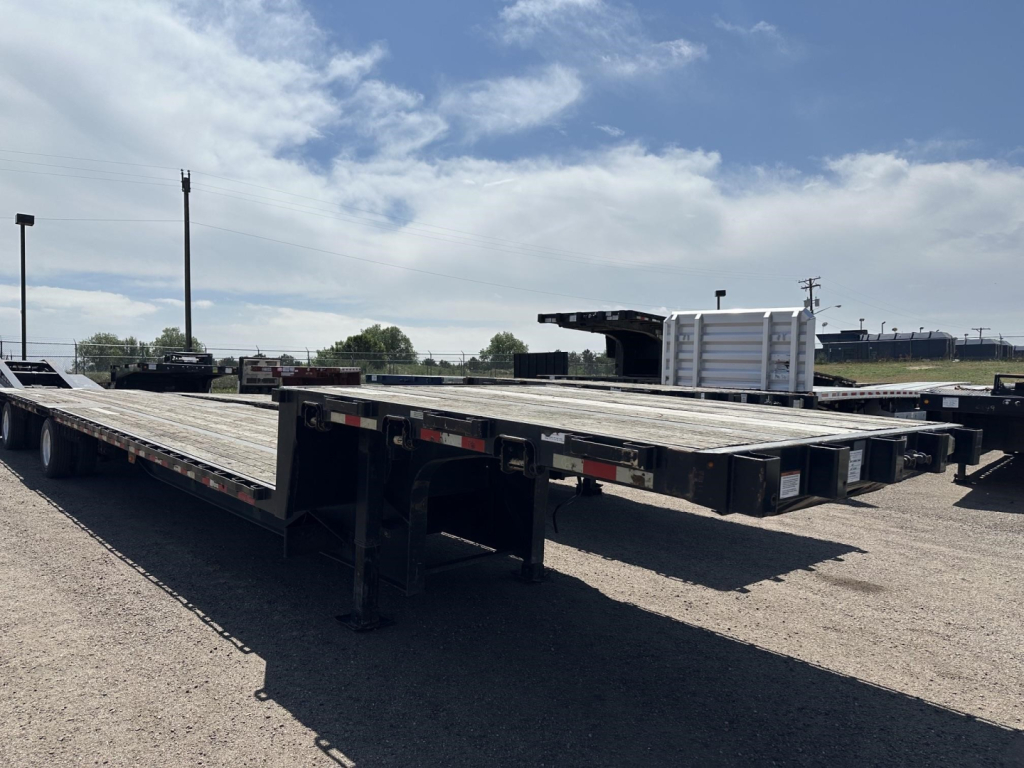
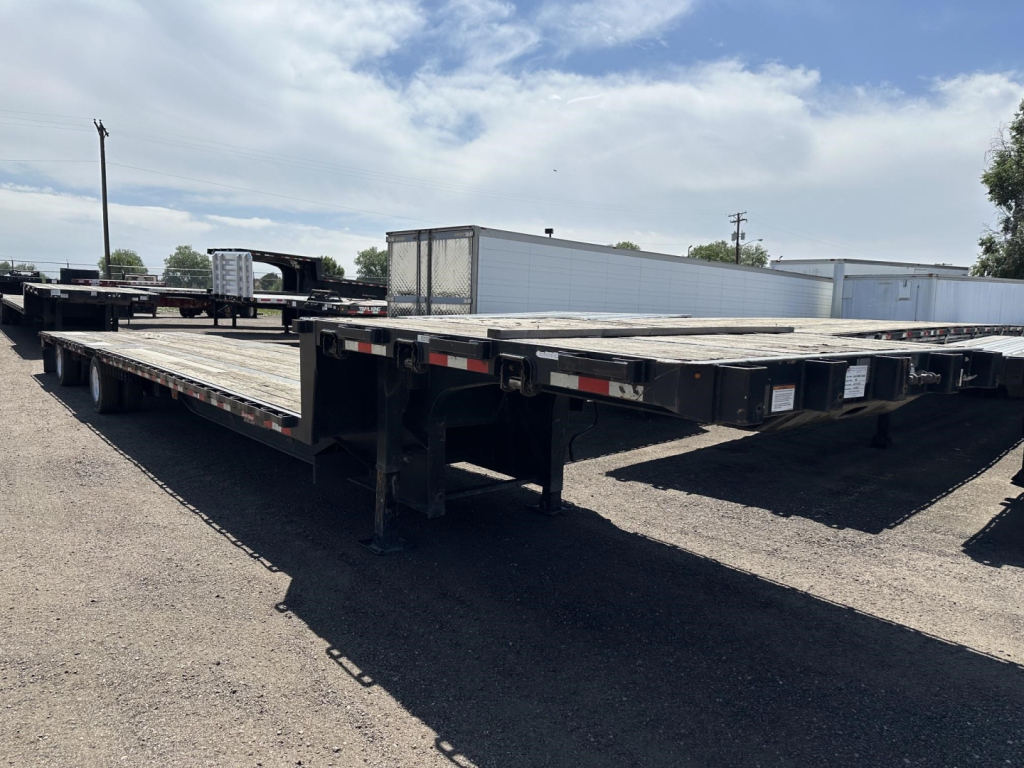
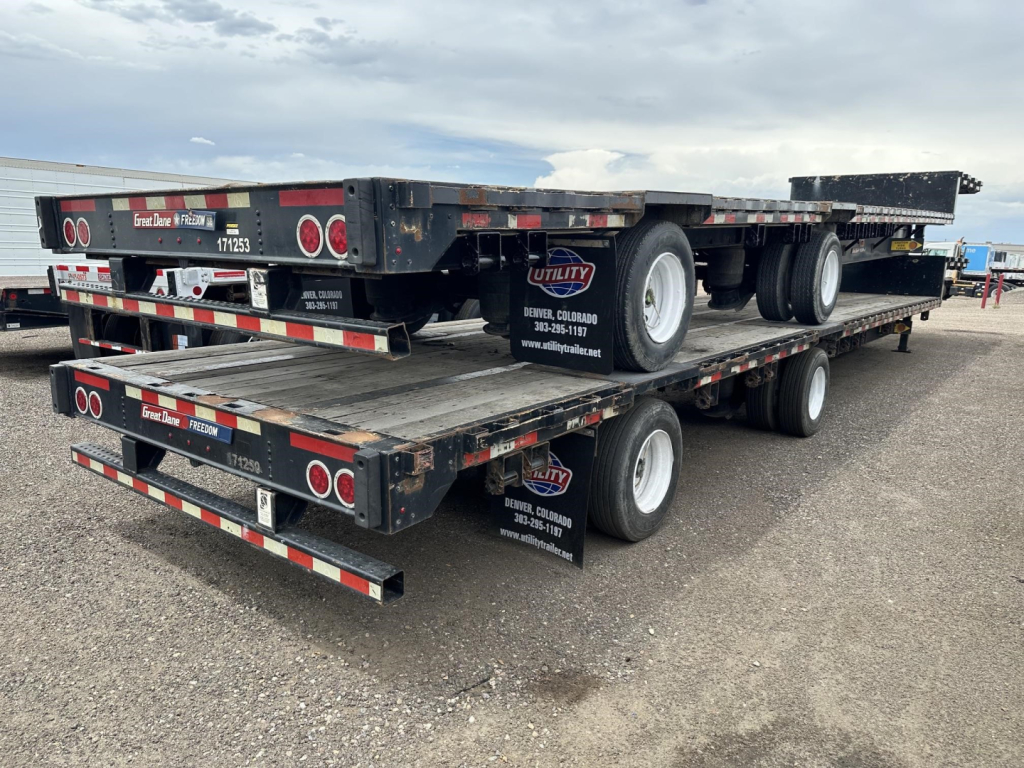
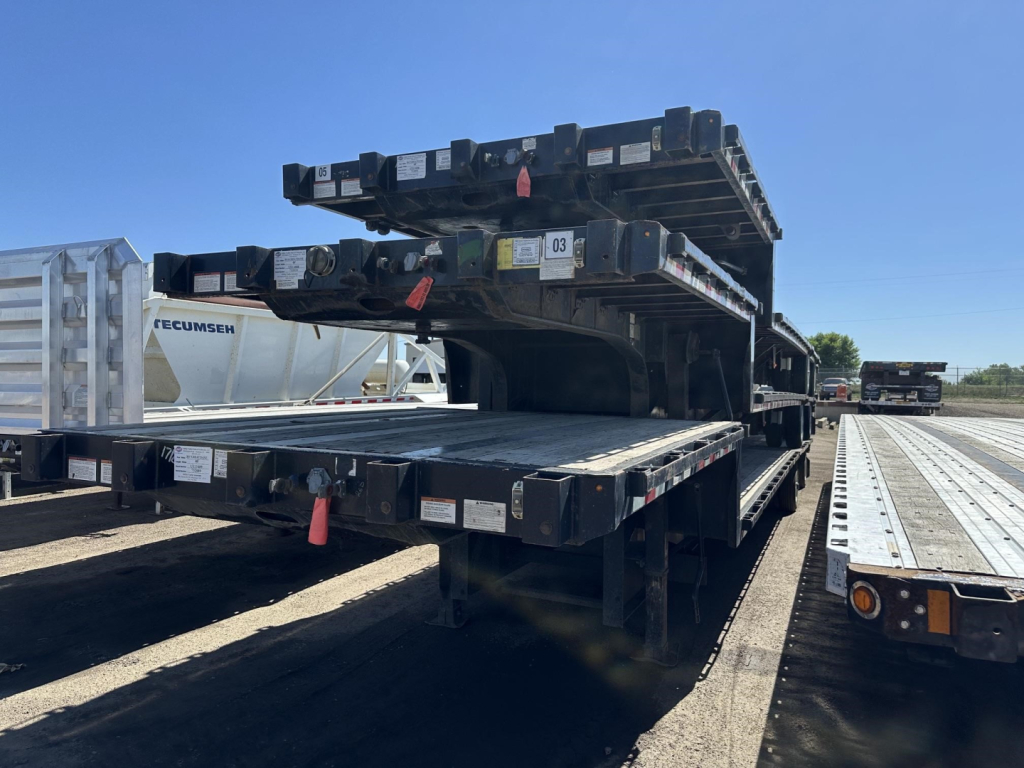
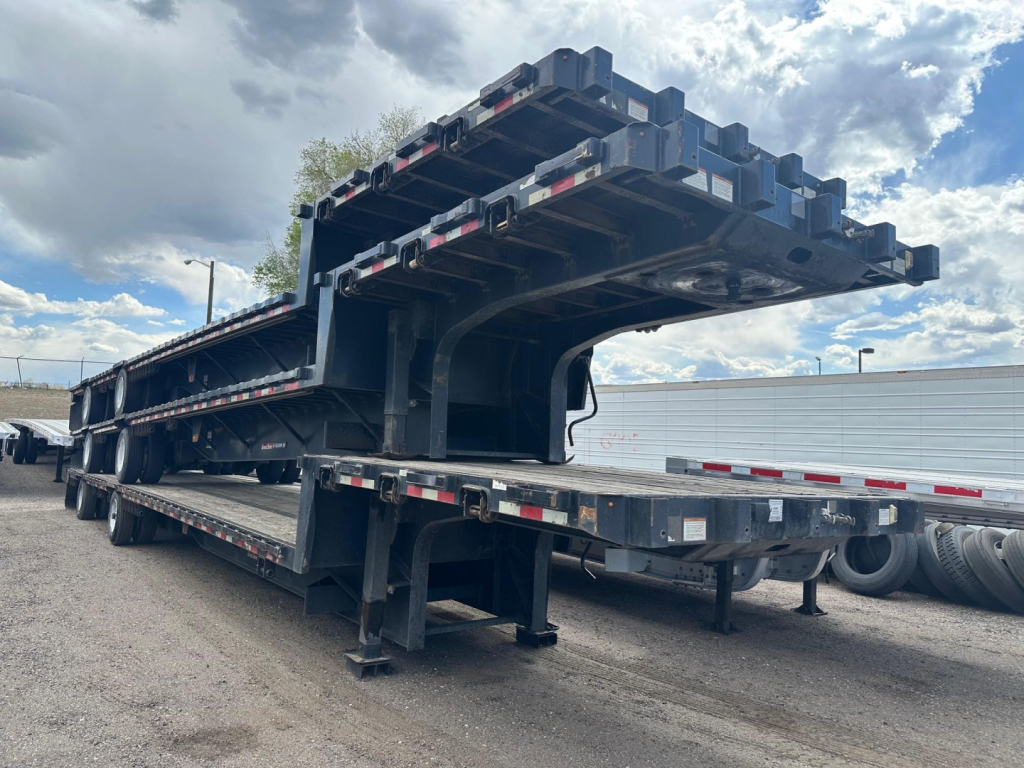
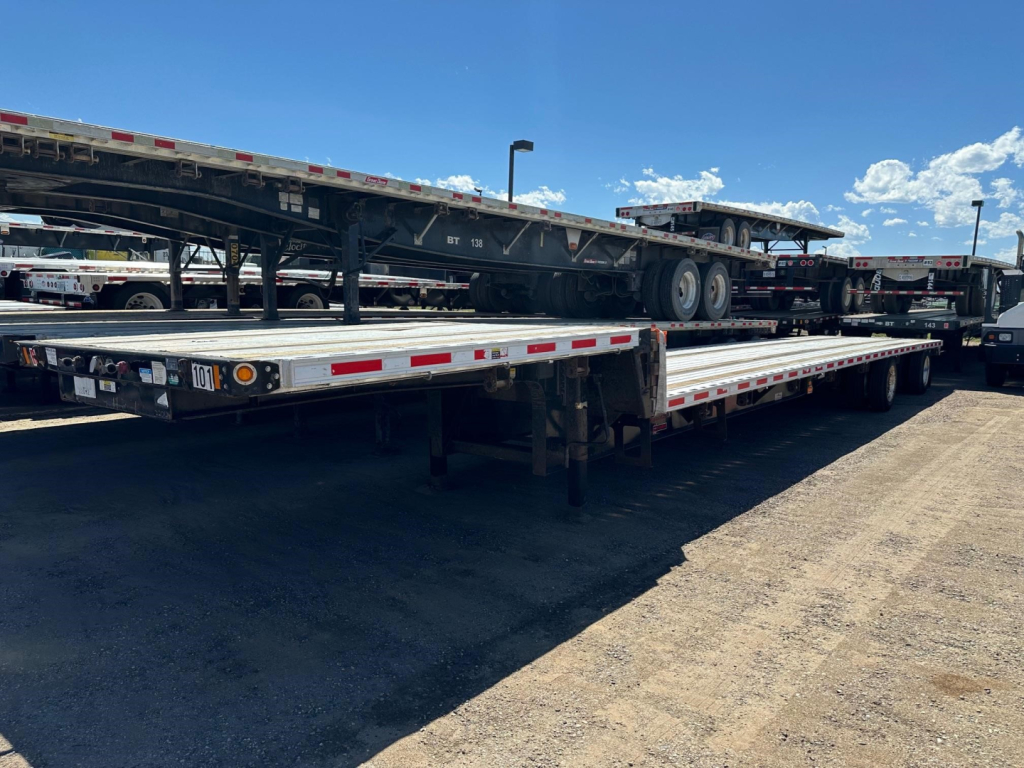

Selling a used 2017 drop deck trailer? List your used 2017 drop deck trailer for sale and reach thousands of commercial buyers.
Used 2017 Drop Deck Trailers
For most buyers, the key decisions start with construction and axle layout. Aluminum drop decks save tare weight and can improve payload, while steel trailers usually cost less up front and hold up well in hard-use environments. Tandem axle and spread axle configurations are both common in this class. A fixed spread can help with bridge compliance and load distribution, while a closed tandem may be easier in tighter docks and urban work. Air ride suspension is common on 2017 models and is preferred for many machinery, building products, and mixed open-deck loads. Kingpin setting, crossmember spacing, and beam rating matter if the trailer will regularly handle concentrated loads such as forklifts, pallets of steel, or small equipment.
Load securement features separate one used 2017 drop deck trailer from another. Many are equipped with sliding winches, winch tracks, stake pockets, pipe spools, chain slots, and rub rails suited for standard flatbed securement. Apitong wood floors remain common and are easy to repair, while all-aluminum decks reduce weight but should be checked carefully for wear around high-traffic areas and concentrated contact points. Some trailers include coil packages, ramp packages, tool boxes, dump valves, scale gauges, or enclosed rear assemblies. If you plan to haul forklifts, skid steers, or compact machines, ramp capacity and deck transition angle are worth close attention. Tire size, wheel type, and suspension brand also affect long-term operating cost.
On a used 2017 trailer, condition matters more than brand decal alone. Buyers should inspect the neck, upper deck transition, rear frame, suspension hangers, floor attachment points, and crossmembers for signs of fatigue, previous repairs, or overload damage. Check for tire wear patterns that may point to alignment or suspension issues, and confirm axle spacing and overall dimensions match the freight lanes you run most often. A well-spec'd 2017 drop deck can still be a productive trailer for general freight, machinery, building materials, and taller palletized loads, especially when the deck height, securement package, and axle configuration line up with your day-to-day work.
Frequently Asked Questions about Used 2017 Drop Deck Trailers
What is the difference between a drop deck trailer and a flatbed trailer?
A drop deck trailer has two deck levels, a raised front deck and a lower main deck, while a flatbed has one continuous deck height. The lower main deck is the advantage because it allows taller freight to stay within legal height limits without moving to a lowboy. For many loads such as equipment, crated machinery, and taller building materials, a drop deck offers more height flexibility than a standard flatbed.
What deck dimensions are common on a used 2017 drop deck trailer?
Many used 2017 drop deck trailers are 48 feet long and 102 inches wide. A typical configuration includes a 10 to 11 foot top deck and a 37 to 38 foot lower main deck, with main deck height around 40 inches. Actual dimensions vary by manufacturer, axle setup, suspension, and tire size, so buyers should verify usable deck length and loaded deck height for their specific freight.
Is aluminum or steel better for a 2017 drop deck trailer?
Aluminum is usually the better choice when payload is the priority because it reduces empty weight, but it often comes with a higher purchase price. Steel is typically less expensive and can be a strong fit for demanding applications where repairability and lower acquisition cost matter more than every pound of tare weight. The better material depends on your freight mix, maintenance approach, and how closely your loads run to gross weight limits.
What should I inspect on a used 2017 drop deck before buying?
Focus on structural areas first, including the main beams, neck, deck transition, rear frame, crossmembers, and suspension mounts. Check the floor for wear, rot, or damage from concentrated loads, and inspect rub rails, winch tracks, stake pockets, and chain tie-down points for distortion or repairs. Tire wear, brake condition, air system performance, and signs of axle misalignment can tell you a lot about how the trailer was maintained.
What types of freight are best suited for a drop deck trailer?
Drop deck trailers are commonly used for freight that is too tall for a flatbed but still manageable without specialized heavy haul equipment. Typical loads include machinery, forklifts, palletized building products, steel products, agricultural equipment, and other open-deck freight that benefits from extra height clearance. Trailers equipped with ramps can also handle self-loading equipment, which adds flexibility for mixed vocational work.