
Used 2017 Drop Deck Trailers For Sale in Colorado
Shop used 2017 drop deck trailers for sale in Colorado. Compare 48' and 53' step deck specs, axle setups, deck materials, and load options.
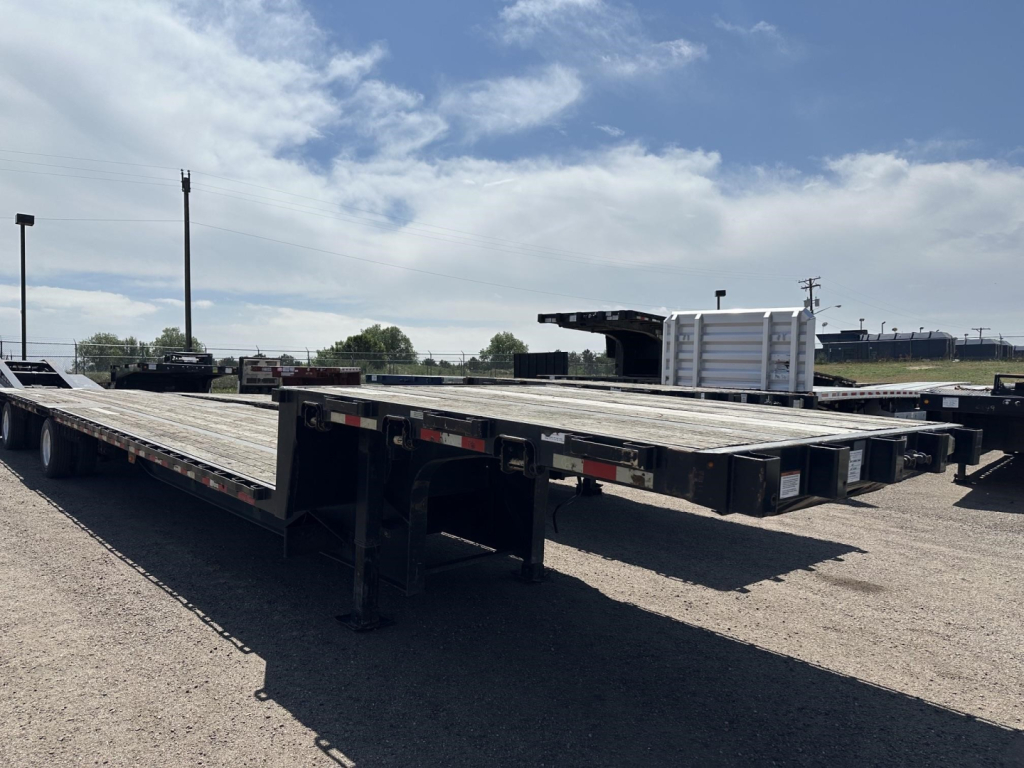
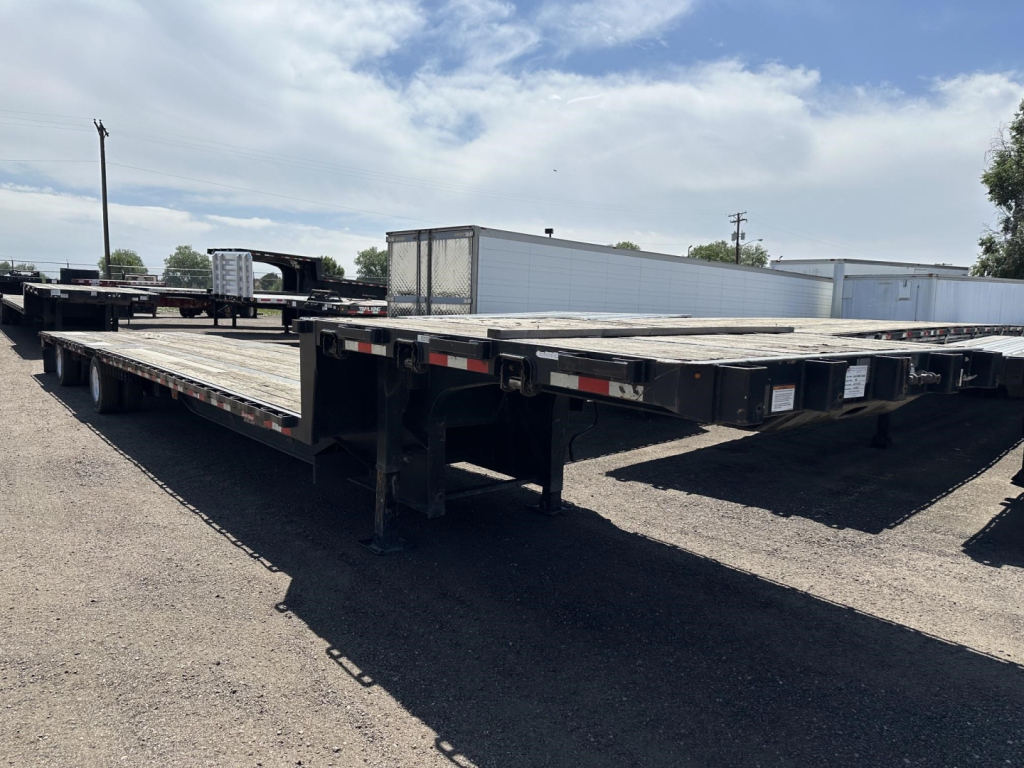
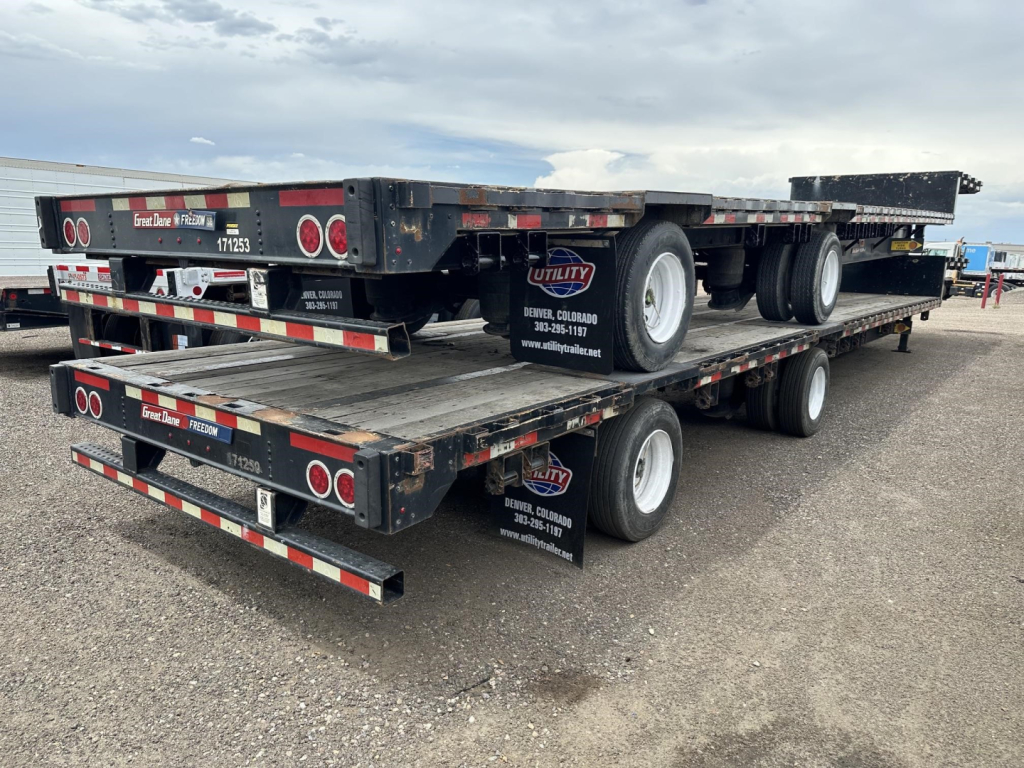
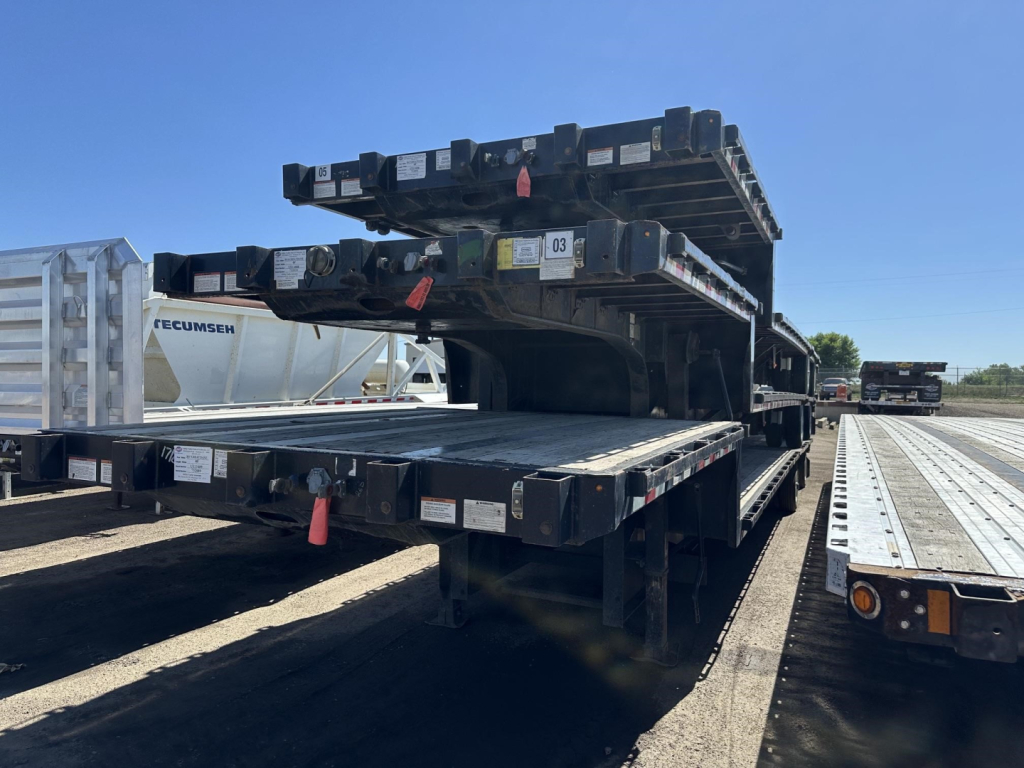
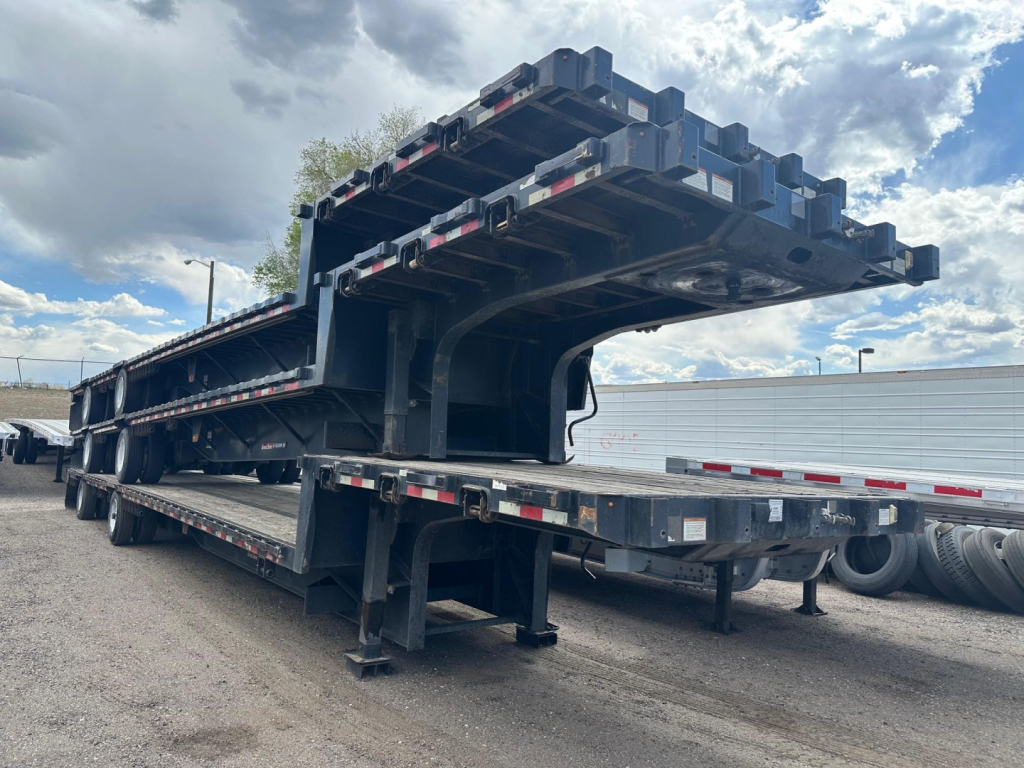
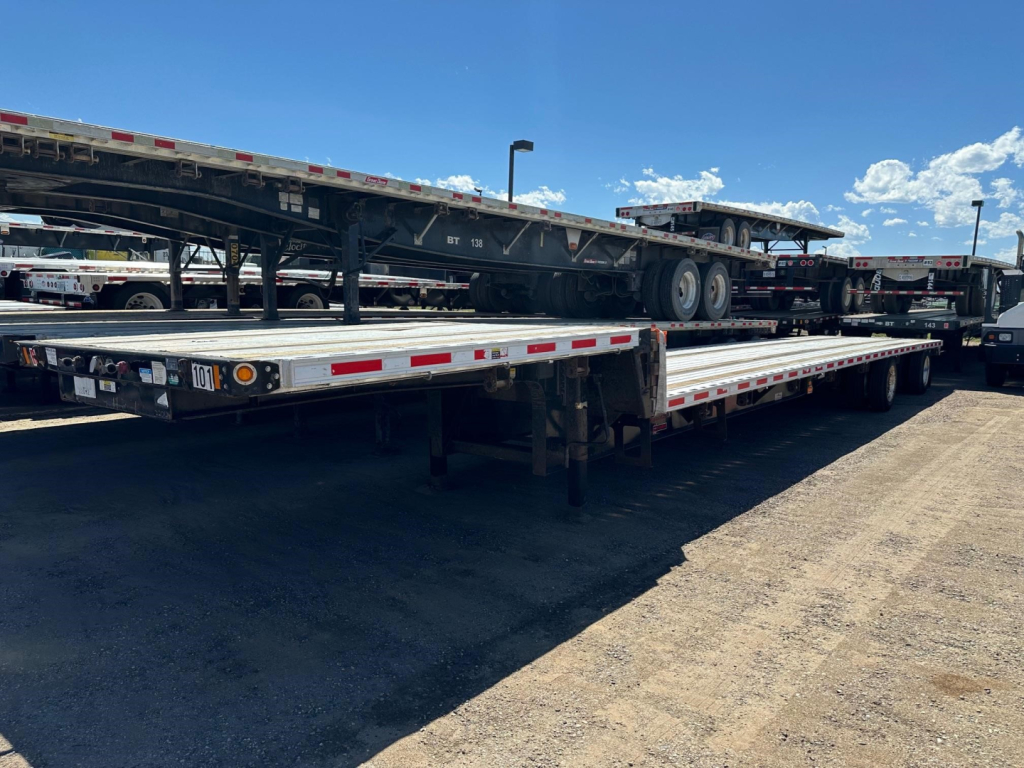
Selling a used 2017 drop deck trailer? List your used 2017 drop deck trailer for sale and reach thousands of commercial buyers.
Used 2017 Drop Deck Trailers in Colorado
The first buying decision is usually 48-foot versus 53-foot overall length, followed by axle configuration. In this category, common setups include tandem axle, spread axle, and rear slide combinations, with air ride suspension being especially common for freight that needs better ride quality. Colorado operators often pay close attention to bridge law compliance, tire size, and turning considerations, especially when comparing 17.5-inch low-profile rubber to 22.5-inch setups. Cal-legal versions, rear slide axles, and fixed spread air ride configurations can matter if your freight mix changes across state lines. Deck construction also deserves a close look. Steel main beams with aluminum deck and rails offer a popular balance of strength and tare weight, while all-aluminum trailers help maximize payload and steel-framed units often appeal to buyers prioritizing durability and repair familiarity.
Cargo securement features separate one drop deck from another faster than paint or brand. Buyers usually want to compare stake pockets, pipe spools, sliding winches, nail strips, scuff protection, tool boxes, and ramp packages. A full ramp kit can make a 2017 drop deck more useful for hauling forklifts, compact equipment, and smaller machines without requiring a separate loading solution. For general freight, look at deck length split between upper deck and lower deck, deck condition, winch track wear, and any signs of concentrated loading damage near the transition. If the trailer has tire inflation systems, dump valves, scale gauges, or enclosed rear framework, those details can add day-to-day value depending on your lanes and cargo.
On a used 2017 drop deck, condition matters more than brand decals. Check the neck area, transition points, crossmember spacing, suspension mounts, axle alignment, brake condition, and kingpin area for evidence of fatigue or past overloading. In Colorado, weather exposure can make it especially important to inspect wiring, air lines, deck fasteners, and corrosion around steel-to-aluminum contact points on combo trailers. A well-spec'd 2017 step deck can still serve as a dependable trailer for construction supply, machinery hauling, and open-deck freight if the dimensions, weight rating, and securement package match the work you actually haul.
Frequently Asked Questions about Used 2017 Drop Deck Trailers in Colorado
What is the difference between a drop deck trailer and a flatbed trailer?
A drop deck trailer, also called a step deck trailer, has two deck levels instead of one continuous deck. The lower main deck sits closer to the ground than a flatbed deck, which allows taller freight to move legally without needing a permit in many cases. That lower deck height is the main reason buyers choose a drop deck for machinery, palletized loads, and freight that would exceed legal height on a standard flatbed.
What should I check first on a used 2017 drop deck trailer?
Start with the frame, kingpin area, upper-to-lower deck transition, crossmembers, suspension, brakes, and axle alignment. These areas tell you more about the trailer's real condition than cosmetic appearance. After that, inspect deck wear, winches, stake pockets, pipe spools, tires, air system components, and any signs of corrosion or repairs, especially on combo trailers that mix steel and aluminum.
Is a 48-foot or 53-foot drop deck better for most buyers?
It depends on the freight and the lanes. A 48-foot drop deck is common for general open-deck work and can be easier to maneuver, while a 53-foot trailer gives you more deck space and can be attractive for longer or more varied freight. Buyers should compare overall deck length, upper deck length, axle spread, and bridge law requirements before deciding, because the best choice is usually driven by the loads you haul most often.
Why do some drop deck trailers use 17.5 tires and others use 22.5 tires?
Seventeen-point-five-inch tires are often used to keep deck height lower, which helps maximize legal cargo height. Twenty-two-point-five-inch tires may be preferred by some buyers for parts availability, service familiarity, and certain operating preferences. The tradeoff is usually between lower loaded deck height and the maintenance or replacement considerations tied to the tire and wheel package.
Are ramps worth having on a drop deck trailer?
Ramps add value if you haul forklifts, skid steers, compact tractors, lifts, or other wheeled and tracked equipment. A trailer with a ramp kit can handle more self-loading freight and reduce dependence on docks or external loading equipment. If your work is mostly palletized or crane-loaded freight, ramps may be less important than securement features such as sliding winches, stake pockets, pipe spools, and deck condition.