
Used 2011 Trailers For Sale
Browse used 2011 trailers for sale, including dry vans, reefers, flatbeds, and specialty trailers with specs that matter to fleet buyers.
Learn more
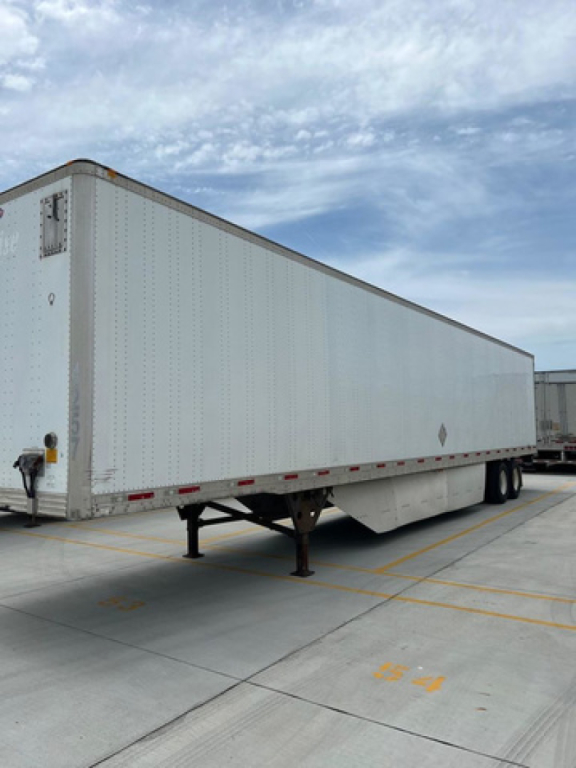

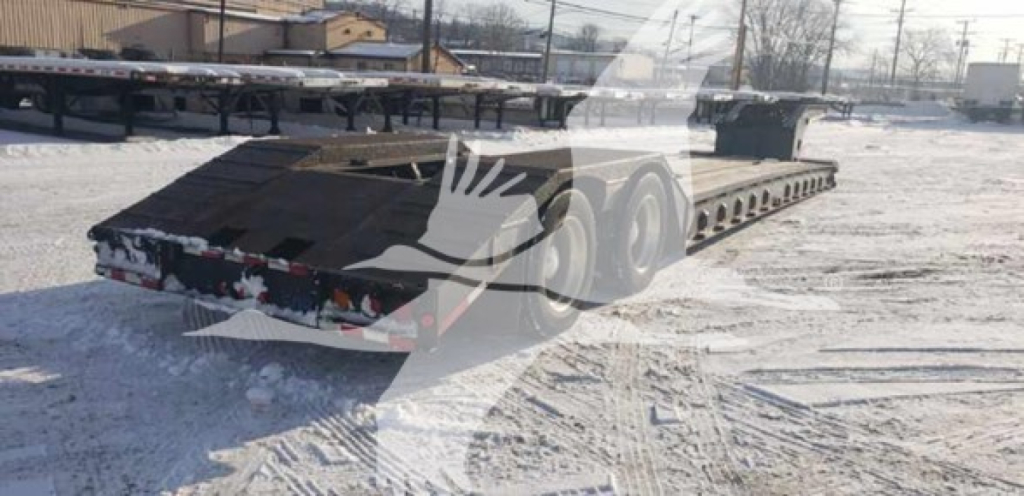
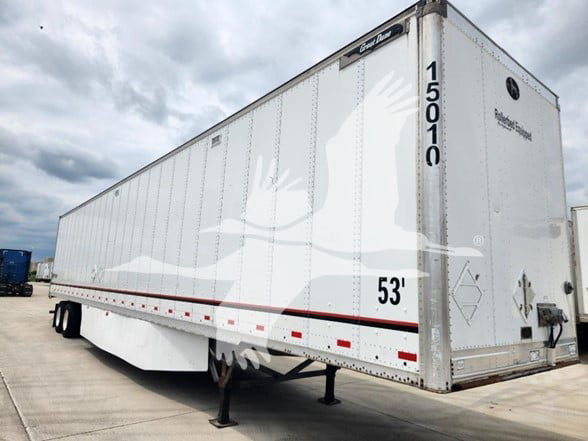
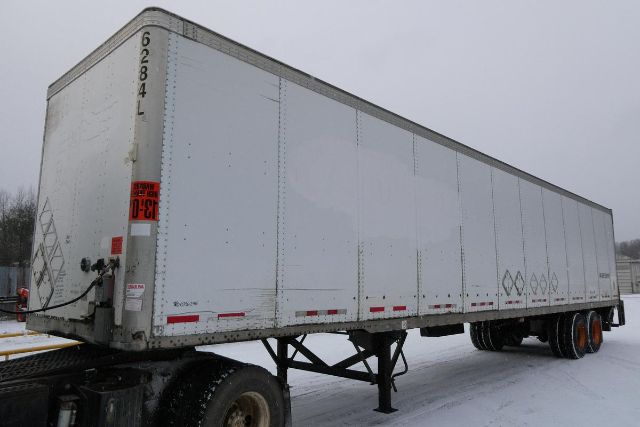
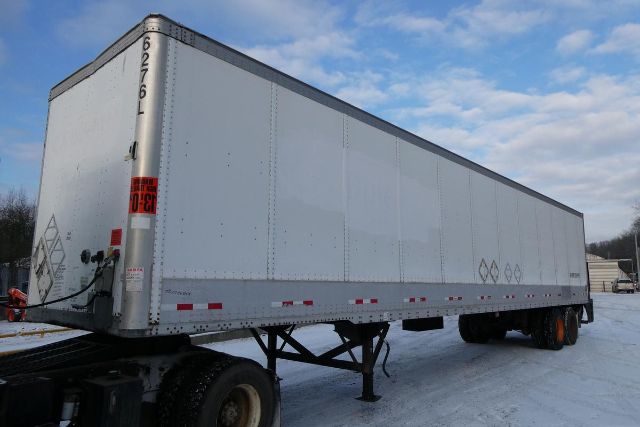
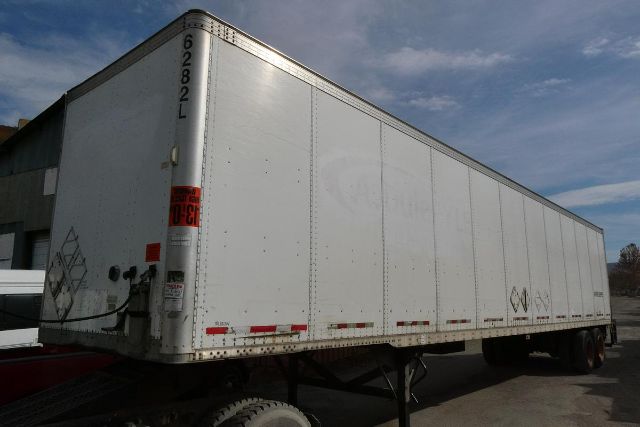
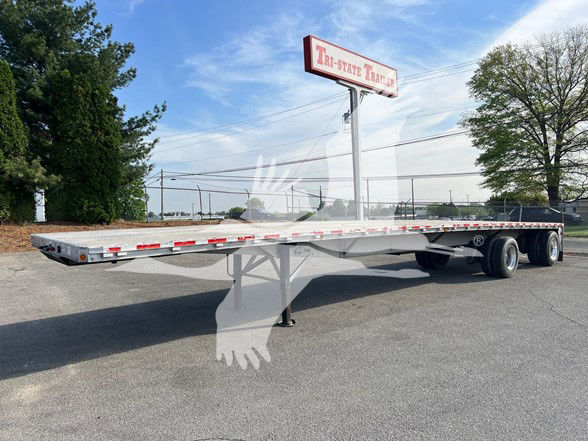
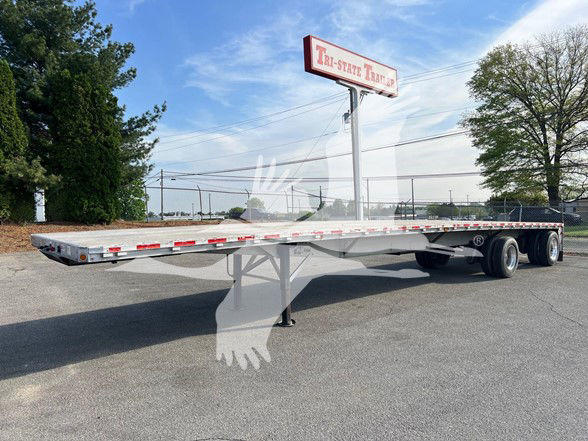
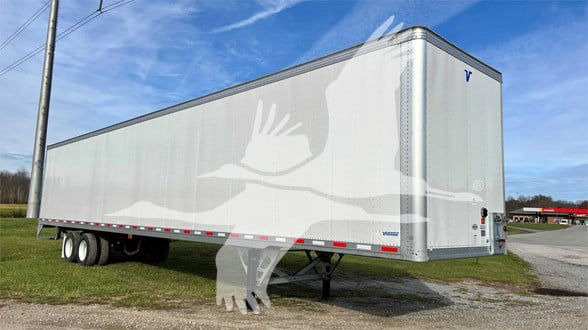
Showing 1 to 12 of 21 results
Have used 2011 trailer to sell? List it here to reach thousands of buyers.
About Used 2011 Trailers
On van and reefer trailers from this model year, the most important checkpoints are structural condition and door area wear. Common specs include 53-foot length, 102-inch width, air ride suspension, sliding tandems, 22.5 low-profile tires, wood or duct floors, scuff liners, logistic posts or E-track, and roll-up or swing doors. Check the roof bows, side sheets, rear frame, crossmember corrosion, and floor repairs around the threshold plate and high-traffic pallet zones. On reefers, reefer unit hours, insulation integrity, chute condition, bulkhead fitment, and floor channel wear matter as much as the trailer itself. A 2011 reefer may still be serviceable in regional food work or cold storage lanes, but deferred refrigeration maintenance can erase any upfront savings.
Flatbeds, step decks, lowboys, and other open-deck 2011 trailers need a different buying lens. Deck condition, frame straightness, concentrated load rating, winch track integrity, and the condition of ramps, outriggers, and apitong or mixed hardwood flooring are usually more important than cosmetic appearance. Suspension type, axle spread, kingpin setting, and overall deck height should line up with the freight you actually haul, especially if bridge law compliance or load height is a daily concern. On older specialty trailers, it also pays to confirm parts support for air suspension components, lighting harnesses, landing gear, and brake hardware before committing.
For any used 2011 trailer, tire age, brake lining life, wheel-end condition, DOT compliance items, and evidence of previous accident repair deserve a close review. Look for VIN plate legibility, signs of frame cracks near suspension hangers, uneven tire wear, and patched floors or sidewalls that suggest hard dock use. Buyers comparing listings should also watch for spec details that affect resale and lane flexibility, such as swing versus roll-up doors, fixed versus sliding tandems, tire inflation systems, side skirts, and inside height. A well-kept 2011 trailer can still deliver solid service in regional, dedicated, storage, or backup fleet use, but value depends heavily on maintenance discipline and how closely the trailer’s original build matches the job it will do now.
Frequently Asked Questions
What should I inspect first on a used 2011 trailer?
Start with the frame, suspension, brakes, tires, and floor because those items drive immediate repair cost and uptime risk. On enclosed trailers, inspect the roof, rear frame, door opening, and crossmembers for damage or corrosion. On open-deck trailers, focus on frame alignment, deck condition, ramp structure, and tie-down systems. A low purchase price on a 2011 trailer can disappear quickly if it needs tires, brakes, floor work, and wheel-end service at the same time.
Is a 2011 trailer too old for regular freight service?
Not necessarily. A 2011 trailer can still be a productive freight asset if it has been maintained correctly and the configuration fits the intended operation. Many fleets continue to run trailers from this era in regional haul, dedicated lanes, seasonal peaks, and warehouse shuttle work. Age matters less than structural condition, maintenance records, brake and suspension health, and the availability of replacement parts for the trailer and any refrigeration unit.
What specs matter most when comparing used 2011 dry vans and reefers?
Length, width, inside height, door type, tandem configuration, suspension, floor type, and tire size are the baseline comparison points. For dry vans, buyers often pay close attention to scuff liners, E-track or logistic posts, roll-up versus swing doors, and overall floor condition. For reefers, reefer unit hours, fuel tank size, insulation package, chute and bulkhead condition, duct floor wear, and the service history of the refrigeration system are critical. These details affect payload, loading speed, maintenance cost, and lane flexibility.
Are sliding tandems important on a used 2011 trailer?
Yes, especially for fleets that run mixed state routes, variable dock setups, or need flexibility for axle weight distribution. Sliding tandems help with bridge law compliance, kingpin-to-rear axle adjustment, and backing characteristics at different facilities. A fixed tandem can be fine in dedicated applications, but a sliding tandem usually improves operational versatility and resale appeal. On a 2011 trailer, make sure the slider pins, rails, and locking mechanism are not excessively worn or corroded.
How do I judge value on a used 2011 trailer listing?
Value comes from usable life remaining, not just the asking price. Compare the trailer’s build type, structural condition, tire and brake life, major repair history, and any premium equipment such as air ride, side skirts, tire inflation systems, aluminum wheels, or specialized cargo control. A cleaner, better-documented 2011 trailer with solid running gear often costs less over time than a cheaper unit that needs immediate shop work. The best buy is usually the trailer with the fewest near-term capital repairs and the broadest fit for your freight.