
Used 2011 Utility Trailers For Sale
Shop used 2011 Utility trailers for sale, including reefer and dry freight models known for lightweight construction, strong resale, and fleet durability.
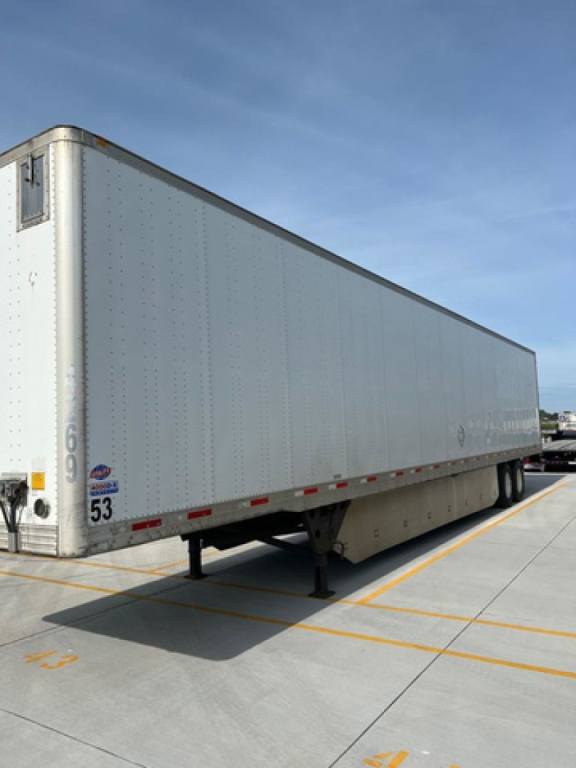

Selling a used 2011 utility trailer? List your used 2011 utility trailer for sale and reach thousands of commercial buyers.
Used 2011 Utility Trailers
On reefer models such as the Utility 2000R, 2000RX, or 3000R series, the important buying points are the refrigeration unit hours, floor condition, door seal integrity, and trailer body insulation. Look closely at the aluminum duct floor, front wall, ceiling, and scuff liner area for signs of forklift damage, patching, or moisture intrusion. Many 2011 Utility reefers were spec'd with swing doors, sliding tandems, air ride suspension, and low-profile 22.5 tires. Buyers should also verify reefer unit brand, service records, evaporator condition, and whether the trailer has features like a cold chute, vents, stainless rear frame components, or tire inflation systems added later in life. A sound 2011 reefer can still serve regional grocery, produce, frozen food, and dedicated temperature-controlled lanes, but deferred reefer maintenance gets expensive quickly.
For dry van and general freight use, 2011 Utility trailers are known for light empty weight and straightforward repairability. Key inspection areas include the roof bows, side panels, rear frame, crossmembers, slider box, and tandem suspension. Check for corrosion around the landing gear mounts, impact damage at the rear sill, and floor wear from concentrated forklift traffic. If the trailer has a sliding tandem, confirm pin function and rail wear, especially if the trailer has spent years in heavy drop-and-hook service. On any 2011 used trailer, tire age, brake type, wheel-end condition, ABS function, and current DOT compliance matter as much as the box itself.
A 2011 Utility trailer often makes sense for fleets adding capacity without paying late-model pricing, and for owner-operators who want a recognizable trailer with nationwide service familiarity. The right choice depends less on badge alone and more on prior application. A reefer that ran disciplined food-grade freight is very different from one that lived in hard multi-stop service. A dry van that hauled light cube freight will age differently than one used in beverage or paper service. Utility remains a well-known name because these trailers were built for long commercial life, but the best used purchase is the one with a clean structure, documented upkeep, and specs that match the lane it is expected to run.
Frequently Asked Questions about Used 2011 Utility Trailers
What should I inspect first on a used 2011 Utility reefer trailer?
Start with the reefer unit, trailer body, and floor. Confirm the refrigeration unit hours, maintenance records, and current operating condition, then inspect the interior for floor damage, insulation issues, scuff liner abuse, and air leaks around the doors. Also check the front wall, roof, and lower nose area for signs of repairs or moisture intrusion. On a 2011 trailer, structural condition and reefer service history usually matter more than cosmetic appearance.
Are 2011 Utility trailers still a good fit for over-the-road freight?
Yes, many 2011 Utility trailers can still work well in over-the-road service if they have been maintained correctly. Utility trailers from this era are widely recognized for lightweight aluminum construction, common fleet specifications, and good parts availability. The key is matching the trailer's current condition to the intended operation. A solid trailer with healthy brakes, suspension, wheel ends, and a sound body can still be productive, but neglected running gear or structural fatigue will quickly erase any purchase-price advantage.
What are common specs found on 2011 Utility trailers?
Common specs vary by trailer type, but many 2011 Utility trailers were built in 53-foot by 102-inch configurations with air ride suspension and sliding tandems. Reefer models often included aluminum duct floors, swing doors, scuff plates, and low-profile 22.5 tires. Dry vans commonly featured logistics posts, hardwood or laminated floors, and standard tandem axle layouts. Exact specs always depend on the original fleet order, so buyers should verify suspension, brake setup, axle spread, kingpin setting, and interior dimensions before purchase.
How important is the tandem slider condition on a used 2011 Utility trailer?
Tandem slider condition is very important because it affects weight distribution, bridge compliance, and everyday usability. On an older trailer, worn slider rails, sticky locking pins, and damaged crossmembers can create both operational headaches and repair costs. A trailer that has spent years in drop-and-hook service may show more slider wear than one assigned to dedicated lanes. Buyers should test pin engagement, inspect the rail area closely, and look for signs of prior damage or improper repairs.
Do Utility trailers from 2011 have good parts and service support?
In most markets, yes. Utility is a major trailer manufacturer with broad industry familiarity, which helps with replacement parts, shop knowledge, and resale confidence. Common wear items such as brakes, wheel-end components, suspension parts, doors, seals, and lighting are generally straightforward to source. Support for the trailer itself is usually not the issue. The more important question is the condition and serviceability of any major components fitted to that specific trailer, especially refrigeration units on reefer models.