
Used 2011 Trailers For Sale in New York
Browse used 2011 trailers for sale in New York, including van, flatbed, and specialty trailers with common specs, applications, and buying tips.
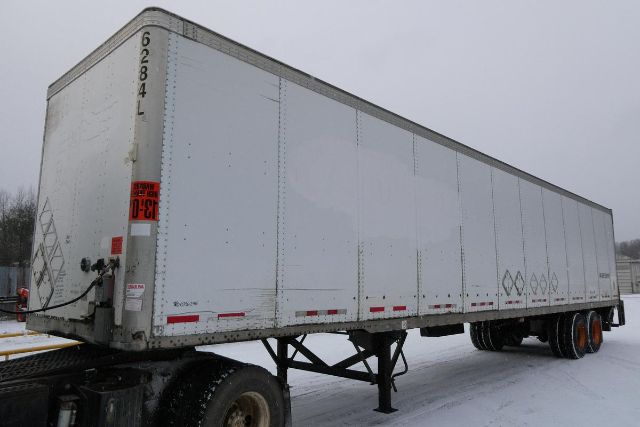
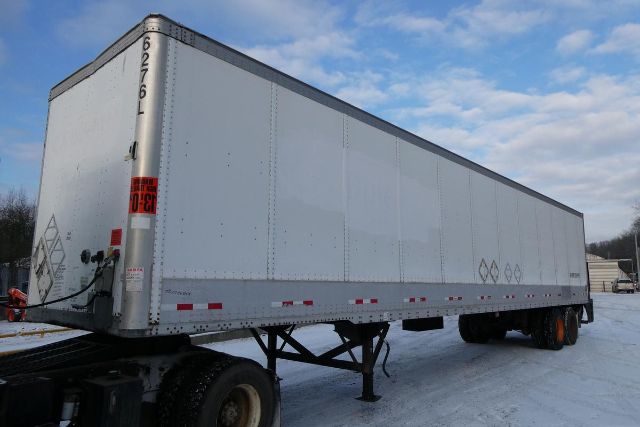
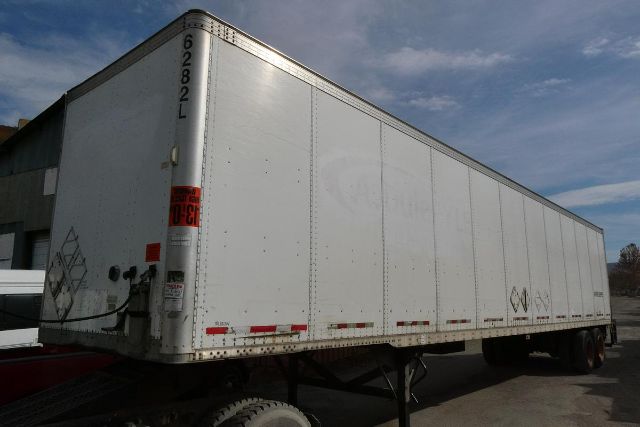
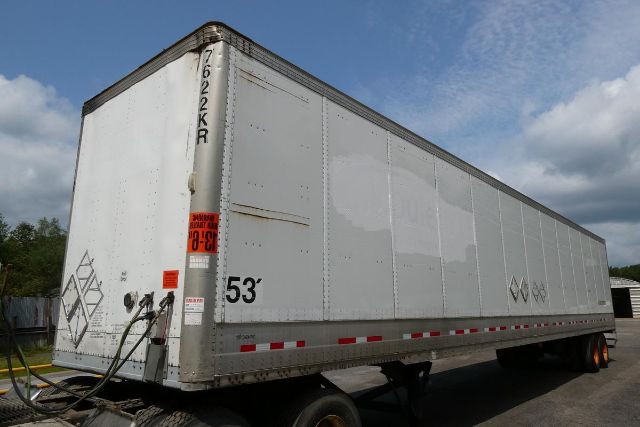
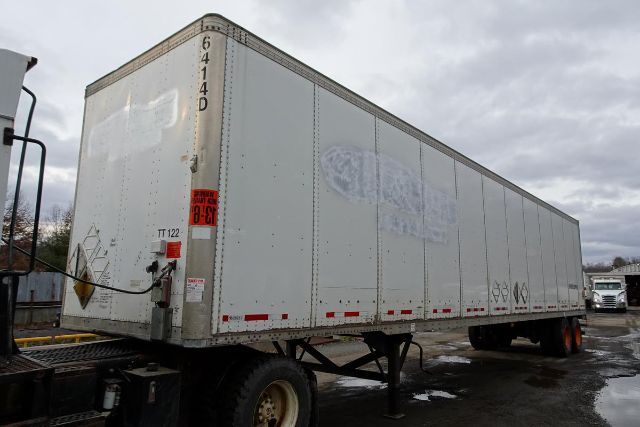
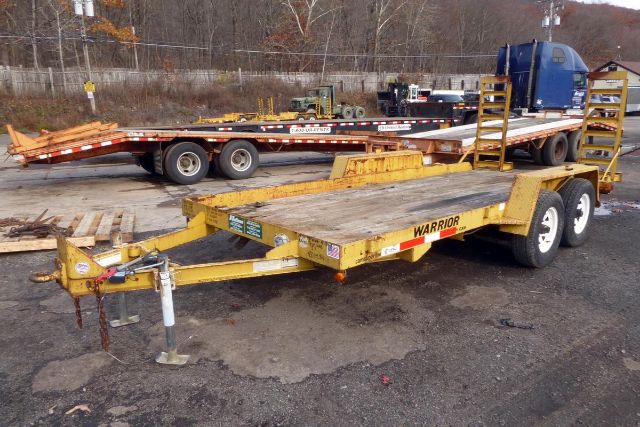
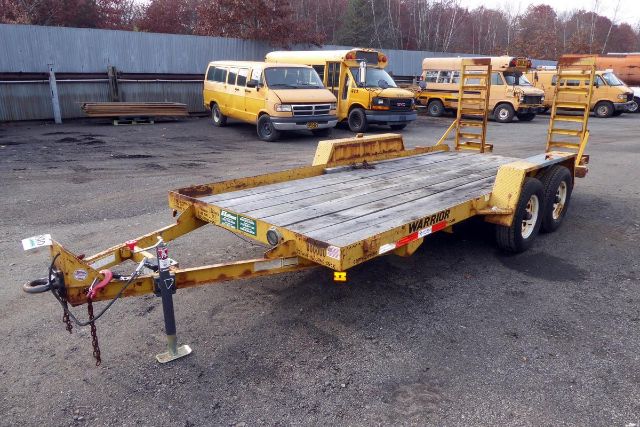
Selling a used 2011 trailer? List your used 2011 trailer for sale and reach thousands of commercial buyers.
Used 2011 Trailers in New York
On a 2011 used trailer, condition matters more than brand decal alone. Frame integrity, crossmember condition, floor wear, roof leaks, rear frame repairs, and door operation should all be checked before comparing price. Dry van buyers usually focus on swing doors versus roll-up doors, wood floor condition, scuff liners, E-track, logistic posts, and the condition of the front wall and threshold plate. Flatbed buyers tend to inspect deck condition, rub rail wear, stake pockets, winches, slider function, and any cracking around suspension hangers or kingpin area. Suspension type, tandem slider travel, brake condition, tire size, wheel type, and hub-pilot compatibility also affect long-term operating cost.
Many 2011 trailers were built with aluminum-steel combinations to balance tare weight and durability. Common specs in this age range include 102-inch overall width, 13-foot 6-inch overall height on highway vans, air brakes, spring ride or air ride suspension, and tandem axles with sliding or fixed configurations. Buyers hauling freight on Northeast corridors often prefer air ride for cargo protection and ride quality, while spring ride can still make sense for certain vocational or short-haul applications where simplicity matters. If the trailer will run heavy and often, verify GVWR, landing gear condition, brake drum or disc setup, tire inflation systems if equipped, and signs of corrosion from winter road treatment.
A 2011 trailer can still be a practical fleet unit if the structure is sound and the specification matches the job. Look closely at prior fleet use, maintenance habits, DOT compliance items, and evidence of patchwork repairs. In New York, rust exposure is a real value factor, so underside inspection is critical around the subframe, rear impact guard, spring seats, and electrical mounting points. The best buy in this category is usually the trailer with the cleanest maintenance story, the right dimensions for the lane, and the least deferred structural work rather than the lowest upfront price.
Frequently Asked Questions about Used 2011 Trailers in New York
What should I inspect first on a used 2011 trailer?
Start with the structural components because they are the most expensive to correct. Inspect the frame rails, crossmembers, kingpin area, suspension mounts, landing gear supports, rear frame, and floor condition. After that, check brakes, tires, lights, ABS function, door seals, and signs of water intrusion. On trailers that have spent years in the Northeast, corrosion underneath is one of the most important value and safety considerations.
Are 2011 dry van trailers still a good buy for regional or warehouse freight?
Yes, a 2011 dry van can still be a productive trailer if the roof, floor, rear frame, doors, and running gear are in solid condition. Many units from this era were built for high-cycle fleet service and can continue working in regional distribution, storage, local freight, and dedicated lanes. The key is matching remaining structural life to the application instead of buying strictly on age or low price.
What axle and suspension setup is most common on used 2011 trailers?
Tandem axle configurations are the most common, often with a sliding tandem on road vans and a fixed setup on some shorter or specialty trailers. Air ride and spring ride are both common in this year range. Air ride is often preferred for higher-value or damage-sensitive freight, while spring ride can be simpler and less costly to maintain in certain operations.
Why does New York location matter when buying a used trailer?
New York use can mean more exposure to road salt, moisture, stop-and-go service, and tight urban maneuvering. That makes rust, brake wear, door damage, and body scrapes more common than on similar trailers from drier regions. Buyers should inspect the underside carefully and verify that axle alignment, lighting, brakes, and structural components have not been compromised by corrosion or hard city use.
What features add value on a 2011 used trailer?
On dry vans, buyers usually place extra value on a sound roof, clean wood floor, good scuff liners, E-track or logistics posts, stainless front or rear components, and properly working swing or roll-up doors. On flatbeds, strong deck condition, usable winch track, straight rub rails, solid stake pockets, and clean suspension components matter most. A documented maintenance history and minimal structural repair work usually add more real value than cosmetic appearance.