
Used 2011 Vanguard Trailers For Sale
Browse used 2011 Vanguard trailers for sale, including dry van and reefer specs, common features, maintenance points, and fleet buyer tips.
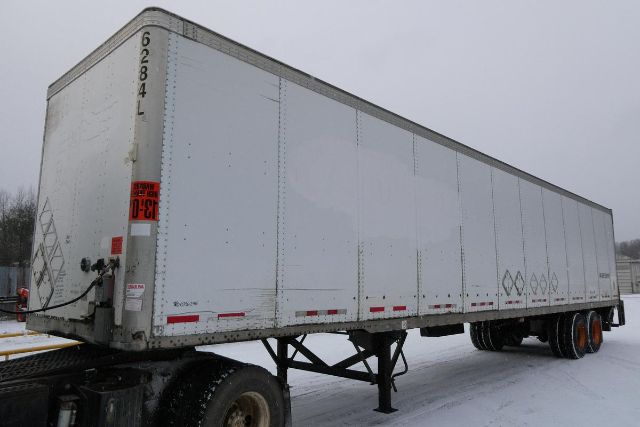
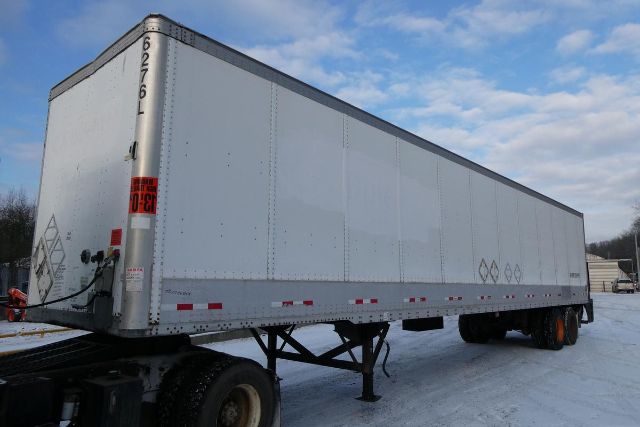
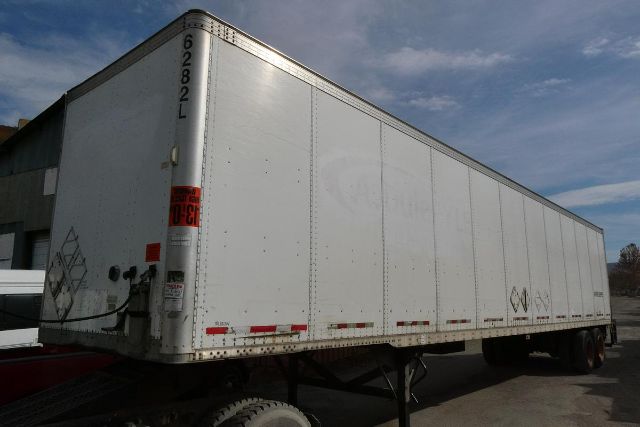
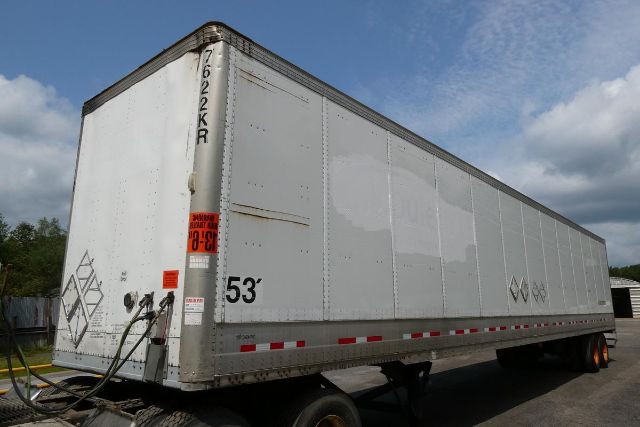
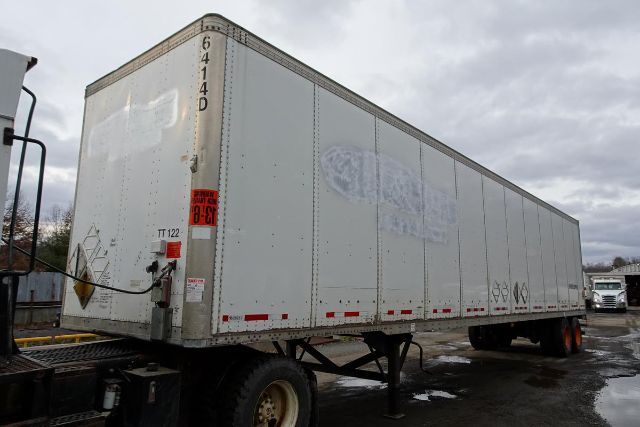
Selling a used 2011 vanguard trailer? List your used 2011 vanguard trailer for sale and reach thousands of commercial buyers.
Used 2011 Vanguard Trailers
For a 2011 model year, structural condition should carry more weight than cosmetic appearance. Look closely at the roof bows, front nose area, rear frame, crossmembers, floor fastener integrity, and lower side rail condition, especially on trailers that spent years in high-cycle dock service. On dry vans, plywood lining, scuff liners, threshold plates, and E-track can add real value if the trailer is headed back into grocery, parcel, or retail freight. On reefers, check for floor wear at the forklift lanes, air chute condition, door seal life, and any signs of moisture intrusion around the unit opening or front wall. Suspension type, slider operation, kingpin wear, and tire inflation systems also deserve attention because they affect both uptime and operating cost.
Vanguard trailers from this period are often found with tandem axles, 295/75R22.5 rubber, and common fleet specs that make parts sourcing straightforward. Air ride suspensions are popular for ride quality and cargo protection, and many fleet buyers prefer slider tandems for bridge-law flexibility and dock positioning. Dry van buyers may want front and rear vents, logistics posts, underbody storage, or side skirts depending on route profile and fuel-saving goals. Reefer buyers should verify insulation thickness, bulkhead setup, fuel tank size, and whether the trailer has features like MTIS with ThermALERT, galvanized components, or stainless hardware in corrosion-prone areas. These details separate a basic warehouse-to-warehouse trailer from one that can handle tougher regional or over-the-road duty.
The best use case for a used 2011 Vanguard trailer depends on how hard the trailer will be worked and how well it matches your freight. A well-maintained dry van can still be a cost-effective choice for dedicated lanes, seasonal surge capacity, drop-and-hook operations, and local or regional cartage. A reefer can make sense for backup cold storage, produce, frozen freight, or private fleet work if the unit and box both pass inspection. Buyers comparing listings should focus on door configuration, interior dimensions, floor and wall condition, axle and suspension spec, and evidence of consistent maintenance. Those factors usually tell you more about remaining service life than the badge on the nose or the shine on the side panels.
Frequently Asked Questions about Used 2011 Vanguard Trailers
What should I inspect first on a used 2011 Vanguard trailer?
Start with the structure and the floor. Check the crossmembers, side rails, rear frame, roof, nose, kingpin area, and landing gear mounts for cracks, corrosion, or past repair work. Then inspect the floor for soft spots, forklift damage, loose fasteners, and wear at high-traffic lanes. On reefer models, add the insulation package, door seals, duct floor, and refrigeration unit condition to the top of the list because those items drive repair cost quickly.
Are 2011 Vanguard trailers mainly dry vans or reefers?
You will see both, but dry vans and refrigerated trailers are the most common categories associated with Vanguard in the used market. Dry vans are typically used for general freight, retail, parcel, and dedicated contract hauling. Reefer models are built for temperature-controlled freight and usually include insulated walls, specialized floors, and a mounted refrigeration unit. The right choice depends on freight type, dock environment, and how much weight and temperature control matter in your operation.
What specs are most common on used Vanguard trailers from this era?
Typical fleet-oriented specs include 53-foot length, 102-inch width, tandem axles, air ride suspension, sliding tandems, and 22.5-inch wheels and tires. Dry vans often have wood floors, plywood lining, scuff protection, vents, and swing or roll-up doors. Reefer versions commonly have insulated construction, aluminum or galvanized components, duct floors, stainless rear frame sections, and tire inflation systems on higher-spec units. Exact configuration varies by original buyer and application.
Is a used 2011 Vanguard trailer still a good fleet buy?
It can be, if the trailer has been maintained and the spec matches the job. Age alone does not determine value on a commercial trailer as much as structural condition, maintenance history, and prior application. A 2011 trailer that spent its life on consistent linehaul with regular inspections can be a better buy than a newer trailer that saw heavy urban dock abuse. Buyers should weigh repair exposure, compliance needs, and expected annual miles before deciding where an older trailer fits in the fleet.
What matters most when choosing between a used 2011 Vanguard dry van and reefer?
The decision comes down to freight requirements and operating cost. A dry van is simpler, lighter, and generally less expensive to maintain because there is no refrigeration unit or insulated body system to service. A reefer adds flexibility for temperature-sensitive freight but introduces unit hours, fuel system maintenance, insulation concerns, and additional inspection points. If your loads do not require temperature control, a dry van is usually the more economical choice.