
Used 2011 Reefer Trailers For Sale
Browse used 2011 reefer trailers for sale. Compare 53-foot refrigerated trailers, reefer units, insulation, floors, suspension, and specs.
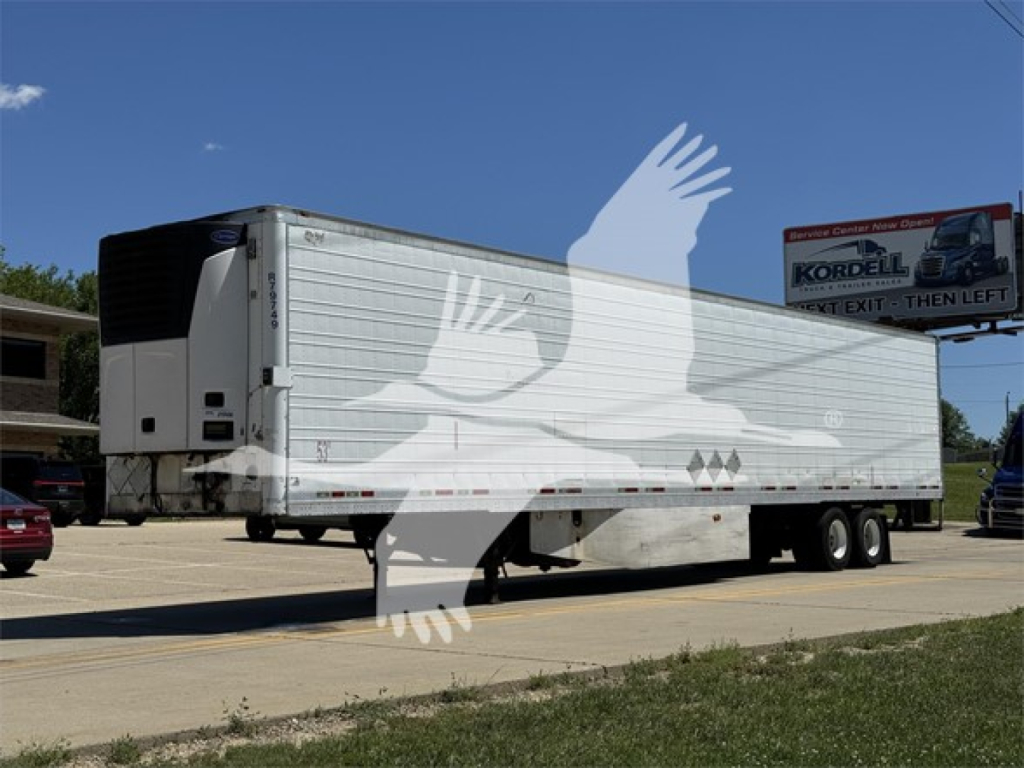

Selling a used 2011 reefer trailer? List your used 2011 reefer trailer for sale and reach thousands of commercial buyers.
Used 2011 Reefer Trailers
On a 2011 reefer, pay close attention to the trailer structure before focusing on cosmetics. Check the floor type, especially aluminum duct floors versus flat floors, because airflow under the pallet matters for produce, frozen freight, and multi-stop temperature control. Inspect scuff liners, sidewalls, front corners, roof seams, rear frame, and door seals for signs of impact, water intrusion, or insulation breakdown. Swing doors are common and easy to service, but buyers running dock-heavy operations should still inspect hinges, door frame alignment, and threshold wear. Interior height, chute condition, air return setup, and rear venting also affect how evenly the trailer can pull down and maintain temperature.
The refrigeration unit deserves the same level of scrutiny as the trailer body. In this age group, unit hours, engine rebuild history, electric standby if equipped, controller operation, and recent maintenance records can tell you more than the badge on the nose. Thermo King and Carrier are both common in the used reefer trailer market, and parts support remains a major buying factor. Buyers hauling frozen loads usually prioritize pull-down performance and floor airflow, while grocery and produce operations may focus more on multi-temp readiness, clean interiors, and dependable cycling. Fuel tank condition, battery box integrity, evaporator cleanliness, and evidence of consistent PM service all matter on a 2011 refrigerated trailer.
Specification details should match the lane and commodity. Sliding tandem setups help with bridge law compliance and dock positioning. Tire inflation systems, disc brakes, low-profile 22.5 tires, and aluminum wheels may appear on some trailers and can improve uptime or weight savings, but the best buy is usually the trailer with the strongest maintenance history and the driest, straightest box. For regional foodservice, grocery, meat, dairy, produce, or frozen distribution, a used 2011 reefer trailer remains a viable option when the unit can hold setpoint, the doors seal tightly, and the insulated body is still structurally sound.
Frequently Asked Questions about Used 2011 Reefer Trailers
What should I inspect first on a used 2011 reefer trailer?
Start with the insulated box and the reefer unit. Check the floor for wear, broken ducting, and soft spots. Inspect sidewalls, roof seams, front corners, rear frame, and door seals for impact damage or moisture intrusion. Then review reefer unit hours, maintenance records, temperature performance, and any history of major repairs. A straight, dry trailer body with a well-documented refrigeration unit is usually more important than cosmetic appearance.
Are 2011 reefer trailers still good for refrigerated freight?
Yes, many 2011 reefer trailers are still productive if they have been maintained properly. Age alone does not disqualify a refrigerated trailer. The key is whether the trailer still holds temperature, the insulation remains intact, the floor supports proper airflow, and the refrigeration unit has a solid service history. Buyers should verify pull-down ability, inspect door sealing surfaces, and confirm the unit can maintain setpoint under actual operating conditions.
What reefer unit brands are common on used 2011 reefer trailers?
Thermo King and Carrier are the two most common refrigeration unit brands found on used reefer trailers in this age range. Both have strong market presence and broad service support, which is important for fleets running time-sensitive temperature-controlled freight. The better choice usually depends less on brand and more on unit hours, maintenance history, controller condition, and access to service in your operating area.
What trailer specs matter most on a refrigerated trailer from this year?
The most important specs usually include trailer length, inside height, floor type, suspension, tandem setting, and door configuration. A 53-foot by 102-inch reefer with air ride suspension and sliding tandems is the most common setup. Buyers should also confirm whether the trailer has a duct floor, cold chute, rear vent, scuff liners, and any options such as tire inflation systems or disc brakes. These details affect payload handling, airflow, maintenance, and compliance.
How do I know if a used reefer trailer will fit my freight operation?
Match the trailer to the commodity, lane, and loading pattern. Frozen freight often needs strong airflow and dependable low-temperature performance. Produce and grocery operations may place more emphasis on interior condition, chute design, and stable temperature recovery during multi-stop routes. Dock frequency, bridge laws, trailer weight, and service network access should also be considered. The best fit is the trailer that supports your freight requirements without creating avoidable maintenance or operating issues.