
Used 2011 Cam Trailers For Sale
Browse used 2011 Cam trailers, including tag and equipment models with tandem axles, steel frames, wood decks, and electric brakes.
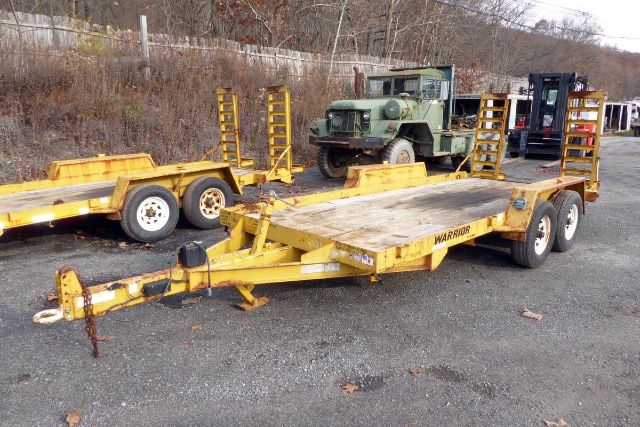
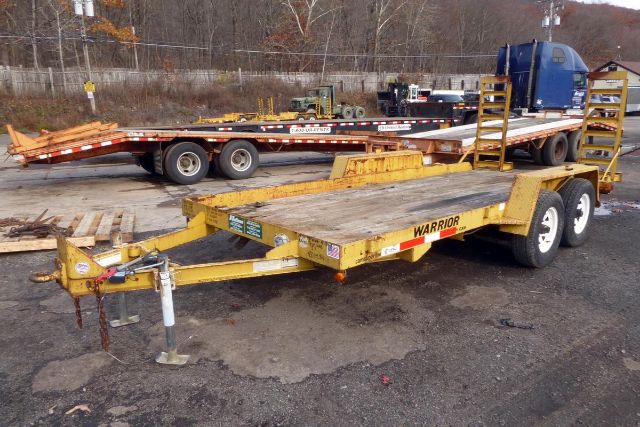
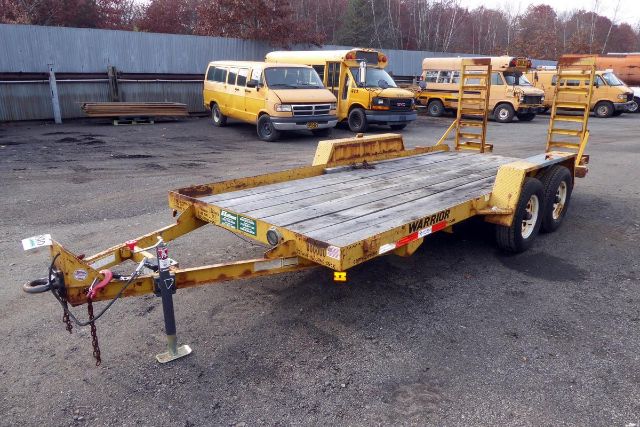
Have used 2011 cam trailer to sell? List it here to reach thousands of buyers.
Used 2011 Cam Trailers
A typical 2011 Cam tag trailer in this class may carry a GVWR around 7,000 to 10,000 pounds, with empty weights that leave workable payload for 3-ton-class jobs. Common dimensions include an 8-foot overall width, deck heights around 19 inches, and deck lengths near 16 feet, often paired with fold-up rear ramps. That setup is well suited for loading wheeled and tracked equipment without stepping up to a heavier deckover. Tire and wheel packages in this range often use 225/75R15 tires on 6-lug rims, which are easy to source, but condition matters more than size on a used trailer. Check tire date codes, tread wear patterns, spring hangers, equalizers, and axle alignment before making a decision.
Brake condition is one of the biggest decision points on a used 2011 Cam trailer. Electric brakes can be inexpensive to repair compared with major frame work, but neglected wiring, weak magnets, corroded backing plates, and non-functioning breakaway systems can quickly turn a low-cost trailer into a project. Wood deck condition also deserves a close look. Soft spots, board separation, loose fasteners, and rot around mounting points usually tell you more about storage and maintenance history than paint ever will. On steel-frame Cam trailers, surface rust is common and not always a problem, but scaling, cracks at stress points, or patchwork repairs around the tongue and suspension mounts should be taken seriously.
Cam trailers from this period appeal to buyers who want a basic, repairable trailer with common running gear and no specialized parts requirements. Also known simply as equipment trailers or bumper-pull tag trailers, they are a strong fit for landscape crews, property maintenance, rental fleets, and small construction operations. The right used 2011 Cam trailer is the one with the best combination of legal capacity, working brakes, sound ramps, and a straight frame. A clean spec sheet matters, but on a trailer in this category, real value comes from structural condition, remaining service life, and how closely the deck, axle rating, and ramp setup match the equipment you plan to move.
Frequently Asked Questions about Used 2011 Cam Trailers
What should I inspect first on a used 2011 Cam trailer?
Start with the frame, axles, brakes, coupler, and deck. Structural condition is the main value driver on an older equipment trailer. Look for bent crossmembers, cracked welds, excessive rust scaling, worn spring components, non-working lights, and brake issues. Then inspect the wood floor, ramps, tire age, and wiring. A trailer with cosmetic wear but solid structure is usually a better buy than one with fresh paint covering repairs.
What are common specs on a 2011 Cam tag trailer?
Many 2011 Cam tag trailers were built with tandem axles, leaf spring suspension, steel frames, wood decks, electric brakes, and fold-up rear ramps. GVWR commonly falls in the 7,000 to 10,000 pound range, with deck lengths around 16 feet and overall widths near 8 feet. Tire sizes such as 225/75R15 on 6-lug wheels are also common in this class. Exact specs vary by model and configuration, so buyers should confirm axle ratings and VIN-tag information.
Are electric brakes a problem area on older Cam trailers?
They can be. On a used 2011 trailer, electric brake issues are common enough that they should be assumed until tested. Problems often include corroded wiring, worn magnets, weak brake response, inoperative breakaway batteries, or brakes that have been disconnected. The good news is that these systems are generally straightforward to diagnose and repair, but buyers should factor the cost of brake work into the overall value of the trailer.
Is a 7,000 to 10,000 pound GVWR Cam trailer enough for compact equipment?
For many compact machines, yes, but payload depends on the trailer's empty weight and the actual operating weight of the equipment, attachments, fuel, and tiedowns. A 9,996-pound GVWR trailer may handle many skid steers, mini excavators, or compact tractors, while a 7,998-pound GVWR unit may be better suited to lighter machines and utility loads. Buyers should calculate real payload, not just rated capacity, and confirm that axle ratings, tires, and brakes match the intended use.
Why do deck height and ramp design matter on a used equipment trailer?
Deck height affects loading angle, equipment clearance, and day-to-day usability. A lower deck, such as one around 19 inches, usually gives a friendlier ramp angle for small wheeled equipment, scissor lifts, and low-clearance machines. Ramp width, length, hinge condition, and latch security also matter because they directly affect loading safety. A trailer can have the right weight rating on paper and still be a poor fit if the ramp setup does not match the machines being hauled.