
Used Cam Trailers For Sale
Shop used Cam trailers, including tag and utility-style models, with specs on GVWR, deck size, ramps, brakes, suspension, and condition.
Selling a used cam trailer? List your used cam trailer for sale and reach thousands of commercial buyers.
Used Cam Trailers
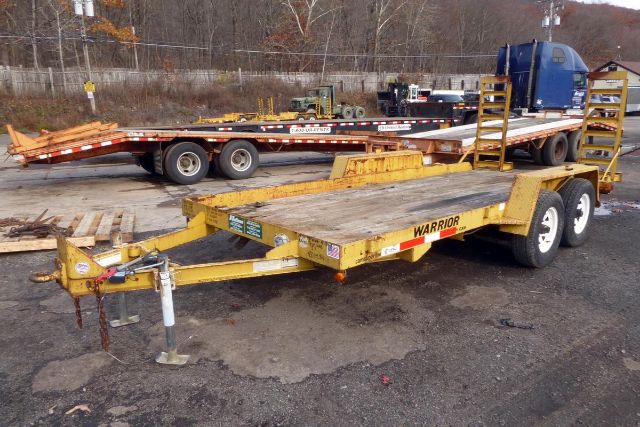
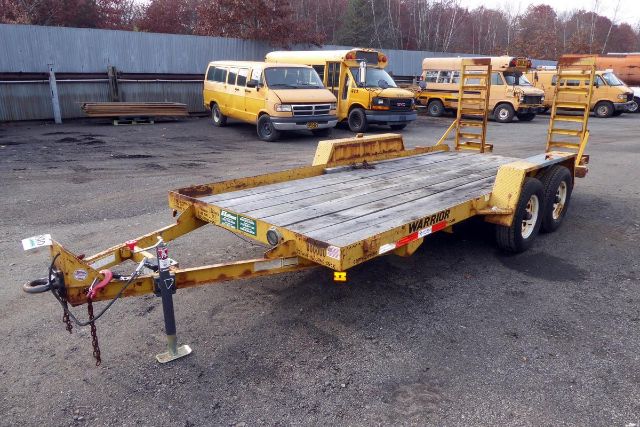
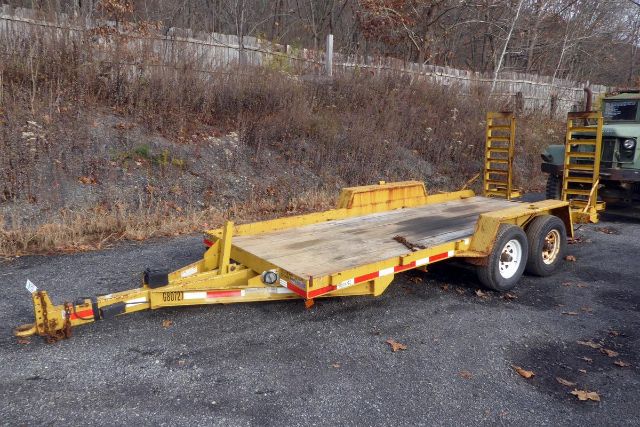
The used market for Cam trailers is largely about condition and actual usable capacity. A trailer with a 7,998 or 9,996 GVWR does not tell the full story until you subtract empty weight. Buyers should compare dry weight, axle rating, brake function, and deck dimensions before assuming a machine will fit and haul correctly. On many used Cam tag trailers, deck space may be around 16 feet long and roughly 6 feet 5 inches wide between or across the main loading area, with overall trailer length in the low-20-foot range. Tandem spring suspension, electric brakes, 15-inch tires, and fixed axles are common specs. Those are proven, economical components, but they also make inspection more important because wear items are inexpensive individually and costly when several need attention at once.
For a used Cam trailer, pay close attention to brake performance, ramp integrity, tire age, spring hangers, equalizers, coupler wear, and frame condition around high-stress points. Electric brakes that are listed as weak or not working should be treated as a repair item, not a minor detail. Check the wood floor for soft spots, fastener pull-through, and crossmember corrosion underneath. On steel-deck or steel-frame units, look for rust scale, previous weld repairs, and any sign of frame twist from overloading. If the trailer will carry equipment with concentrated axle weight, verify that the deck height, ramp length, and dovetail or ramp angle match the machine you intend to load. A low-profile trailer can be an advantage, but only if ground clearance and attachment clearance still work for your fleet.
Cam trailers appeal to buyers who want a basic, repairable trailer without complex systems. Parts support for standard running gear such as hubs, brakes, springs, couplers, and trailer tires is usually much easier to manage than proprietary components. That makes used Cam trailers a sensible choice for owner-operators, farms, small contractors, and municipal departments that need a dependable utility or equipment-hauling trailer at a manageable operating cost. The best buy is usually the trailer with the cleanest frame, strongest brake system, and the most honest match between deck size, payload, and the equipment it will carry every day.
Frequently Asked Questions about Used Cam Trailers
What should I inspect first on a used Cam trailer?
Start with the frame, axles, brakes, and deck. On a used Cam trailer, electric brake condition is a major factor because non-functioning or weak brakes directly affect safety and repair cost. Inspect spring hangers, equalizers, coupler latch wear, tire date codes, wheel bearings, ramp hinges, and the wood floor structure. Rust around crossmembers, cracked welds, and uneven tire wear can point to overloading or alignment issues.
What kind of equipment can a used Cam tag trailer typically haul?
Many used Cam tag trailers in this size range are suited for compact equipment such as small skid steers, mini excavators, compact tractors, mowers, side-by-sides, and light construction attachments. The limiting factor is not just GVWR but net payload after subtracting trailer empty weight. Buyers should confirm machine operating weight, attachment weight, deck width, and axle placement to make sure the load will fit and balance correctly.
Are tandem spring-ride Cam trailers a good choice for commercial use?
Yes, tandem spring-ride Cam trailers are a practical commercial choice when the application fits the trailer's rating. Spring suspension is common because it is durable, relatively simple to repair, and widely supported with replacement parts. It may not ride as smoothly as higher-end suspension designs, but for many contractors, landscapers, and farm operators, the lower maintenance complexity is a real advantage.
How important is deck size on a used Cam equipment trailer?
Deck size is one of the most important buying decisions because it affects both fit and weight distribution. A trailer may have enough rated capacity but still be a poor match if the equipment is too wide, too long, or loads with too much tongue weight or rear bias. Measure the actual usable deck area, ramp width, and any fender or rail restrictions before buying. That matters just as much as GVWR on compact equipment trailers.
Is a used Cam trailer with brake issues still worth considering?
It can be, but only if the price reflects the repair and the rest of the trailer is structurally sound. Electric brake problems may involve magnets, wiring, drums, hubs, breakaway components, or the controller setup on the tow vehicle. If the frame, axles, coupler, and deck are in good condition, brake repairs can be manageable. If brake issues are combined with rust, worn suspension parts, and old tires, the total reconditioning cost can climb quickly.