
Cam Trailers For Sale
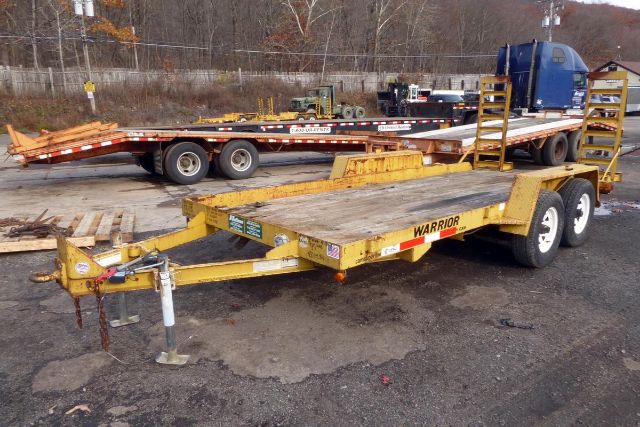
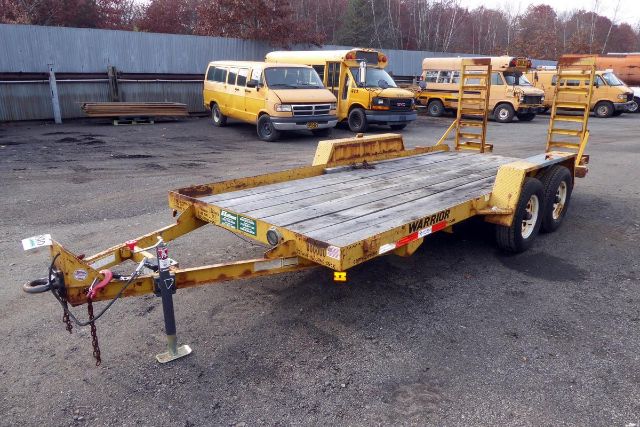
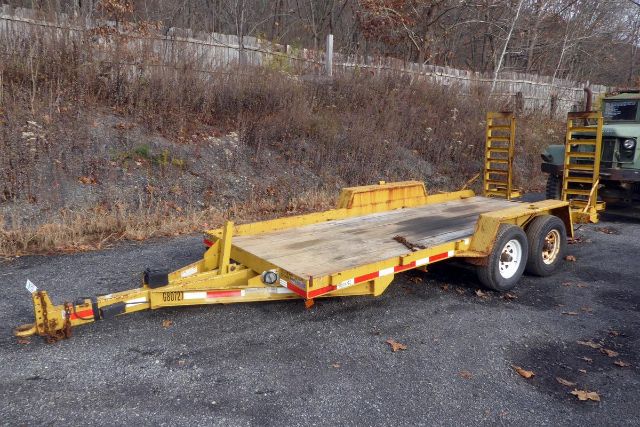
Browse Cam trailers for sale, including tag and equipment trailers with tandem axles, steel frames, wood decks, ramps, and electric brakes.
Selling a cam trailer? List your cam trailer for sale and reach thousands of commercial buyers.
Cam Trailers
The first buying decision is usually capacity versus empty weight. A Cam trailer with a 7,998 or 9,996 pound GVWR may look similar from the outside, but payload changes quickly once trailer weight, attachments, fuel, and tiedown gear are factored in. Tandem spring axles are simple and economical to maintain, but buyers should still check axle tags, brake wiring, equalizers, shackle wear, tire date codes, and wheel condition. On older tag trailers, electric brakes deserve special attention because brake performance and wiring condition often determine how much reconditioning is needed before the trailer is ready for regular road use.
Deck layout matters as much as the rating. Many Cam equipment trailers use a wood floor over a steel frame, which is a durable and repairable setup for mixed-duty hauling. A deck height around 19 inches helps loading angles stay manageable, especially when using short fold-up ramps. Buyers hauling low-clearance machines should look closely at ramp length, dovetail angle if equipped, and the usable deck width between fenders or rails. Tie-down points, rub rail condition, stake pockets, coupler wear, jack function, and frame straightness are also worth inspecting because those details affect day-to-day usability more than paint or cosmetics.
Cam trailers appeal to buyers who want a straightforward, work-oriented trailer without unnecessary complexity. They are often a good fit for local and regional service where easy loading, common tire sizes, and simple mechanical components matter more than premium suspension systems. For a used Cam trailer, condition is everything. Look for consistent tire wear, solid crossmembers, intact lighting and harnesses, sound ramp hinges, and no signs of overloading around the spring hangers or tongue. A well-kept Cam tag trailer can be a dependable choice for equipment hauling, property maintenance, and contractor use when the trailer's actual payload, deck dimensions, and brake condition match the job.
Frequently Asked Questions about Cam Trailers
What are Cam trailers commonly used for?
Cam trailers are commonly used as tag trailers or equipment trailers for hauling compact construction and landscape equipment. Typical loads include skid steers, mini excavators, small tractors, trenchers, scissor lifts, mowers, and attachments. Their tandem axle design, steel construction, and ramp loading setup make them a practical fit for contractors and fleet users who need a simple trailer for short- to medium-distance equipment moves.
What GVWR range is typical for a Cam tag trailer?
Many Cam tag trailers in this class fall around 7,000 to 10,000 pounds GVWR, with common ratings such as 7,998 pounds or 9,996 pounds. The right rating depends on the actual operating weight of the machine, any bucket or implement attached, fuel, chains, binders, and the trailer's empty weight. Buyers should calculate payload carefully instead of relying on advertised machine class alone.
What should I inspect first on a used Cam trailer?
Start with the brakes, axles, tires, frame, and deck. Electric brake function is especially important on older equipment trailers because wiring, magnets, and breakaway components can deteriorate over time. After that, inspect spring hangers, equalizers, coupler wear, jack operation, ramp hinges, floor condition, and any bends or cracks in the tongue or main frame rails. These items usually tell you more about the trailer's true condition than appearance alone.
Are wood-deck Cam trailers a good choice for equipment hauling?
A wood deck over a steel frame is a common and effective setup for equipment hauling. Wood provides traction, is relatively easy to replace in sections, and handles mixed-use loading well. The buyer should still check for rot, soft spots, loose fasteners, and damaged crossmembers underneath the floor. For many contractors, a steel-frame wood-deck trailer is easier to maintain than a full steel deck that can become slick or heavily corroded.
Why does deck height and ramp length matter on a Cam equipment trailer?
Deck height and ramp length directly affect loading angle. A lower deck height, often around 19 inches on trailers in this class, helps reduce the breakover risk when loading machines with low ground clearance. Short fold-up ramps are convenient, but they can create a steeper angle for some equipment. Buyers should match the trailer's ramp setup to the machines they actually haul, especially if those machines have small tires, long wheelbases, or low attachments.