
Cam Trailers For Sale in New York
Browse Cam trailers for sale, including tag and equipment trailers with tandem axles, steel decks, ramps, and practical GVWR options.
Selling a cam trailer? List your cam trailer for sale and reach thousands of commercial buyers.
Cam Trailers in New York
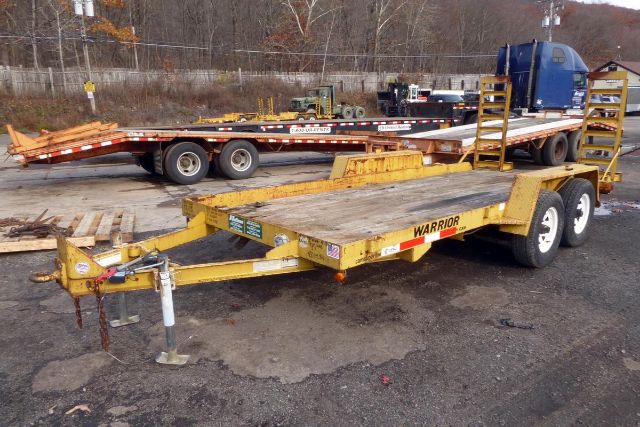
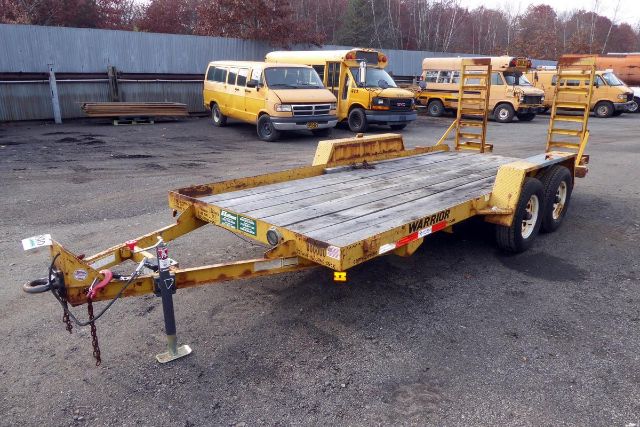
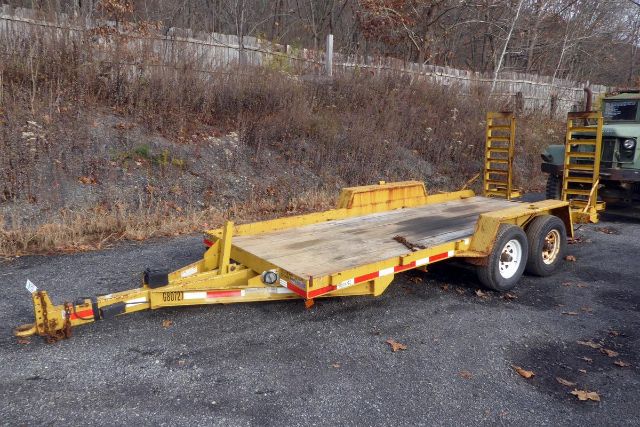
A typical Cam tag trailer in this class is a tandem-axle unit with spring suspension, electric brakes, steel frame construction, and a wood deck. Common GVWR ratings in the sample range run around 7,996 to 9,996 pounds, which puts these trailers in a practical working zone for 3-ton class hauling depending on cargo, attachment weight, and truck capacity. Deck dimensions often center around a 16-foot deck with fold-up ramps, while overall trailer length can stretch into the low-20-foot range once tongue and rear structure are included. Buyers comparing listings should look past overall length and focus on usable deck length, deck width between fenders if applicable, ramp angle, and loaded deck height.
Condition is a major factor on used Cam trailers because these units often spend their lives in landscaping, construction, rental, and municipal duty. Brake performance, spring and equalizer wear, wood floor condition, tire age, wheel lug pattern, lighting, and ramp hinge integrity deserve a close inspection. On older steel trailers, corrosion on the frame, crossmembers, and wiring supports is especially important in New York, where road salt can accelerate deterioration. A trailer with a solid frame, straight ramps, healthy coupler area, and properly functioning electric brakes is usually a better buy than one that only looks clean from a distance.
Cam trailers appeal to buyers who want a no-nonsense equipment trailer that is easy to match with a pickup or chassis-cab tow vehicle. When reviewing listings, confirm GVWR against empty weight so you understand real payload, and verify the axle rating, tire size, brake setup, and registration requirements in your operating area. If the trailer will regularly haul tracked machines or dense material, a heavier-duty configuration and a well-supported wood floor can make a real difference in long-term durability. For mixed fleet use, the best Cam trailer is usually the one with the right payload margin, stable ramp loading, and the least deferred maintenance.
Frequently Asked Questions about Cam Trailers in New York
What are Cam trailers typically used for?
Cam trailers in the tag and equipment-hauling category are typically used for transporting skid steers, compact tractors, mini excavators, scissor lifts, mowers, and other jobsite equipment. Many are built with steel frames, wood decks, tandem axles, and rear loading ramps, which makes them practical for contractors, landscapers, rental fleets, and property maintenance operations.
What should I check first on a used Cam tag trailer?
Start with the brakes, frame, ramps, floor, and running gear. Electric brakes should engage properly and evenly, the frame should be free of major rust-through or repairs, and the wood deck should not have soft spots or broken boards. It is also important to inspect tire age, spring suspension components, lights, coupler wear, and any signs of axle misalignment or uneven tire wear.
How much can a Cam equipment trailer usually carry?
Payload depends on the trailer's GVWR minus its empty weight. In the sample units, GVWR is around 7,996 to 9,996 pounds, with empty weights roughly in the 2,300 to 3,200 pound range. That leaves a practical payload that may fit smaller equipment, but buyers should always calculate actual loaded weight, including buckets, attachments, fuel, and chains, rather than relying on a general ton-class description alone.
Are tandem-axle Cam trailers better than single-axle models for equipment hauling?
For most equipment-hauling applications, tandem axles are the preferred setup because they provide better load distribution, improved stability, and a higher weight rating. They also tend to track better behind the tow vehicle when carrying compact machines. The tradeoff is more maintenance, since there are additional tires, brakes, springs, and hubs to service over time.
Why does deck height matter on a Cam trailer?
Deck height affects loading angle, center of gravity, and ease of use with low-clearance equipment. A lower deck generally improves stability and reduces the ramp angle, which helps when loading machines with small tires, low attachments, or limited ground clearance. Buyers should compare deck height with ramp length to make sure the trailer suits the specific equipment they plan to haul.