
Used 2006 Trailers For Sale
Shop used 2006 trailers including dry vans, reefers, and specialty models. Compare lengths, axle setups, suspension, floors, and door types.
Learn more
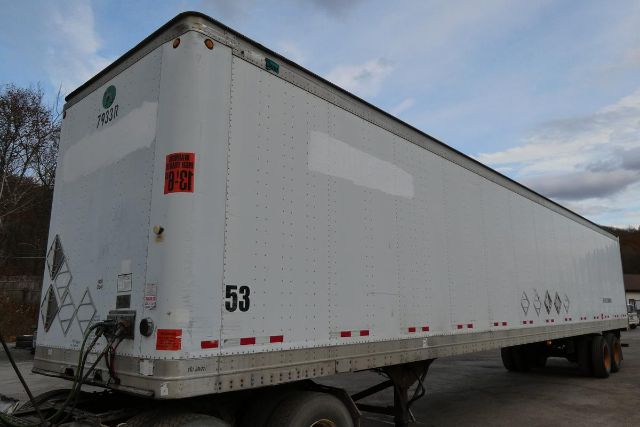
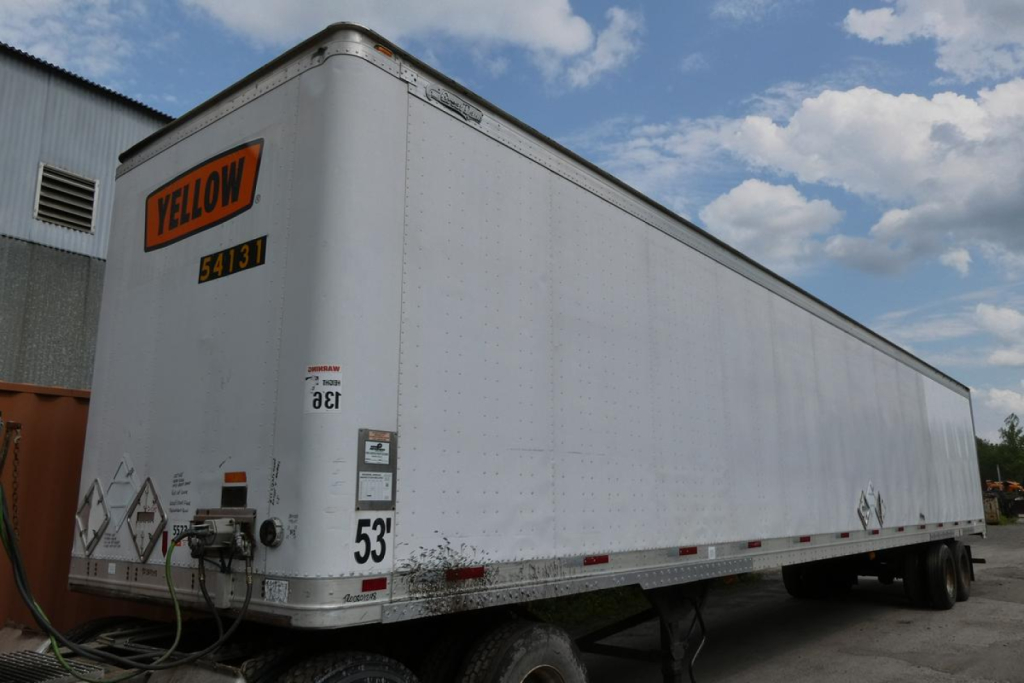
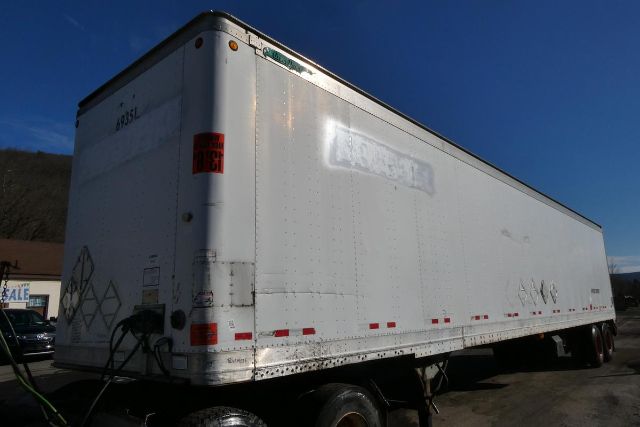
Showing 25 to 36 of 44 results
Have used 2006 trailer to sell? List it here to reach thousands of buyers.
About Used 2006 Trailers
For van and reefer buyers, common checkpoints include overall length, inside height, rear door opening, scuff liners, threshold plates, logistics posts, and floor composition. Many trailers from this era were built in 28-foot pup, 45-foot, 48-foot, and 53-foot configurations, with 102-inch width being standard in most over-the-road applications. Suspension may be spring ride or air ride, and tandem sliders remain important for bridge law compliance and dock positioning. Reefer buyers should pay close attention to unit hours, evaporator condition, insulation performance, duct floor condition, door seals, and corrosion around the rear frame and front wall.
For open-deck and vocational trailer categories, the priorities shift toward deck condition, concentrated load rating, axle spread, brake type, suspension wear, and signs of frame twist or weld repairs. A 2006 flatbed or drop deck may still be a good earner if the deck has been maintained and the trailer tracks straight under load. Dump and tank trailer buyers should inspect liners, barrel condition, suspension hangers, landing gear, and any evidence of stress cracking around high-load points. Tire inflation systems, aluminum wheels, disc brakes, and other premium specs may appear on some used trailers from this period, but the core value is still in structural soundness and legal compliance.
A used 2006 trailer often appeals to buyers looking for lower acquisition cost, dedicated-lane equipment, seasonal capacity, or a yard trailer with better road potential than older retired units. Before purchase, confirm VIN and title status, GVWR, axle ratings, kingpin setting, brake condition, tire date codes, lighting compliance, and any ABS or reefer system faults. On any 2006 trailer, the best buy is usually the one with the clearest service record, the least structural corrosion, and a spec that fits the freight without forcing avoidable compromises in payload, cube, or maintenance cost.
Frequently Asked Questions
What should I inspect first on a used 2006 trailer?
Start with the structure. Check the frame rails, crossmembers, suspension mounts, landing gear supports, kingpin area, roof bows, and rear frame for cracks, corrosion, or poor prior repairs. After that, inspect brakes, tires, wheel ends, lights, ABS function, and floor condition. On an older trailer, structural condition usually matters more than cosmetic appearance.
Are 2006 trailers still suitable for over-the-road use?
Yes, many are, provided they have been maintained properly and meet current safety and operational requirements. A 2006 trailer can still perform well in regional haul, dedicated freight, seasonal surge work, or even full over-the-road service if the brakes, suspension, tires, floor, and frame are in solid condition. Buyers should verify that the trailer’s age will not conflict with shipper, port, or fleet replacement policies.
What specs matter most when comparing used 2006 dry vans and reefers?
Length, width, inside height, axle setup, suspension type, floor type, and door style are the main comparison points. For dry vans, buyers often look at logistics posts, scuff liners, roll-up versus swing doors, and slider tandems. For reefers, the refrigeration unit brand, hours, service history, duct floor condition, door seals, and insulation performance are critical because those items directly affect operating cost and load protection.
Is a spring ride or air ride trailer better on a 2006 model?
It depends on the freight and operating environment. Air ride generally offers better cargo protection and is common in van and reefer applications where ride quality matters. Spring ride is simpler and can be attractive for certain short-haul or vocational uses because of lower complexity. On a 2006 trailer, actual suspension condition is often more important than the design itself, since worn bushings, hangers, airbags, or equalizers can all create costly problems.
How do I know if a used 2006 trailer is priced fairly?
Fair value comes from condition, specification, trailer type, and remaining service life. A well-maintained 2006 trailer with sound structure, good tires, strong brakes, and desirable specs like air ride, sliding tandems, or aluminum components will typically justify a higher price than a similar trailer needing floor work, wheel-end service, or structural repair. Compare repair exposure, not just purchase price, because an older low-cost trailer can become expensive quickly if major reconditioning is needed.