
Used 2006 Utility Trailers For Sale
Browse used 2006 Utility trailers for sale, including common dry van and reefer specs, dimensions, suspension, doors, floors, and buyer tips.
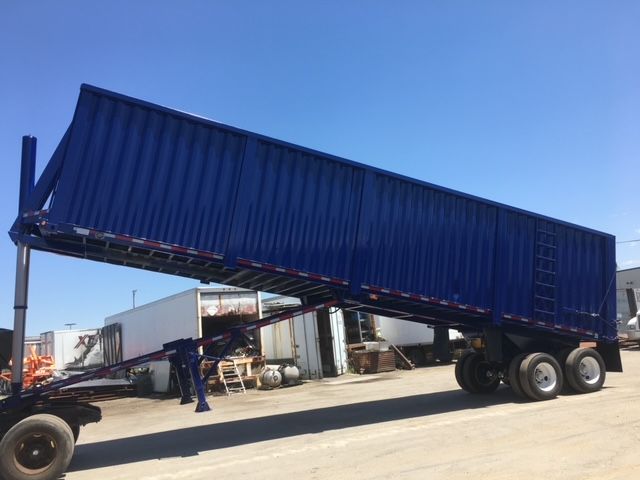
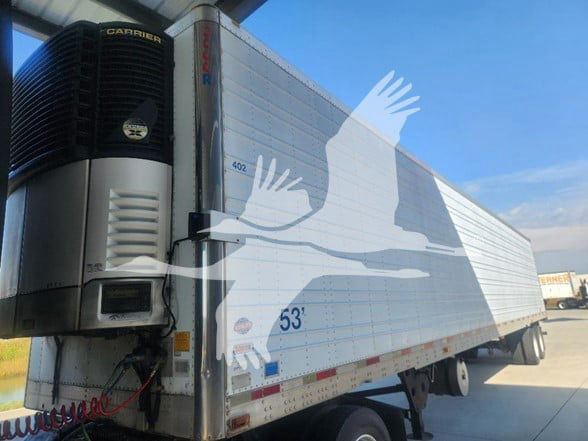

Selling a used 2006 utility trailer? List your used 2006 utility trailer for sale and reach thousands of commercial buyers.
Used 2006 Utility Trailers
The biggest decision is usually dry van versus reefer. A 2006 Utility dry van fits general freight, palletized consumer goods, and dedicated contract lanes where cargo protection matters more than open-deck flexibility. A 2006 Utility reefer, often from the 3000R family or similar platform, adds insulated construction, duct flooring, and a refrigeration unit for produce, frozen freight, dairy, and other temperature-controlled loads. On an older reefer, the trailer body and the refrigeration unit should be evaluated separately. Buyers should verify unit hours, service history, air chute or cold wall condition, floor wear, door seal integrity, and any signs of past interior moisture damage.
Trailer specification details matter because they affect payload, dock compatibility, maintenance cost, and resale. Sliding tandems help with bridge law compliance and kingpin-to-rear axle settings, especially on regional and multi-state lanes. Air ride suspension is common on Utility vans and reefers because it helps protect freight and reduces trailer shock. Many buyers also check for brake type, wheel material, tire size, crossmember condition, roof bow integrity, rear frame wear, and evidence of sidewall repairs. On older dry vans, floor condition is especially important because forklift traffic can expose weak boards, patched sections, and threshold damage long before exterior panels show serious wear.
A 2006 model year trailer can still be a strong value if it has been maintained on a disciplined PM schedule and matched to the right application. Buyers comparing listings should focus on structural condition first, then door and floor condition, suspension and brake status, and finally weight-saving or convenience features. Utility trailers remain popular because they are widely recognized in the market, generally straightforward to spec and repair, and commonly accepted in van and reefer fleets. For buyers who need dependable freight capacity at a lower acquisition cost, a used 2006 Utility trailer can still make sense on short-haul, regional, storage, and backup fleet duty, provided the inspection is thorough.
Frequently Asked Questions about Used 2006 Utility Trailers
What types of 2006 Utility trailers are most common on the used market?
The most common 2006 Utility trailers are 53-foot dry vans and refrigerated trailers. Dry vans are used for general freight and usually come with swing doors, wood floors, logistics posts, air ride suspension, and sliding tandems. Reefer models add insulated walls, specialized flooring, and a refrigeration unit, making them suitable for temperature-sensitive freight. Availability often depends on what sectors are cycling out older fleet equipment in a given region.
What should I inspect first on a used 2006 Utility dry van?
Start with the structural items that are expensive to repair or that affect safety and loading. Check the floor for rot, soft spots, heavy patching, and forklift damage near the rear. Inspect the rear frame, crossmembers, roof, sidewalls, and door frame for cracks, corrosion, impact repairs, or signs of previous cargo damage. Then review suspension components, brakes, tires, hubs, lights, and slider operation. A straight frame and solid floor usually matter more than cosmetic appearance on a trailer of this age.
Is a 2006 Utility reefer still worth buying?
It can be, but the refrigeration system must be evaluated as carefully as the trailer body. A reefer of this age may still work well for regional temperature-controlled service, storage use, or seasonal backup capacity if the unit has documented maintenance and acceptable operating hours. Buyers should confirm the condition of the insulation, floor, interior liner, chute system, door seals, and refrigeration unit performance under load. Deferred maintenance on an older reefer can erase any purchase-price advantage very quickly.
Why do sliding tandems matter on a used Utility trailer?
Sliding tandems affect axle spacing, bridge compliance, and how the trailer balances weight across the tractor and trailer axles. They also influence maneuverability at docks and in tight yards. On a used trailer, the slider rails, pins, and locking mechanism should be checked for wear, rust, and proper engagement. A tandem that does not slide or lock correctly can create operational delays and potential compliance issues.
Are parts and service support still reasonable for older Utility trailers?
In many cases, yes. Utility is a well-known trailer manufacturer, and many wear items on dry vans and reefers are standard service parts that can be sourced through trailer dealers, aftermarket suppliers, and fleet maintenance channels. Support is usually strongest for common components such as brakes, suspension parts, doors, seals, lighting, floors, and running gear. The main challenge on a 2006 trailer is not usually parts availability, but finding a unit that has not accumulated hidden structural or deferred maintenance issues over time.