
Used 2006 Trailers For Sale in Colorado
Browse used 2006 trailers in Colorado, including van, reefer, flatbed, and dump models with specs that matter for freight, permits, and duty cycle.
Learn more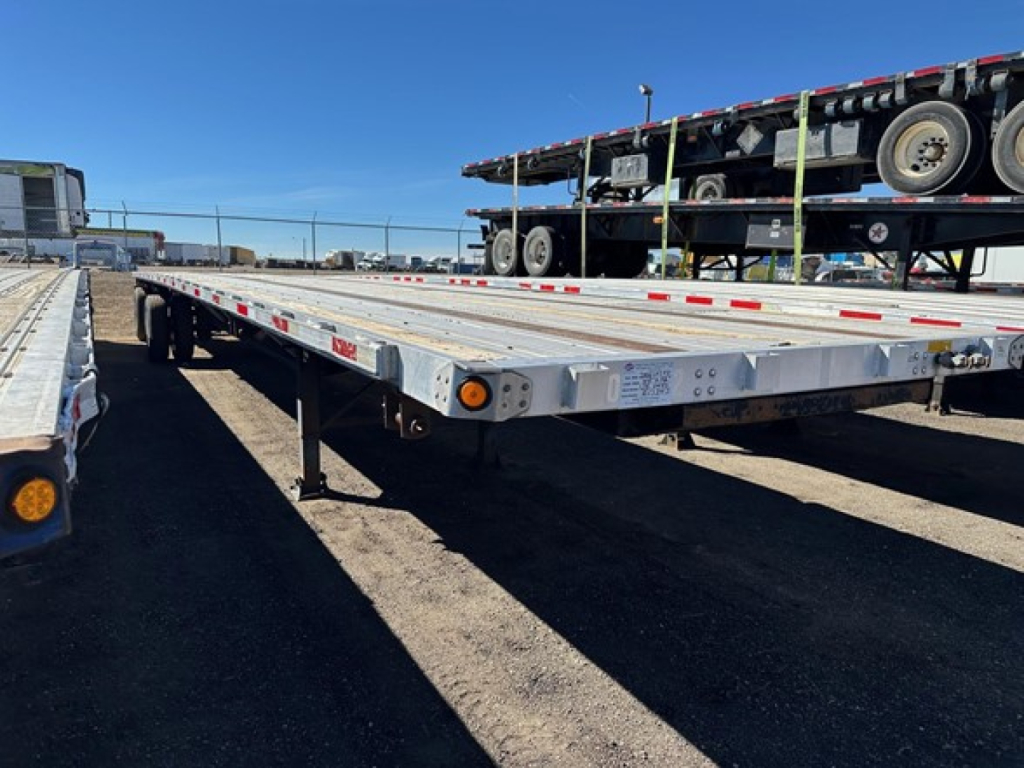
Have used 2006 trailer to sell? List it here to reach thousands of buyers.
About Used 2006 Trailers in Colorado
Frequently Asked Questions
What should I inspect first on a used 2006 trailer?
Start with the structural items because they are the most expensive to correct. Check the main rails, crossmembers, kingpin area, landing gear mounts, suspension hangers, and rear frame for cracks, weld repairs, corrosion, and impact damage. Then inspect the practical wear items such as brakes, drums or rotors, tires, wheel seals, air lines, lights, floor condition, and door hardware. On an older trailer, straight alignment and consistent tire wear often tell you as much as the paint does.
Are 2006 trailers still a good fit for commercial hauling in Colorado?
They can be, provided the trailer has been maintained for the application and meets your operational requirements. Colorado service puts extra demand on brakes, suspension, and tires because of elevation changes, rough seasonal conditions, and frequent loading variation. A 2006 trailer that has good rubber, sound brakes, a healthy air system, and no structural fatigue can still serve well in regional, farm, construction, or secondary fleet use.
What trailer types are common in the used 2006 market?
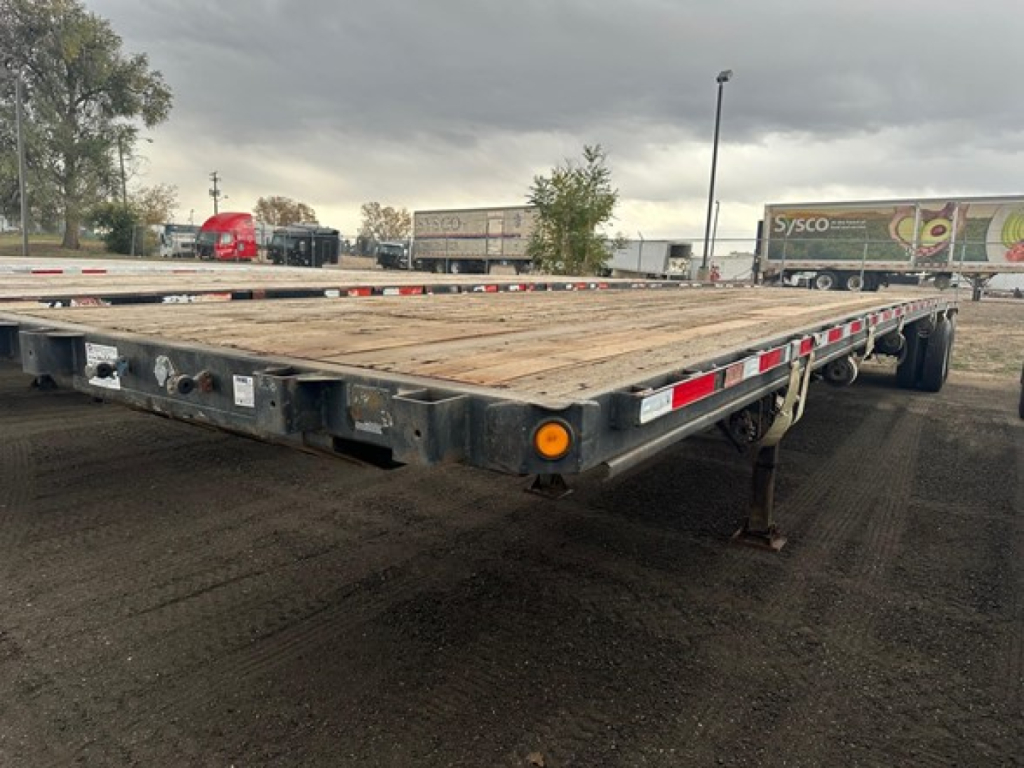
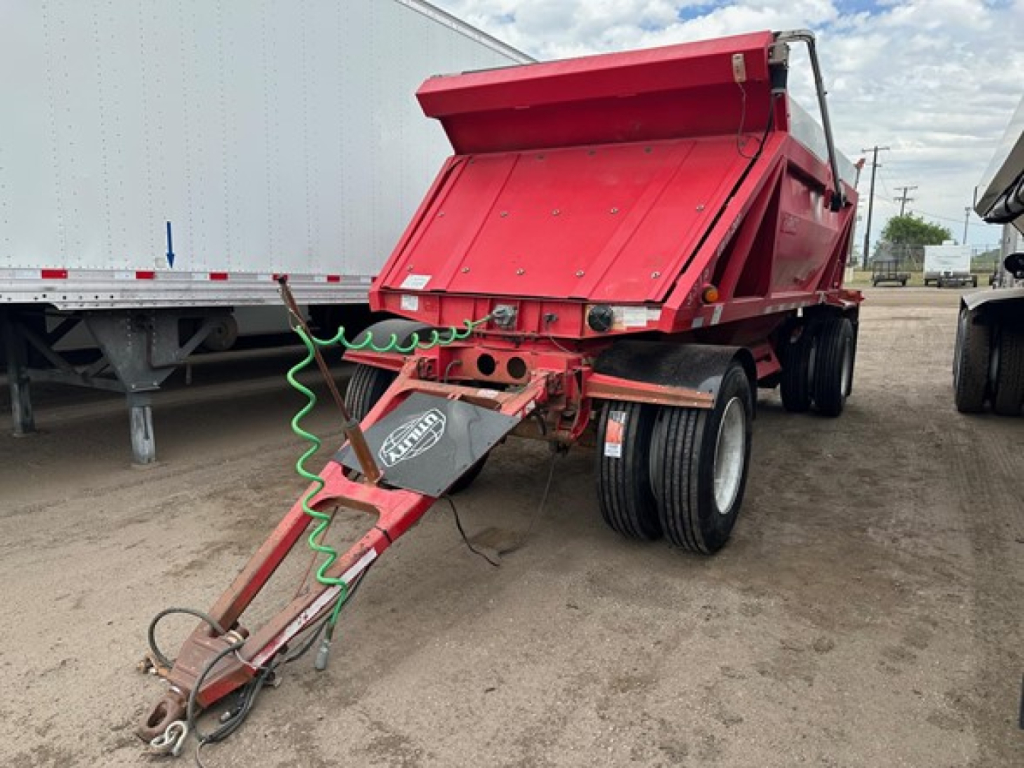
The most common categories are dry vans, refrigerated trailers, flatbeds, and dump trailers, though availability depends on region and prior fleet use. Dry vans are typically evaluated for roof integrity, floor wear, and door seal condition. Reefers require extra attention on the insulation, duct floor, unit hours, and temperature control history. Flatbeds should be checked for deck condition, winch track wear, and frame straightness, while dump trailers need careful inspection of the tub, hoist system, gate, and hinge points.
What specs matter most when comparing used 2006 trailers?
Length, width, inside height, axle configuration, suspension type, brake setup, wheel and tire spec, kingpin setting, and tare weight are the main comparison points. For van and reefer work, buyers also look at floor rating, logistics posts, scuff liners, swing or roll doors, and tire inflation systems. For flatbeds and dumps, deck construction, side rail design, cubic capacity, and liner or tarp equipment often matter just as much as overall condition.