
New 2026 Trailers For Sale in Pennsylvania
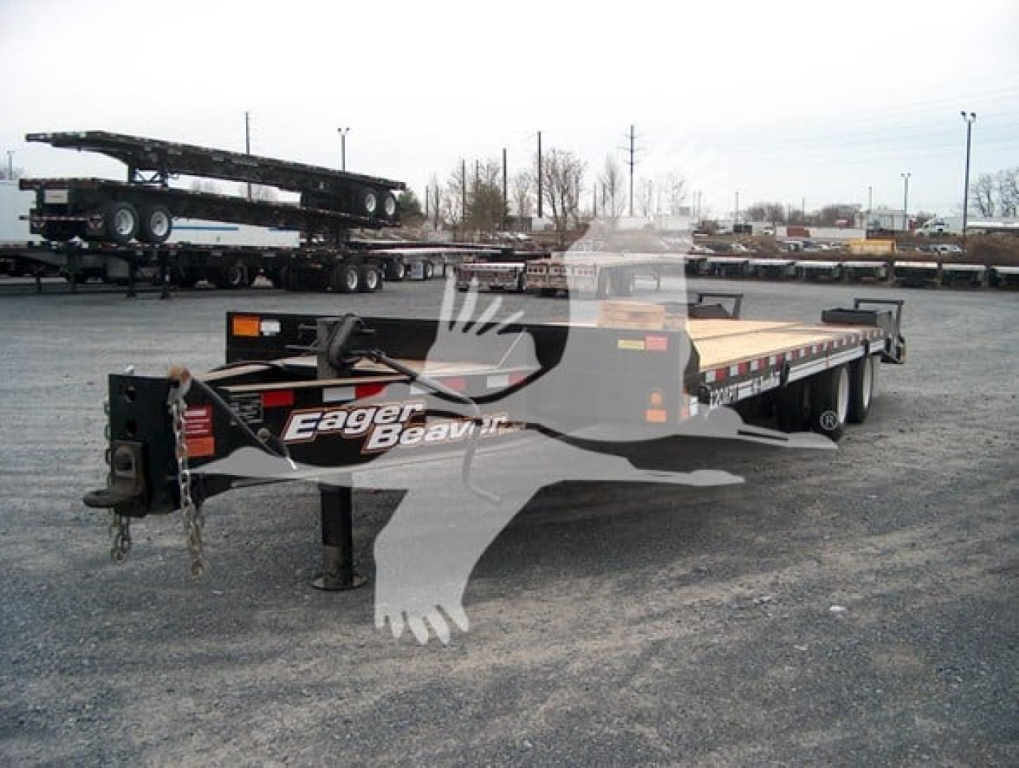
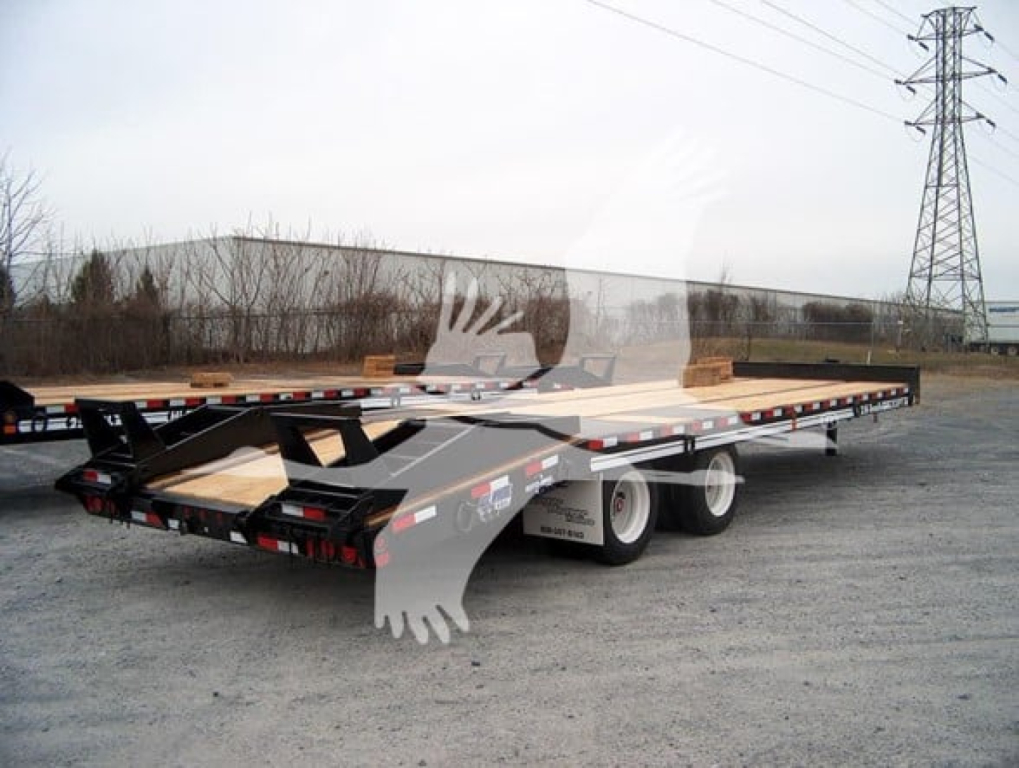
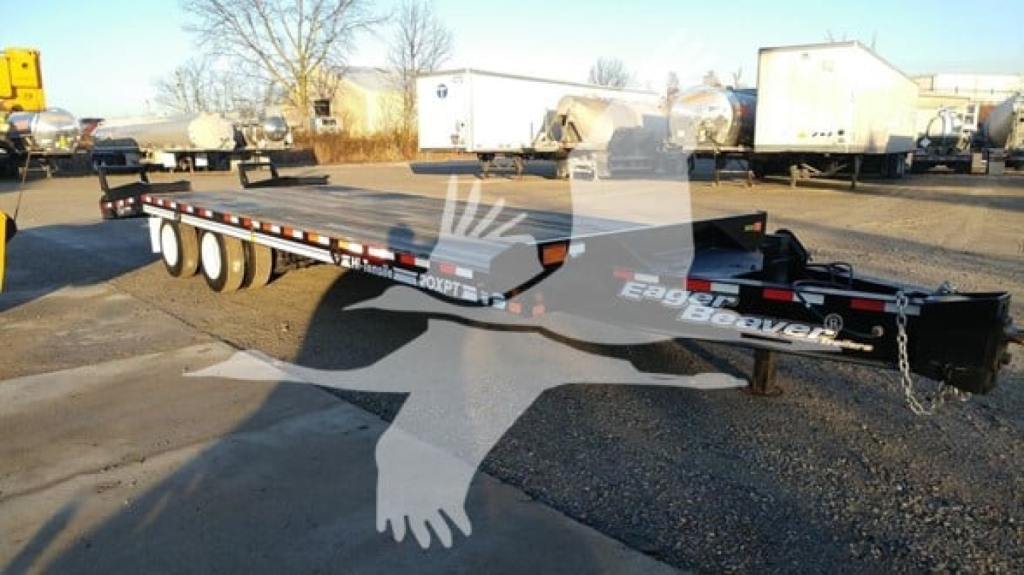
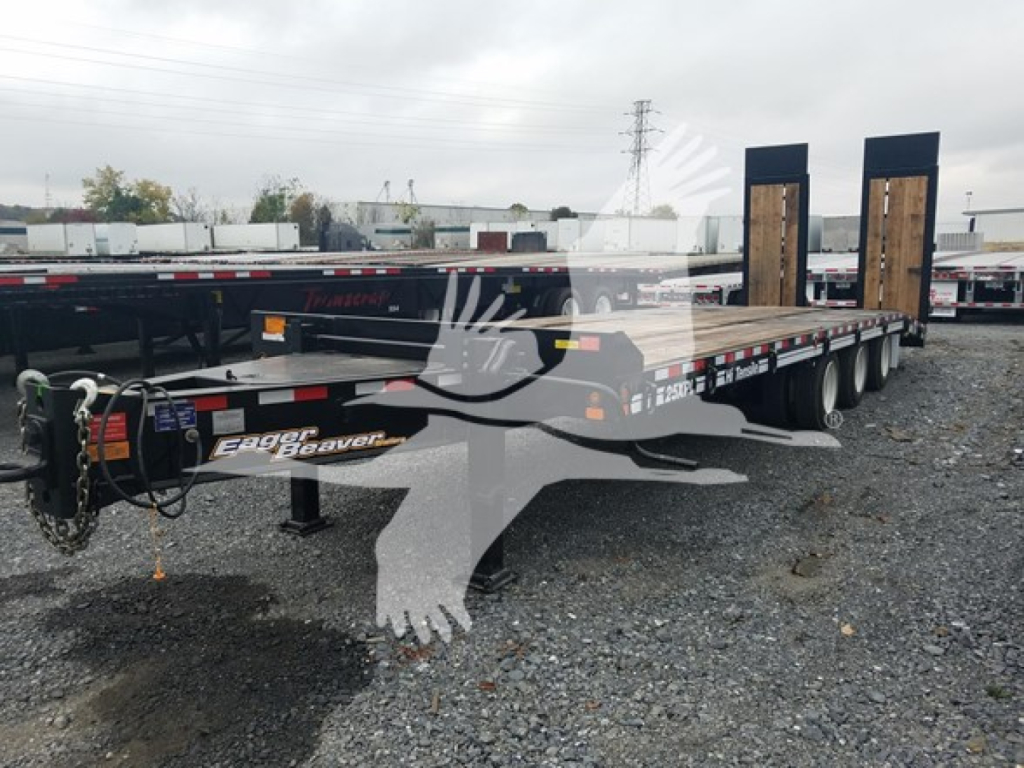
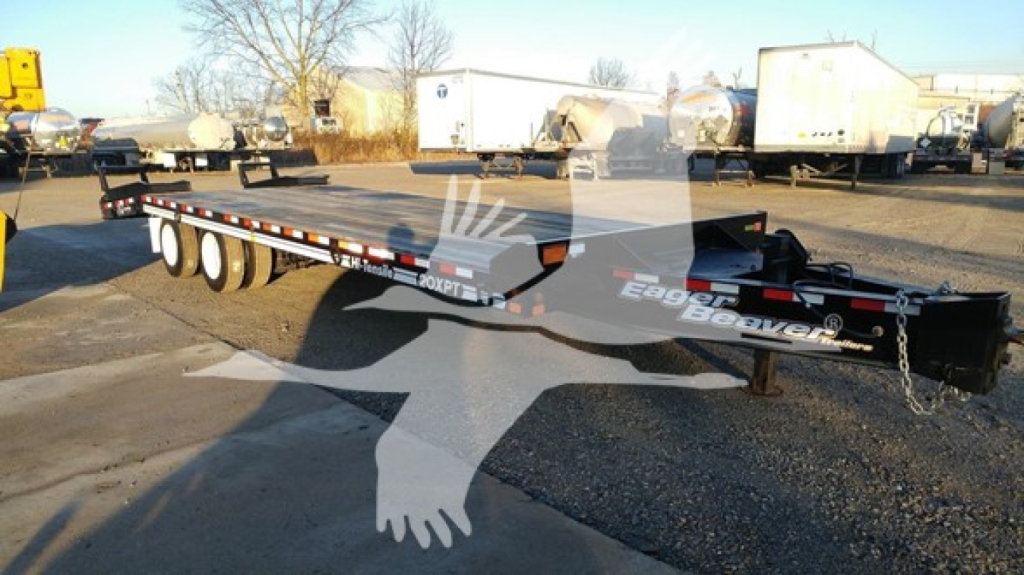
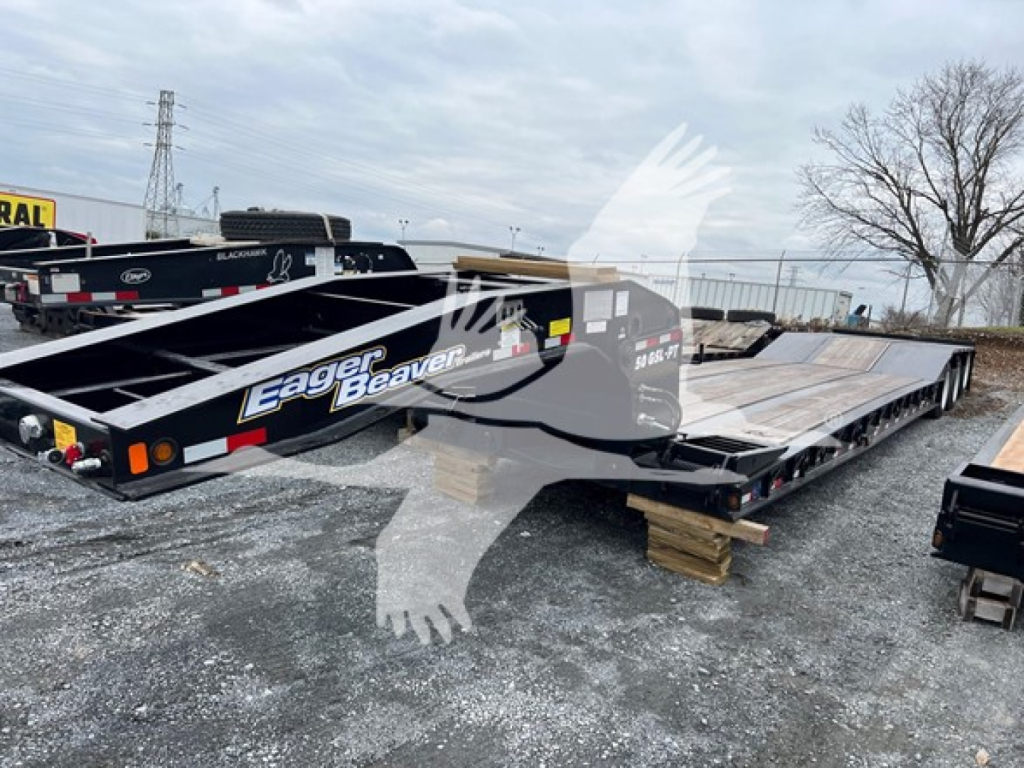
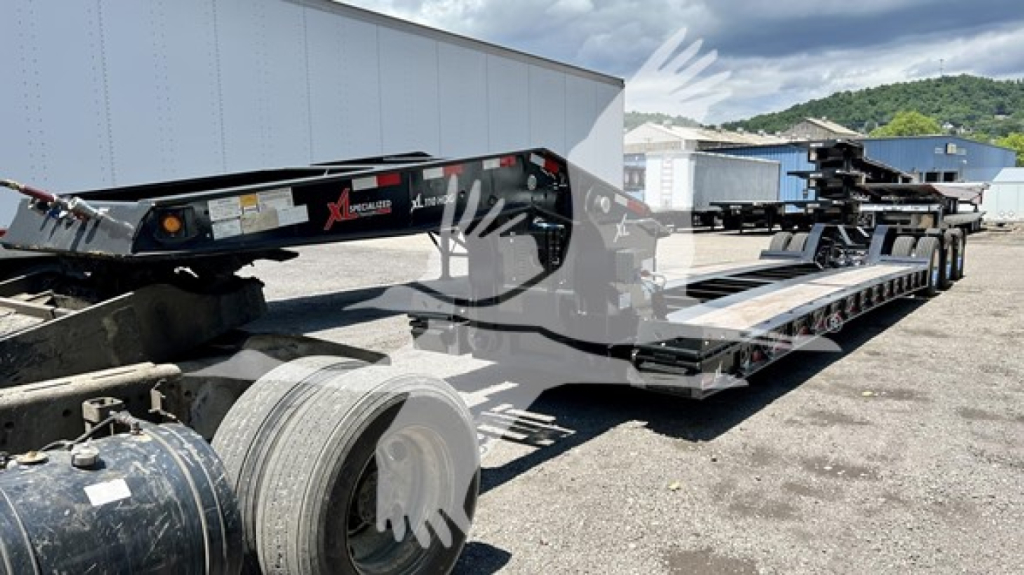
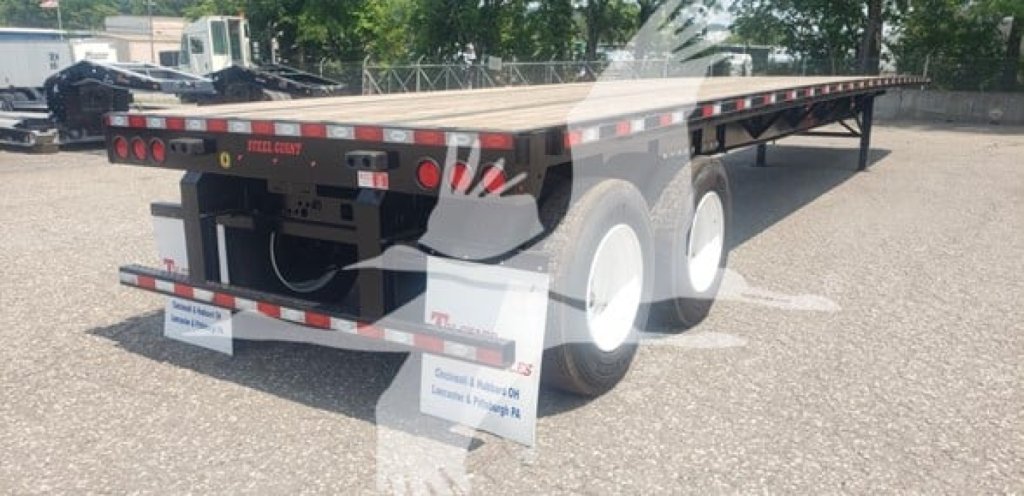
Showing 1 to 24 of 37 results
Have new 2026 trailer to sell? List it here to reach thousands of buyers.
New 2026 Trailers in Pennsylvania
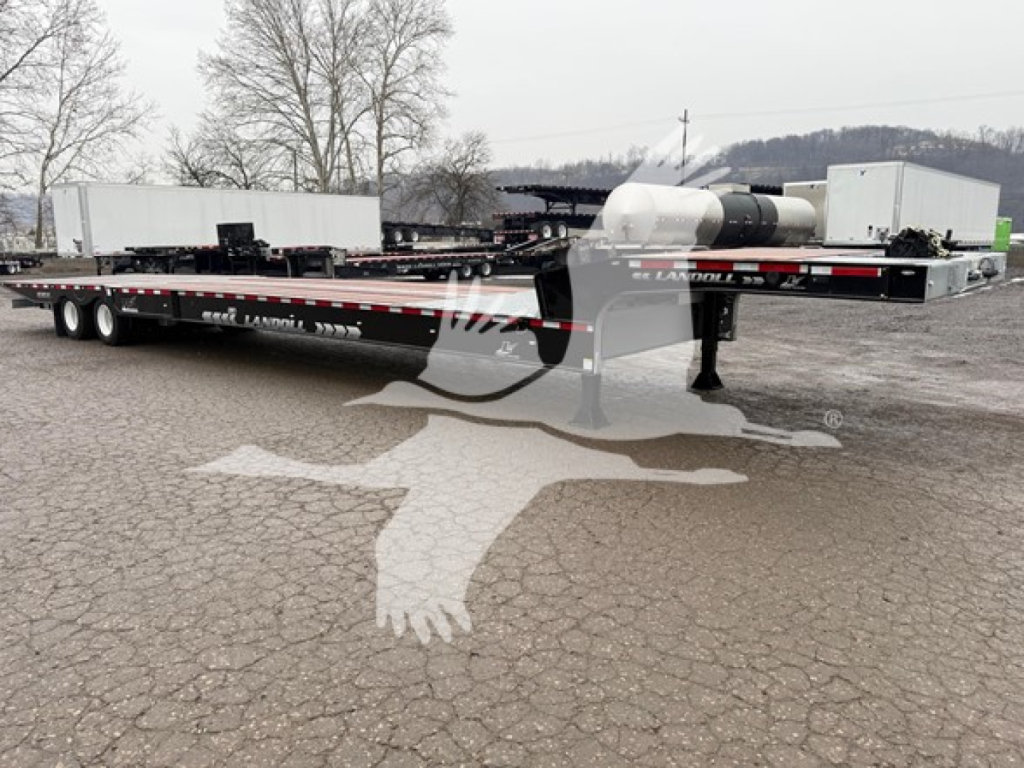
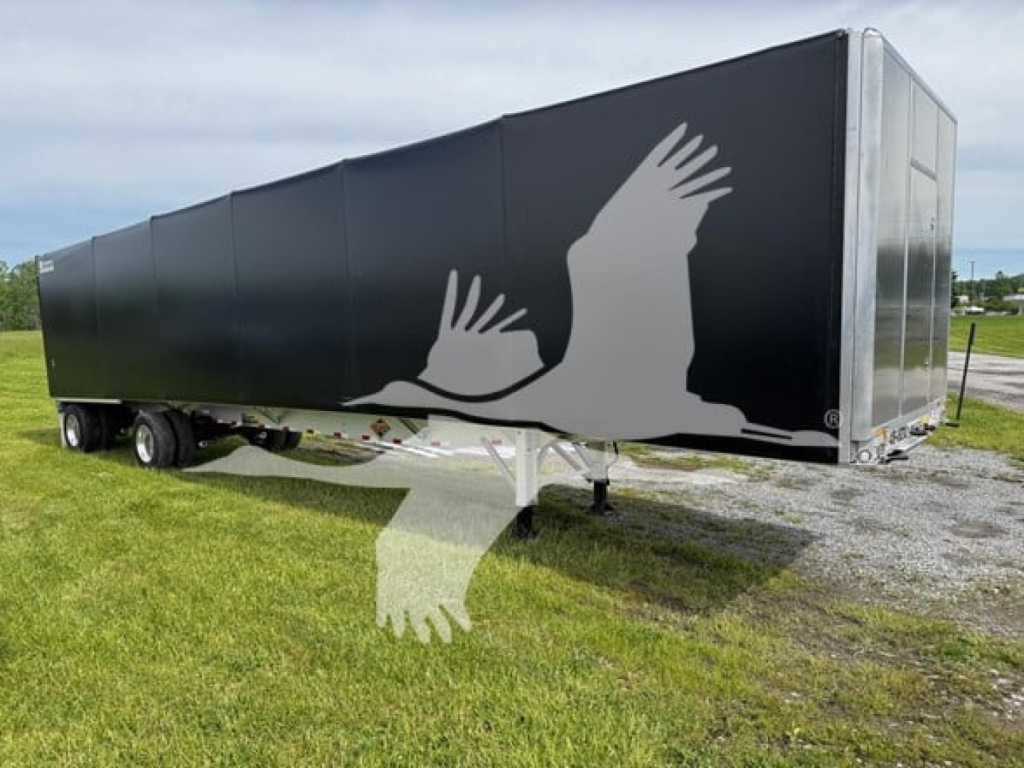
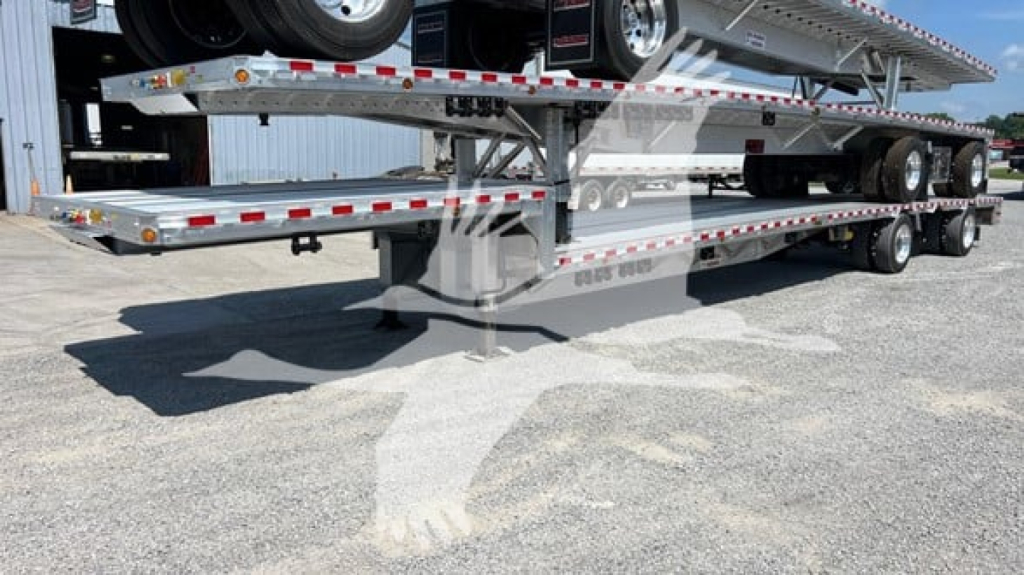
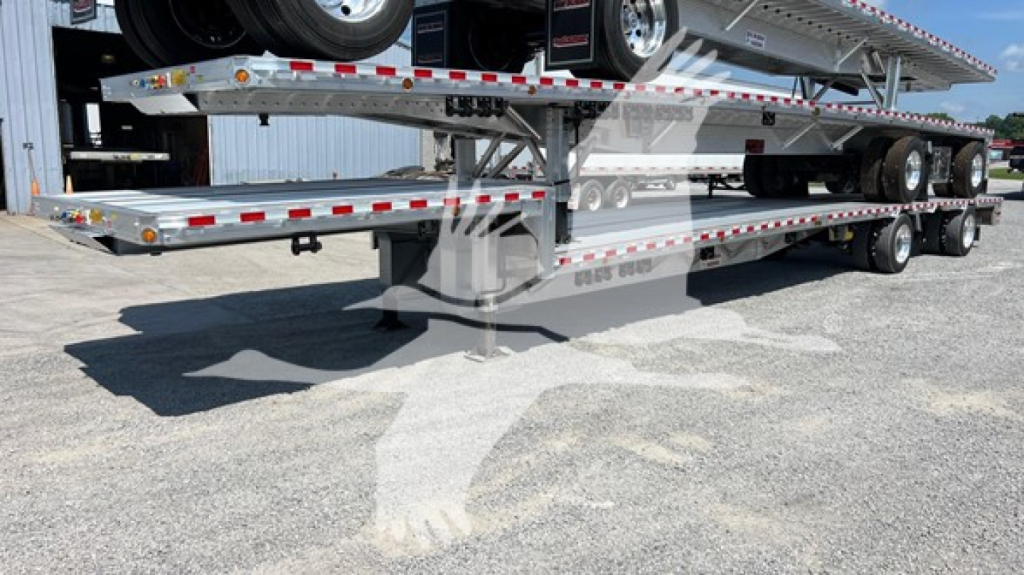
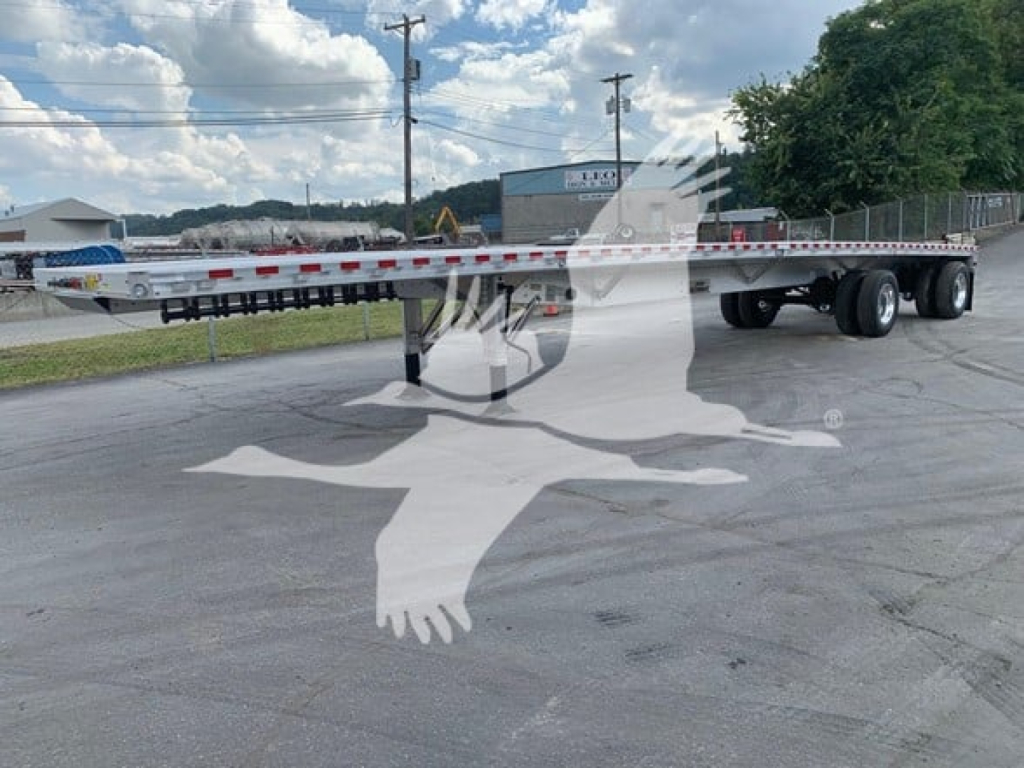
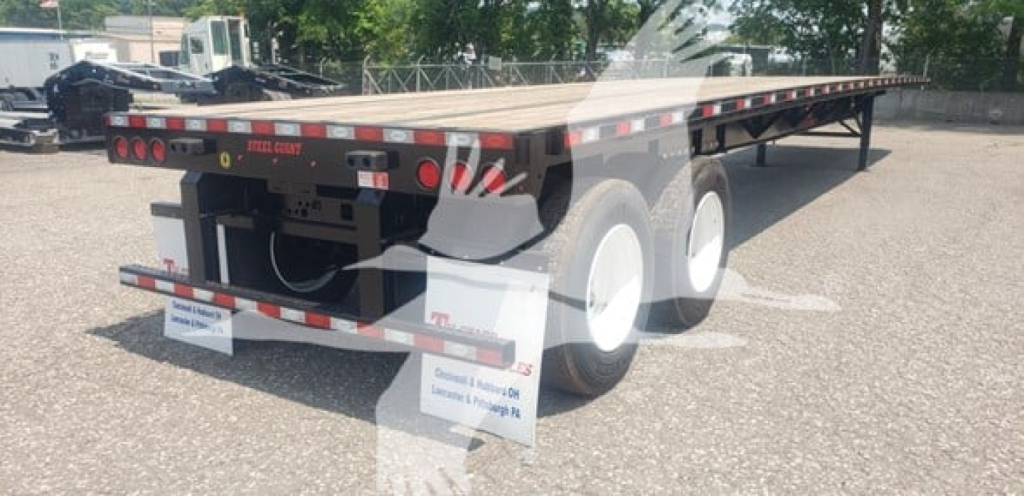
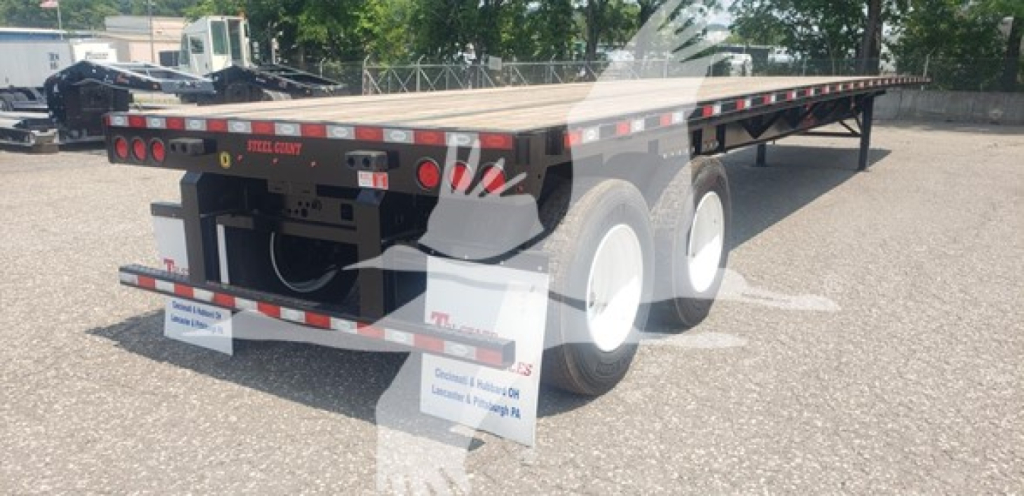
For flatbed work, material choice drives the tradeoff between durability and payload. Steel flatbeds typically bring a lower upfront cost and strong deck support for concentrated loads, while aluminum flatbeds reduce empty weight and increase legal payload. Common specs in this class include apitong floors or aluminum decks with apitong nailer strips, full or partial winch tracks, sliding winches, pipe spools, Jost or Holland landing gear, and Hendrickson air ride suspension systems. Sliding tandems and air slider setups matter for buyers hauling mixed freight because they help manage axle weights and docking flexibility. If coils, machinery, building products, or steel are part of the load mix, crossmember spacing, beam rating, coil package options, and side rail design should be reviewed closely before purchase.
Extendable flatbeds are built for loads that do not fit a fixed 48-foot or 53-foot deck. A 48-foot to 80-foot stretch trailer can be the right tool for long steel, utility poles, fabricated components, or overlength construction material, but extension design, lock intervals, loaded stability, and suspension setting deserve careful attention. For standard open-deck freight, reduced arch designs, dump valves, tire size, and wheel spec can also affect deck height, loading angle, and maintenance cost over the life of the trailer. In Pennsylvania and across the Northeast, buyers often prioritize practical features such as LED lighting, mud flap placement, rear receptacles, pre-drilled toolbox locations, and hub and drum serviceability because uptime and easy parts support matter as much as rated capacity.
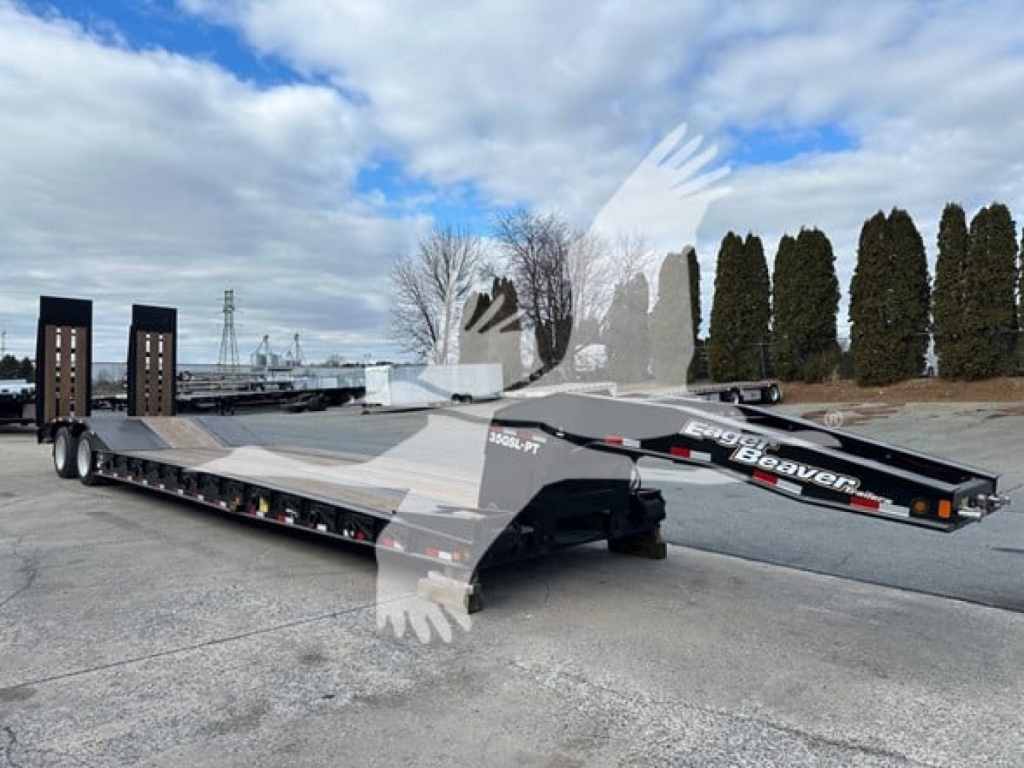
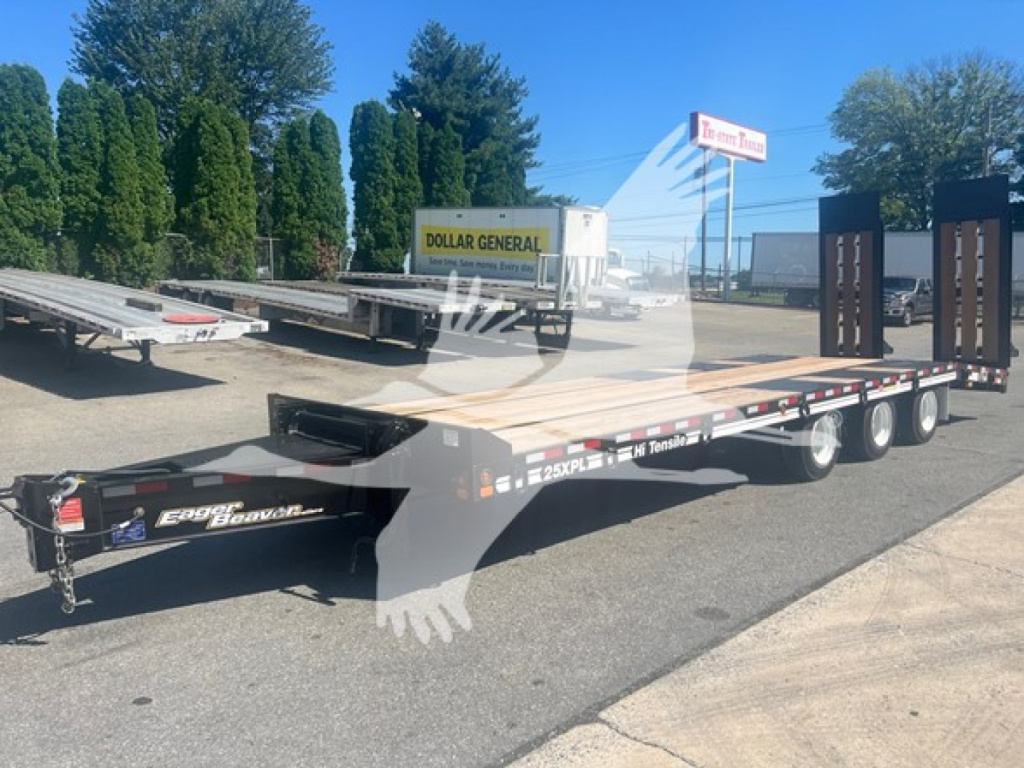
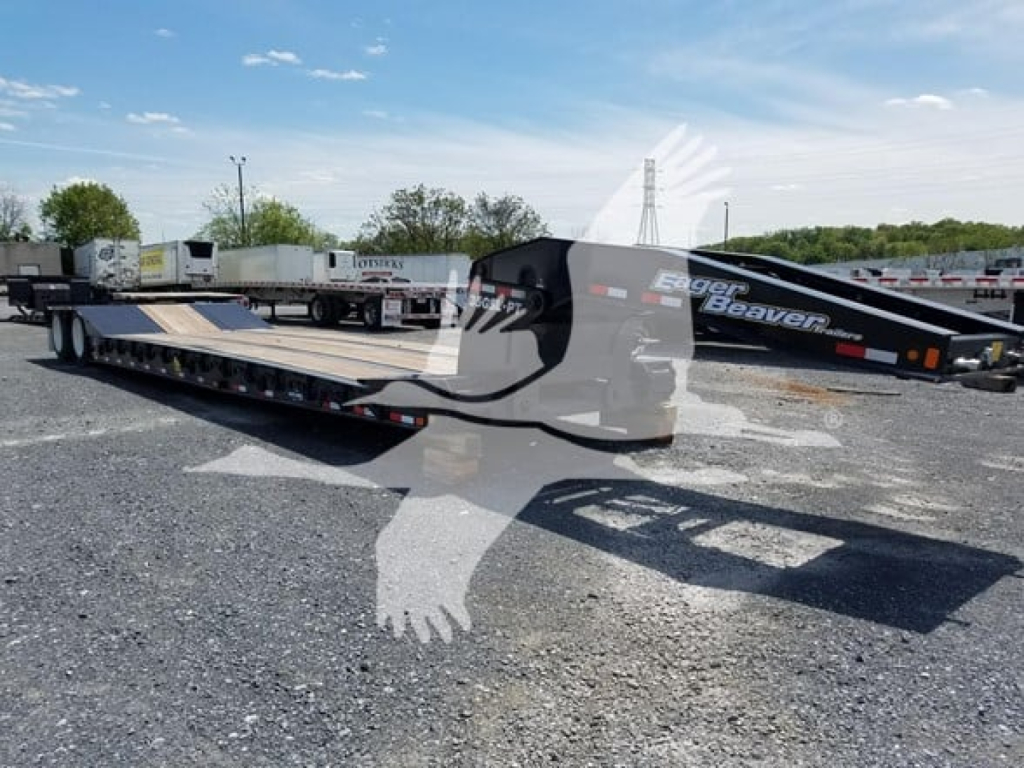
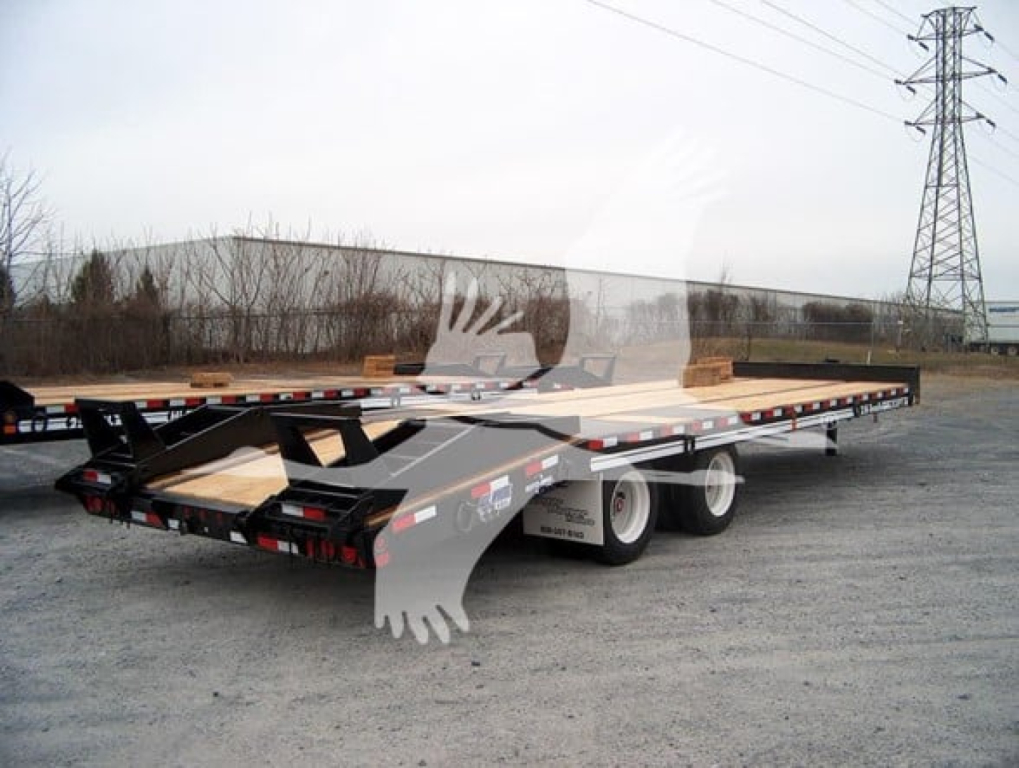
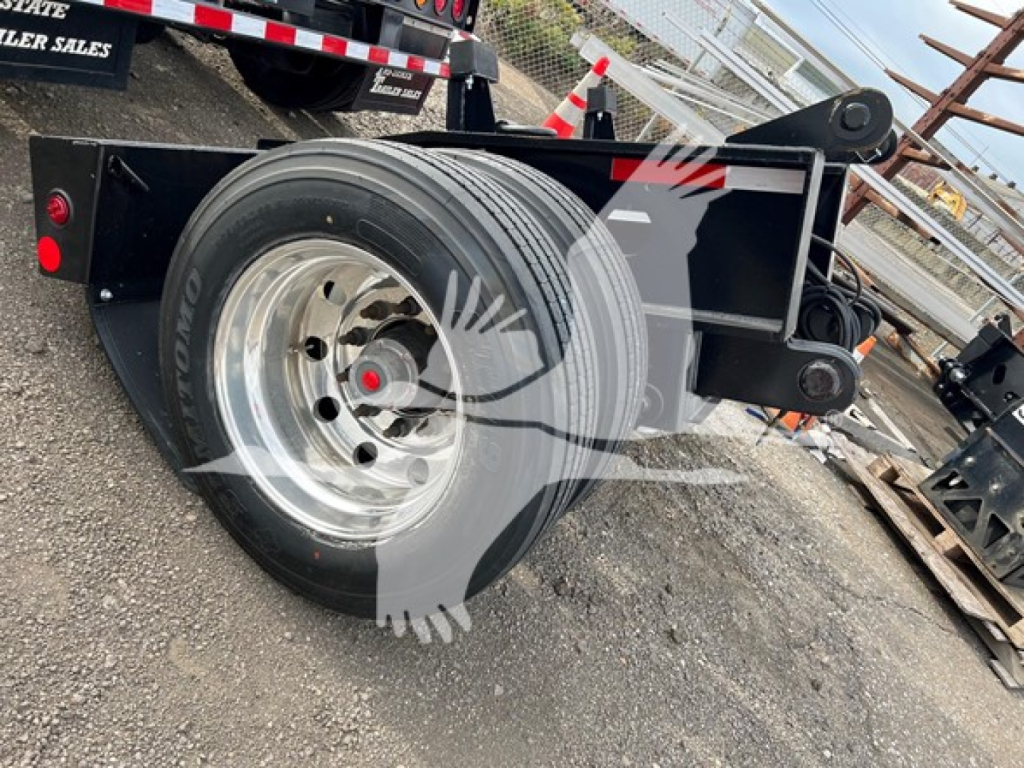
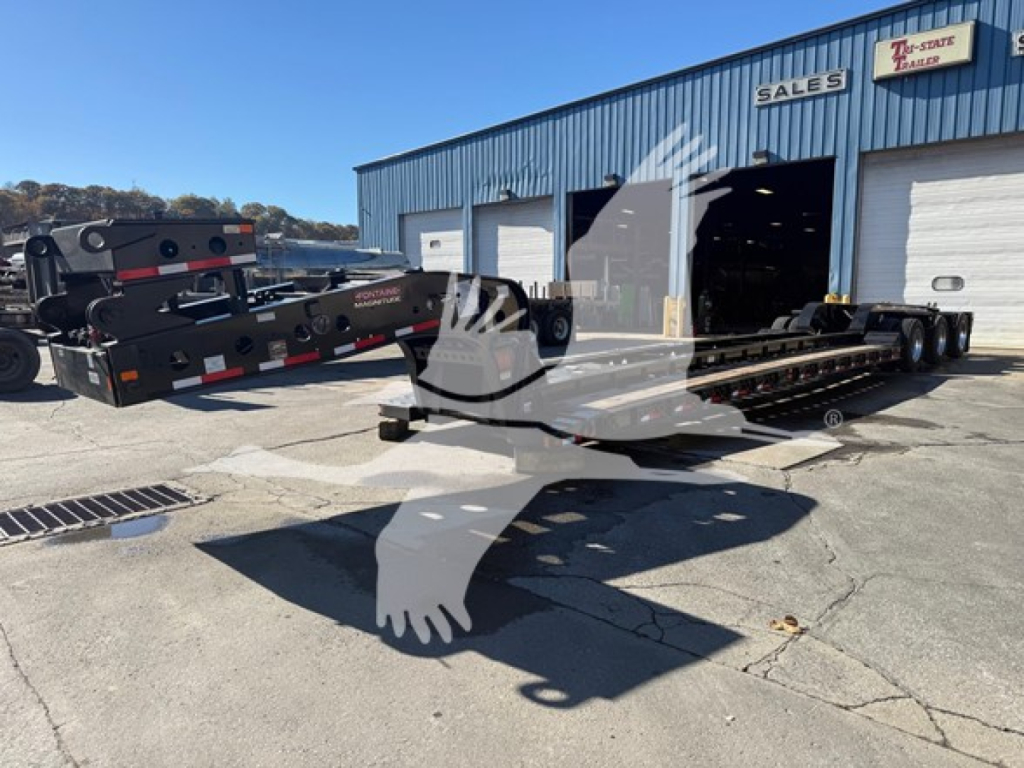
Lowboy trailers, also called lowbed trailers, are the right choice when deck height and heavy equipment clearance are the limiting factors. A hydraulic detachable gooseneck lowboy with outriggers, D-rings, ramp options, and flip axle compatibility is designed for construction equipment, paving machines, agricultural machinery, and other tall or heavy loads that exceed what a standard flatbed can handle. Here, main deck length, loaded ride height, number of axles, detachable neck style, and concentrated load rating are the specs that matter most. Buyers should also compare ground bearing versus non-ground bearing necks, raise-and-lower valve setup, lift axle configuration, and rear connection provisions if future expansion with a flip axle is likely. A new 2026 trailer should be evaluated not just by brand and price, but by how its suspension, frame, deck, and securement package fit the freight you plan to move legally and efficiently.
Frequently Asked Questions about New 2026 Trailers in Pennsylvania
What should I look at first when comparing new 2026 trailers for sale in Pennsylvania?
Start with the freight you haul most often, then compare trailer type, deck length, axle configuration, tare weight, and suspension. A flatbed, extendable flatbed, and lowboy may all be legal trailers, but they serve very different jobs. Pennsylvania buyers should also pay close attention to kingpin setting, tandem spread or slider arrangement, and overall weight distribution because those specs affect bridge law compliance and day-to-day usability on regional lanes.
Is an aluminum flatbed better than a steel flatbed?
Aluminum flatbeds usually offer lower empty weight, which can increase payload and improve fuel efficiency over time. Steel flatbeds generally provide strong durability and can be attractive for operations that see hard use, concentrated freight, or lower-cost replacement needs. The better choice depends on freight type, expected trailer life, repair environment, and whether payload or upfront cost is the bigger priority.
When does an extendable flatbed make more sense than a standard 48-foot or 53-foot trailer?
An extendable flatbed makes sense when overlength freight is a regular part of the operation and using a fixed deck would create loading or permit problems. Common examples include pipe, structural steel, utility poles, trusses, and long machinery components. Buyers should evaluate extension range, lock spacing, deck strength when extended, and how the axle setting affects stability and legal weight distribution in both closed and open positions.
What is the main advantage of a lowboy trailer over a flatbed?
The main advantage is deck height. A lowboy carries tall and heavy equipment much lower to the ground than a flatbed, which helps with legal height compliance and loading stability. That makes lowboys a common choice for excavators, loaders, dozers, pavers, and other equipment that would sit too high on a standard open-deck trailer. Important buying points include detachable gooseneck style, deck length, axle count, concentrated load rating, and available rear axle or flip axle options.
Why do kingpin setting and sliding axle configuration matter on a new trailer?
Kingpin setting and sliding axle position determine how weight transfers between the tractor and trailer axles, which affects legal compliance, turning characteristics, and compatibility with different tractors. A poor match can limit payload or create bridge law issues even if the trailer has the right rated capacity on paper. Buyers running mixed freight or multiple tractor setups usually benefit from reviewing kingpin dimensions, slider travel, and closed versus open axle settings before choosing a trailer.