
New 2026 XL Specialized Trailers For Sale in Pennsylvania
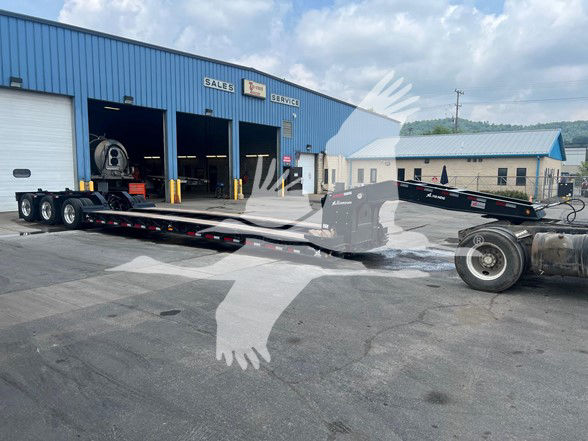
Shop new 2026 XL Specialized trailers for sale, including lowboy, traveling axle, and specialized heavy haul models built for demanding loads.
Learn more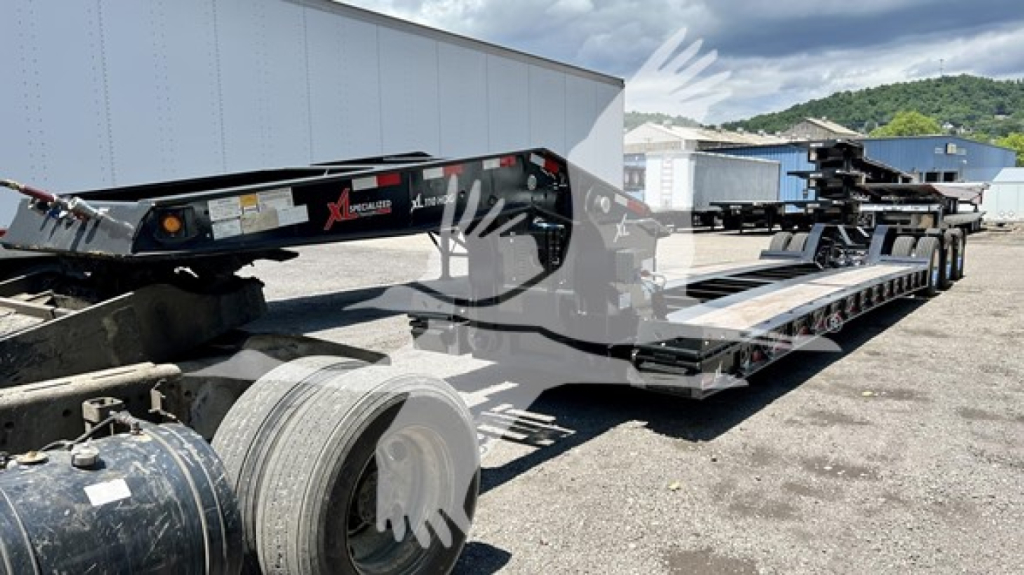
Have new 2026 xl specialized trailer to sell? List it here to reach thousands of buyers.
About New 2026 XL Specialized Trailers in Pennsylvania
For many buyers, the first decision is trailer style. XL Specialized lowboy trailers are typically chosen for taller equipment because the low deck height helps keep overall loaded height in check. Traveling axle models, also called sliding axle or sliding spread trailers in some applications, can make loading easier for certain machines and can offer strong flexibility for day-to-day equipment moves. Hydraulic detachable gooseneck designs are especially common in heavy haul work because they simplify loading and unloading of track equipment, pavers, crushers, and other self-propelled machinery. On higher-capacity models, features like non-ground bearing necks, multiple ride height positions, flip axle compatibility, spreader bar provisions, and air lift axles matter when matching the trailer to permit requirements and target freight.
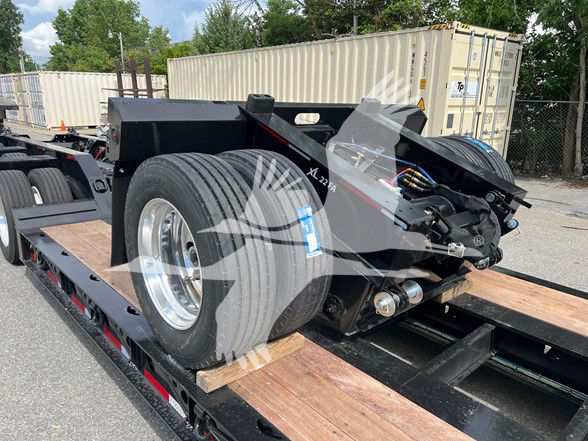
Key specs in this category usually center on capacity in a defined deck length, loaded fifth wheel height, swing clearance, axle spacing, and deck construction. Buyers should compare main deck length, loaded deck height, rear deck layout, and whether the floor is full wood or raised center-open for excavator and boom clearance. Suspension brand and setup also matter, with Hendrickson air ride commonly seen in this segment. Tire size, wheel material, dump valves, raise-and-lower controls, kingpin settings, and crossmember spacing all affect serviceability, maneuverability, and long-term durability. Tie-down density is another major consideration, especially if the trailer will handle mixed freight rather than one dedicated machine.
Pennsylvania buyers often need to think beyond posted capacity and look at the full operating picture, including bridge law, axle grouping, permit routes, and regional jobsite conditions. A trailer rated for 55 tons or more may still need the right jeep, booster, flip axle, or spacing arrangement to move legally in certain states. XL Specialized trailers are popular because they are engineered around real heavy haul use, with practical details like swing-out outriggers, bucket wells, work lights, battery-powered strobes, and rear receptacles that support everyday field operation. The right trailer in this category is the one that matches your actual freight profile, loading method, and permit strategy, not just the highest tonnage number on paper.
Frequently Asked Questions
What types of trailers are included in the 2026 XL Specialized lineup?
This category commonly includes hydraulic detachable gooseneck lowboys, traveling axle trailers, flip axles, and other specialized heavy haul configurations. XL Specialized is known for equipment-hauling trailers designed for construction, aggregate, paving, and machinery transport, with models ranging from more versatile everyday haulers to dedicated high-capacity lowbeds for concentrated loads.
What should I look at first when comparing XL Specialized lowboy trailers?
Start with deck height, capacity in a stated deck length, axle count, and neck design. Those four items usually determine whether the trailer can legally and practically move your freight. After that, compare deck length, swing clearance, gooseneck ride height positions, flip axle compatibility, and tie-down layout. Buyers hauling mixed machinery should also pay attention to outriggers, bucket wells, and how the load can be positioned across the deck.
Why does deck height matter so much on a specialized trailer?
Deck height directly affects loaded overall height, which is critical when hauling tall equipment such as excavators, forestry machines, and crushers. A lower main deck can make the difference between a manageable legal load and a load that requires more routing restrictions or permitting. Lower deck height can also improve loading stability, but it needs to be balanced against ground clearance and the type of jobsite access the trailer will see.
Are traveling axle trailers better than lowboys for equipment hauling?
They serve different purposes. A traveling axle trailer can be very efficient for loading and unloading certain wheeled or tracked equipment and may be a strong fit for contractors moving machines frequently over shorter to mid-range routes. A lowboy is usually the better choice when loaded height is the limiting factor or when hauling taller, heavier, or more specialized machinery. The better option depends on the machine dimensions, weight concentration, route restrictions, and how often the trailer changes applications.
How important are flip axles and auxiliary axle options on XL Specialized trailers?
They are important for buyers operating in the heavier end of the market. Flip axles, spreader bars, and related axle options can increase flexibility when trying to meet axle weight distribution and permitting requirements. Even if a trailer is purchased in a base configuration, compatibility with future axle additions can protect resale value and make the trailer more adaptable as freight requirements change.