
New Hopper Trailers For Sale
Shop new hopper trailers including grain and sand models with ag hoppers, air ride, tarp systems, tandem axles, and aluminum or steel builds.
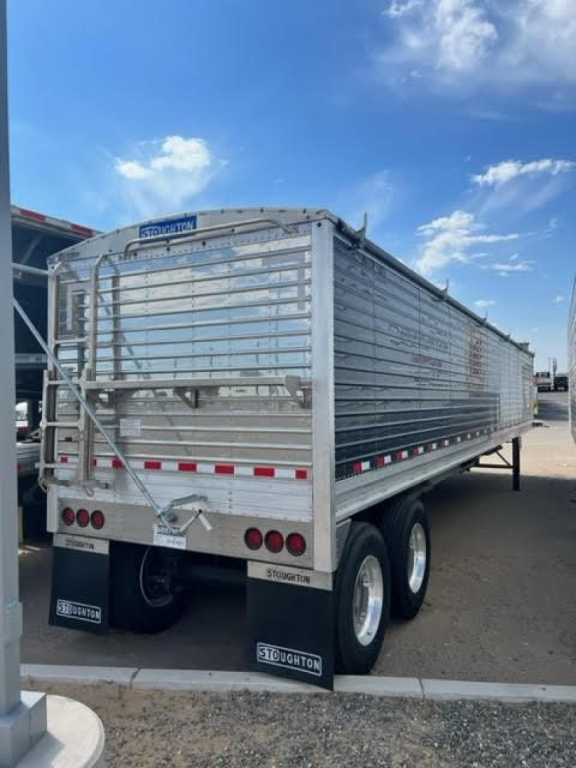
Showing 29 to 29 of 29 results
Selling a new hopper trailer? List your new hopper trailer for sale and reach thousands of commercial buyers.
New Hopper Trailers
Material and suspension choices have a direct effect on tare weight, durability, and operating cost. Aluminum hopper trailers are favored when payload and corrosion resistance are the priority, especially in grain and some sand applications. Steel or combination trailers can make sense for operators who want a lower initial buy or expect more abrasive service. Air ride suspension is common on higher-spec units because it helps protect the trailer and cargo, while spring ride still shows up on straightforward farm and regional applications. Buyers should also compare axle ratings, brake type, tire size, wheel package, landing gear, and kingpin setup, especially if the trailer will move between farm lanes, elevators, processing plants, and highway miles.
Discharge design is where hopper trailers start to separate by application. Agricultural models often use two hopper openings with manual traps and manual roll tarps, along with front and rear ladders, catwalks, and light packages suited for elevator and field use. Sand and frac sand hopper trailers may use a single hopper or bottom-drop configuration with larger gate openings, hydraulic trap operation, knock rails, and electric tarp systems to speed unloading and reduce manual labor. The shape and size of the hopper openings matter because they affect flow characteristics, cleanout time, and compatibility with pits, augers, and conveyor systems. If you haul multiple products, pay attention to gate sealing, interior finish, and how easily the trailer transitions between commodities.
A well-spec'd new hopper trailer should fit the commodity first, then the route. Grain operators often focus on bushel capacity, tarp reliability, and easy trap service. Sand haulers tend to focus on structural strength, gate performance, suspension durability, and overall empty weight. Useful options across the category include load scales, sealed wiring harnesses, LED lighting, stainless front or rear panels, aluminum outer wheels, and dependable tarp and trap controls. The best buying decision usually comes down to balancing capacity, unload speed, tare weight, and long-term maintenance across the exact lanes and materials the trailer will handle.
Frequently Asked Questions about New Hopper Trailers
What is the difference between a grain hopper trailer and a sand hopper trailer?
A grain hopper trailer is usually configured around volume, clean discharge, and commodity protection. These trailers commonly have two ag hoppers, manual or electric roll tarps, ladders, and catwalks for farm and elevator work. A sand hopper trailer is typically built for denser and more abrasive material, so buyers often see heavier-duty structures, different gate openings, bottom-drop or single-hopper layouts, hydraulic trap operation, and specs aimed at faster unload cycles and harsher jobsite conditions.
Are aluminum hopper trailers better than steel hopper trailers?
Aluminum hopper trailers usually offer lower tare weight and strong corrosion resistance, which helps maximize payload and reduce long-term exposure issues in many bulk commodity applications. Steel hopper trailers can offer a lower purchase price and may be preferred where impact resistance or a more rugged build is important. The better choice depends on the material hauled, expected annual miles, road conditions, and whether your operation values payload efficiency more than upfront cost.
What size hopper trailer is most common?
Many new hopper trailers fall in the 40-foot to 42-foot range with tandem axles, though exact dimensions vary by commodity and state bridge laws. Grain trailers are often spec'd by bushel capacity and side height, while sand models may be spec'd more closely by cubic yards, gate design, and structural layout. The most common size is not always the best size, because legal payload, material density, and unload setup should drive the final spec.
What features matter most when buying a new hopper trailer?
The most important features are body material, suspension type, hopper configuration, gate operation, tarp system, and capacity. Buyers should also look closely at axle and brake ratings, tire and wheel package, ladder and catwalk access, wiring quality, and serviceability of trap doors and tarp components. On grain units, bushel capacity and clean flow are usually high priorities. On sand units, structural durability, discharge speed, and resistance to wear tend to matter more.
Should I choose manual or powered tarp and hopper controls?
Manual tarps and traps are simpler and can lower initial cost, which makes them common on straightforward agricultural specs. Powered systems, such as electric tarps or hydraulic hopper gates, reduce operator effort and can improve speed and consistency during repeated loading and unloading cycles. For higher-volume operations, multi-stop routes, or applications where safety and turnaround time matter, powered controls can be worth the added complexity and cost.