
New Hopper Trailers For Sale in Texas
New hopper trailers for sale in Texas, including aluminum grain hoppers with high-capacity bodies, air ride suspensions, tarp systems, and tandem axles.
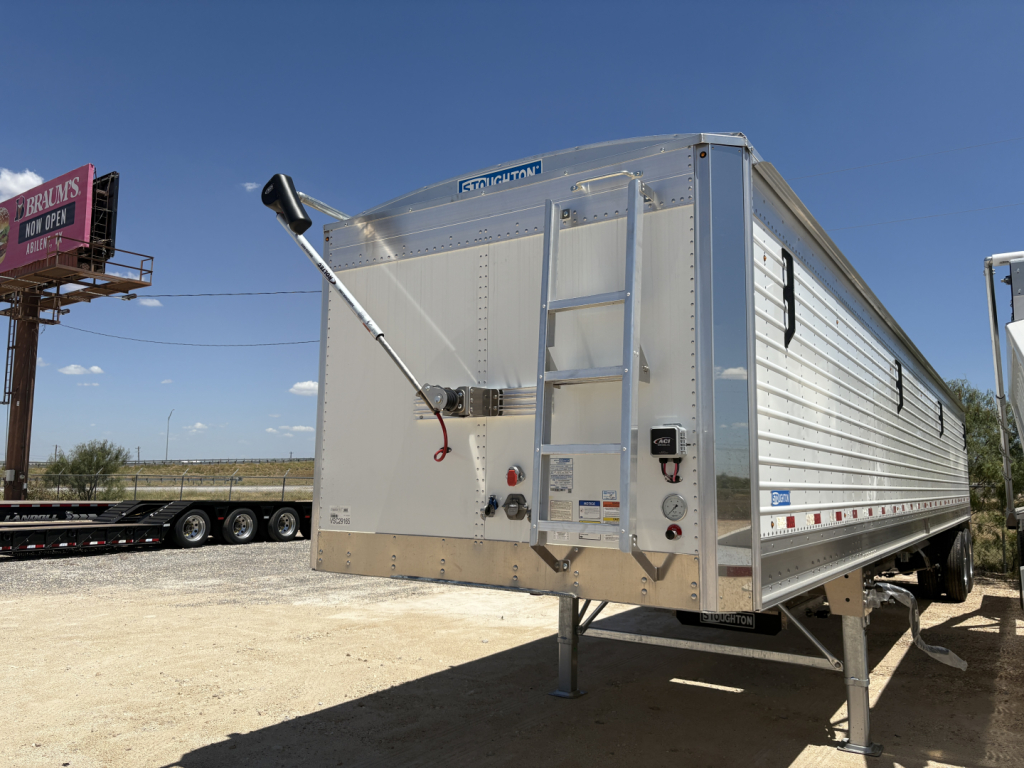
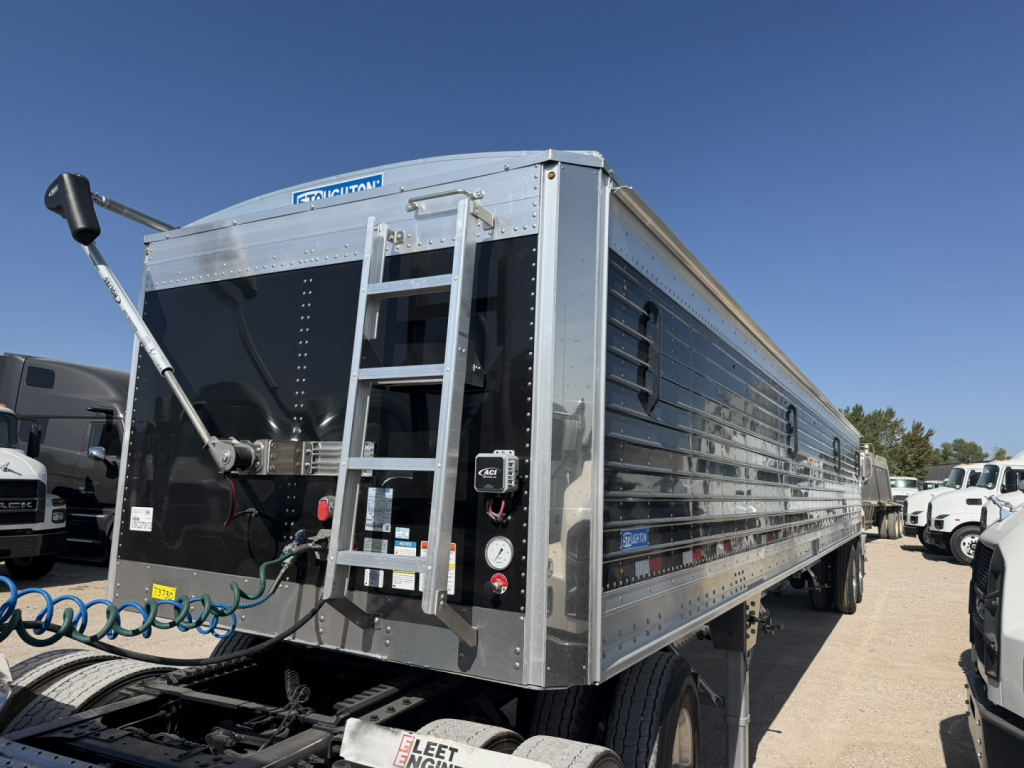
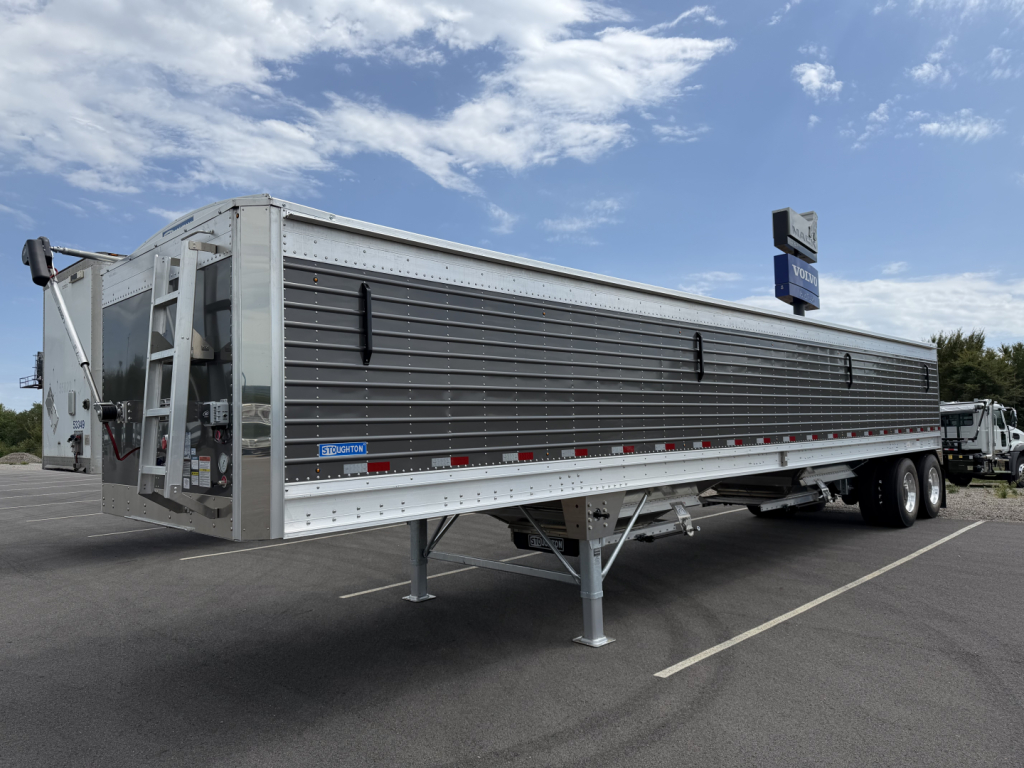
Selling a new hopper trailer? List your new hopper trailer for sale and reach thousands of commercial buyers.
New Hopper Trailers in Texas
Capacity is usually the first real buying decision. Common grain hopper lengths run around 40 to 43 feet, with side heights in the upper-60-inch to 80-inch range. That puts many trailers in roughly the 1,100 to 1,400-plus bushel class, depending on body design and commodity density. Taller sides increase cubic capacity, but they also raise overall height, which can matter on farm lanes, under augers, and around older loadout points. Buyers should compare cubic feet, bushel rating, overall trailer height, empty weight, and fifth wheel height together instead of looking at side height alone. A trailer with the right balance of volume and tare weight can be more profitable than simply choosing the biggest body.
Discharge and running gear specs deserve close attention because they affect everyday usability. Two-stage manual trapdoors remain common and dependable, and trap opening dimensions matter if the trailer will unload into pits, conveyors, or portable augers with limited clearance. Ground clearance under the hoppers is especially important for uneven yards and field entrances. Tandem axles with a spread, air ride suspension, ABS, and 11R22.5 rubber are standard on many new hopper trailers because they deliver a familiar service profile and stable road manners under varying load conditions. Drum brakes are still widely spec'd, while options like tire inflation systems can reduce downtime and help with tire life on long regional runs.
A good new hopper trailer spec also includes the details operators live with every day: electric tarp systems with remote controls, front and rear ladders, LED lighting packages, anti-spray splash guards, and durable inner liners or corrosion-resistant wall construction. In Texas, sun exposure, dust, and mixed highway-to-farm use make tarp reliability and lighting durability especially important. Kingpin setting, fifth wheel height, suspension choice, and axle spread should match the tractors and bridge-law requirements in your operation. For buyers comparing listings, the best hopper trailer is usually the one that matches your commodity, route, unload setup, and legal payload target without adding avoidable tare weight or service complexity.
Frequently Asked Questions about New Hopper Trailers in Texas
What size hopper trailer is best for grain hauling in Texas?
The best size depends on the commodity, legal payload target, and the loading and unloading facilities you use. Many grain operations look at 40-foot to 43-foot aluminum hoppers because they offer a strong balance of bushel capacity, manageable tare weight, and compatibility with common elevator and farm setups. Taller sidewalls increase cubic volume, but overall trailer height can become a limitation under augers, in barns, or at older facilities. Buyers should compare bushel rating, cubic feet, empty weight, and overall height as one package.
Why do many buyers choose aluminum hopper trailers instead of steel?
Aluminum hopper trailers are popular because they reduce empty weight, which can translate into more legal payload on every trip. That matters in grain hauling where margins are often tied directly to weight moved per load. New aluminum trailers can still be built with galvanized steel subframes, stainless rear panels, and corrosion-resistant components to improve durability in demanding service. Steel still has its place in some severe-duty applications, but aluminum is the standard choice for many agricultural bulk haulers.
What features matter most on a new hopper trailer?
The most important features are usually capacity, tare weight, trapdoor design, suspension, and tarp system. Capacity determines how much product the trailer can carry, while tare weight affects legal payload. Trapdoor size and style affect unloading speed and compatibility with pits or augers. Air ride suspension is common for ride quality and cargo protection, and electric tarp systems save time and improve safety during loading. Buyers should also look closely at kingpin setting, fifth wheel height, ground clearance, brake type, and tire specification.
Are manual trapdoors still a good choice on grain hoppers?
Yes. Manual trapdoors are still widely used because they are simple, proven, and easier to maintain than more complex discharge systems. A two-stage manual trap setup gives operators better control over product flow during unloading and is common on grain trailers. The key is making sure the trap opening size and underbody clearance fit your unload points. If your operation unloads into small pits or portable equipment, trap dimensions and hopper clearance are just as important as body capacity.
How important is overall trailer height on a hopper trailer?
Overall height is a major spec because it affects where the trailer can be loaded and operated. Higher sidewalls increase volume, but they can create problems at grain augers, older elevators, low-clearance structures, and some farm facilities. Height also changes the trailer's center of gravity and can influence operating comfort on uneven ground. Buyers should check the listed overall height against their normal loading points, route restrictions, and tractor fifth wheel height before choosing a higher-capacity hopper.