
Used 2024 Flatbed Trailers For Sale
Browse used 2024 flatbed trailers for sale. Compare deck materials, axle setups, tie-down features, and weight ratings for freight needs.
Learn more
Showing 49 to 59 of 59 results
Have used 2024 flatbed trailer to sell? List it here to reach thousands of buyers.
About Used 2024 Flatbed Trailers
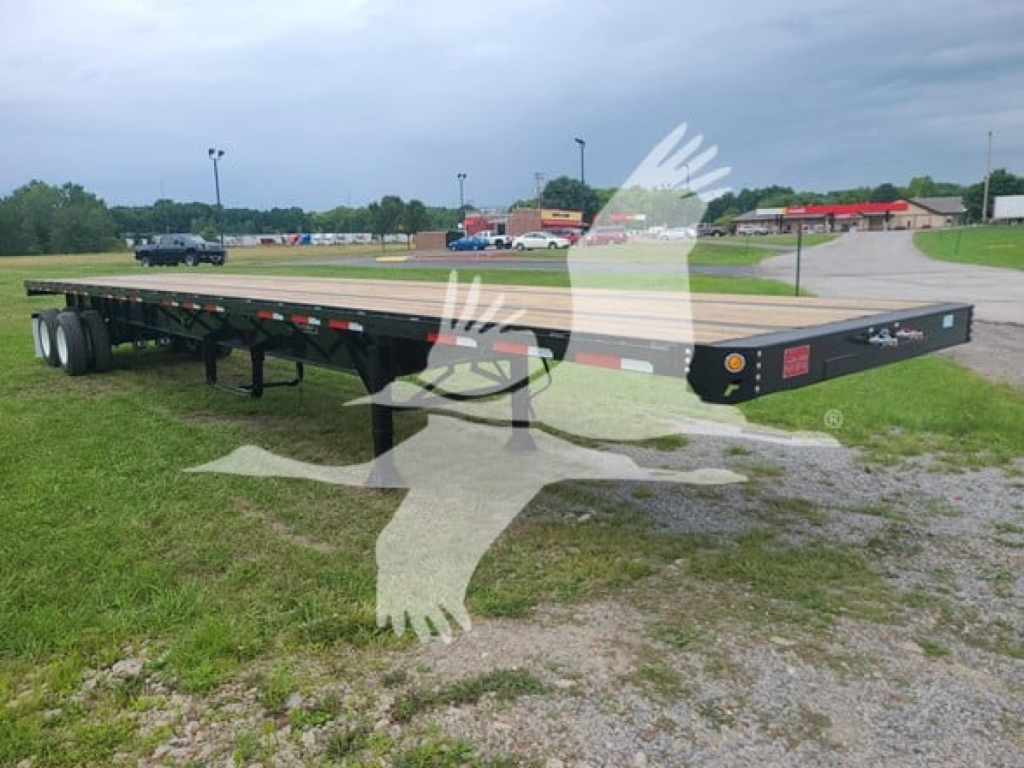
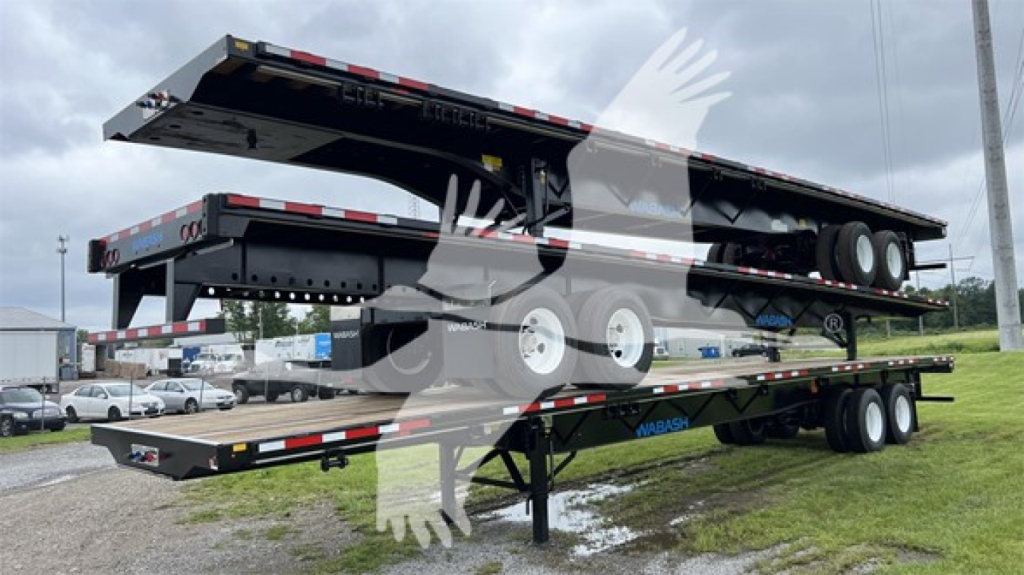
On standard flatbeds, pay close attention to the frame and deck build. Aluminum trailers and aluminum-steel combo designs help maximize payload, while all-steel structures can be attractive for heavier-duty cycles and rougher loading environments. Common deck details include aluminum flooring, Apitong nail strips, coil packages, bulkheads, pipe spools, and full-length roadside winch tracks with sliding winches. Buyers hauling machinery, steel, lumber, building products, or palletized freight should also look at crossmember spacing, side rail design, and the presence of toolboxes, dunnage rack provisions, and tire inflation systems. A 2024-spec trailer often benefits from modern LED lighting, cleaner wiring layouts, and current suspension and brake components that can simplify maintenance planning.
Axle layout matters as much as deck construction. Tandem sliding suspensions remain common for general freight flexibility, while spread-axle and fixed spread configurations can improve weight distribution and handling for certain loads. Air ride suspensions are popular for ride quality and cargo protection, though spring ride still shows up in applications where simplicity matters. Review kingpin setting, suspension setting, tire size, wheel material, landing gear spec, and published weight ratings in 4-foot and 10-foot sections if the trailer has a concentrated-load or coil package. For buyers considering extendable flatbeds, extension range, locking increments, deck support design, and loaded stability are critical, especially when hauling long steel, precast, utility poles, or structural components.
The best used 2024 flatbed trailer is usually the one whose spec matches the freight, not the one with the longest option list. A light empty weight helps on legal payload, but freight type should drive the purchase. Coil-hauling operations need the right package and reinforcement. Building-material carriers may prioritize winch count, strap management, and deck condition. Oversize or overlength work may push the search toward extendable models with strong side rails and predictable extension systems. Check deck wear, tire condition, suspension components, brake life, rail damage, and any signs of concentrated-load fatigue around crossmembers and landing gear mounts. A late-model used flatbed with the right securement features and axle setup can be a very efficient trailer for regional or long-haul open-deck work.
Frequently Asked Questions
What should I look for first when buying a used 2024 flatbed trailer?
Start with the trailer’s empty weight, deck condition, axle configuration, and tie-down setup. Those four items have the biggest effect on payload, freight compatibility, and day-to-day usability. After that, review crossmember spacing, side rail condition, suspension type, brake and tire life, kingpin setting, and any specialized features such as a coil package, bulkhead, pipe spools, PSI system, or dunnage rack provisions.
What is the difference between a standard flatbed and an extendable flatbed trailer?
A standard flatbed has a fixed deck length, most commonly 48 feet, and is used for general open-deck freight such as lumber, machinery, building materials, and palletized loads. An extendable flatbed, sometimes called a stretch flatbed, can lengthen to handle overlength cargo such as steel beams, utility poles, and long structural freight. When comparing extendables, focus on extension range, lock spacing, loaded deflection, and how the extension system affects tare weight and maintenance.
Is air ride or spring ride better on a flatbed trailer?
Air ride is generally preferred for cargo protection, ride quality, and overall versatility in mixed freight service. It can be especially useful when hauling machinery, finished products, or loads that are sensitive to shock and vibration. Spring ride can still be a practical choice for buyers who want a simpler suspension with fewer air system components, but most fleets shopping late-model flatbeds lean toward air ride for driver acceptance and freight flexibility.
How important is trailer material on a flatbed?
It is one of the most important buying factors because material choice affects payload, durability, repair cost, and long-term corrosion resistance. All-aluminum flatbeds usually offer the lightest tare weight, which helps maximize payload. Combo flatbeds, which typically use steel main beams with aluminum components, balance structural strength and lighter weight. All-steel trailers can suit demanding environments, but they usually carry more empty weight and may reduce legal payload compared with lighter designs.
Do I need a coil package on a flatbed trailer?
If the trailer will regularly haul steel coils or other concentrated loads, a coil package is a major advantage and may be essential. These packages typically include reinforced crossmembers and rated load areas designed to handle higher point loading in specific sections of the deck. Even for buyers hauling mixed freight, a coil package can add flexibility, but it should be evaluated against trailer weight and the actual freight mix to avoid carrying unnecessary tare weight.