
Used 2024 Flatbed Trailers For Sale in Texas
Shop used 2024 flatbed trailers in Texas. Compare 48-ft and 53-ft specs, axle setups, flooring, securement options, and weight-saving designs.
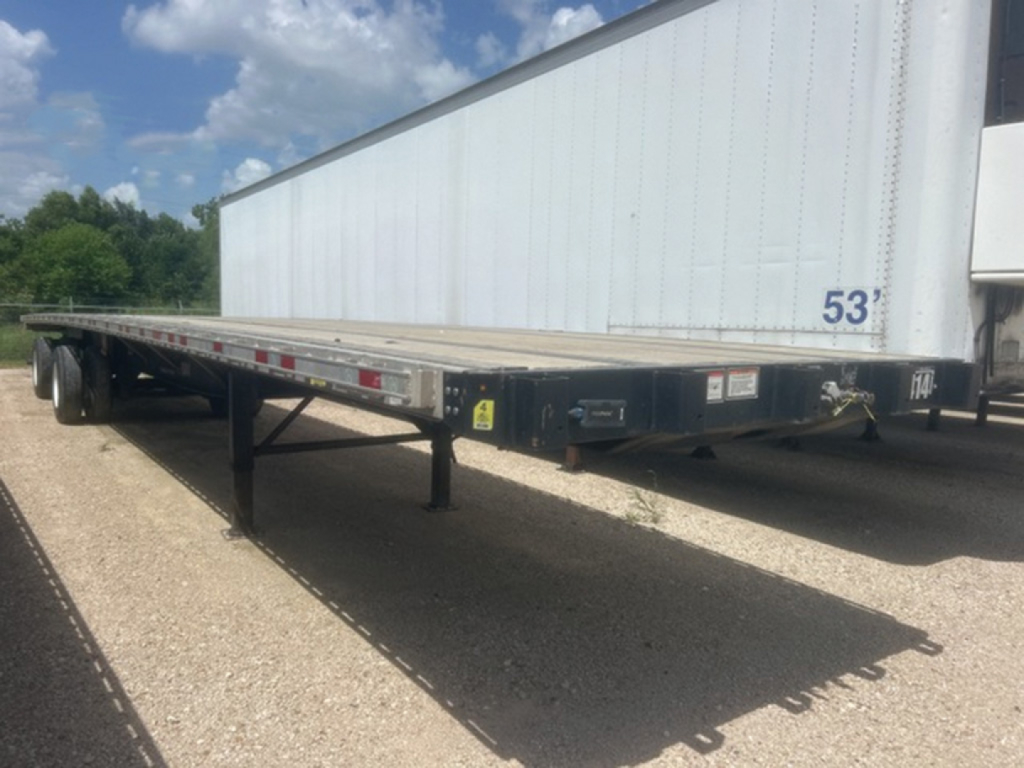
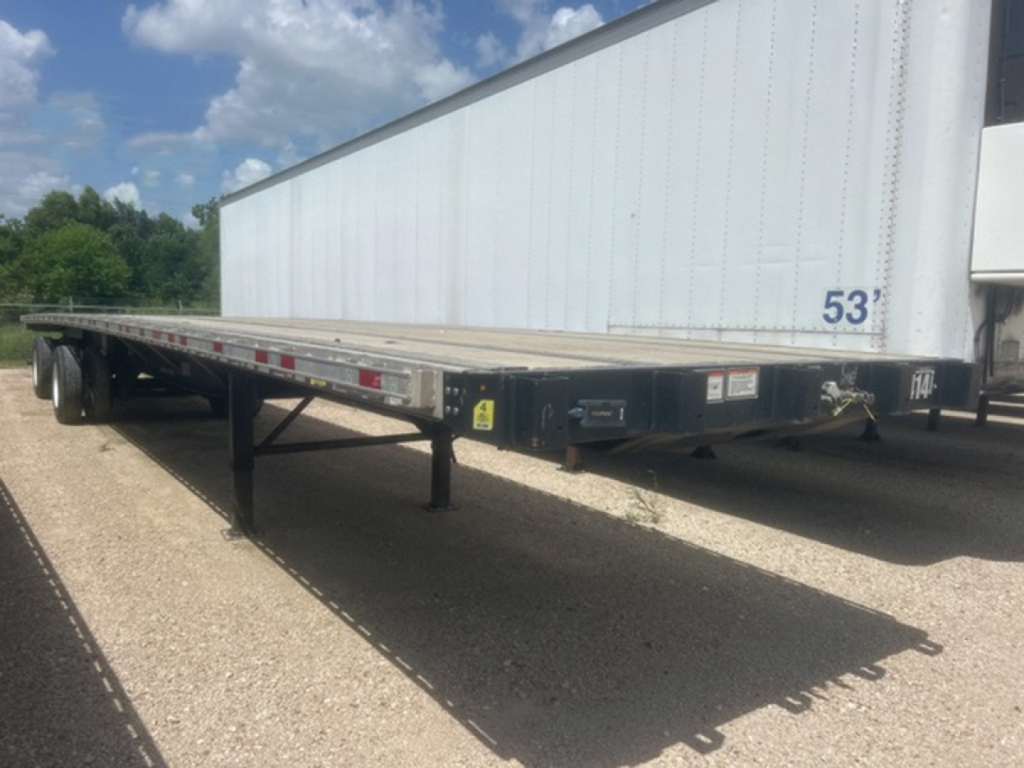
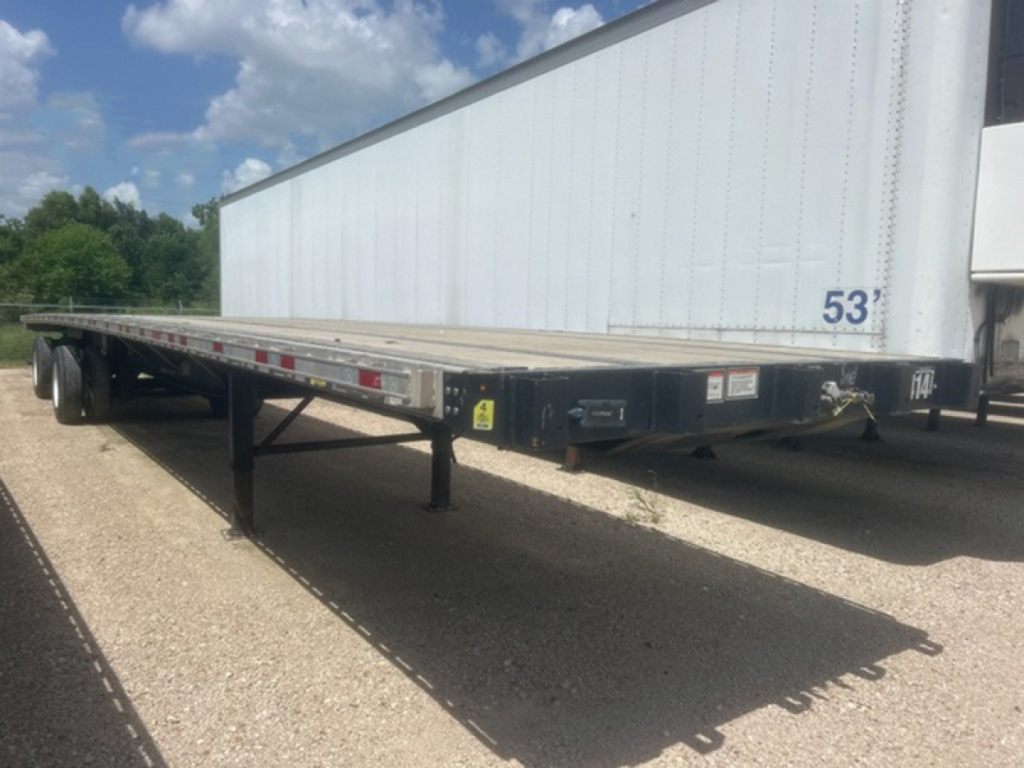
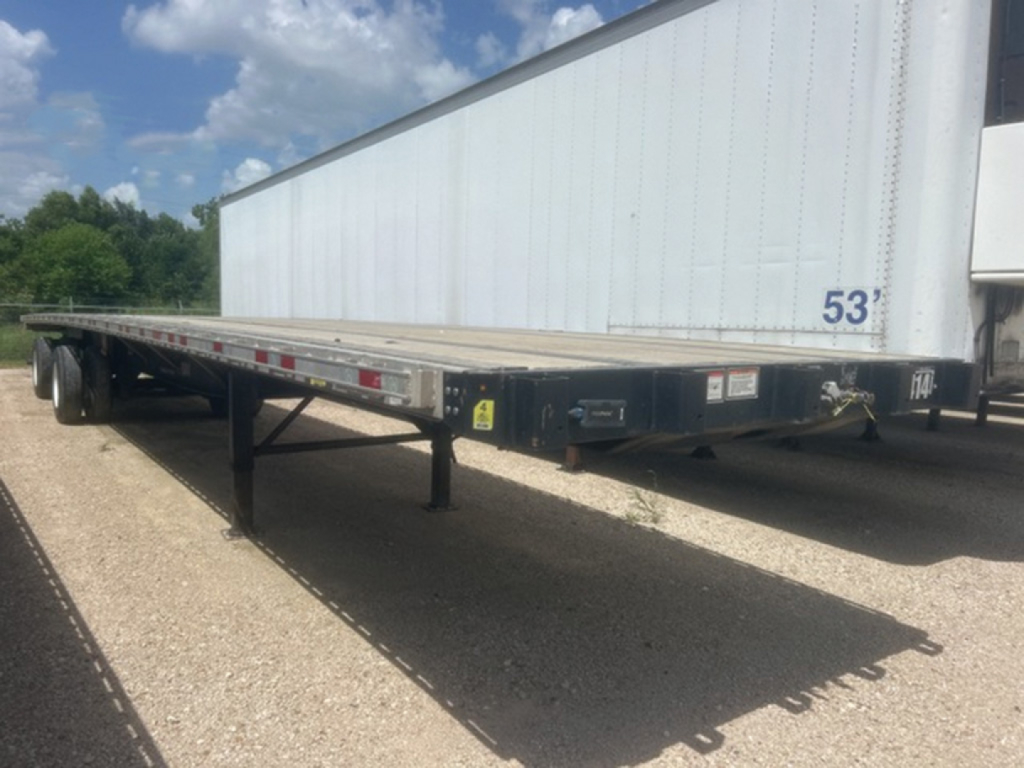
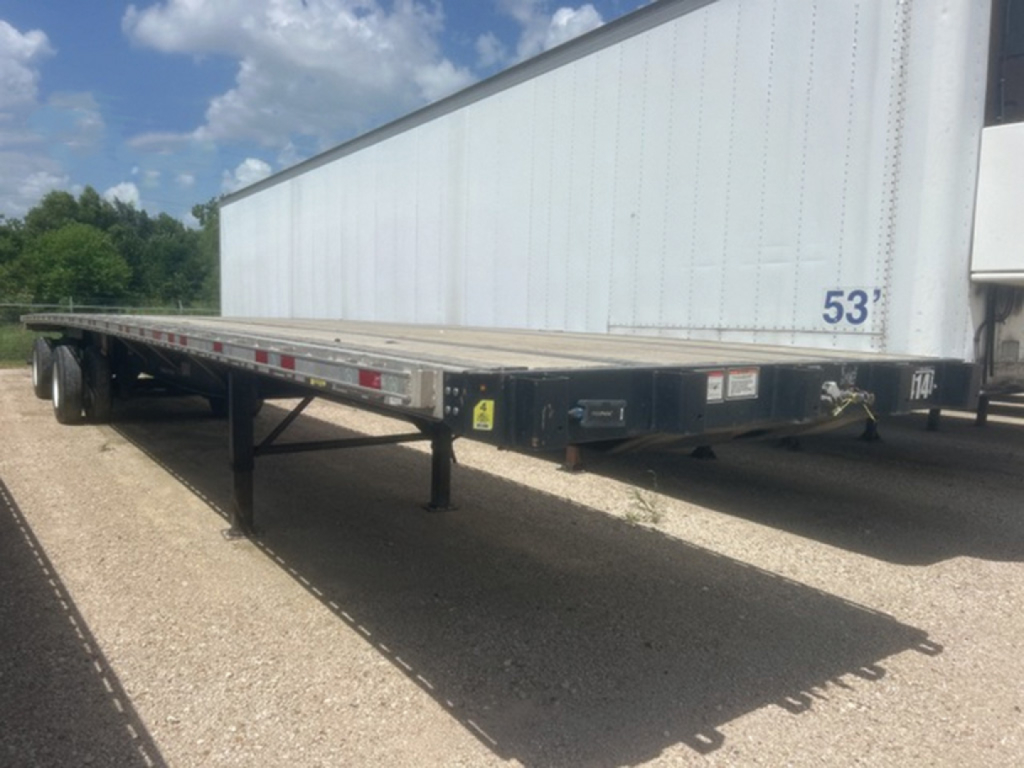
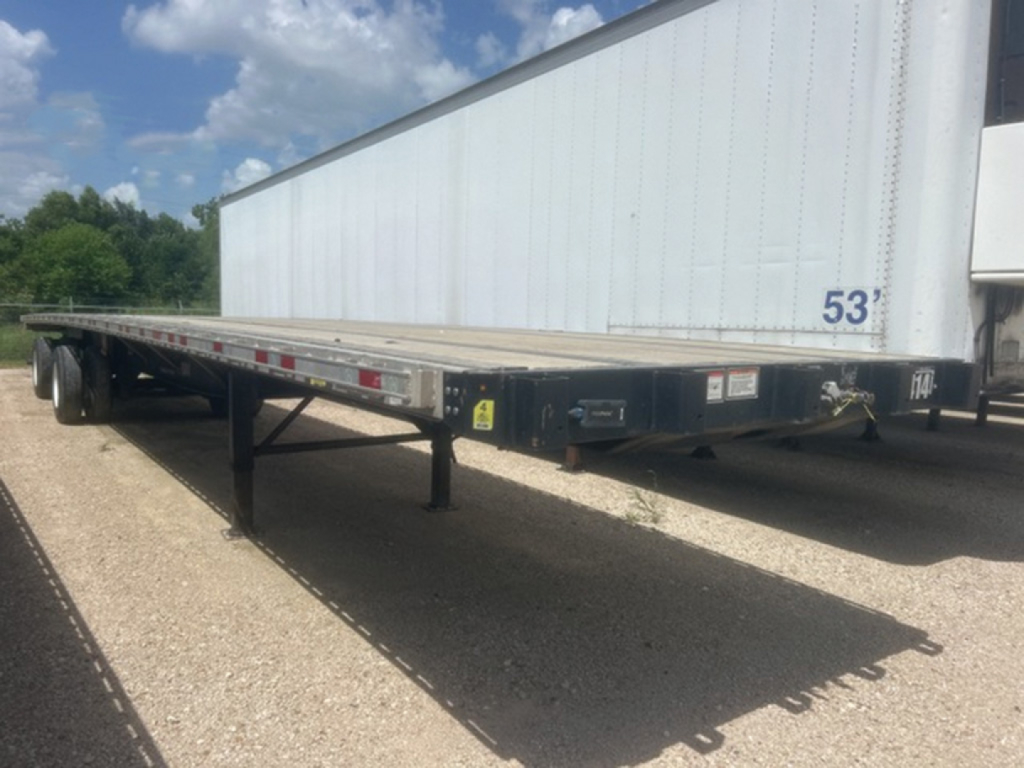
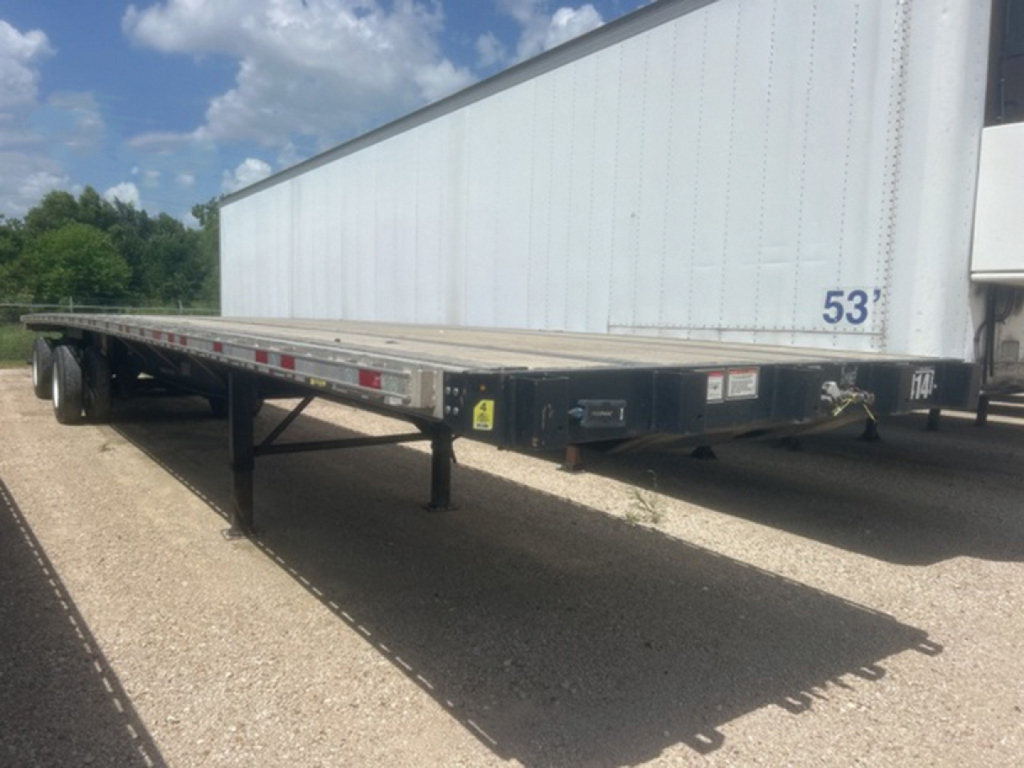
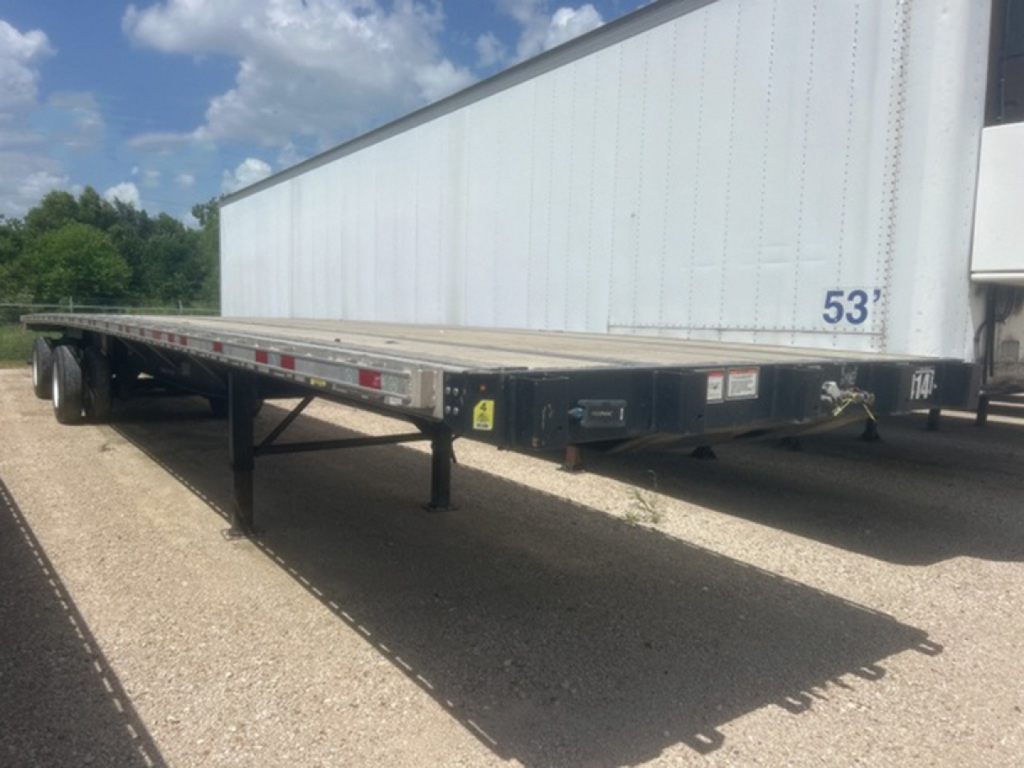
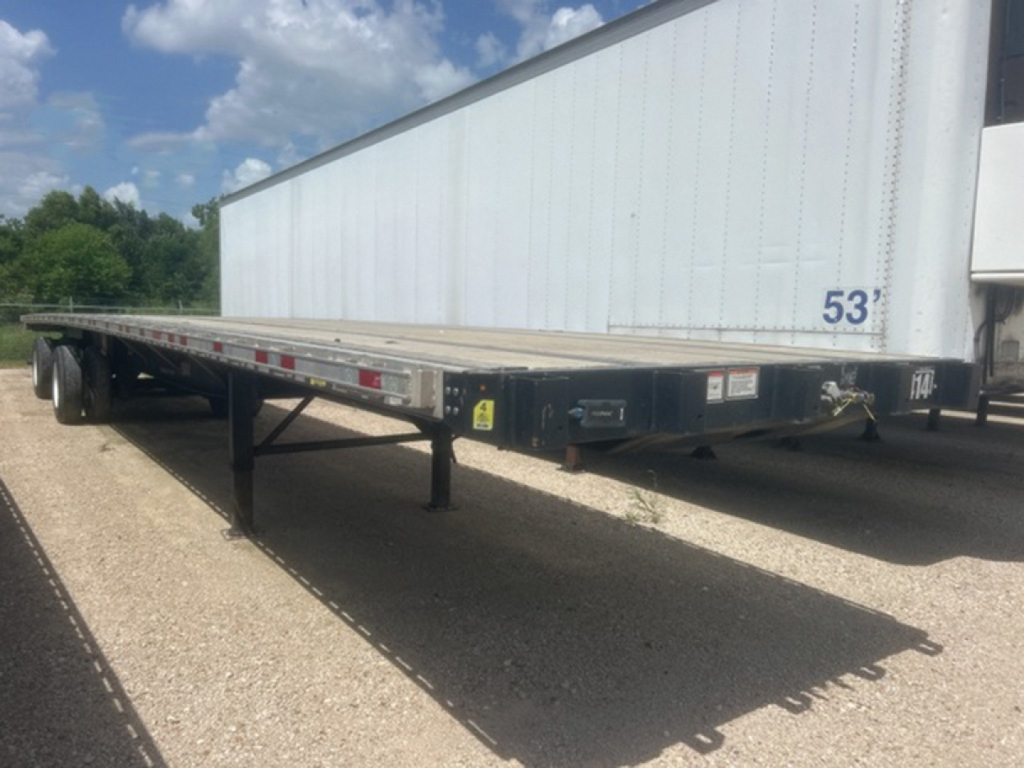
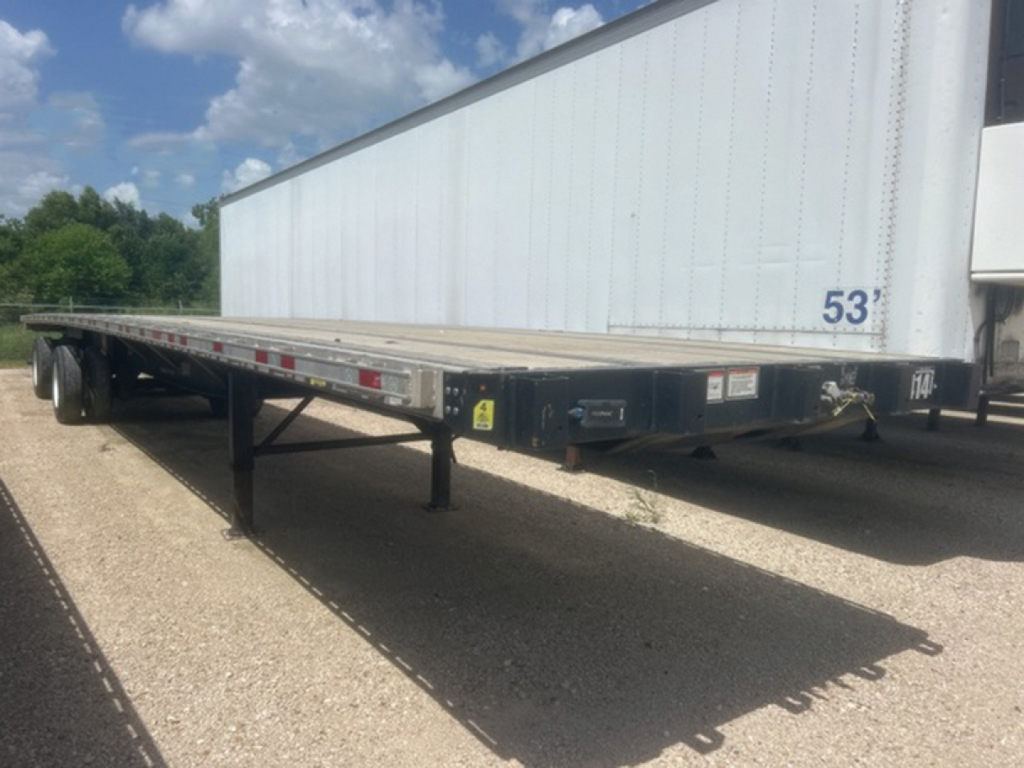
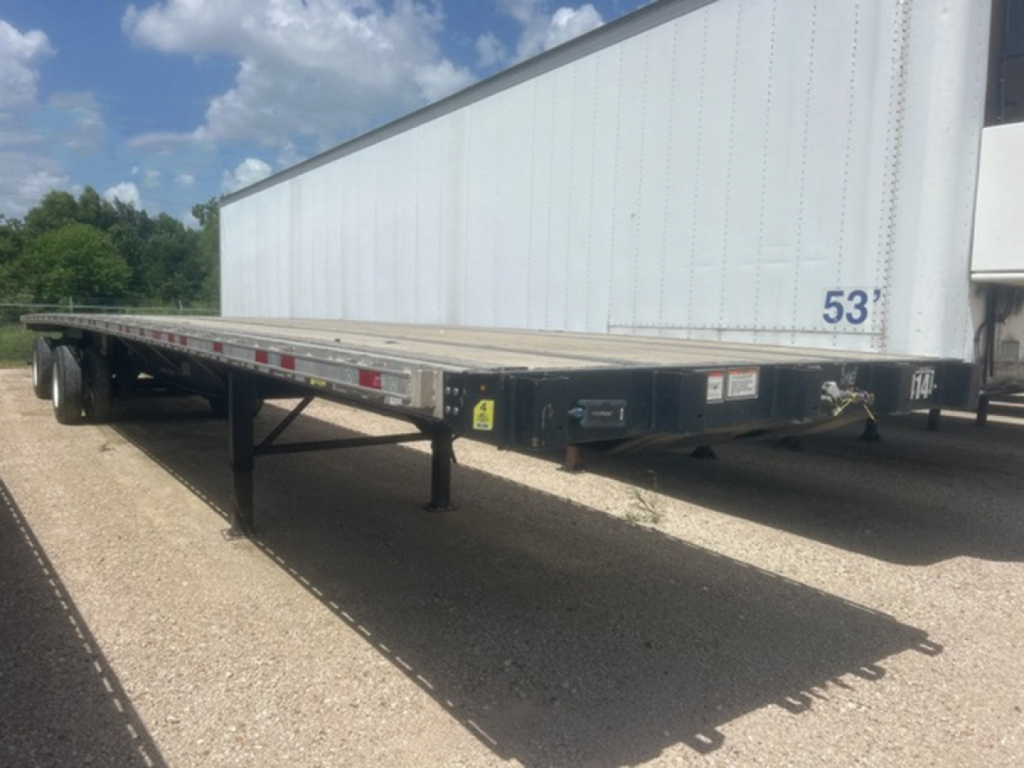
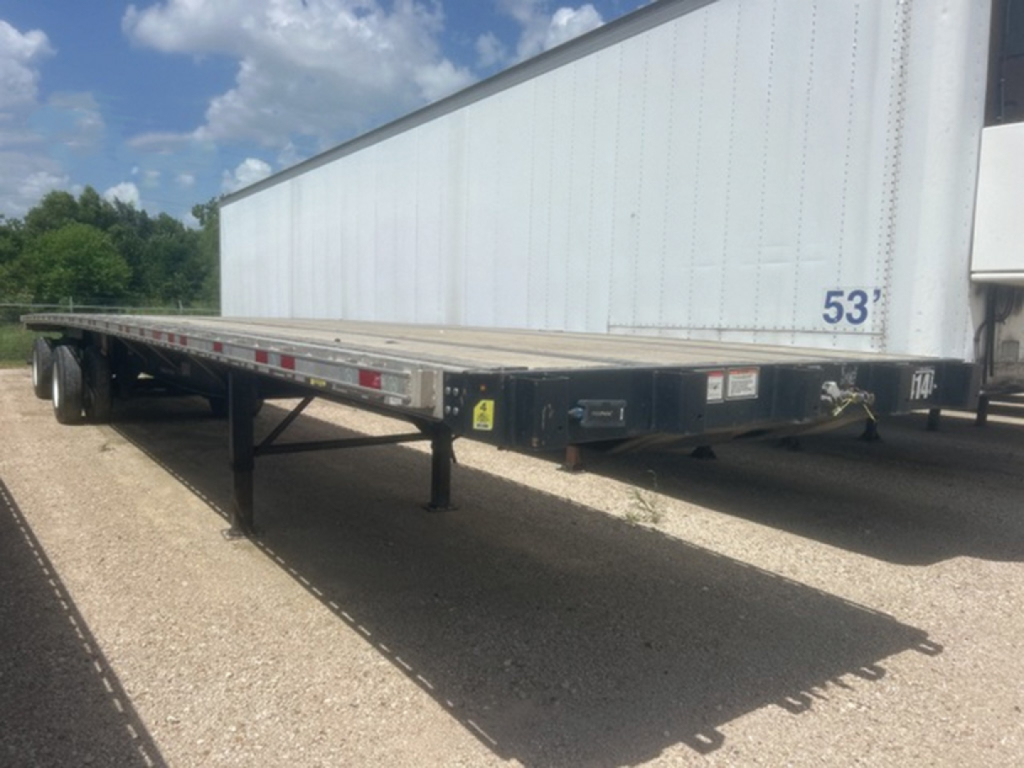
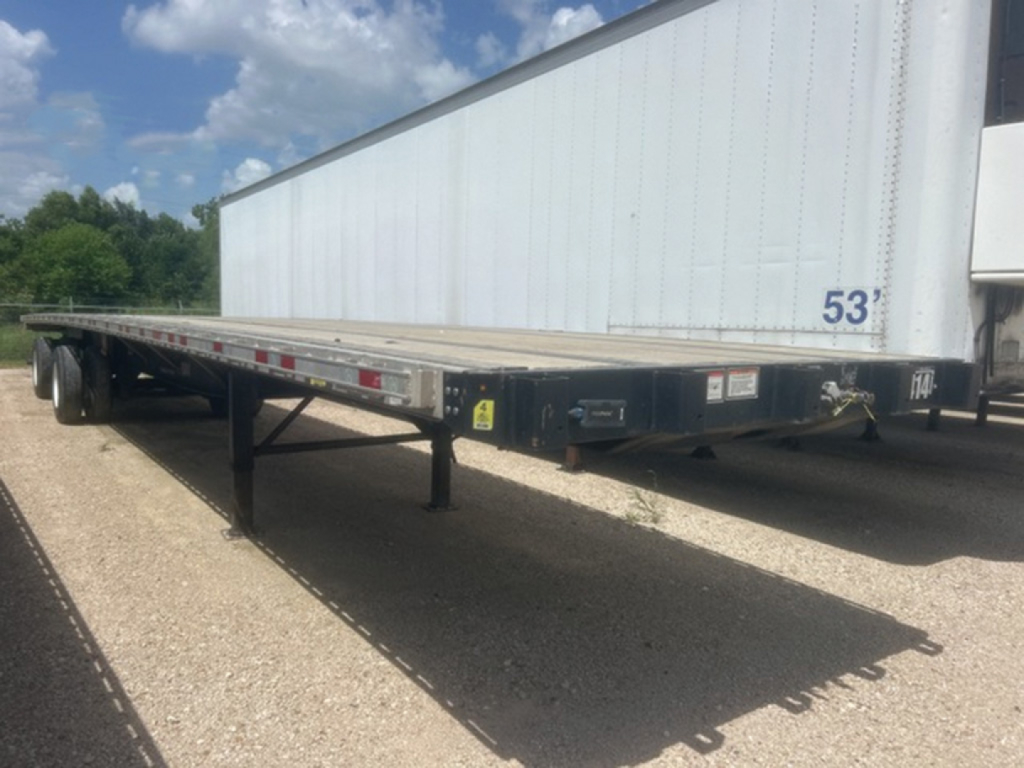
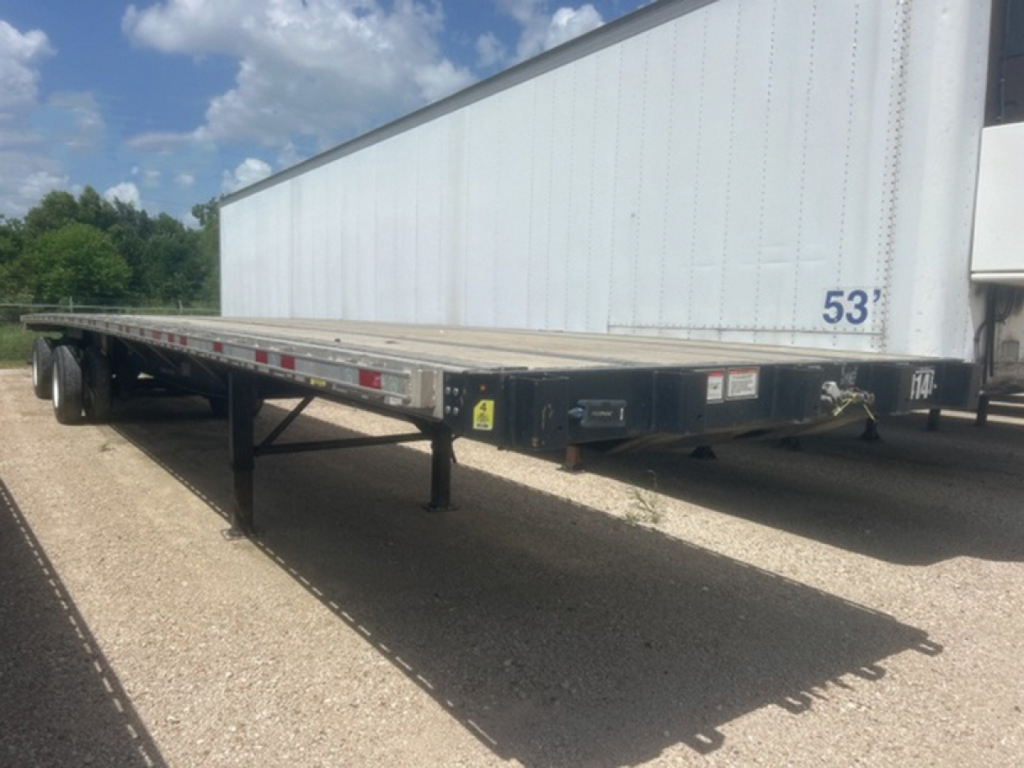
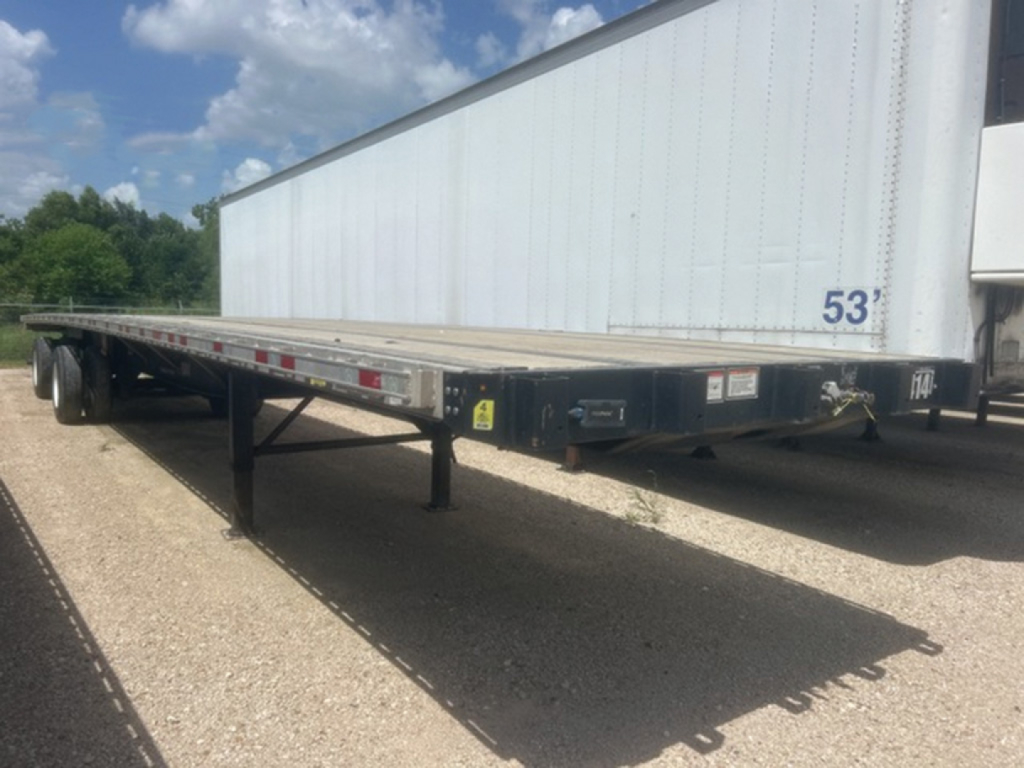
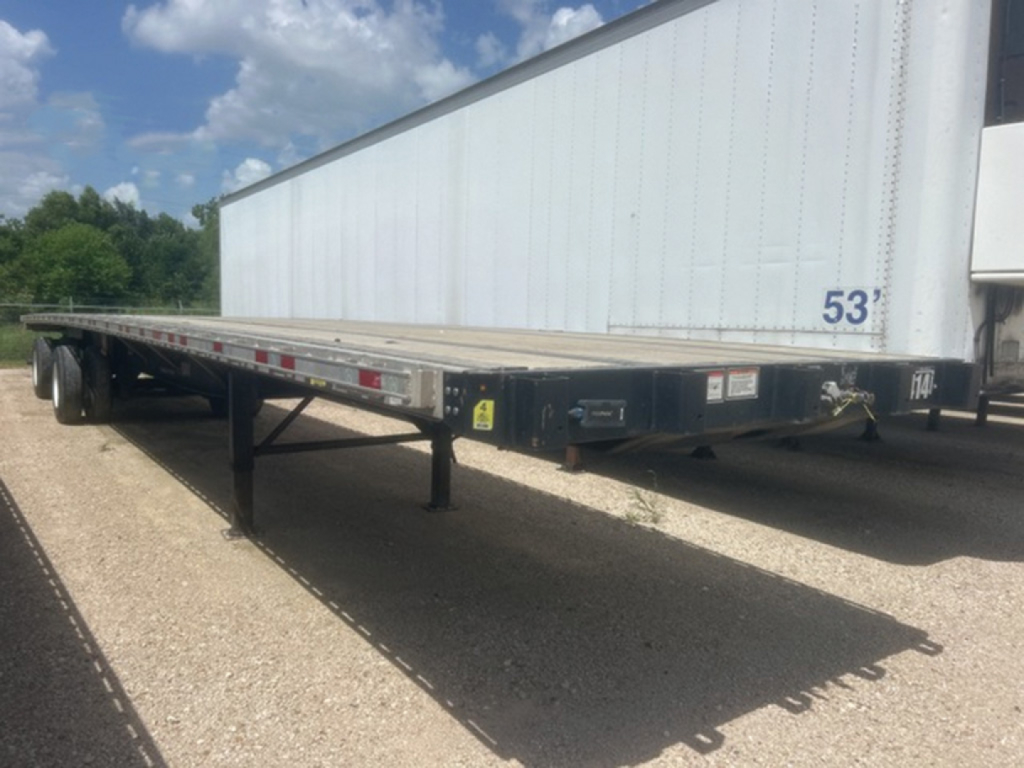
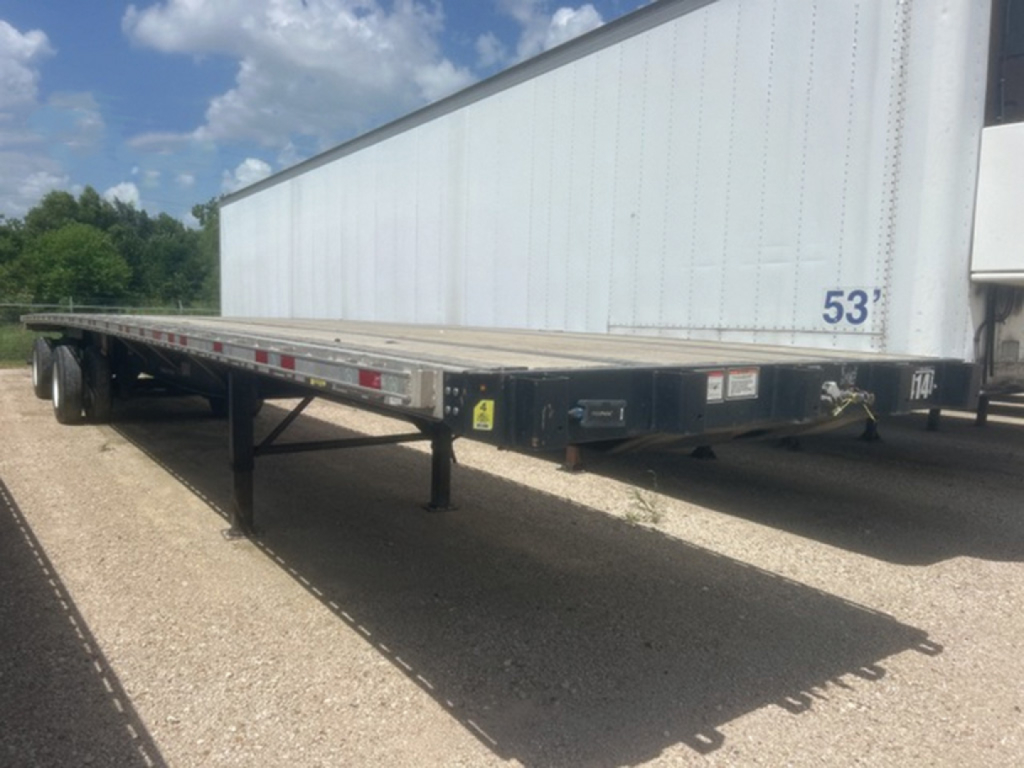
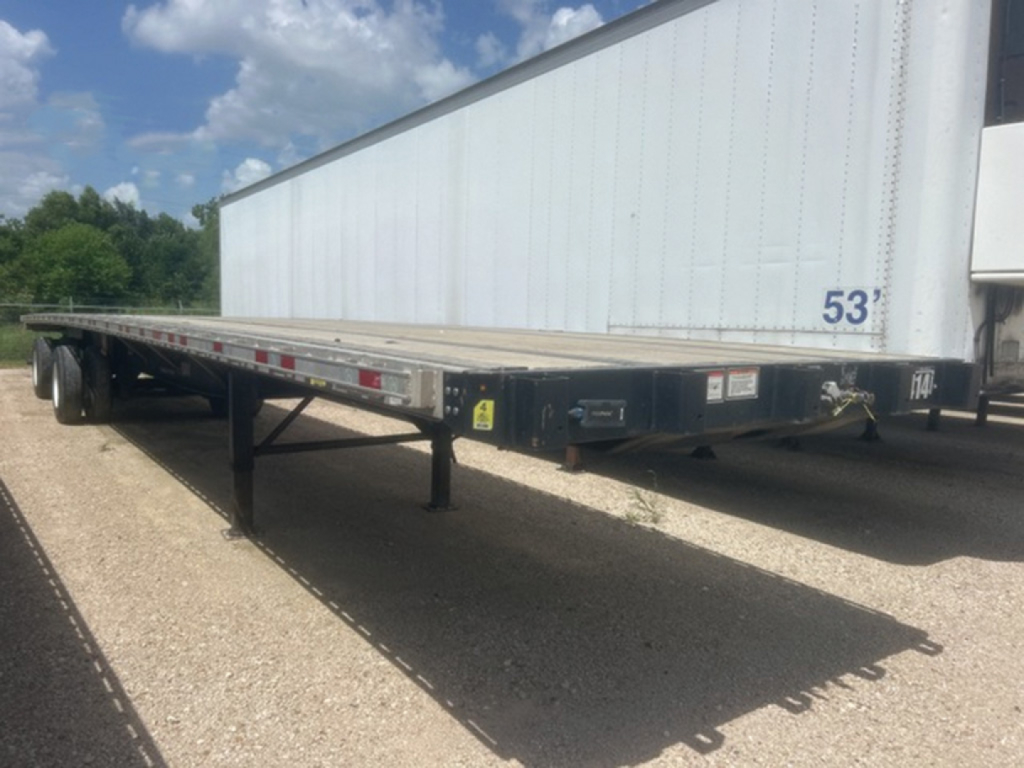
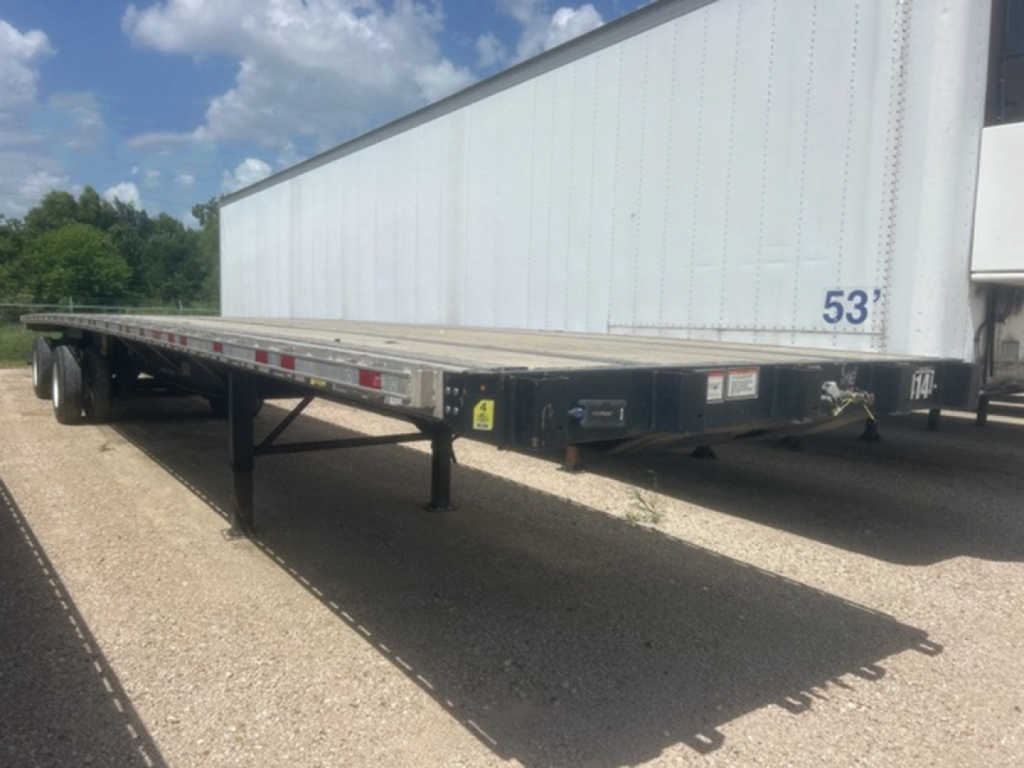
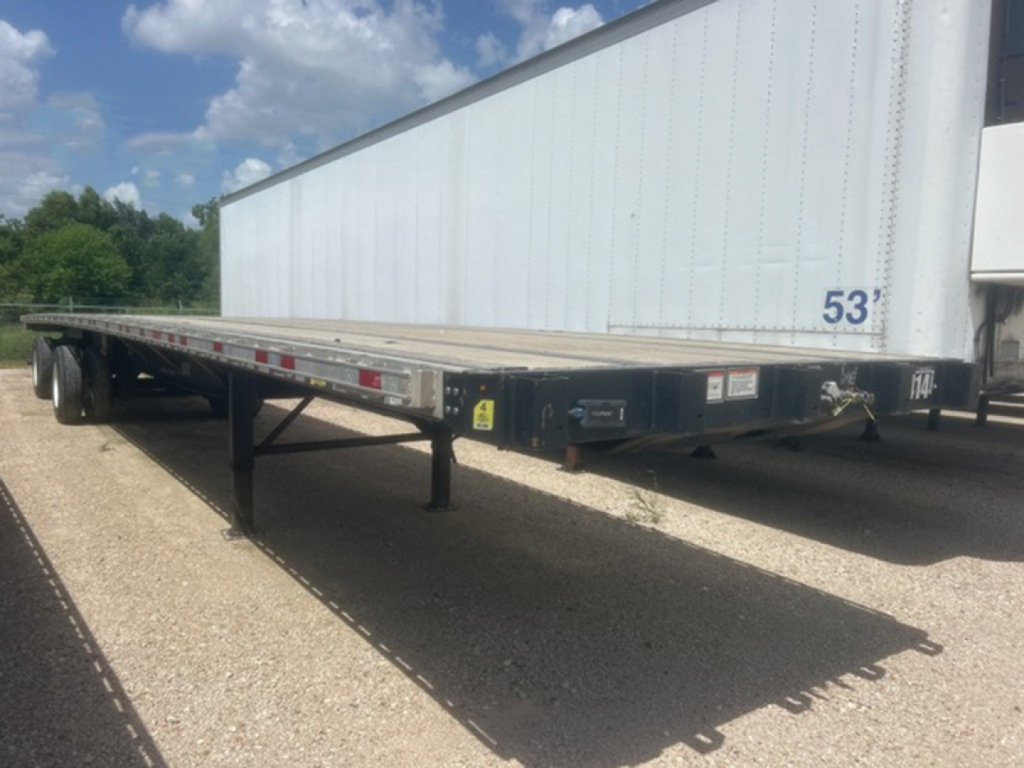
Have used 2024 flatbed trailer to sell? List it here to reach thousands of buyers.
Used 2024 Flatbed Trailers in Texas
Construction details matter because they affect both empty weight and long-term durability. Many late-model flatbeds use an aluminum floor with steel crossmembers or a composite aluminum-and-steel design to balance payload and structural strength. Aluminum trailers generally appeal to buyers chasing every available pound of cargo capacity, while composite designs can offer a practical mix of weight savings and toughness for daily use. Common deck features include nail strips for load securement, sliding winch tracks with movable winches, and double spool setups that make strap management faster. A coil package is worth attention if steel coils are part of the freight mix, since proper coil wells and securement points change what the trailer can legally and safely haul.
Texas buyers often look closely at suspension and tire spec because the trailer may see a mix of interstate miles, oilfield-related freight, rough yard entries, and high-heat operating conditions. Air ride suspension is common on flatbeds in this class because it protects freight better and tends to be preferred for more sensitive or higher-value loads. Spread axles can improve weight distribution and stability, but they also increase scrub in tight turns and may affect bridge law planning depending on the haul. Low-profile 22.5 or 24.5 tires are both common, and tire inflation systems are a useful feature on high-mile trailers because they help manage tire life, reduce roadside failures, and support more consistent operating costs. Wheel type also matters, with aluminum outside wheels or full aluminum disc wheels helping trim weight and improve appearance.
A strong used 2024 flatbed trailer should be evaluated beyond the basic year and brand. Buyers should inspect floor condition, crossmember integrity, winch track wear, rub rail and stake pocket condition, suspension alignment, brake performance, and evidence of overloading or deck damage from concentrated freight. It also pays to confirm kingpin area condition, lighting and wiring reliability, and any signs of frame repairs around the neck or axle mounts. Well-specced flatbeds from builders such as Great Dane, Utility, and Reitnouer are common in the market because they fit a wide range of open-deck freight, from lumber and palletized products to steel, equipment, and machinery. Also known simply as open-deck trailers, flatbed trailers remain one of the most versatile trailer categories for carriers that need maximum loading access from the sides, rear, or overhead crane.
Frequently Asked Questions about Used 2024 Flatbed Trailers in Texas
What length is best for a used 2024 flatbed trailer in Texas, 48-foot or 53-foot?
A 53-foot flatbed trailer usually gives a carrier more freight flexibility because many shippers prefer the extra deck space for longer building products, pipe, and machinery. A 48-foot flatbed can still be the right choice for regional work, certain commodity lanes, and operations that value easier maneuverability at jobsites and customer yards. The better choice depends on the freight profile, lane mix, and how often maximum legal deck length is needed.
What is the advantage of an aluminum or aluminum-and-steel composite flatbed?
An aluminum flatbed reduces trailer weight, which can increase legal payload and improve operating efficiency on weight-sensitive freight. An aluminum-and-steel composite flatbed balances weight savings with structural strength in key areas, which appeals to fleets hauling mixed commodities over long service intervals. Buyers usually compare empty weight, frame design, floor durability, and repair considerations before choosing one construction type over another.
Is a spread axle better than a tandem axle on a flatbed trailer?
A spread axle flatbed can improve weight distribution and often performs well for heavier or more variable open-deck loads. It can also provide good stability on the road, but it creates more tire scrub in tight turns and may be less convenient in confined delivery areas. Tandem axles are often simpler to maneuver and can be a better fit for certain urban or dock-access routes, so the axle setup should match the trailer's normal operating environment.
What flatbed features are most important on a used late-model trailer?
The most important features are usually the securement and running gear specs that affect daily productivity. Sliding winch tracks, movable winches, nail strips, coil packages, air ride suspension, and tire inflation systems all add practical value depending on the freight. Buyers should also pay attention to floor condition, rub rails, stake pockets, brakes, wheel-end condition, and signs of structural stress around the kingpin and suspension mounts.
What can a flatbed trailer typically haul?
A flatbed trailer is built for freight that can be loaded from the side, rear, or above without the enclosure limits of a dry van. Common cargo includes lumber, steel, pipe, machinery, palletized materials, precast products, and general construction freight. The actual hauling capability depends on deck length, axle rating, trailer weight, securement equipment, and whether the trailer includes specialized options such as a coil package.