
New 2027 Drop Deck Trailers For Sale
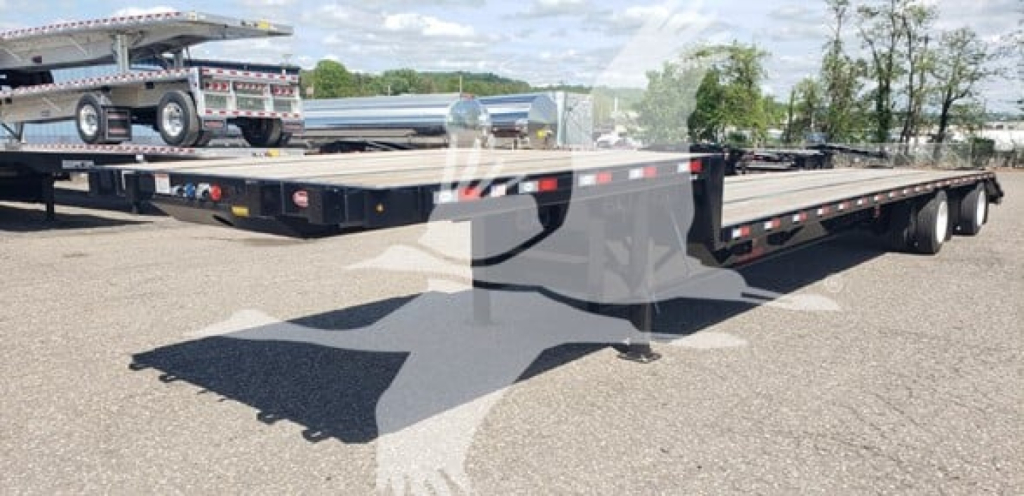
Shop new 2027 drop deck trailers for sale. Compare 53-foot specs, deck height, axle setups, beavertails, ramps, payload, and securement options.
Learn more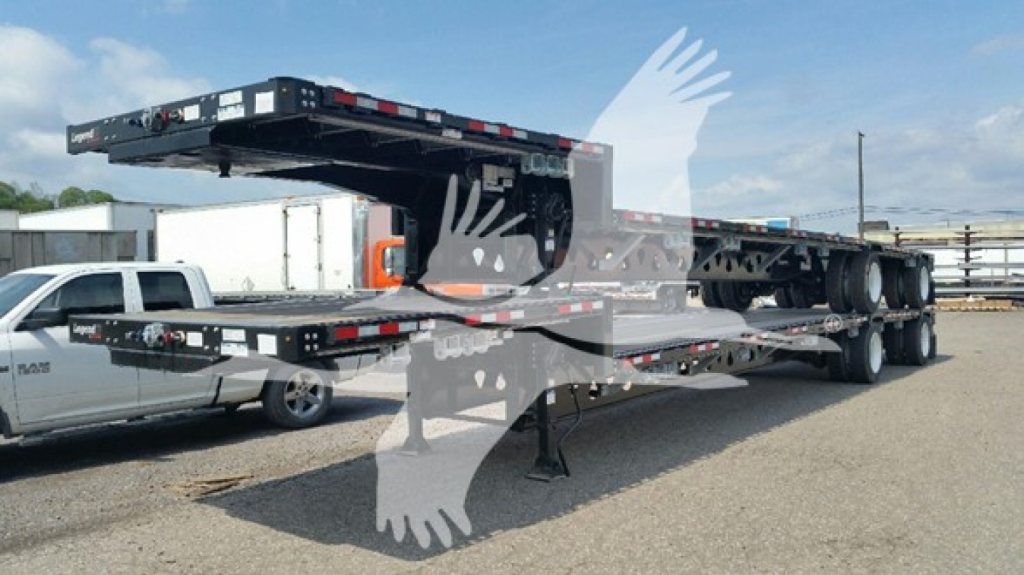
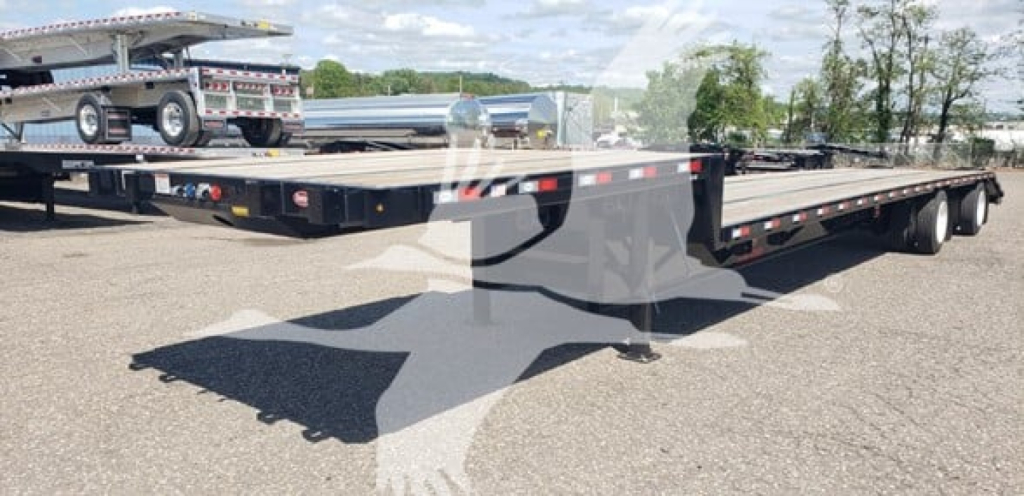
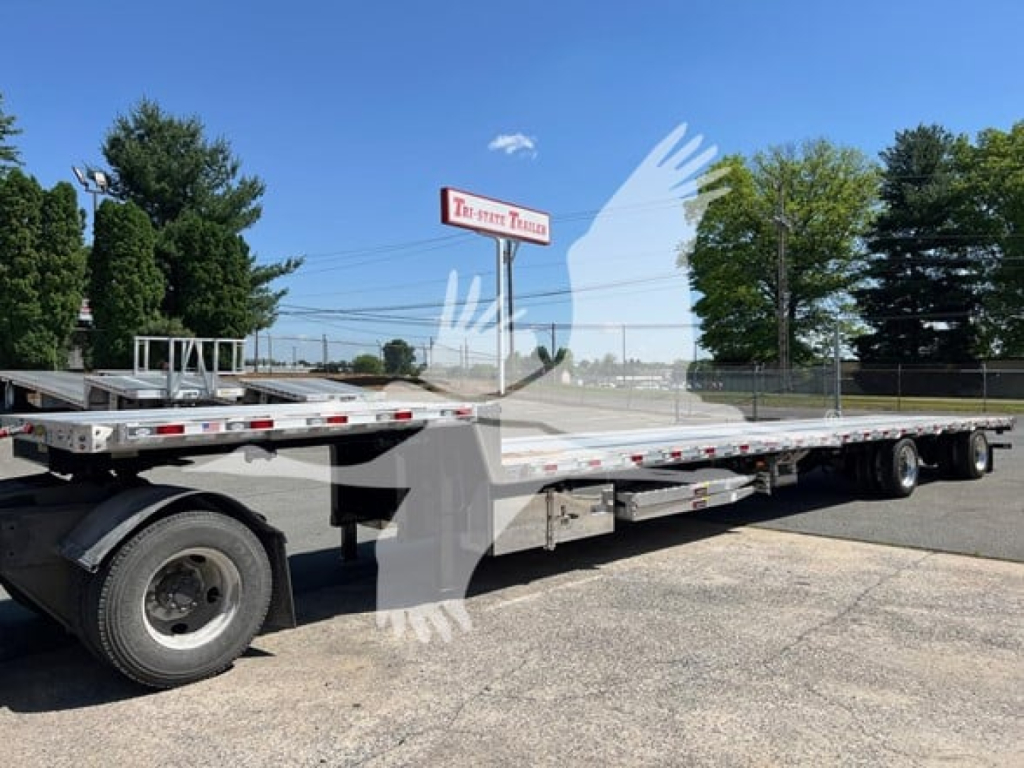
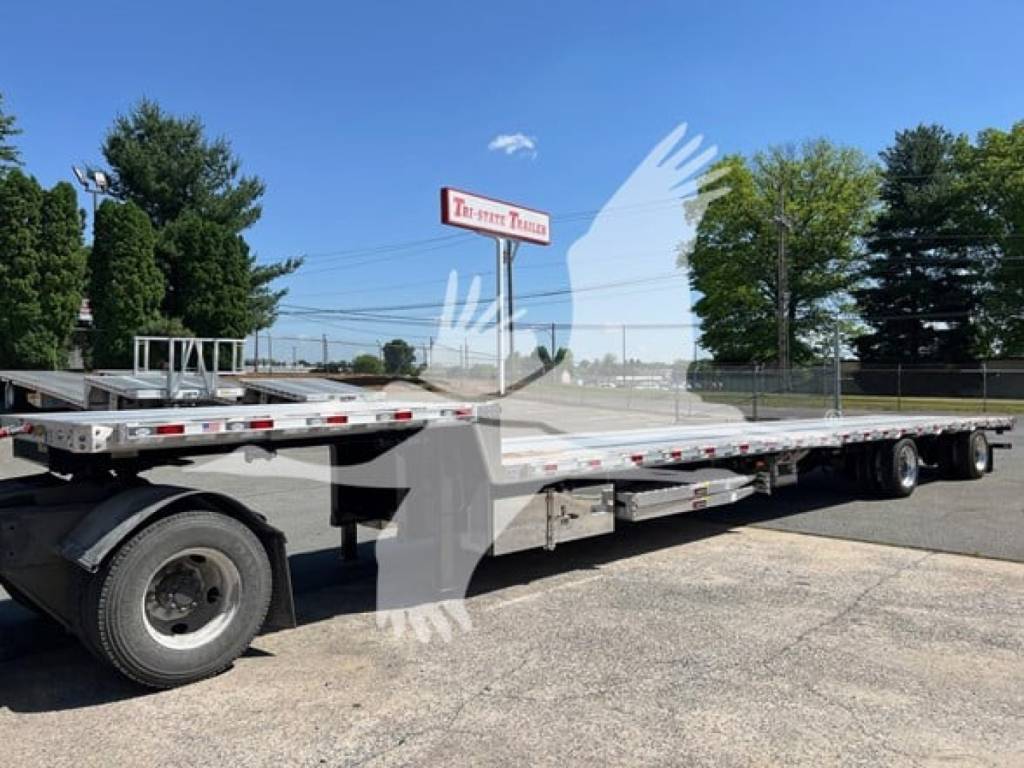
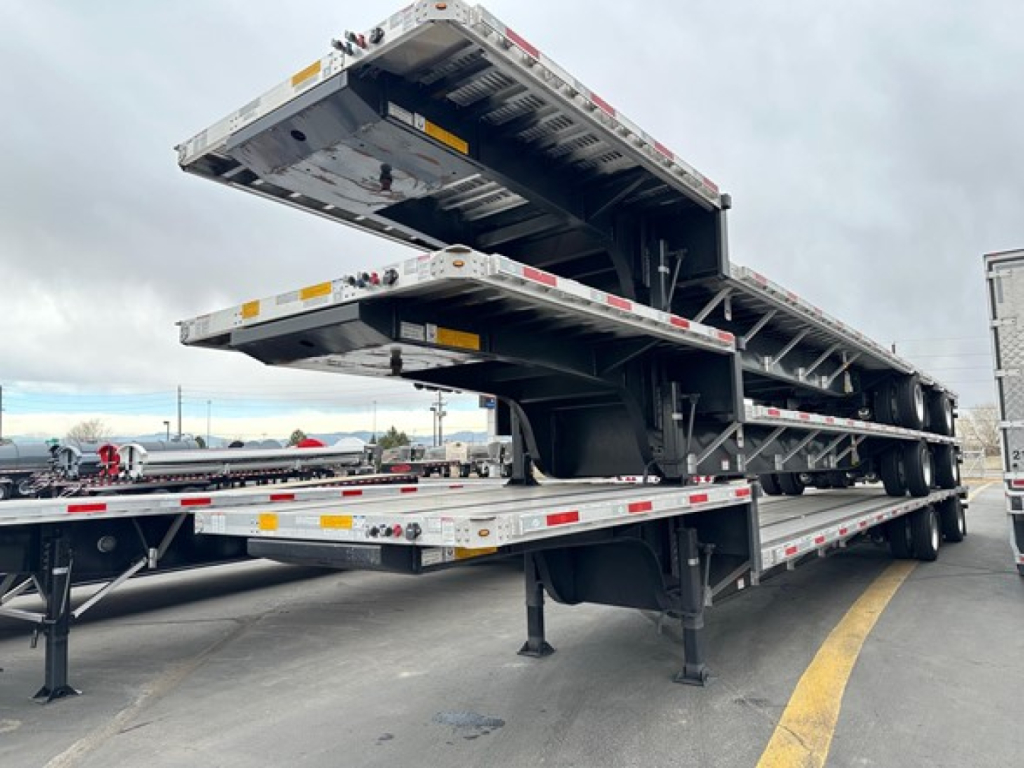
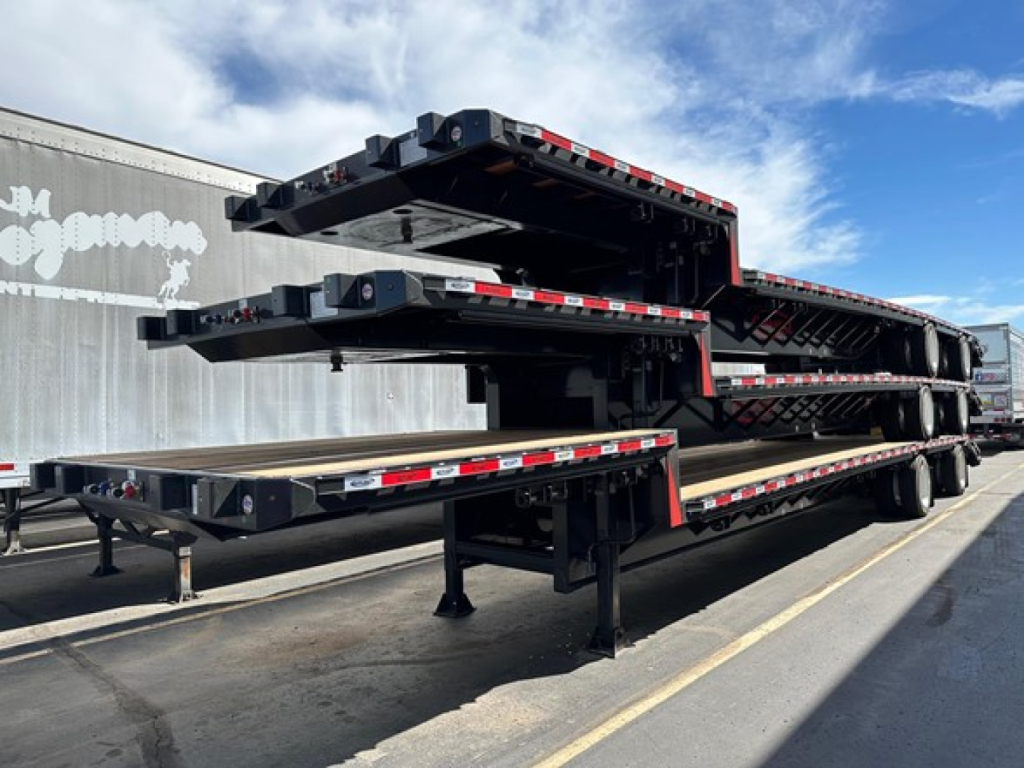
Showing 49 to 57 of 57 results
Have new 2027 drop deck trailer to sell? List it here to reach thousands of buyers.
About New 2027 Drop Deck Trailers
A buyer comparing new drop decks should start with deck construction, weight, and securement layout. Aluminum models typically reduce tare weight and help maximize payload, while steel or combo designs trade some weight savings for durability and lower repair sensitivity in certain applications. Flooring is often aluminum or 1 1/8-inch Apitong, with nail strips still preferred by many operators hauling mixed freight. Crossmember spacing matters if the trailer will see concentrated forklift traffic or heavier point loads. Full coil packages, extra crossmembers, stake pockets, double pipe spools, removable chain tie-downs, and winch tracks all change how flexible the trailer is day to day. If your freight mix includes steel, lumber, machinery, and general commodity loads, these details matter more than brand decals.
Axle setup is another major decision point. Many new 2027 drop deck trailers use tandem air ride suspensions from suppliers like Hendrickson, often with a fixed or sliding spread. A sliding rear axle can help with bridge compliance and regional laws, while a closed spread may matter for California-legal operation. Buyers should also look closely at kingpin setting, suspension spread, tire size, landing gear spec, and wheel material, especially if the trailer will run across multiple states with varying axle and bridge requirements. Common tire sizes include low-profile 22.5 rubber and some 19.5 setups, depending on ride height and intended application. Air dump valves, scale gauges, and lift or ramp provisions can also affect loading efficiency and routing flexibility.
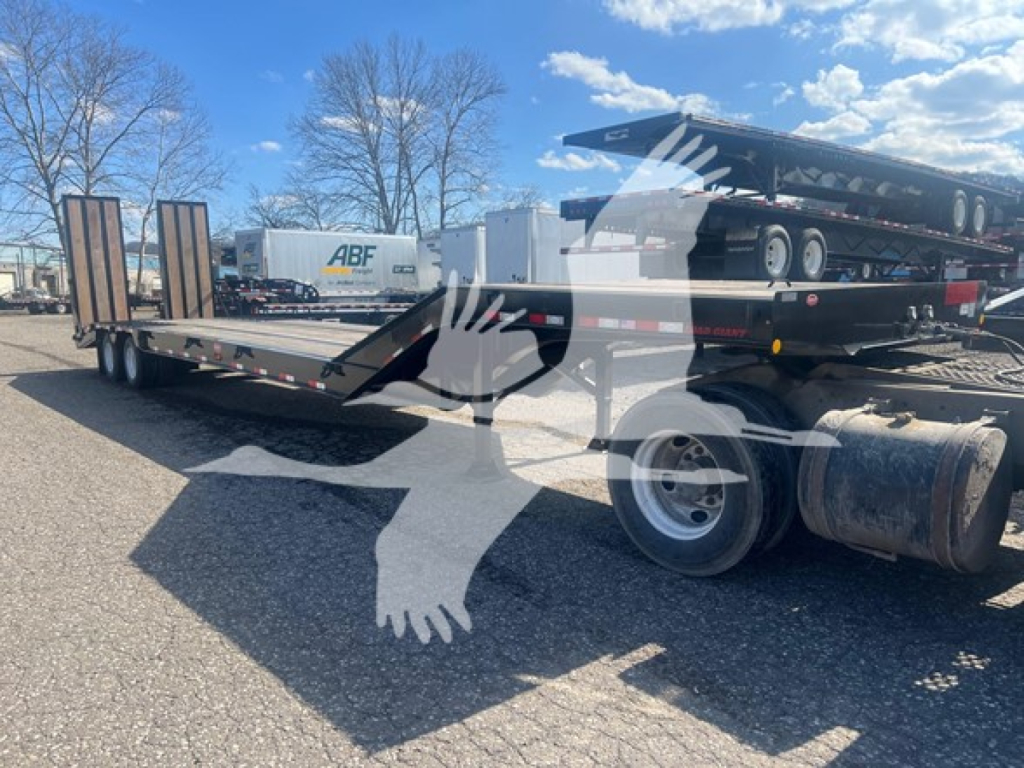
If the trailer will regularly load equipment, a beavertail and ramp package can be worth more than raw payload. Spring-assisted flip ramps, traction bars on the beavertail, and provisions for a future third ramp are common on equipment-oriented drop decks. For general freight, many buyers prefer a clean rear deck with more usable loading space and a lighter trailer. The right 2027 step deck depends on the freight profile first: deck height for legal clearance, floor and crossmember strength for loading method, and securement hardware for the commodities actually hauled. A well-spec'd drop deck trailer should match your cargo, your operating region, and the way your drivers load and secure freight every day.
Frequently Asked Questions
What is the difference between a drop deck trailer and a flatbed trailer?
A drop deck trailer has two deck levels: a raised upper deck near the tractor and a lower main deck behind it. That lower deck height allows taller freight to be hauled while staying within legal height limits that would be difficult or impossible on a standard flatbed. Flatbeds are often simpler and lighter, but drop decks are preferred when cargo height is the limiting factor.
What size is a typical new 2027 drop deck trailer?
The most common size is 53 feet long and 102 inches wide. In that configuration, the upper deck is often about 10 feet 6 inches to 10 feet 8 inches, and the main deck is usually around 38 to 42 feet depending on whether the trailer has a beavertail or special rear configuration. Loaded main deck height commonly lands near 40 to 41 inches, which is one of the main reasons buyers choose this trailer class.
Should I choose aluminum, steel, or combo construction on a drop deck trailer?
Aluminum drop decks are attractive when payload is the priority because they usually carry less tare weight. Steel trailers are often favored in tougher applications where impact resistance, repair familiarity, and lower upfront cost matter more. Combo trailers split the difference by using steel in key structural areas with aluminum deck or rail components, which can be a practical choice for fleets hauling a mix of machinery and general freight.
Do I need a beavertail and ramps on a drop deck trailer?
A beavertail and ramp package is most useful when the trailer will load self-propelled equipment such as skid steers, small tractors, compact construction machines, or other wheeled units. For general commodity freight, those features add weight and can reduce usable deck flexibility. Buyers focused on palletized freight, steel, pipe, or building products often prefer a straight deck setup, while equipment haulers usually benefit from the easier loading angle of a beavertail and flip ramps.
What specs matter most when comparing new drop deck trailers for heavy or specialized freight?
Deck height, concentrated load rating, crossmember spacing, axle configuration, and securement hardware are usually the biggest factors. Buyers hauling coils, machinery, or dense freight should pay close attention to coil package reinforcement, extra crossmembers, side rail design, chain tie-down capacity, and suspension rating. Kingpin setting, spread axle arrangement, and dump valve features also matter because they affect bridge law compliance, turning behavior, and loading performance.