
New 2027 Dura Haul Drop Deck Trailers For Sale
New 2027 Dura Haul drop deck trailers for sale. Compare 48' and 53' steel configurations with air ride, beavertails, ramps, and winch packages.
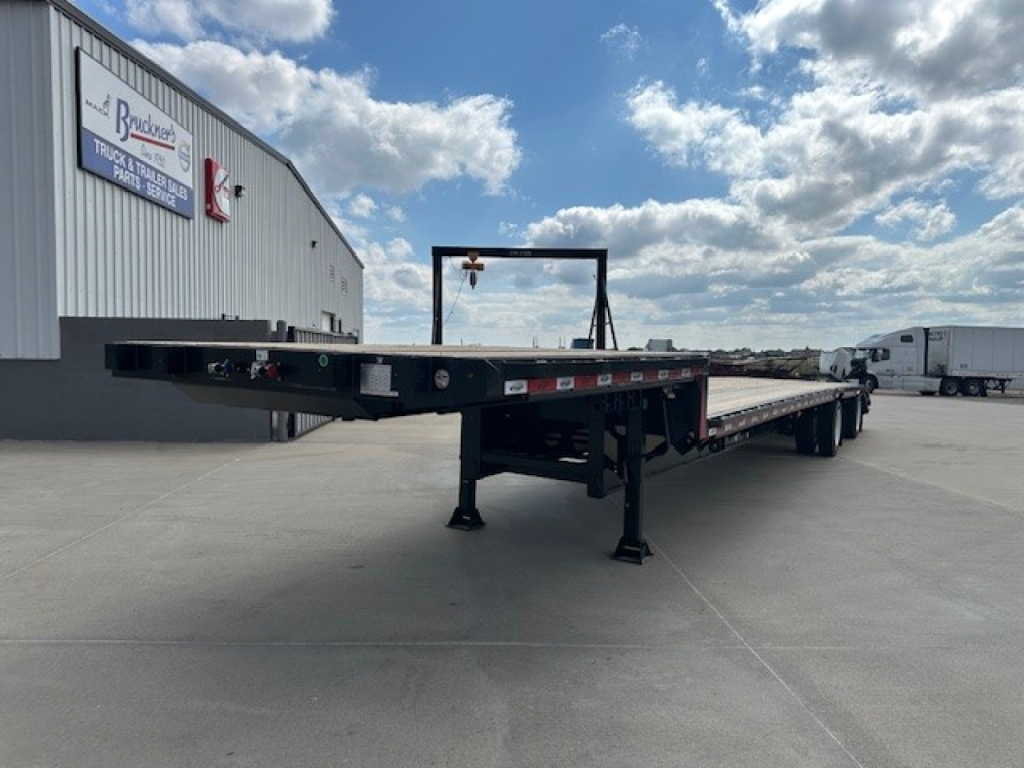
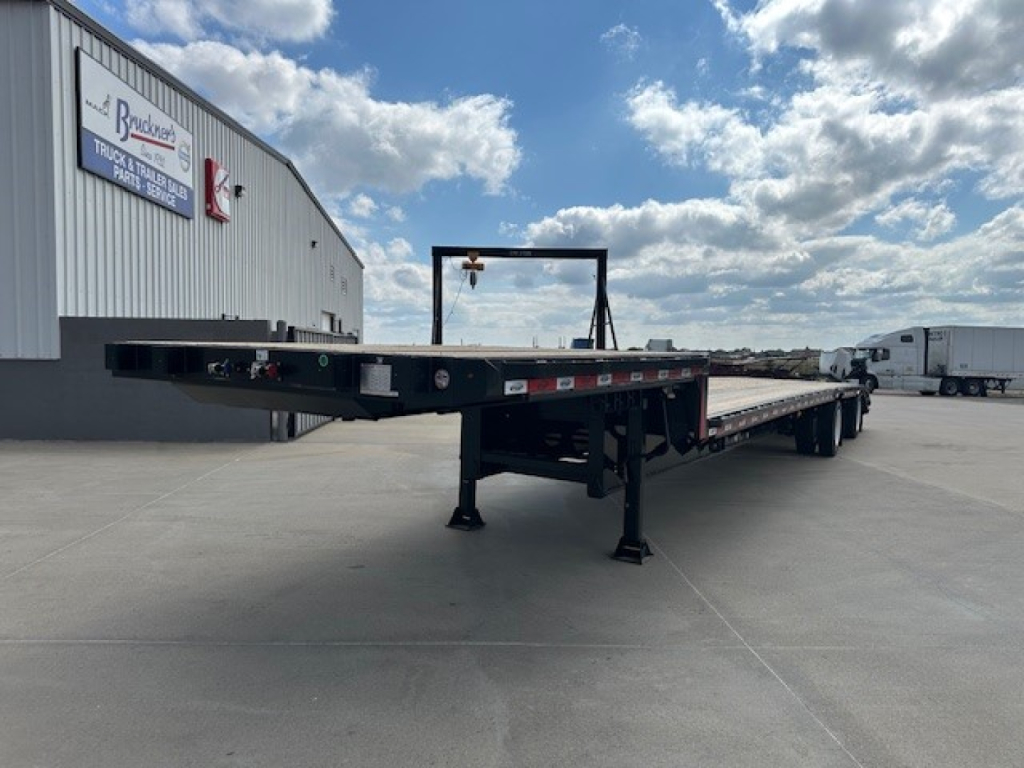
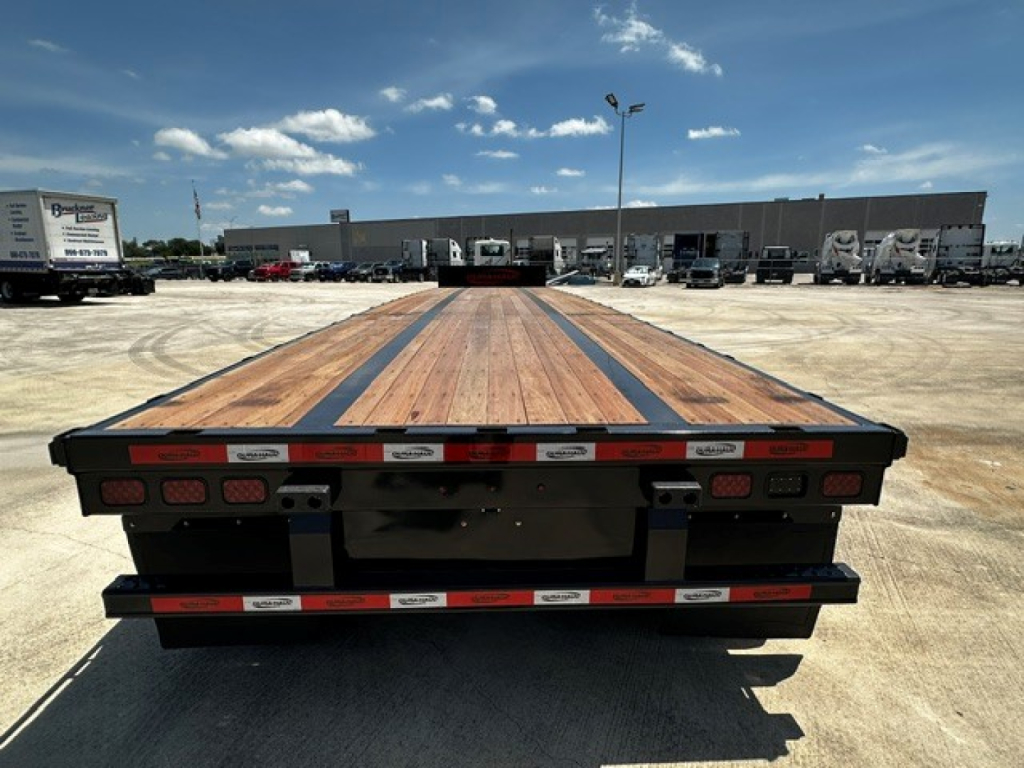
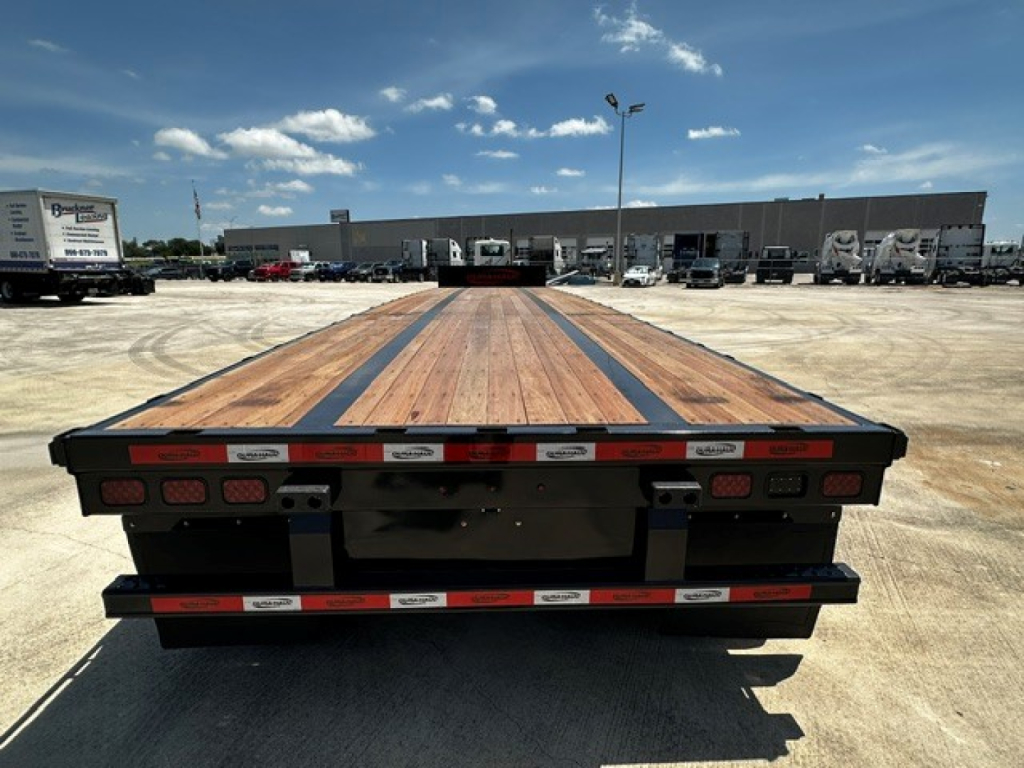
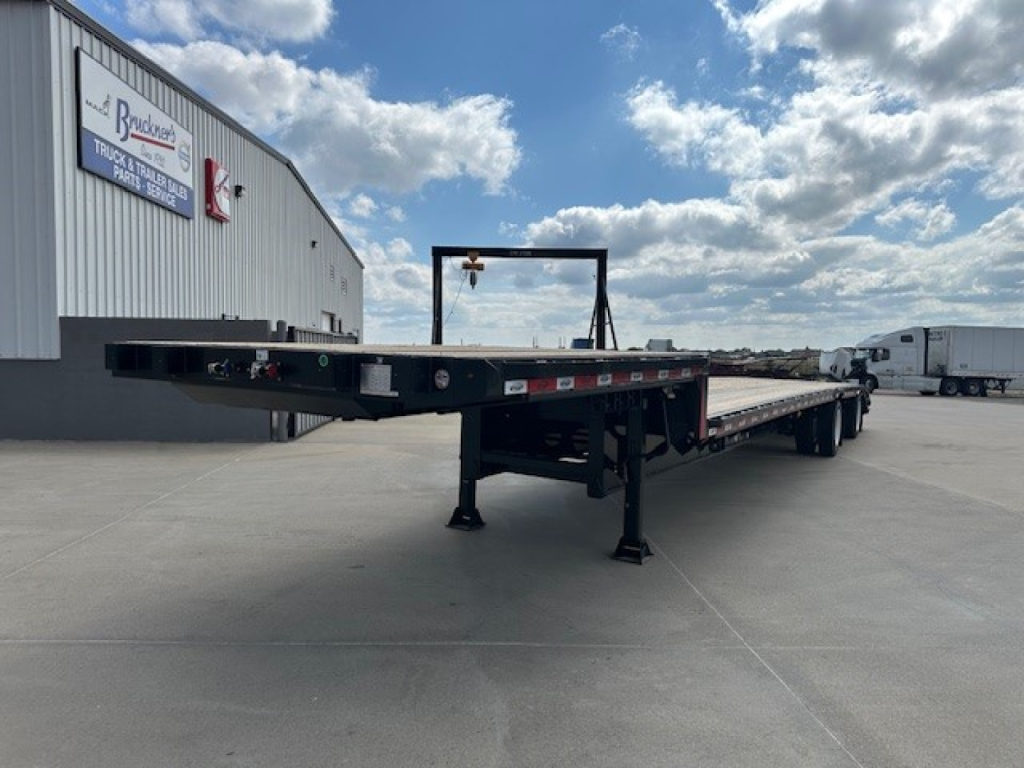
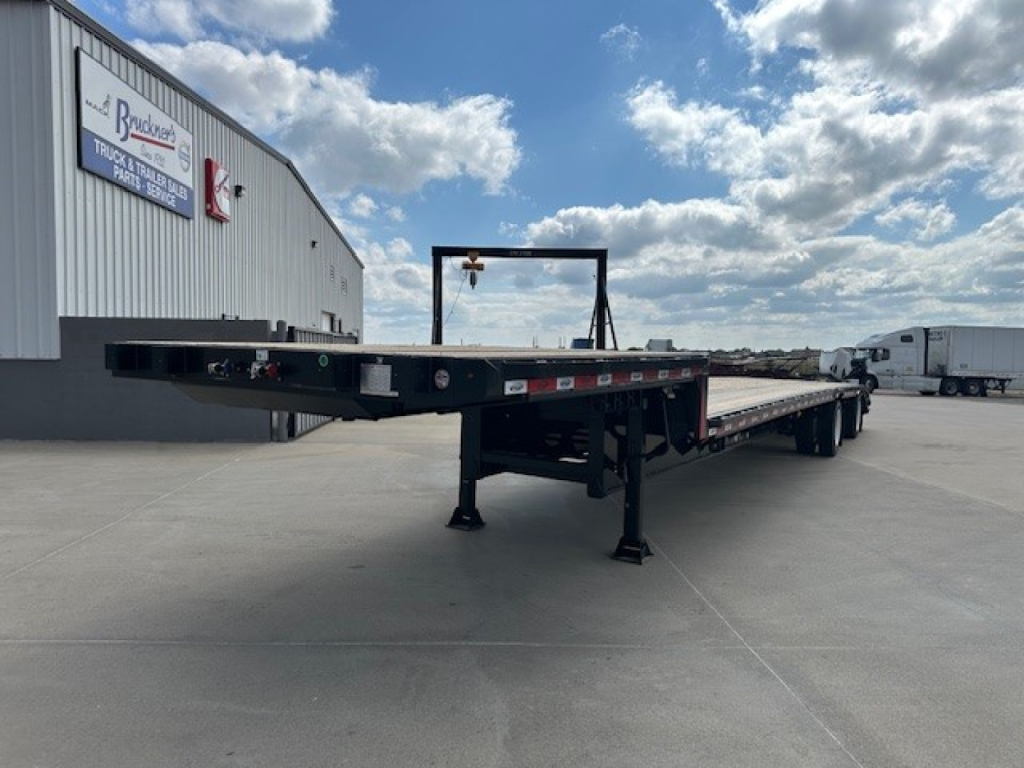
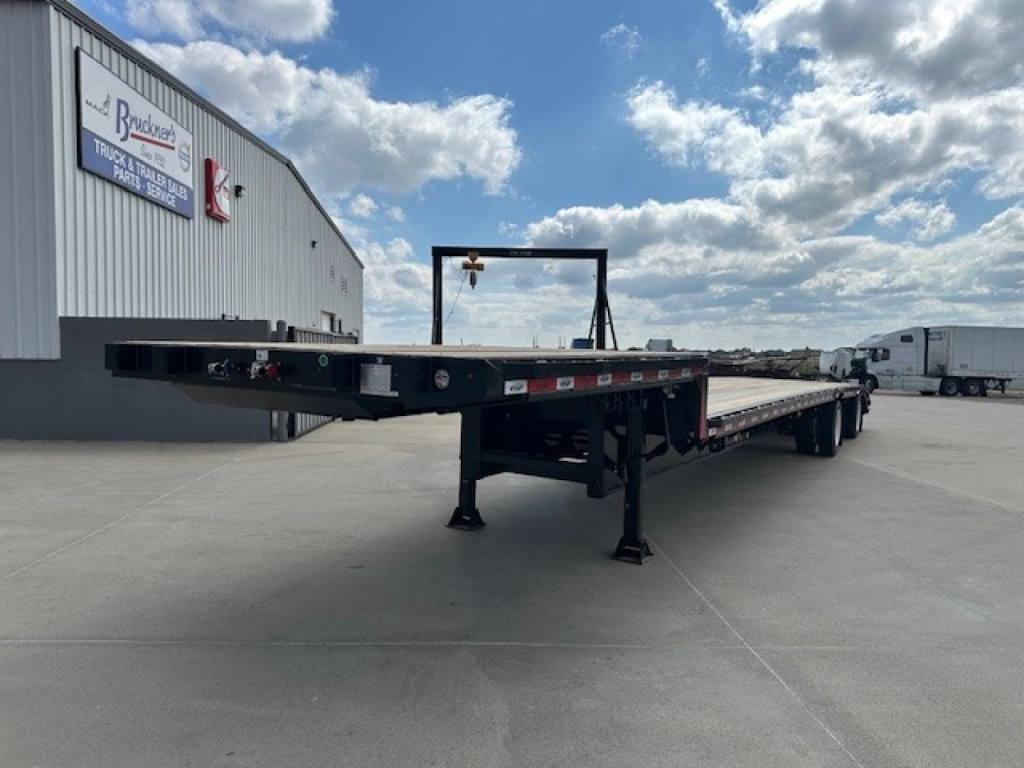
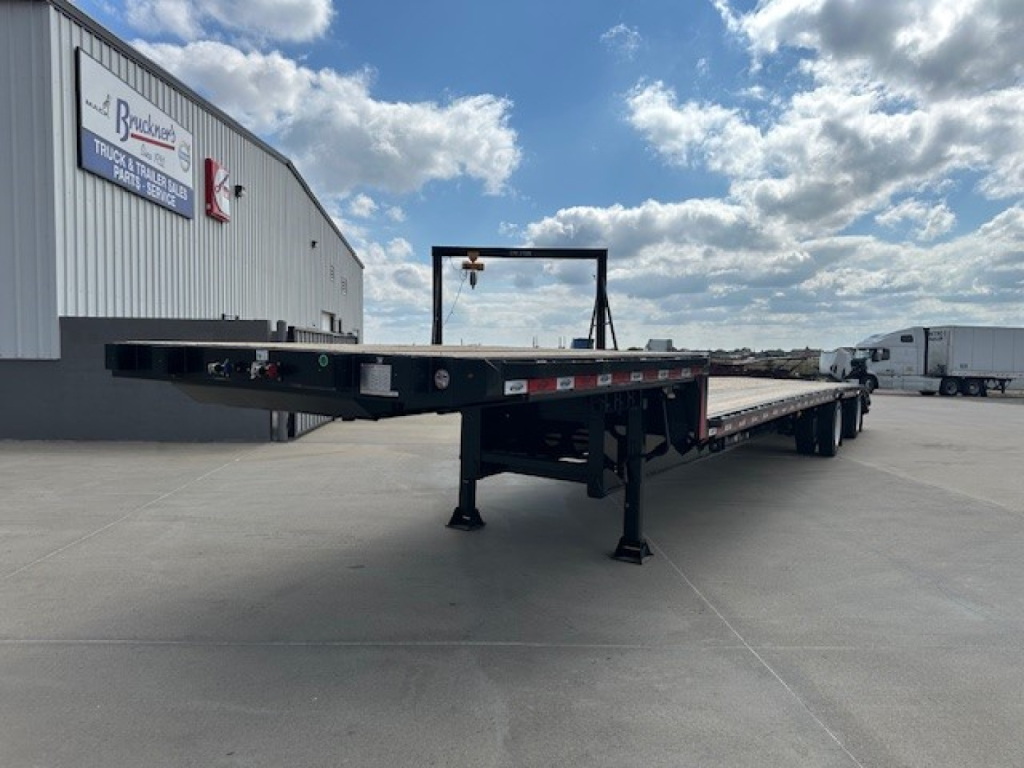
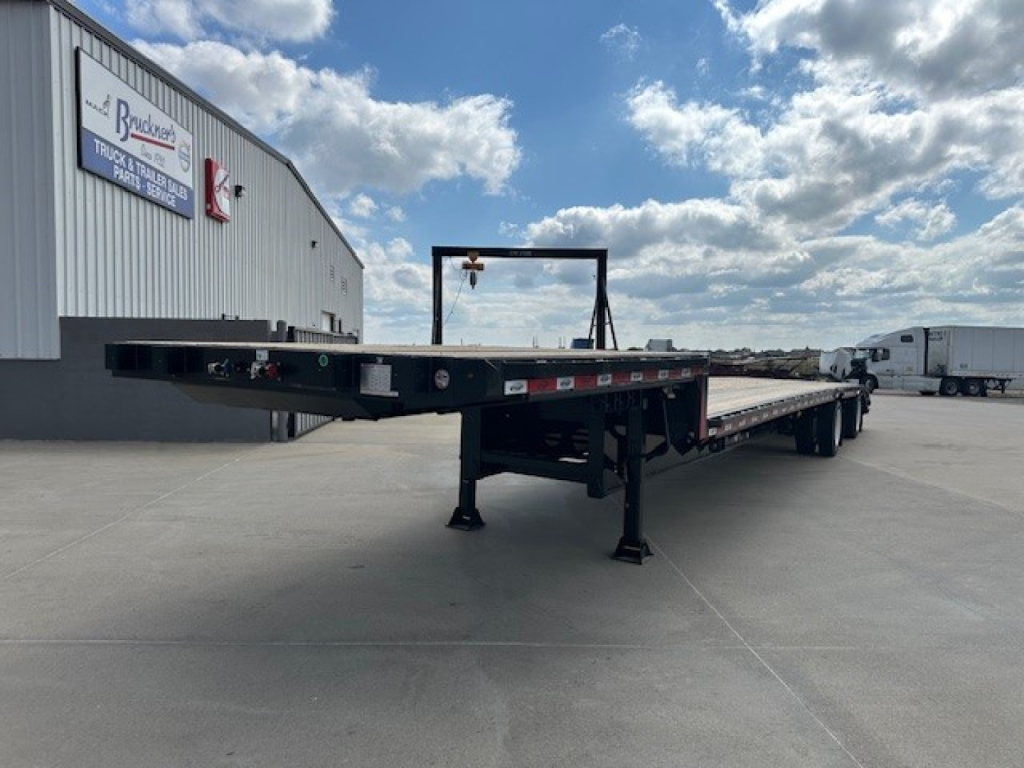
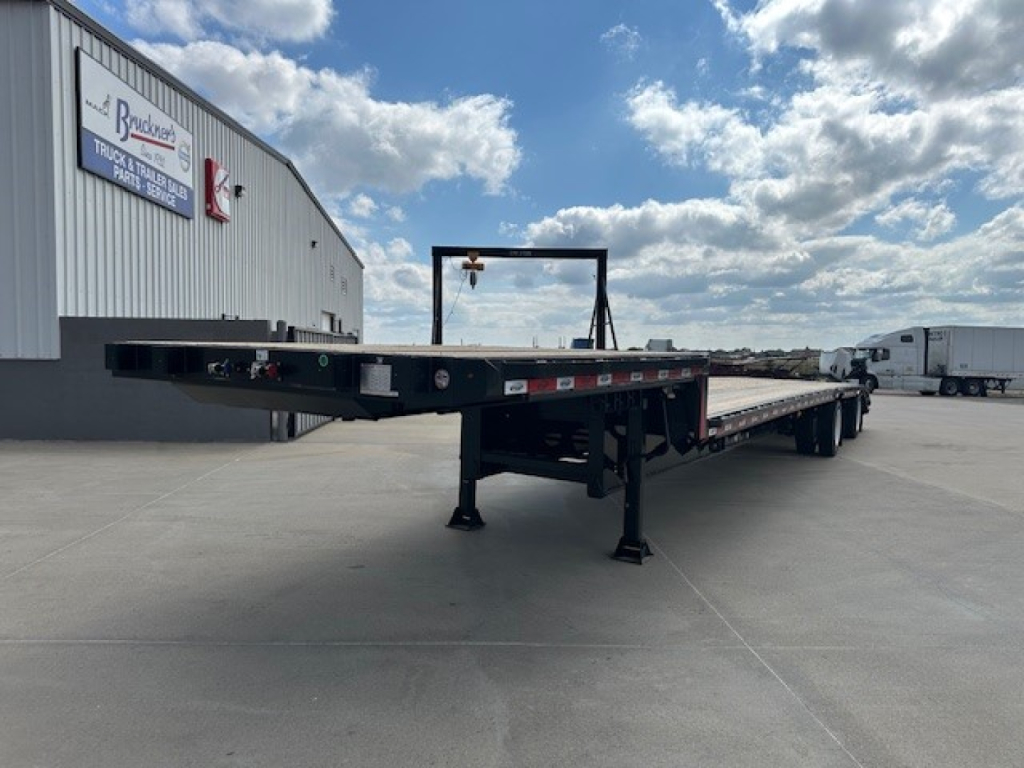
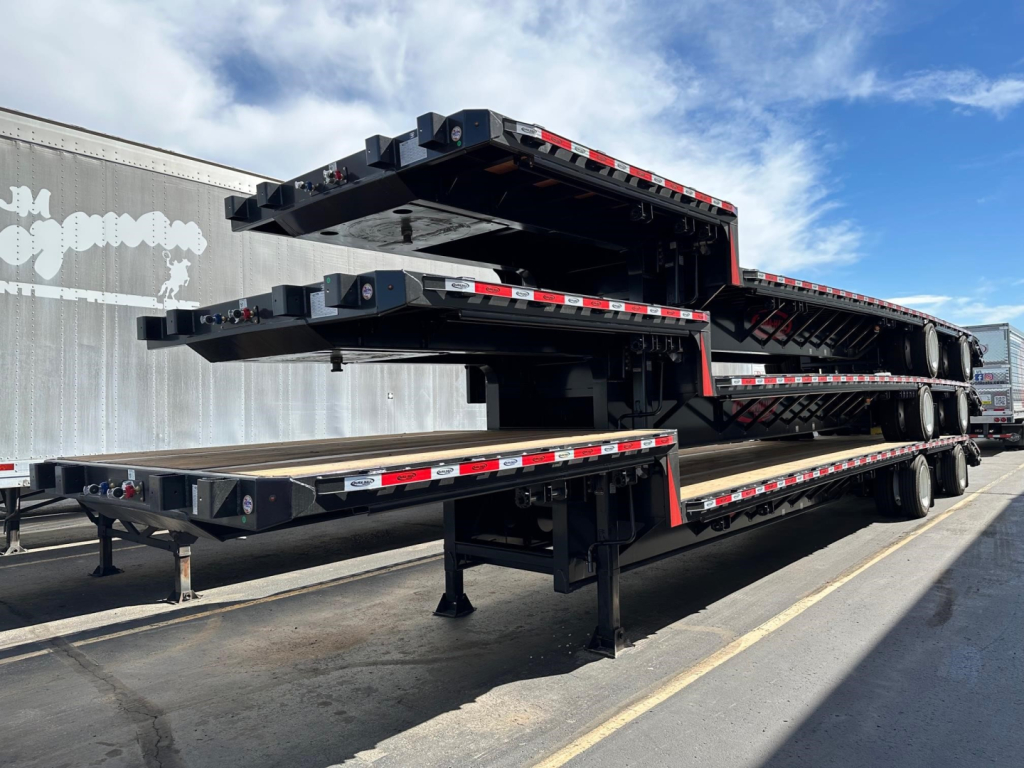
Selling a new 2027 dura haul drop deck trailer? List your new 2027 dura haul drop deck trailer for sale and reach thousands of commercial buyers.
New 2027 Dura Haul Drop Deck Trailers
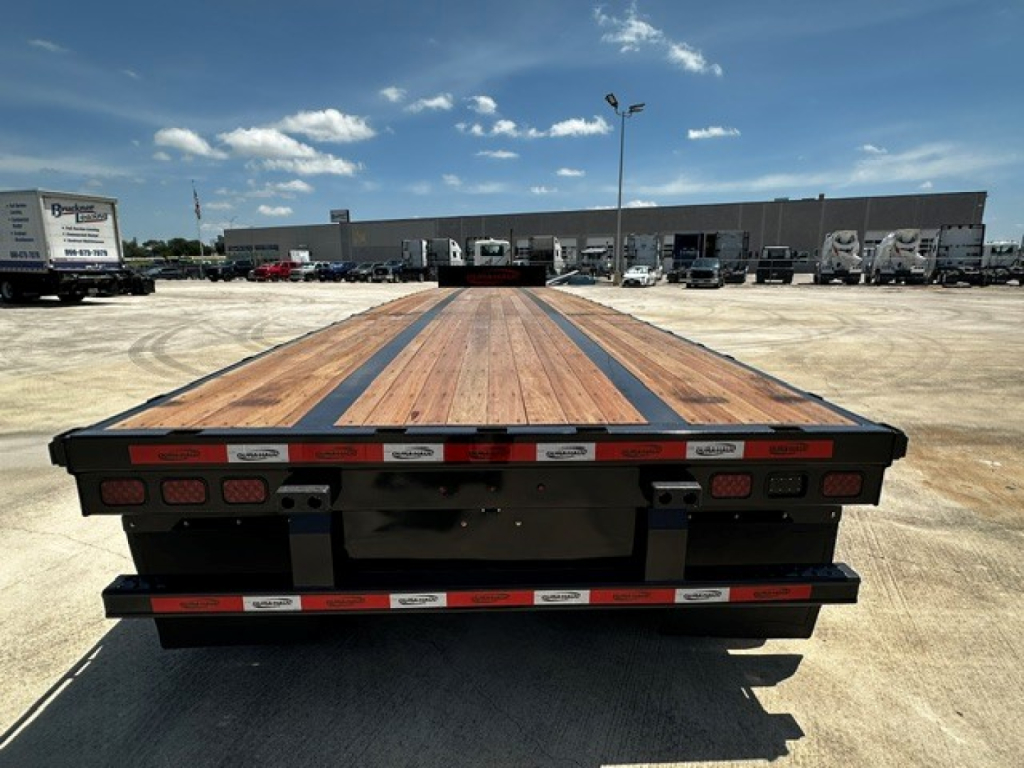
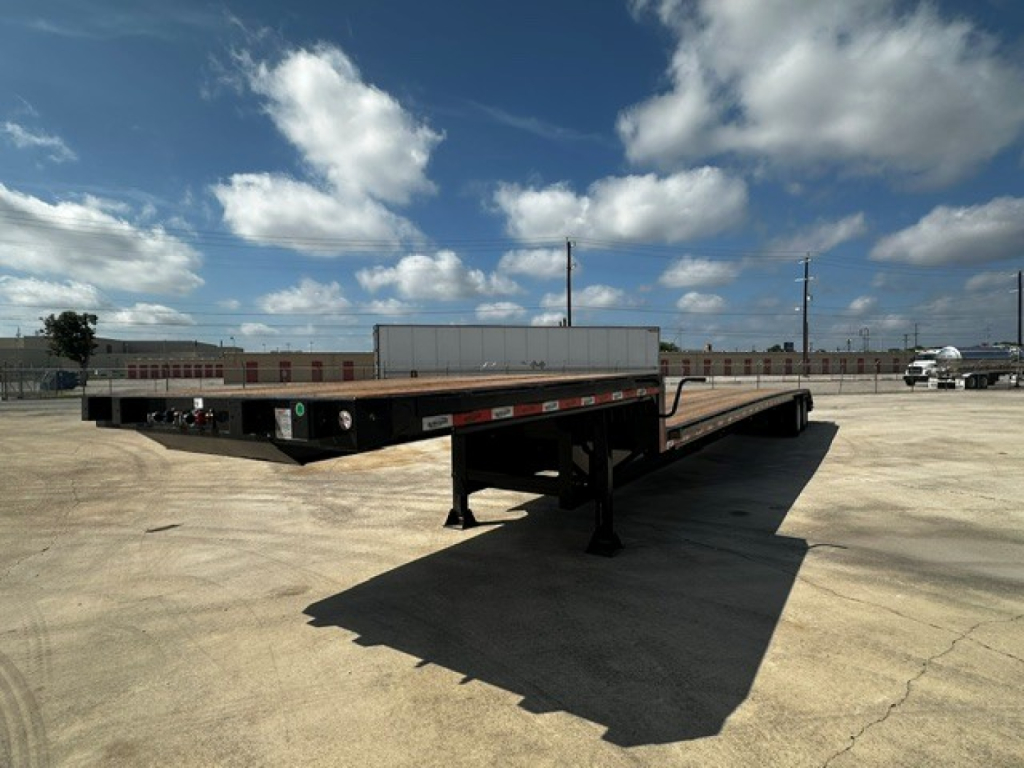
Dura Haul drop decks in this class are typically steel trailers with 102-inch overall width, air ride suspension, Jost heavy-duty 2-speed landing gear, 255/70R22.5 tires, and steel wheels. Several specs matter more than buyers sometimes expect. Crossmember spacing at 12 inches on center supports concentrated forklift traffic and heavier point loads better than lighter-duty layouts. Apitong decking is a common choice because it holds up well under equipment loading and repeated tie-down use. Stake pockets, double pipe spools, and sliding winches are important if the trailer will handle irregular freight instead of dedicated machinery moves. A liquid-filled air gauge and dump valve at the rear can also save time at the dock or during loading by helping the operator control deck height and suspension response.
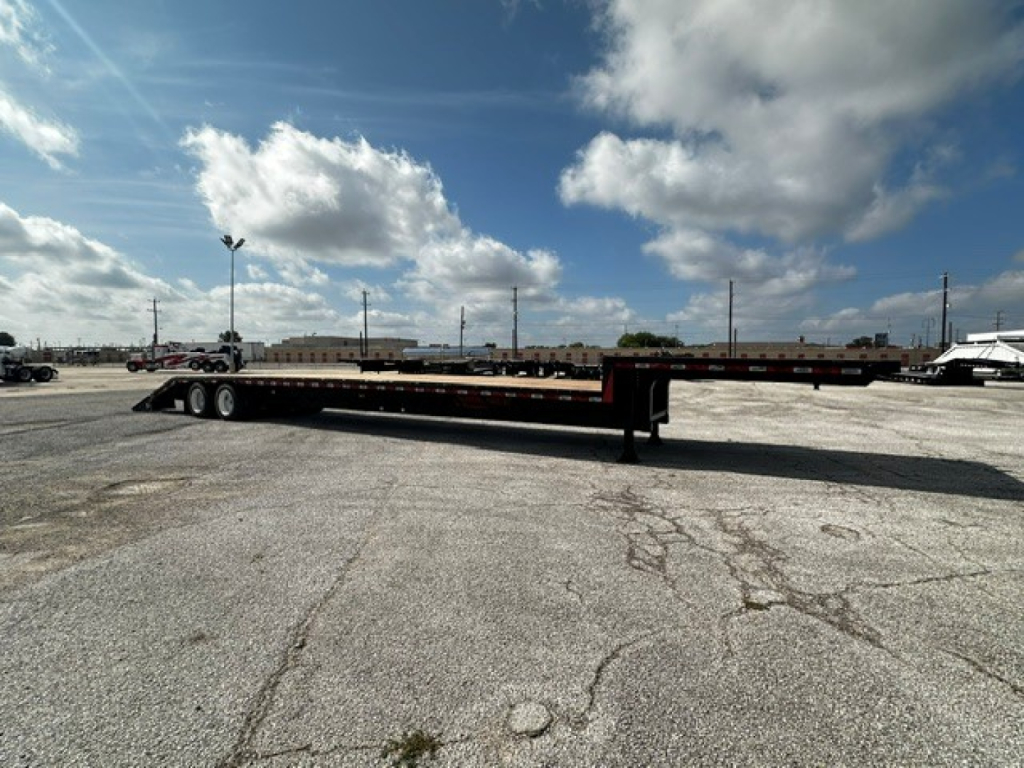
Beavertail and ramp configuration deserves close attention. A 53-foot drop deck with a beavertail and flush-mount spring-assisted ramps is a practical setup for compact machines, scissor lifts, skid steers, and other wheeled or tracked equipment that benefit from drive-on loading. A straight 48-foot spread-axle drop deck may be a better fit for general freight, longer lower-deck loading area, and bridge-law flexibility depending on your lanes. Closed tandem versus spread axle is not a minor choice. A closed tandem can be simpler to maneuver in tighter yards and urban deliveries, while a 122-inch spread axle can improve weight distribution and deck stability on certain loads, though it may introduce tire scrub and turning limitations in some applications.
When comparing new drop deck trailers for sale, pay attention to lower-deck length, loaded deck height, ramp angle, suspension type, tie-down package, and how the kingpin setting and axle spacing align with your tractors and the states you run most. Steel construction generally brings durability and repair familiarity, but tare weight still matters if you are trying to preserve payload on denser freight. For buyers hauling mixed commodities, the best drop deck is usually the one with the most usable securement options and the fewest loading compromises. For buyers focused on equipment transport, ramp design, beavertail length, deck traction, and crossmember strength will matter more than small differences in overall trailer length.
Frequently Asked Questions about New 2027 Dura Haul Drop Deck Trailers
What is the difference between a drop deck trailer and a flatbed trailer?
A drop deck trailer, also called a step deck trailer, has two deck levels instead of one continuous deck like a flatbed. The lower deck sits closer to the ground, which allows taller freight to move within legal height limits more easily. That makes a drop deck a better choice for machinery, taller palletized freight, and freight that would exceed height on a standard flatbed.
Should I choose a spread axle or closed tandem drop deck trailer?
A spread axle drop deck can offer better weight distribution and stability for certain loads, and it is often preferred for longer or heavier freight on the lower deck. A closed tandem is usually easier to maneuver in tight spaces and may be more practical for regional work with frequent turns, docks, or crowded job sites. The right choice depends on your route restrictions, axle-weight needs, and how often you load in confined areas.
Why does a beavertail and ramp package matter on a drop deck trailer?
A beavertail with ramps makes the trailer more useful for self-propelled equipment such as skid steers, compact tractors, scissor lifts, and small construction machines. It improves loading angle and reduces the need for separate loading equipment. Buyers hauling mostly general freight may prefer a standard rear deck for maximum usable flat loading space, but equipment haulers usually benefit from an integrated ramp setup.
What specs matter most when comparing new drop deck trailers?
The most important specs are overall trailer length, upper-deck and lower-deck length, loaded deck height, axle configuration, suspension type, crossmember spacing, deck material, and securement equipment such as sliding winches, stake pockets, and pipe spools. Tire size, landing gear quality, and rear suspension controls also matter because they affect serviceability and day-to-day loading efficiency. These details determine how well the trailer fits your freight mix and operating lanes.
Is a steel drop deck trailer a good choice for heavy-duty use?
A steel drop deck is a strong fit for buyers who prioritize durability, repair familiarity, and resistance to hard use in construction, machinery, and mixed open-deck freight service. Steel trailers can be easier to repair in many shops and handle repeated loading abuse well. The tradeoff is that steel construction can add tare weight compared with some aluminum or combo designs, so payload-sensitive operations should compare weight and structure carefully.