
New 2027 Manac Drop Deck Trailers For Sale
Shop new 2027 Manac drop deck trailers with specs buyers want, including steel, combo, and aluminum designs for freight and equipment hauling.
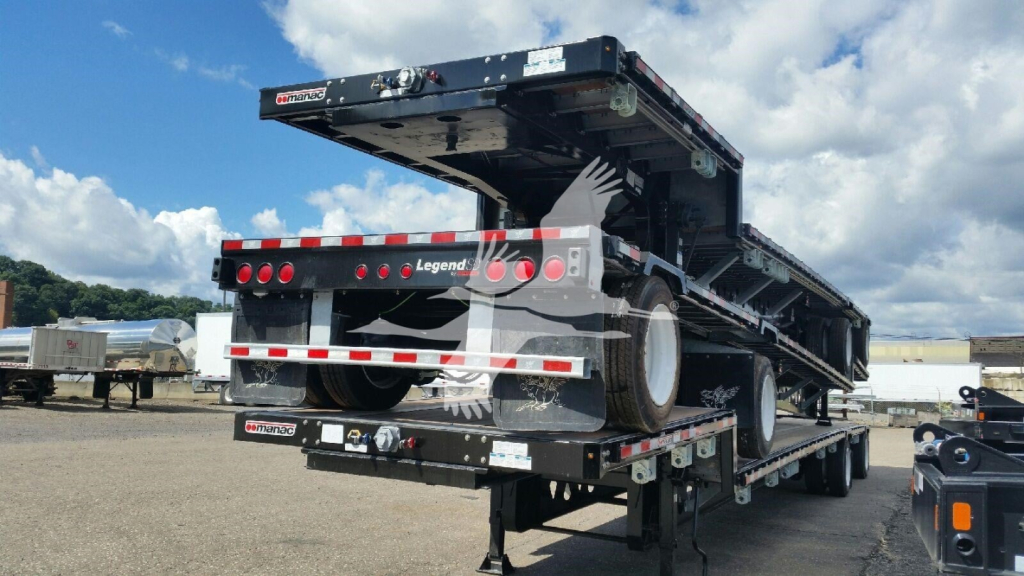
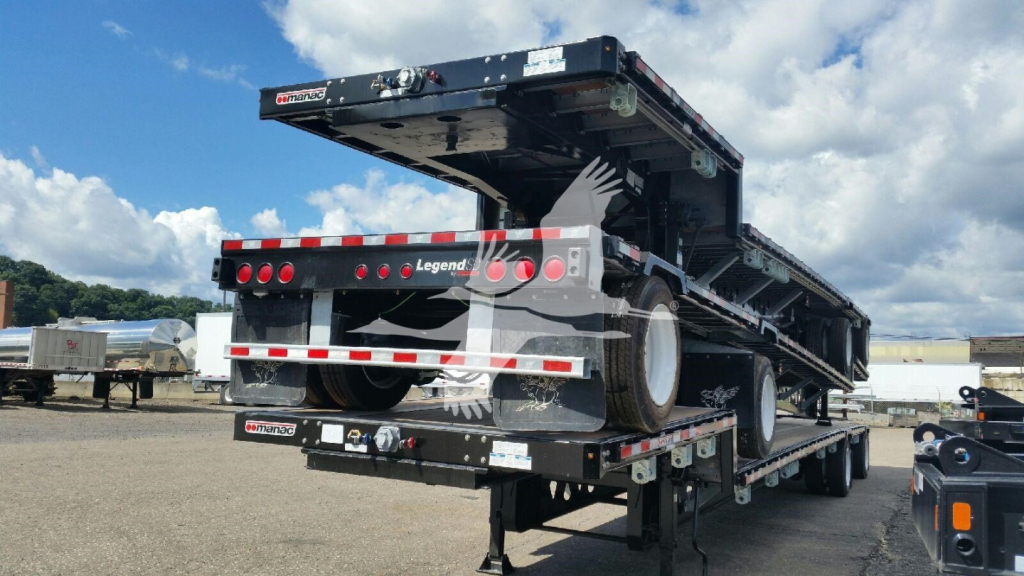
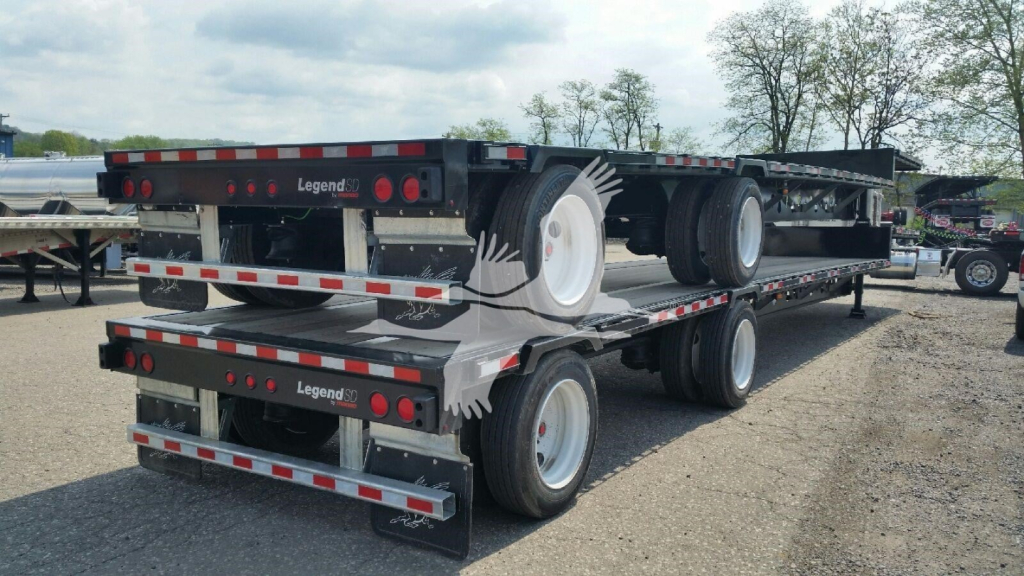
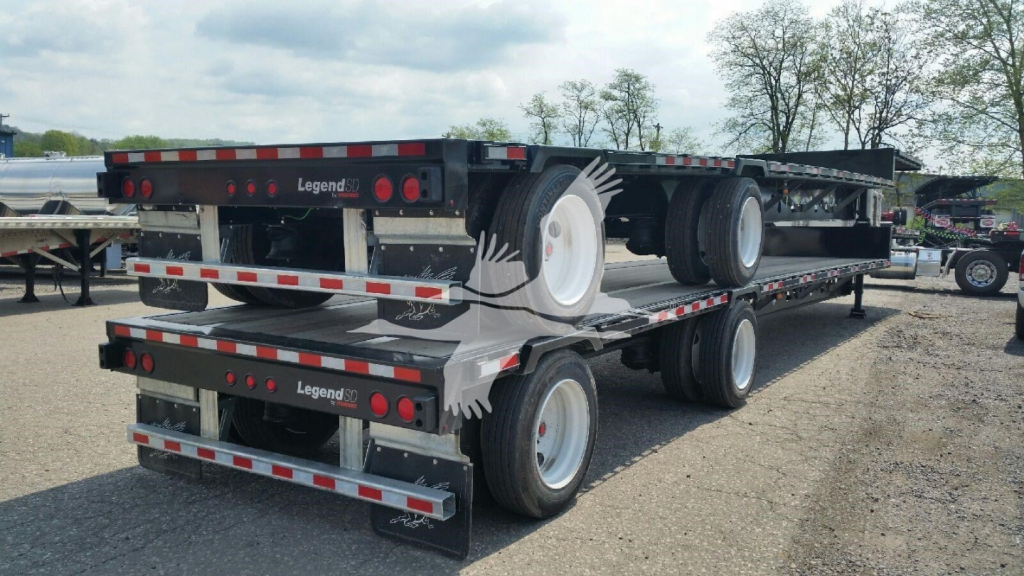
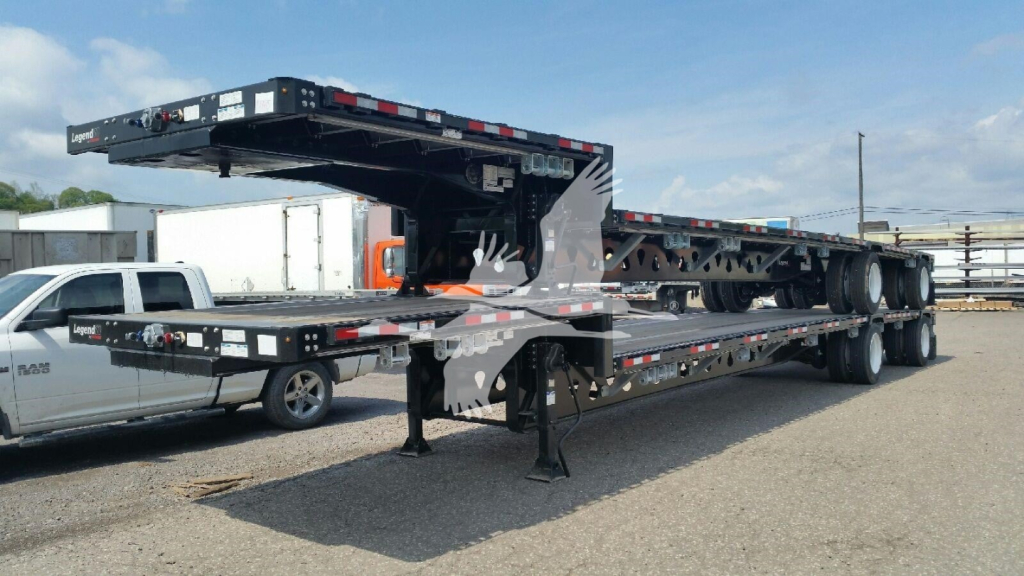
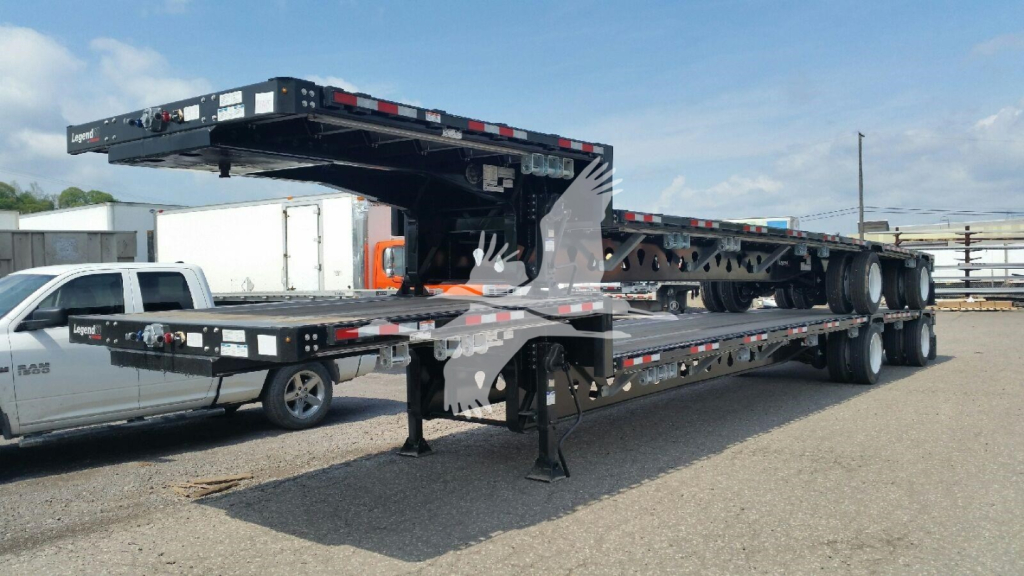
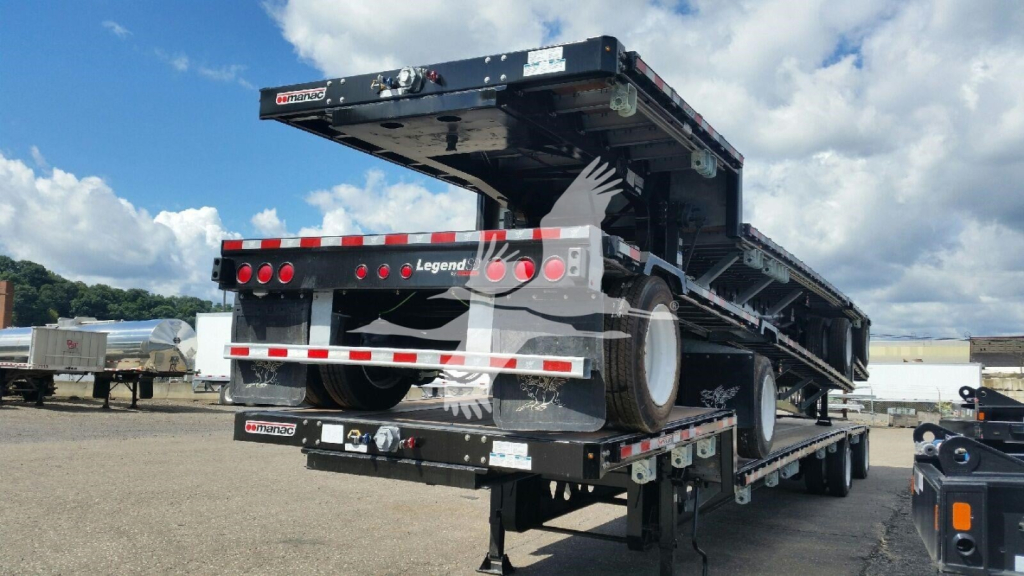
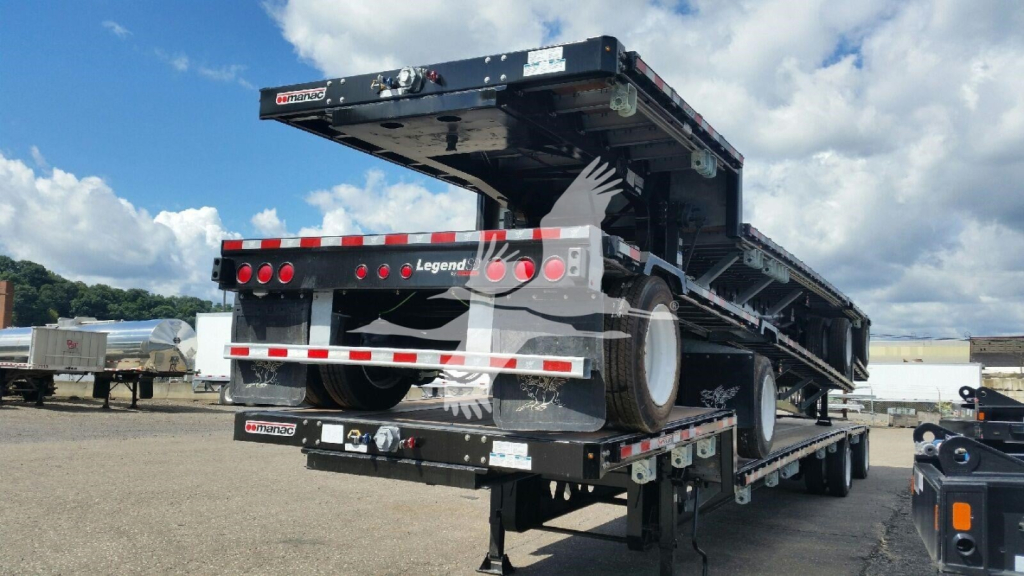
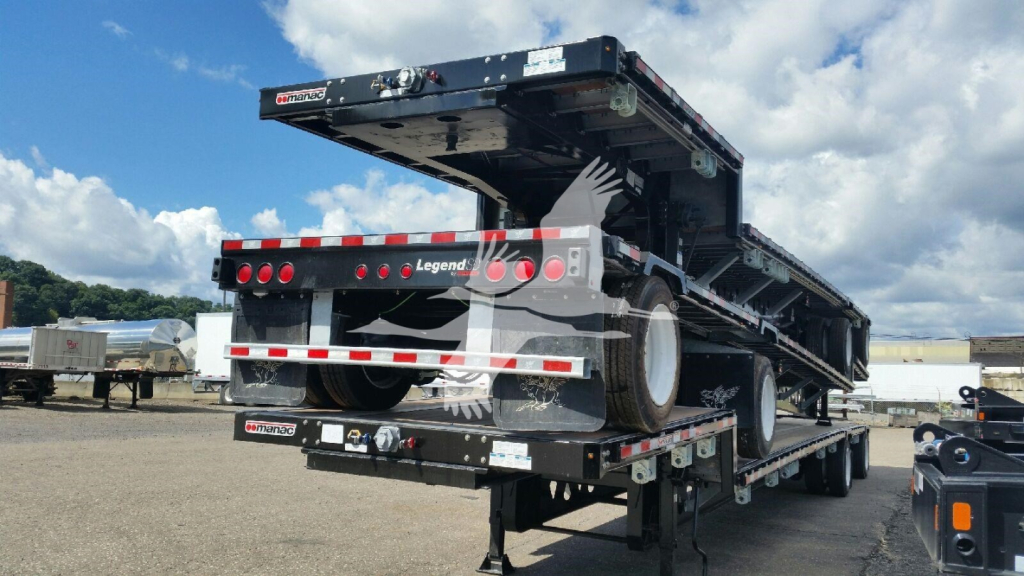
Selling a new 2027 manac drop deck trailer? List your new 2027 manac drop deck trailer for sale and reach thousands of commercial buyers.
New 2027 Manac Drop Deck Trailers
The biggest buying decision is usually construction. Manac drop decks are commonly found in steel, combo, and all-aluminum configurations. A steel drop deck generally appeals to buyers prioritizing durability, repair familiarity, and lower acquisition cost. Combo designs, often with steel main beams and aluminum deck components, balance tare weight and long-term toughness. Aluminum models are attractive when payload matters most, especially for operations chasing every pound of legal cargo. Deck material and securement layout also matter. Apitong flooring, nail strips, stake pockets, double pipe spools, sliding winches, and winch tracks are common features because they make the trailer more adaptable across mixed freight.
Suspension and axle setup should match the lanes you run and the freight you load. Air ride tandems and spread axle setups are common on Manac drop deck trailers, with Hendrickson Intraax suspensions regularly seen in fleet specs. Spread axles can help with weight distribution and stability, while slider or air-slide arrangements may be important for bridge law compliance and regional regulations, including California-legal applications. Buyers should also pay attention to main deck height, kingpin setting, crossmember spacing, landing gear spec, tire size, and wheel material. Closer crossmember spacing, galvanized crossmembers, galvanized rear structures, dump valves, and same-size inner and outer bearings can all make a difference in durability, serviceability, and uptime.
For freight handling, details like beavertails, flip ramps, bulkhead configuration, toolbox count, scale gauges, lighting layout, and side rail design can have a real impact on day-to-day use. A beavertail drop deck with flip ramps is better suited for loading compact equipment, while a straight deck design may be preferable for general commodity work. Buyers comparing new 2027 Manac drop deck trailers should look past headline length and axle count and focus on how the trailer is spec'd for their freight mix, legal operating area, and maintenance preferences. The right trailer is the one that protects payload capacity, simplifies securement, and stays productive across a wide range of loads.
Frequently Asked Questions about New 2027 Manac Drop Deck Trailers
What is the difference between a drop deck trailer and a flatbed trailer?
A drop deck trailer, also known as a step deck trailer, has two deck levels instead of one continuous deck like a flatbed. The lower main deck allows taller freight to be hauled while staying within legal height limits in many states. That makes drop decks a common choice for machinery, building materials, and other freight that would sit too high on a standard flatbed.
Should I choose a steel, combo, or aluminum Manac drop deck trailer?
The best material depends on your priorities. Steel trailers are typically chosen for rugged service, lower upfront cost, and easier structural repair. Combo trailers reduce empty weight while keeping steel in critical load-bearing areas. All-aluminum trailers usually offer the best payload advantage, which can matter for operators paid by weight or hauling dense freight on a regular basis.
What deck height is typical on a drop deck trailer?
Many drop deck trailers in this class have a main deck height around 40 to 42 inches, though exact height varies by suspension, tire size, and trailer design. Lower deck height is one of the main reasons buyers move from a flatbed to a drop deck, because it creates more legal load height without requiring permits in many routine applications.
Why do axle spread and suspension specs matter on a drop deck?
Axle spacing and suspension design affect weight distribution, ride quality, tire wear, and legal compliance. Spread axles can improve stability and help with certain state weight rules, while air ride suspension helps protect sensitive freight and improves overall trailer control. Slider and air-slide axle arrangements can also be important for operations that need more flexibility across varying bridge laws and regional requirements.
What securement features should buyers look for on a new drop deck trailer?
Buyers should closely evaluate stake pockets, pipe spools, sliding winches, winch tracks, nail strips, tie bars, and deck material. These features determine how quickly the trailer can be loaded and how well it can handle different freight types. A trailer with the right securement package can reduce loading time, improve cargo stability, and make the unit more versatile across steel, lumber, machinery, and palletized loads.