
New Manac Drop Deck Trailers For Sale
Compare new Manac drop deck trailers with common specs, deck heights, axle setups, flooring, tie-down options, and freight applications.
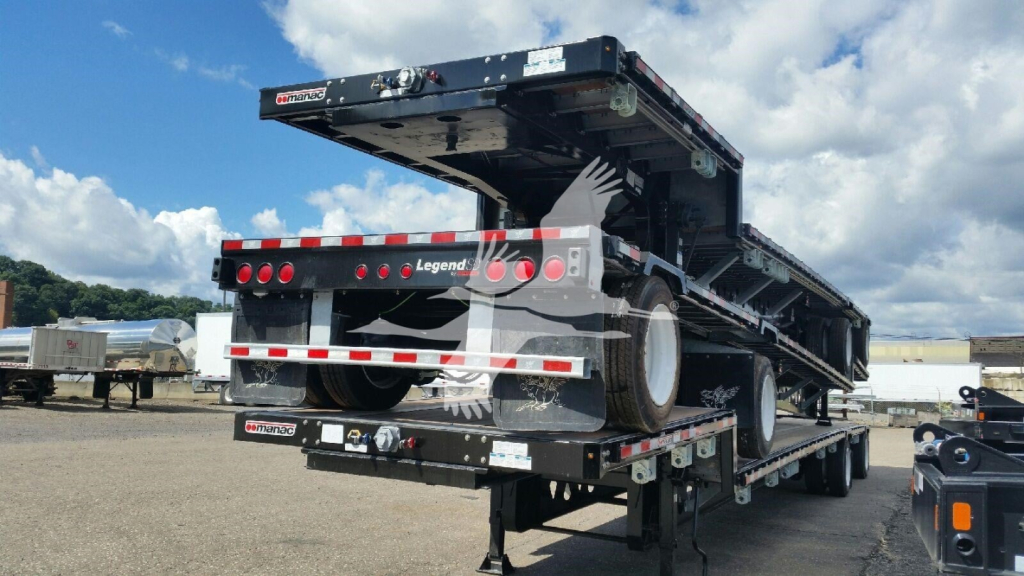
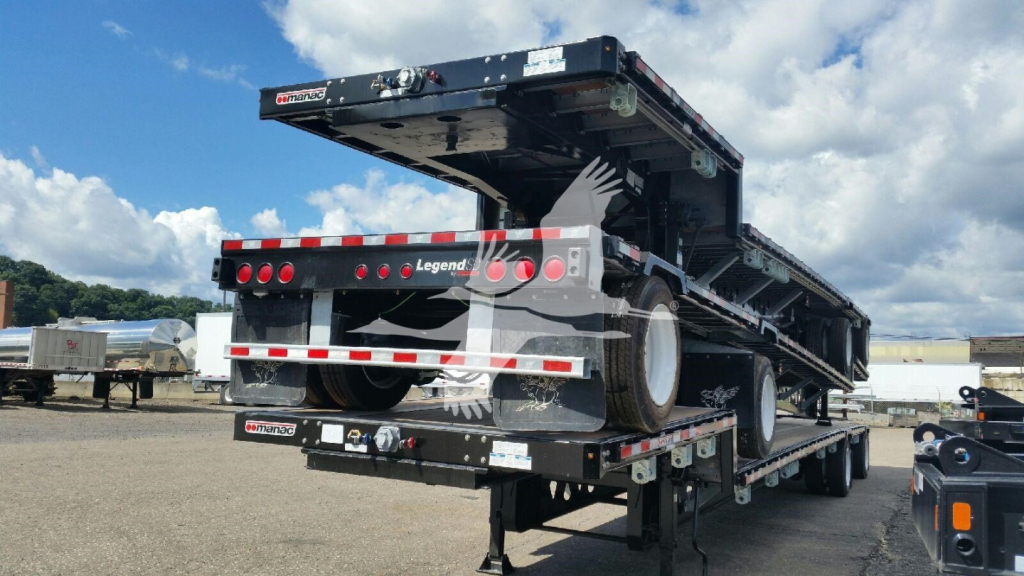
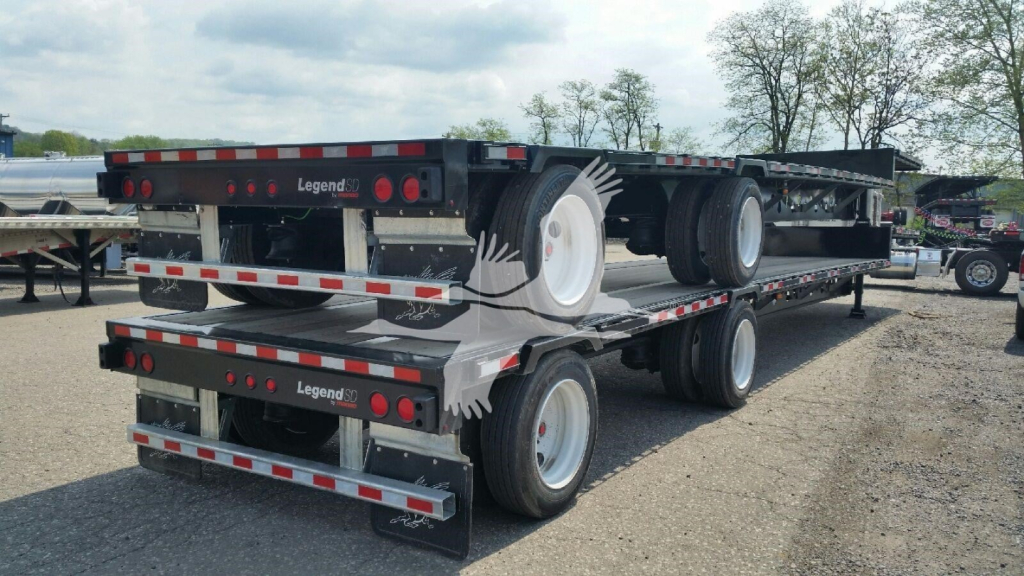
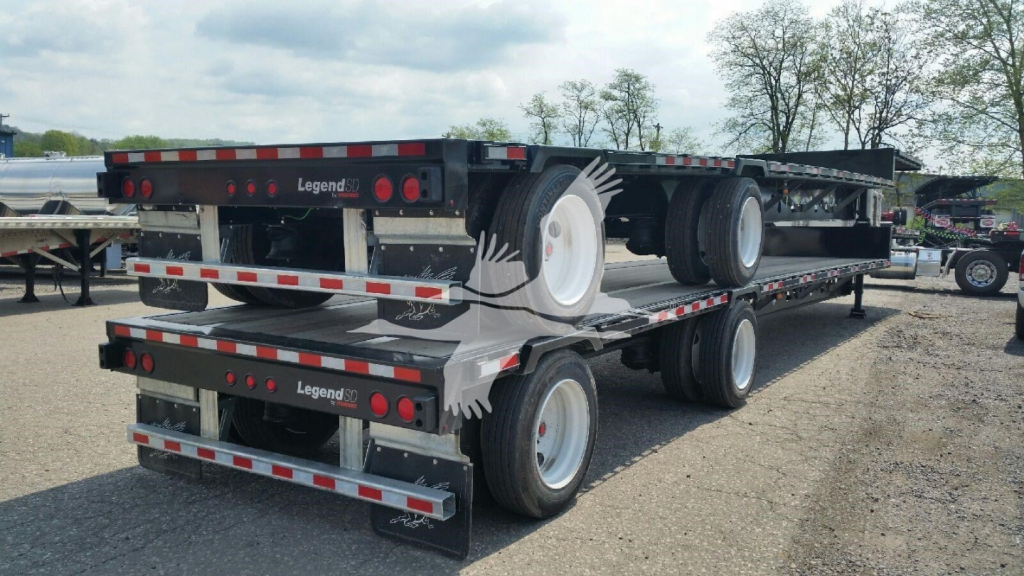
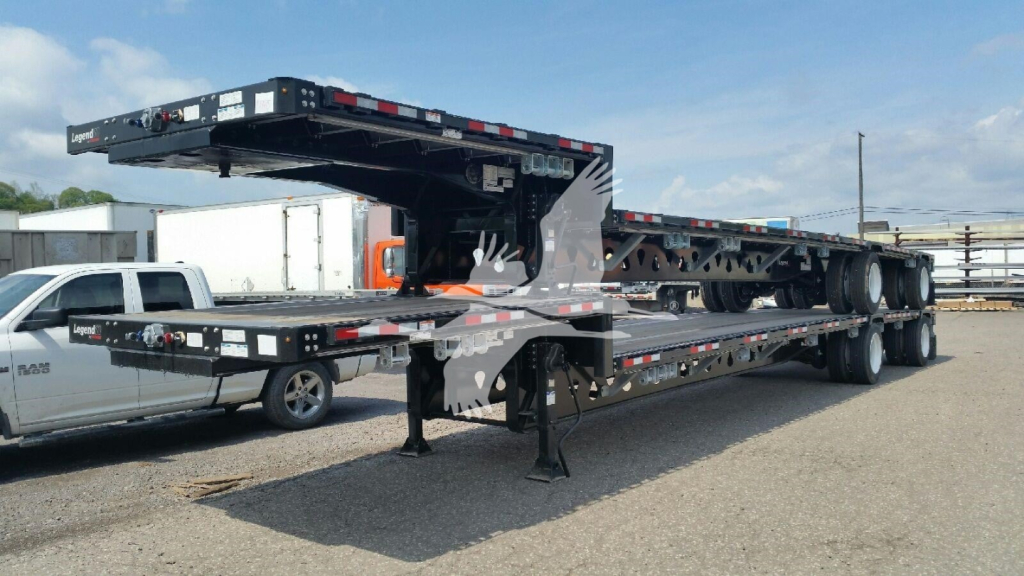
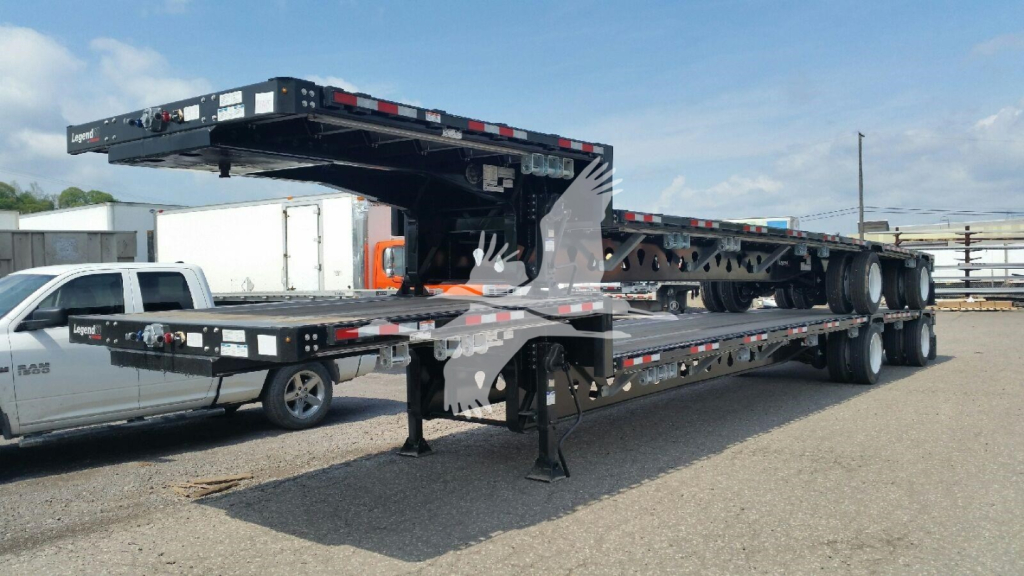
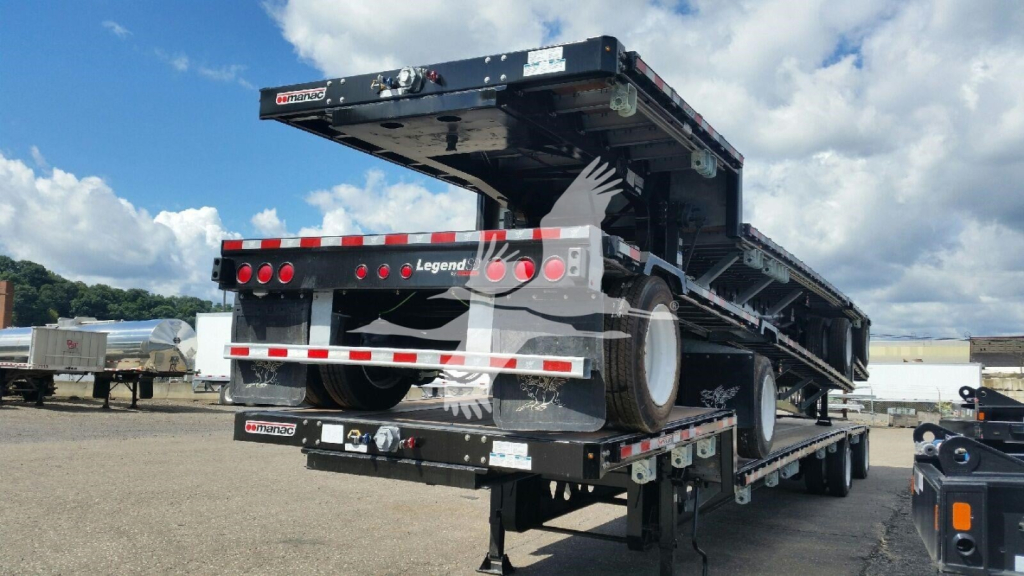
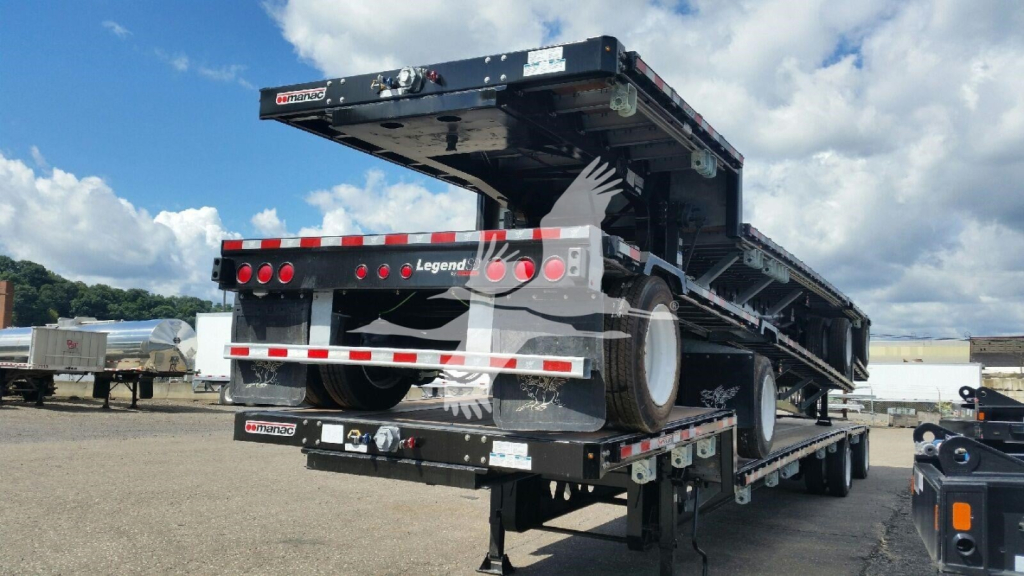
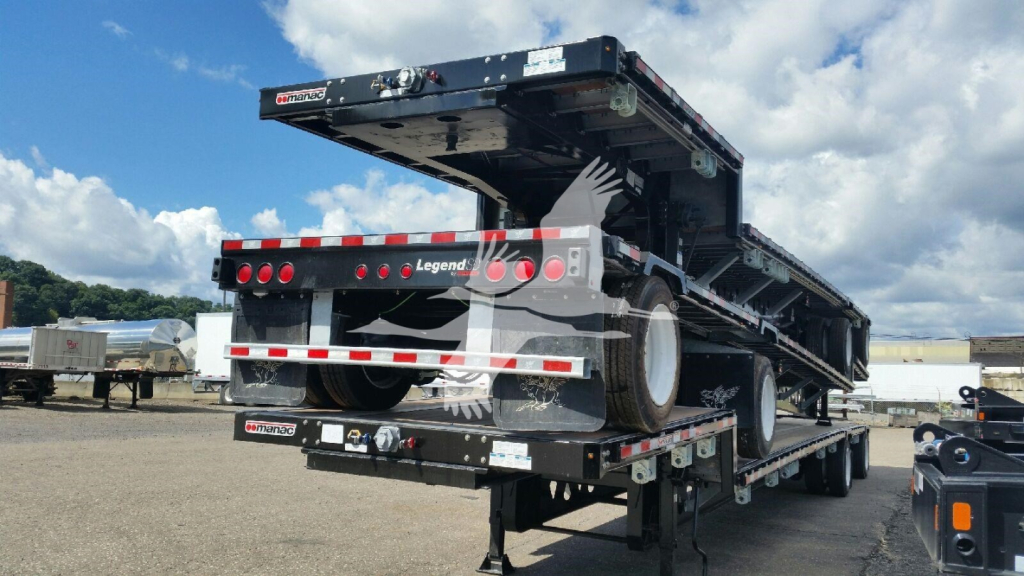
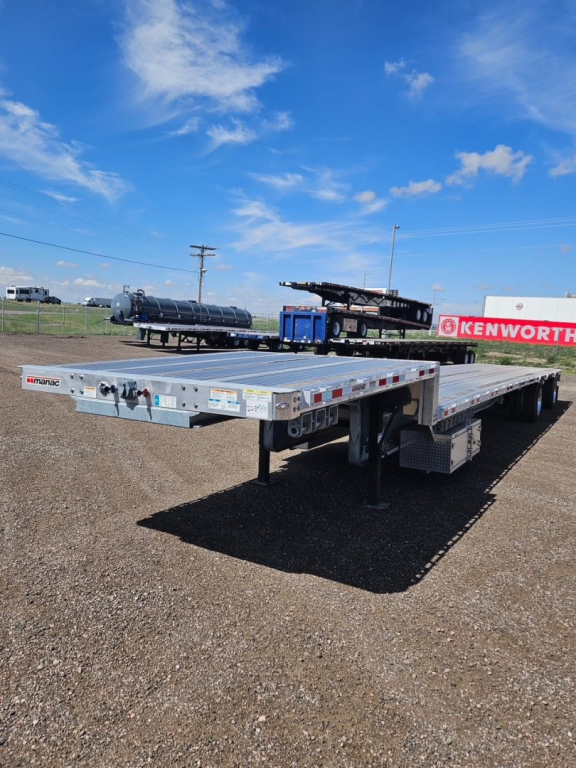
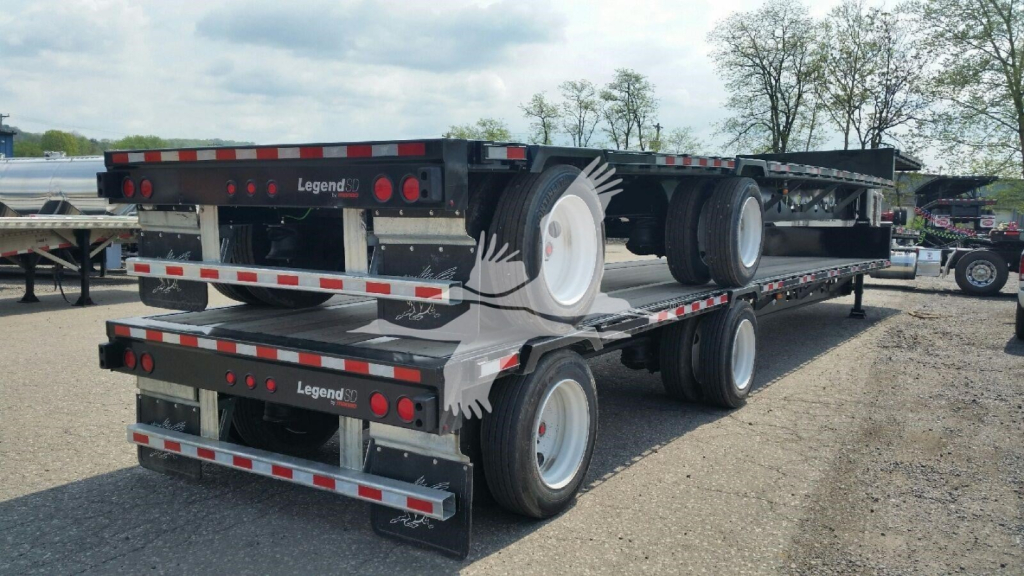
Selling a new manac drop deck trailer? List your new manac drop deck trailer for sale and reach thousands of commercial buyers.
New Manac Drop Deck Trailers
The first specs most buyers look at are overall length, upper deck length, loaded deck height, and axle spread. Common configurations include 48-foot and 53-foot trailers at 102 inches wide, often with a 10-foot upper deck and a lower main deck around 38 feet or longer depending on the trailer design. Main deck height is a key number because it directly affects legal load height. Many new Manac drop deck trailers are set up with air ride suspension, tandem axles, and spread axle layouts that improve stability and distribute weight well for a broad range of freight. Kingpin setting, landing gear spec, and tire size also matter if the trailer needs to match a particular tractor wheelbase or state bridge requirements.
Construction details have a big effect on tare weight, durability, and long-term maintenance. Manac offers both all-steel style drop decks and combo designs that use steel main beams with aluminum components to reduce weight. A steel trailer can make sense for severe-duty service and repeated concentrated loads, while a combo trailer is often the better fit when payload matters on every trip. Buyers should pay attention to floor material such as 1 1/8-inch Apitong, crossmember spacing, side rail design, stake pockets, pipe spools, and winch track layout. Features like sliding winches, nail strips, tie bars, beavertails, and flip ramps can make a major difference depending on whether the trailer will be securing machinery, crated freight, steel products, or wheeled equipment.
On new-spec trailers, the small details are usually what separate a general-purpose deck from one that fits the work precisely. Galvanized crossmembers and rear bumpers can help with corrosion resistance, especially in northern climates and road salt exposure. Air ride suspensions such as Hendrickson Intraax setups are common because they protect cargo and ride well under mixed loads. Dump valves, LED lighting, toolbox options, wheel material choices, and same-size inner and outer bearings all affect serviceability and operating cost over time. For buyers comparing new Manac drop deck trailers, the smartest approach is to match deck height, construction type, tie-down package, and axle configuration to the freight mix first, then evaluate weight, maintenance, and loading convenience.
Frequently Asked Questions about New Manac Drop Deck Trailers
What is the difference between a drop deck trailer and a flatbed trailer?
A drop deck trailer, also called a step deck, has two deck levels: a higher front deck over the tractor drives and a lower main deck behind it. That lower main deck gives more cargo height clearance than a standard flatbed trailer, which is important for hauling taller freight while staying within legal height limits. A flatbed is often simpler for uniform freight and full-length side loading, but a drop deck is usually the better choice when freight is too tall for a flatbed and does not require a lowboy.
What freight is a Manac drop deck trailer commonly used for?
Manac drop deck trailers are commonly used for machinery, construction materials, steel products, lumber, pipe, crated freight, and other open-deck loads that benefit from lower deck height. Combo models with lighter-weight construction can be attractive for payload-sensitive freight, while steel models are often preferred for harder use and repeated heavy loading. Units equipped with beavertails and flip ramps are especially useful for loading wheeled or tracked equipment.
Should I choose a steel drop deck or a combo drop deck?
A steel drop deck generally offers a rugged platform for demanding applications, concentrated loads, and fleets that prioritize durability over tare weight. A combo drop deck uses steel where structural strength is critical and aluminum where weight savings matter, which can improve legal payload and fuel efficiency. The right choice depends on freight density, loading style, route conditions, and how heavily the trailer will be used in severe-duty service.
What specs matter most when comparing new drop deck trailers?
Deck height is usually the most important number because it determines how much legal cargo height the trailer can carry. After that, buyers should compare overall length, upper deck length, axle configuration, suspension type, floor material, crossmember spacing, and tie-down equipment such as stake pockets, pipe spools, and winch tracks. Construction type, wheel and tire package, kingpin setting, and corrosion-resistant features also matter because they affect payload, tractor compatibility, and long-term maintenance cost.
Are spread axle drop deck trailers better than tandem axle configurations?
Spread axle drop deck trailers can improve load distribution and stability, and they are often favored for general open-deck freight in regions where bridge law and weight distribution are important. They can also offer operational advantages when hauling longer or unevenly distributed loads. The tradeoff is that spread axles may be less maneuverable in tight yards and urban loading areas than a closed tandem, so the best setup depends on the routes, loading environment, and freight profile.